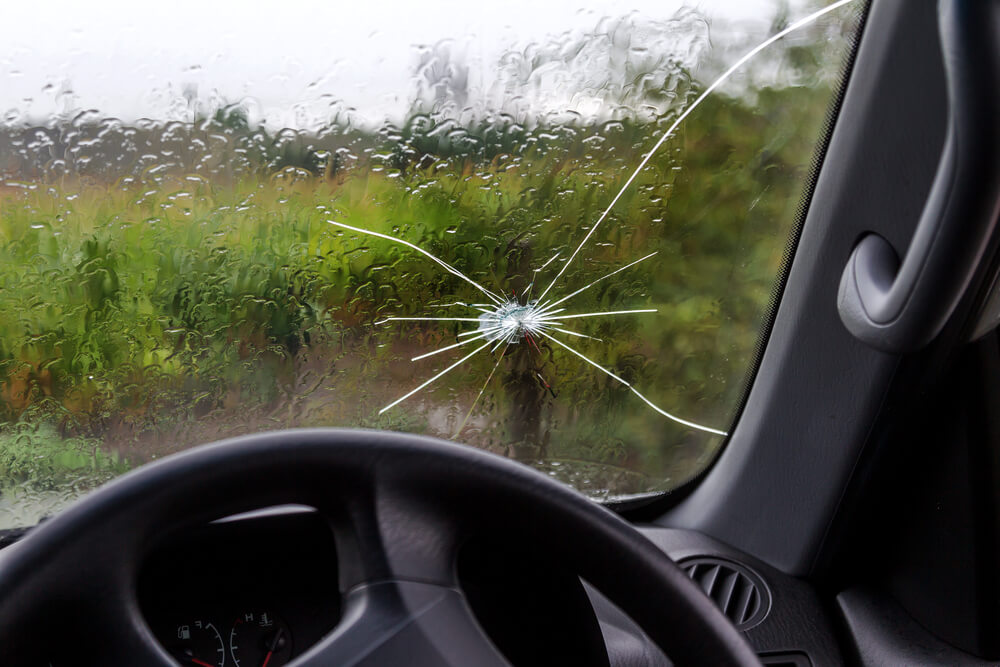
A rock chip can look minor at 8 a.m. and turn into a long crack after an afternoon thunderstorm, a temperature swing, or one hard bump on the road. Windshield repair before rain gives you a better chance to address the damage while it is still small, clean, and repairable. For Dallas-Fort Worth drivers who rely on their vehicle for commuting, school runs, work appointments, or rideshare trips, acting early can mean avoiding a much larger interruption later.
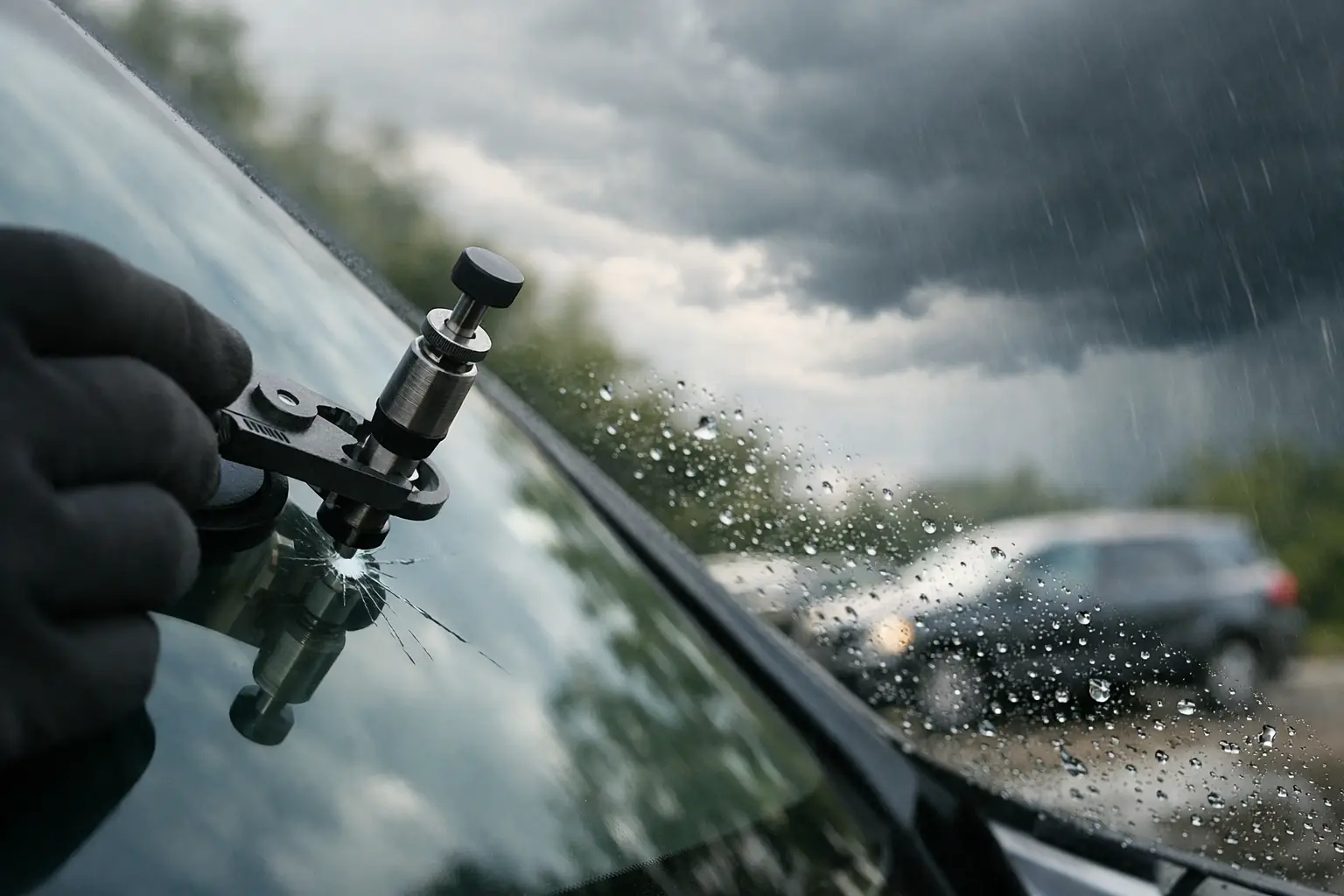
Rain does not automatically destroy a windshield or make every repair impossible. It can, however, complicate a chip repair when water, dirt, and road grime get into the damaged area. The practical move is simple: protect the chip, avoid stressing the glass, and schedule an inspection as soon as you can.
Why rain can make windshield damage worse
Your windshield is laminated safety glass. It has two layers of glass with a plastic layer between them, which helps it stay together during an impact. A chip or crack weakens that structure at one specific point. Once the glass is compromised, it is more sensitive to pressure changes, vibration, moisture, and temperature changes.
The rain itself is usually not what creates a crack from nothing. The issue is what happens around the existing damage. Water can enter an open chip and carry in dust or debris. If the chip is not clean and dry when it is repaired, resin may not bond as effectively or look as clear after curing. That can reduce the quality of an otherwise straightforward repair.
Temperature changes matter, too. In North Texas, a hot windshield can cool quickly during a rainstorm. Glass expands when it heats and contracts when it cools. When one area of a windshield changes temperature faster than another, stress builds around weak spots. A chip near the edge of the windshield is especially likely to spread because the outer edge already carries more structural stress.
Road conditions add another factor. Wet roads, potholes, standing water, and normal driving vibration can all put pressure on damaged glass. You may drive through rain without any change, or you may notice a crack beginning the next time you shut the door, hit a bump, or use the defroster. It depends on the chip’s size, depth, location, and the condition of the glass.
When windshield repair before rain is worth prioritizing
If you see a fresh rock chip and rain is in the forecast, it is a good time to make the repair a priority. Small chips are often candidates for repair when they are addressed quickly. Once a crack starts traveling across the glass, replacement is more likely to be the right answer.
A technician will inspect the damage rather than make that call based on appearance alone. In general, repair may be possible when the damage is small, the glass is not badly contaminated, and the impact is outside the driver’s primary viewing area. A long crack, damage at the windshield edge, deep impact damage, or a chip that affects both layers of glass may require windshield replacement instead.
Do not wait for a forecast if the crack is already growing. Rain may be the reason you noticed the urgency, but the real concern is that the windshield has become less predictable. A crack can stop temporarily and then spread without much warning.
A small chip is not always a small safety issue
The windshield supports the vehicle roof and helps the passenger-side airbag deploy as designed. That does not mean every chip creates an immediate emergency, but it does mean damaged glass deserves more attention than a cosmetic blemish.
If the crack obstructs your line of sight, is spreading quickly, or you can feel severe damage on the inside surface of the glass, avoid unnecessary driving until it is inspected. Visibility can get worse quickly in rain, especially at night when headlights reflect off damaged glass.
What to do if rain is coming
You do not need special products to protect a chip for a few hours or overnight. The goal is to keep dirt and water out while avoiding added pressure on the windshield. If the exterior glass is dry, you can lightly cover the chip with a small piece of clear tape. Do not press hard on the damaged spot, and do not use duct tape, glue, or a windshield repair kit unless you know the damage is suitable and the glass is fully dry.
Park in a garage or covered space if that is convenient. If covered parking is not available, do not panic. A repair professional can often dry and prepare a chip, but faster service generally gives the best chance of a clean repair result.
Avoid a car wash before the inspection. High-pressure water can force more moisture and debris into the damaged area. Also skip sudden temperature changes. Do not blast the windshield with cold air when it is hot, run the defroster at full heat against cold wet glass, or pour hot water on the windshield. Those shortcuts can turn a contained chip into a larger crack.
Drive gently when you must use the vehicle. That means avoiding rough roads when possible, leaving extra room around construction vehicles, and closing doors normally rather than slamming them. These steps will not fix the glass, but they can reduce unnecessary stress until the repair is completed.
Can a windshield be repaired while it is raining?
Sometimes, yes. Mobile windshield repair during rainy weather depends on the condition of the damage and whether the technician has a dry, protected workspace. The repair area must be properly dried and prepared before resin is installed. If rain is actively hitting the windshield, a technician may need access to a garage, carport, covered parking area, or a break in the weather.
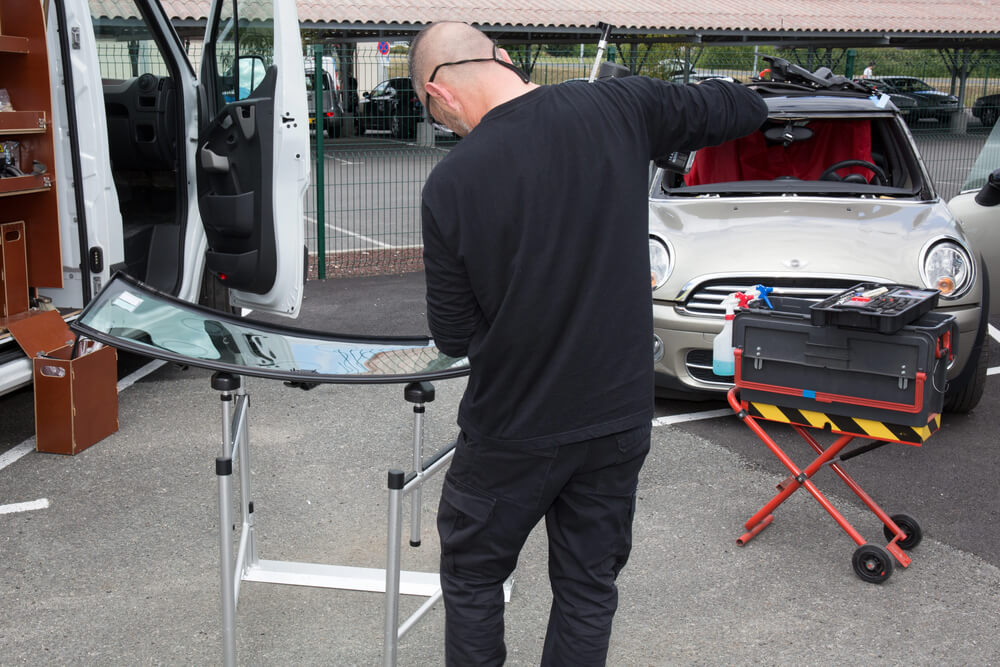
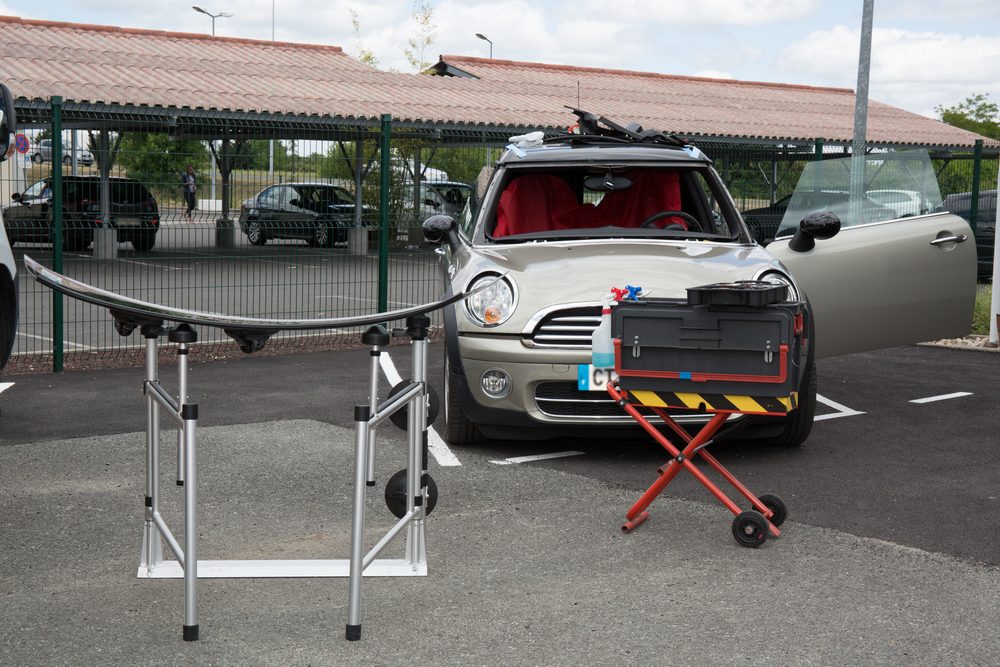
This is one reason mobile service can be useful. Instead of driving across town with a spreading crack, you can arrange service at home, work, or another suitable location. A good technician will tell you whether the conditions support a proper repair rather than rushing through a job that should wait for a dry setup.
For windshield replacement, rain can also affect scheduling. The glass bonding materials need the right conditions to cure properly. Light rain does not always stop a replacement, but exposed, heavy rain or unsafe weather may require a covered location or a reschedule. The right choice is the one that protects the quality of the installation.
Repair versus replacement after water gets in
Moisture inside a chip does not automatically mean replacement. Auto glass technicians have methods to remove moisture and prepare the damaged area before repair. The trade-off is that a chip that has been exposed to water, dust, and time may not look as clean after repair as a fresh, dry chip.
Windshield repair is designed to restore strength and prevent a chip from spreading. It often improves the appearance of the damage, but it may not make the mark disappear completely. Replacement is usually recommended when safety, structural condition, or clear visibility cannot be restored with a repair.
If replacement is needed, ask about the correct glass for your vehicle and whether windshield camera calibration may be required. Many newer vehicles use forward-facing cameras and sensors behind the windshield for safety features such as lane assistance or automatic emergency braking. Replacing the glass is only one part of getting the vehicle ready to drive again when those systems are involved.
Fast action is easier than dealing with a spreading crack
The best time to handle windshield damage is before it has a chance to collect moisture, dirt, and stress from changing weather. Take a quick photo of the chip, note whether it has changed, and arrange an inspection while it is still manageable. Mid Cities Auto Glass provides mobile auto glass service for drivers in Dallas, Addison, Richardson, Fort Worth, and Irving, so you can often get the glass checked without rearranging your entire day.
A forecast does not have to turn a small windshield chip into a bigger problem. Protect the damaged spot, avoid temperature shocks, and get clear advice on repair or replacement before the next rainstorm adds another variable.