A shattered back glass usually happens at the worst possible time - before work, during school pickup, or right when you need your car secure again. If you are dealing with broken auto glass, understanding the rear window replacement process can make the next step a lot less stressful and help you know what to expect from mobile service.
Rear window damage is different from a chipped windshield or a cracked door glass. In most vehicles, the rear window is made from tempered glass, which means it is designed to break into many small pieces on impact. That is better for safety, but it also means repair is usually off the table. Once the glass breaks, replacement is the fix.
What makes rear glass replacement different
The back window does more than close off the rear of the car. It often includes a defroster grid, and on some vehicles it may also include an antenna, tint, or extra molding around the edges. Those details matter because replacing rear glass is not just about dropping in a new pane.
The technician has to remove loose glass safely, protect the interior, prep the opening, and install replacement glass that matches the vehicle correctly. If the defroster connections are part of the glass, they also need to be reattached properly. A rushed job can lead to leaks, wind noise, or a rear defroster that no longer works.
The rear window replacement process step by step
If you have never had back glass replaced, the process is usually more straightforward than people expect. It does require care, though, especially if broken glass has scattered into the trunk, seats, or cargo area.
1. Damage assessment and glass matching
The first step is confirming the exact vehicle details and the type of rear glass needed. Year, make, model, body style, and trim all matter. Two versions of the same vehicle may use different rear windows depending on features like privacy tint or built-in heating elements.
This is also when the technician checks the frame area for extra damage. If the metal pinch weld is bent or the surrounding body has been damaged in a collision, that can affect how the new glass fits. In those cases, glass replacement may need to wait until body repairs are handled.
2. Interior protection and glass cleanup
When rear glass breaks, it rarely stays in one place. Small pieces usually end up on the rear shelf, in the trunk, inside weather seals, and across the seats or floor. Before new glass goes in, the technician removes as much debris as possible and protects nearby surfaces.
This step matters more than most drivers realize. Leftover glass can keep falling out for days if cleanup is rushed. It can also get caught in trim pieces and create rattling later.
3. Removal of old adhesive and damaged material
If any of the old rear window is still attached, it has to be removed carefully. The remaining urethane adhesive is then cut back and prepped. The goal is to create a clean, stable surface for the new glass to bond to.
This is one reason rear window replacement is not a good DIY project for most people. Too much removal can damage the bonding surface, while too little prep can weaken the seal. Good adhesion is what keeps out water and helps the glass stay secure.
4. Preparing the frame and replacement glass
Once the opening is clean, the technician prepares the frame and the new glass according to the adhesive system being used. That may include primer or other prep materials, depending on the vehicle and product requirements.
If the rear glass has defroster tabs or other built-in components, those are checked before installation. It is much easier to catch a mismatch before the glass is set than after the adhesive cures.
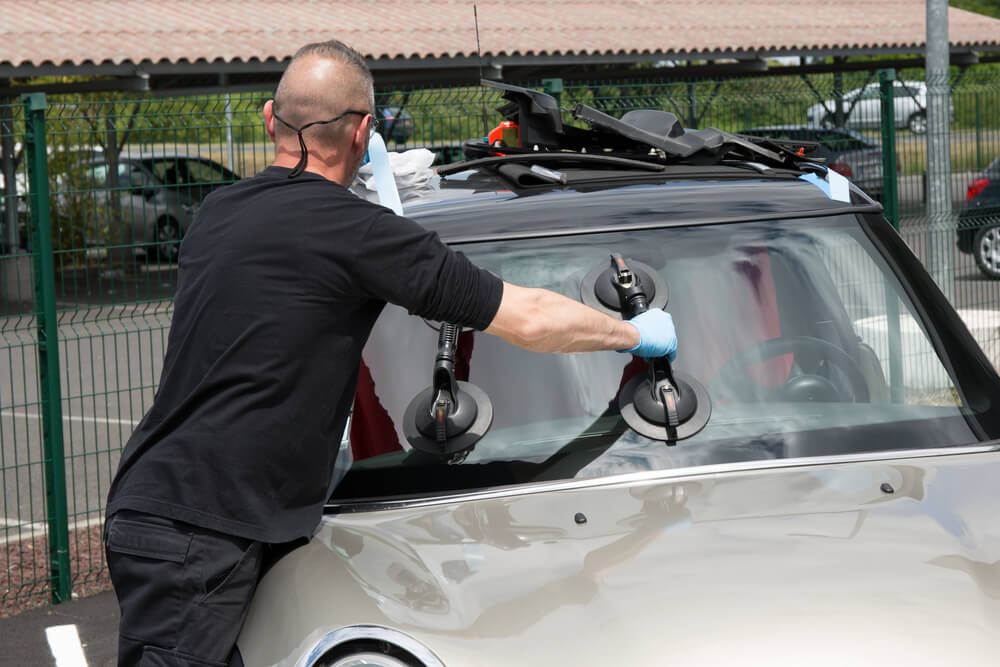
5. Installing the new rear window
Next comes the actual placement of the glass. Urethane adhesive is applied in a precise bead, and the replacement rear window is set into place. Positioning matters because even a slight alignment issue can affect trim fit, sealing, and appearance.
After the glass is installed, trim and moldings are rechecked, and any electrical connections for the rear defroster are reattached. The technician then inspects the fit and makes sure the glass sits correctly all the way around.
6. Cure time and final safety check
The last part of the rear window replacement process is allowing the adhesive to cure. Drive-away time depends on the adhesive used, weather conditions, and the vehicle. Heat and humidity can affect how quickly the bond reaches a safe level.
Before the job is finished, the technician checks that the glass is secure, the area is cleaned, and the vehicle is safe to return to service. If you are using mobile auto glass service, this is also when you should ask about safe drive-away timing and whether there are any short-term precautions to follow.
How long does rear window replacement take?
In many cases, the hands-on work takes about an hour, but the full appointment can be longer once cleanup, glass prep, and cure time are included. A simple rear glass replacement on a common vehicle may move quickly. A vehicle with hard-to-remove trim, heavy glass debris, or specialty rear glass may take more time.
Mobile service can save time overall because you do not have to rearrange your day around a shop visit. For busy drivers in areas like Dallas, Irving, or Fort Worth, having the technician come to your home or office is often the easiest way to get the car secured without losing half a day.
What affects the cost?
Rear window replacement cost depends on the vehicle and the glass configuration. A basic sedan back glass is usually less complicated than rear glass on an SUV with integrated features. OEM versus aftermarket glass can also affect pricing, and availability matters too.
Labor can vary based on cleanup needs and how complex the install is. If the glass exploded throughout the vehicle or damaged trim has to be addressed, that adds time. The cheapest quote is not always the best value if it skips proper cleanup or uses poor-quality materials.
Can you drive with a broken rear window?
Sometimes you can, but that does not mean you should wait. A broken back window leaves the interior exposed to weather, theft, and more glass movement. It can also affect visibility and make the vehicle less secure for passengers or cargo.
If the rear glass is completely gone, temporary covering may help for a very short period, but it is not a real fix. Tape and plastic will not restore safety, defroster function, or a proper seal. If rain is in the forecast or you park outside, replacement should move up the priority list quickly.
Why mobile service makes sense for rear glass damage
Rear window replacement is one of those services that often feels more urgent than people expect. Once the glass is broken, the car is exposed, cleanup is messy, and every delay creates more hassle. Mobile service solves a practical problem - you do not have to drive across town with broken glass or sit in a waiting room while trying to juggle work and family responsibilities.
That is especially useful in the DFW area, where a long commute can turn a simple appointment into a major disruption. A local company like Mid Cities Auto Glass can handle the job where the vehicle is parked, which is often the fastest path back to normal.
When replacement might take longer
Most jobs are routine, but some situations add complexity. If the vehicle has body damage around the rear opening, replacement may need to wait. If the exact glass is not in stock, ordering the correct part can add a delay. Bad weather can also affect mobile scheduling or adhesive cure conditions.
There are also cases where customers expect the rear defroster to work immediately after installation. Sometimes that is fine, but sometimes waiting a bit is the better call depending on the adhesive and install timing. Asking clear aftercare questions is always worth it.
What to do right after the glass breaks
First, keep people away from the broken area and avoid brushing glass fragments deeper into the seats or cargo space. If you can, remove valuables and cover the opening temporarily until service arrives. Try not to slam doors, since pressure changes can shift loose glass.
If the vehicle was broken into, document the damage before cleanup if you need it for insurance or a police report. Then schedule replacement as soon as possible. The sooner the glass is replaced, the easier it is to prevent extra mess, weather exposure, and security issues.
A broken rear window is never convenient, but the fix is usually faster and more manageable than most drivers expect. When the job is done right, your vehicle is sealed, secure, and back to normal without dragging the problem out for days.