A new windshield should solve a problem, not create a new one. But some windshield replacement issues show up hours, days, or even weeks after the glass is installed, and that is when drivers start wondering whether something was missed the first time.
For most people, the biggest concern is simple: you want the glass replaced correctly, you want your vehicle safe to drive, and you do not want to lose half a day sitting in a shop. That is why it helps to know what can go wrong, what is normal after replacement, and what deserves a callback right away.
The Most Common Windshield Replacement Issues
Not every problem after replacement means the whole job failed. Some issues are minor and easy to fix. Others affect visibility, safety, or the way your car's technology works. The key is knowing the difference.
One of the most common complaints is wind noise. If you hear a whistling sound at highway speeds that was not there before, the seal may not be sitting correctly, or the molding may not be fitted as tightly as it should be. Sometimes this is a quick adjustment. Sometimes it points to a bigger installation problem.
Water leaks are another big one. A properly installed windshield should keep out rain, car wash water, and moisture. If you notice damp carpet, water along the edge of the glass, or a musty smell after replacement, the adhesive bond may be uneven or incomplete. This is not something to ignore, especially in a daily driver.
There are also visual problems. Distortion in the glass, small waves, or hazy areas can make it harder to see clearly, especially in bright sun or at night. In that case, the issue may not be the installation itself. It may be the quality of the replacement glass.
Then there are technology-related problems. Many newer vehicles have rain sensors, lane departure cameras, forward-facing safety systems, or heads-up displays connected to the windshield area. If those features stop working properly after replacement, calibration may have been skipped or done incorrectly.
Why Windshield Replacement Issues Happen
Most problems come down to one of three things: poor installation, poor-quality parts, or rushing the job. Sometimes it is a mix of all three.
The adhesive used to secure the windshield matters more than most drivers realize. That adhesive is part of the vehicle's structural safety system. If the wrong product is used, or if the installer does not allow the proper cure time, the windshield may not bond the way it should. That can lead to leaks, movement, and in a serious accident, reduced protection.
Preparation matters too. The frame has to be cleaned correctly, old adhesive has to be managed the right way, and any rust or debris around the pinch weld needs attention. If that prep work is rushed, the new glass may never sit quite right.
Vehicle design also plays a role. Some cars and trucks are straightforward. Others have tight tolerances, specialty trim pieces, advanced driver assistance systems, or glass shapes that leave less room for error. That does not mean replacement is risky by default. It just means experience matters.
Signs of Bad Windshield Replacement Issues You Should Not Ignore
A few things after installation are worth immediate attention. If the windshield looks crooked, sits unevenly, or has gaps in the trim, call the installer. If the interior gets wet after rain, call the installer. If your dashboard starts showing camera or sensor warnings, call the installer.
You should also pay attention to how the glass feels while driving. A rattling sound, movement near the edge, or sudden increase in cabin noise can all point to a fit or sealing problem. Even if the windshield seems secure, those symptoms usually do not fix themselves.
There are more subtle signs too. If the rearview mirror feels loose, the weather stripping starts pulling away, or the windshield looks slightly off-center, something may need to be corrected. Drivers often try to wait these things out. That usually just makes the fix more annoying later.
What Is Normal After a Windshield Replacement
Not every post-installation detail is a red flag. Some things are completely normal.
You may notice a mild adhesive smell for a short time. You may see retention tape on the windshield, which is often there to help keep everything stable while the adhesive sets. In some cases, there may be a short wait before it is safe to drive, depending on the adhesive system and conditions.
You might also be told not to slam the doors right away or to avoid high-pressure car washes for a period of time. That is not a sign of poor work. It is part of giving the installation time to cure properly.
What is not normal is active leaking, obvious movement, major wind noise, or safety systems that suddenly act up with no explanation.
How ADAS Changes Windshield Replacement
This is where windshield replacement issues get more technical. On many newer vehicles, the windshield is not just glass. It is also part of the support system for cameras and sensors.
If your car has features like automatic emergency braking, lane keeping assist, adaptive cruise control, or traffic sign recognition, windshield replacement may require calibration. Without it, the camera may be slightly out of position even if the glass itself looks perfect.
That matters because modern safety systems depend on precise alignment. A camera that is off by a small amount can affect how the vehicle reads lane markings or reacts to objects ahead. This is one reason the cheapest quote is not always the best deal.
For DFW drivers who rely on their vehicles every day, especially commuters and rideshare drivers, this is a big practical issue. The goal is not just getting the crack gone. The goal is getting the whole vehicle back to safe working condition.
How to Avoid Windshield Replacement Issues
The best way to avoid problems is to ask a few smart questions before the job starts. Ask what kind of glass is being used. Ask whether your vehicle needs calibration. Ask about safe drive-away time. Ask what happens if there is a leak, molding issue, or sensor problem afterward.
You do not need to know every technical detail. You just need clear answers. A reliable auto glass company should be able to explain the process in plain English and tell you what to expect once the job is done.
Mobile service can be a great option here, especially for busy drivers in places like Dallas, Irving, or Fort Worth who cannot stop their day for a shop visit. But convenience should not mean cutting corners. The job still needs the right materials, the right conditions, and enough time to cure properly.
It also helps to follow aftercare instructions. If the technician tells you to wait before washing the car or to leave tape in place for a few hours, do it. Good installation can still be compromised if the curing process gets interrupted.
When a Repair Would Have Been Better Than Replacement
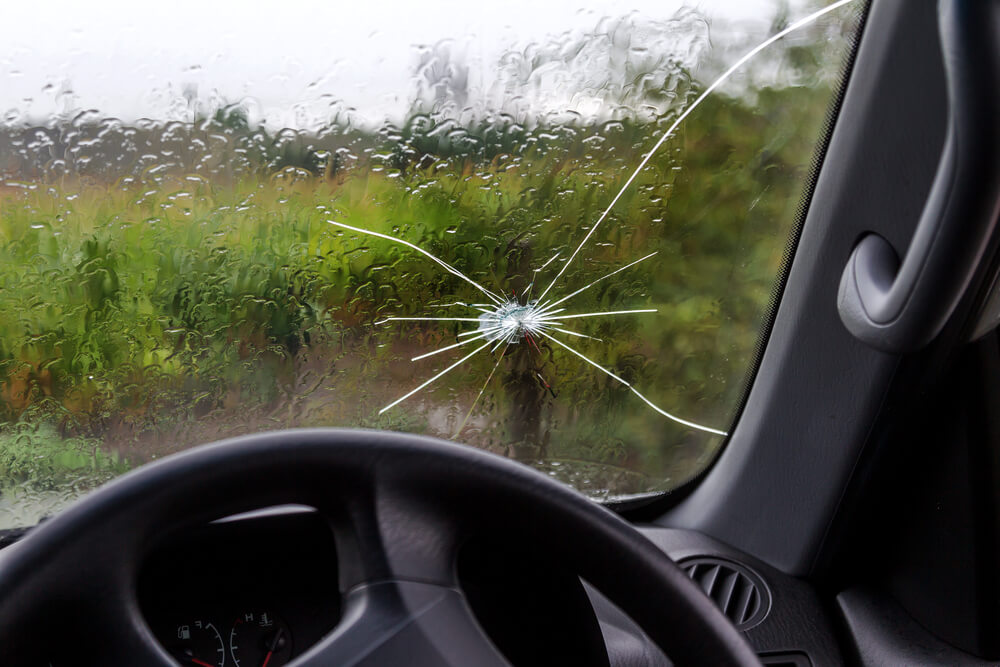
Sometimes drivers run into windshield replacement issues because the glass never needed full replacement in the first place. A small chip or short crack can often be repaired if it is addressed early, especially if it is not directly in the driver's line of sight and has not spread.
Replacement becomes the better choice when the damage is large, deep, near the edge, or affecting visibility. The hard part is that many people wait too long. A repairable chip turns into a crack after a hot afternoon, a cold morning, or one pothole too many.
That is why timing matters. Fast action usually gives you more options and less hassle.
Choosing the Right Installer Matters More Than Most Drivers Think
Windshield replacement is one of those services that seems simple until it is done badly. The glass may look fine from ten feet away, but the real test is how it performs in traffic, in weather, and over time.
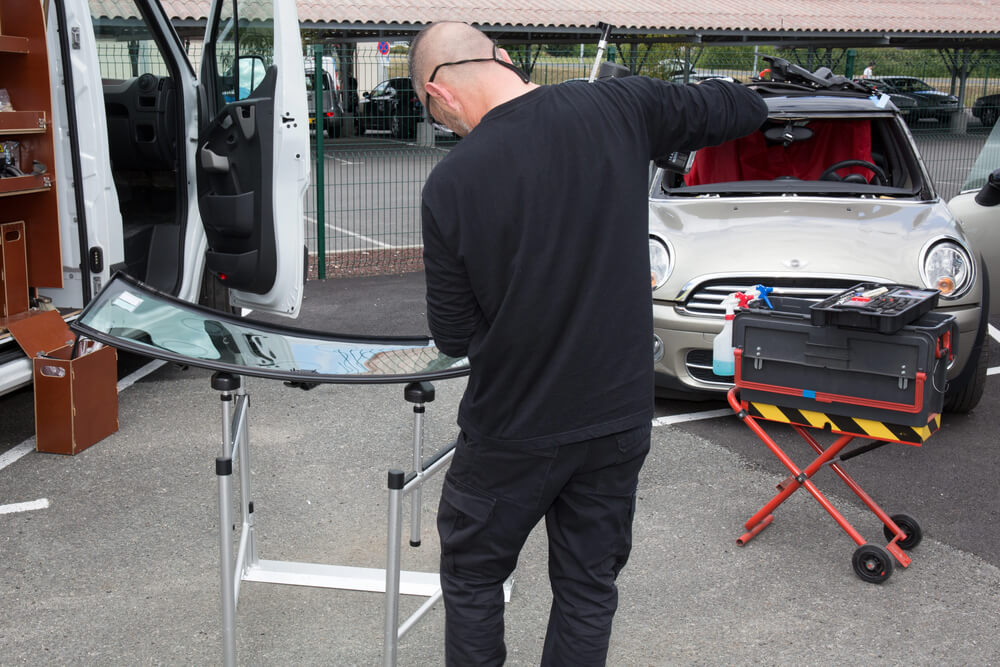
A good installer is not just swapping glass. They are checking fit, using the correct adhesive, watching cure times, handling trim carefully, and accounting for any sensor or camera setup your vehicle needs. That kind of work protects you from the most frustrating windshield replacement issues before they start.
If you need mobile service, speed matters. But accuracy matters more. A fast appointment is helpful only if the windshield is installed correctly the first time.
When the job is done right, your windshield should be quiet, clear, watertight, and ready for the road - which is exactly how it should feel when you drive away.