A small crack rarely stays small for long. One hot afternoon in a Texas parking lot or one rough stretch of highway can turn a minor windshield issue into a bigger safety problem. If you are searching for how to repair windshield crack damage, the first thing to know is simple: some cracks can be repaired, and some should be replaced right away.
That distinction matters because your windshield does more than block wind and rain. It supports the structure of the vehicle, helps with airbag performance, and keeps your visibility clear. A quick fix can save time and money when the damage is minor, but using the wrong approach on the wrong crack can waste both.
How to Repair Windshield Crack the Right Way
The best repair method depends on the size, depth, and location of the damage. In general, a very small crack or chip that has not spread too far may be repairable with a resin-based windshield repair kit. If the crack is long, reaches the edge of the glass, blocks the driver’s view, or has started branching, replacement is usually the safer choice.
For drivers trying to act fast, timing is a big factor. Dirt, moisture, and temperature swings can make a crack harder to repair cleanly. That is why early action gives you the best shot at a successful repair.
Start by checking the crack size and location
Before you buy a kit or schedule service, inspect the windshield closely. A short surface crack may be a candidate for repair. A longer crack, especially one over several inches, is far less likely to hold up well after a patch. The same goes for damage along the outer edge of the windshield, where the glass is under more stress.
If the crack sits directly in your line of sight, even a technically repairable spot may still leave a slight mark after service. That can be distracting while driving at night or in bright sun. In that case, replacement is often the better call.
Clean the area, but do not overdo it
If you plan to try a DIY repair, keep the damaged area dry and free of debris. Use a clean, dry cloth to gently wipe around the crack. Avoid pressing on the glass, and do not pour household cleaners into the damaged area. Soap residue or moisture can interfere with the resin.
A common mistake is waiting too long after taping over the crack with whatever is handy. Tape can keep out dirt for a short time, but it is not a repair. It is just a temporary way to protect the area until you can address it properly.
Use a windshield repair kit for minor damage only
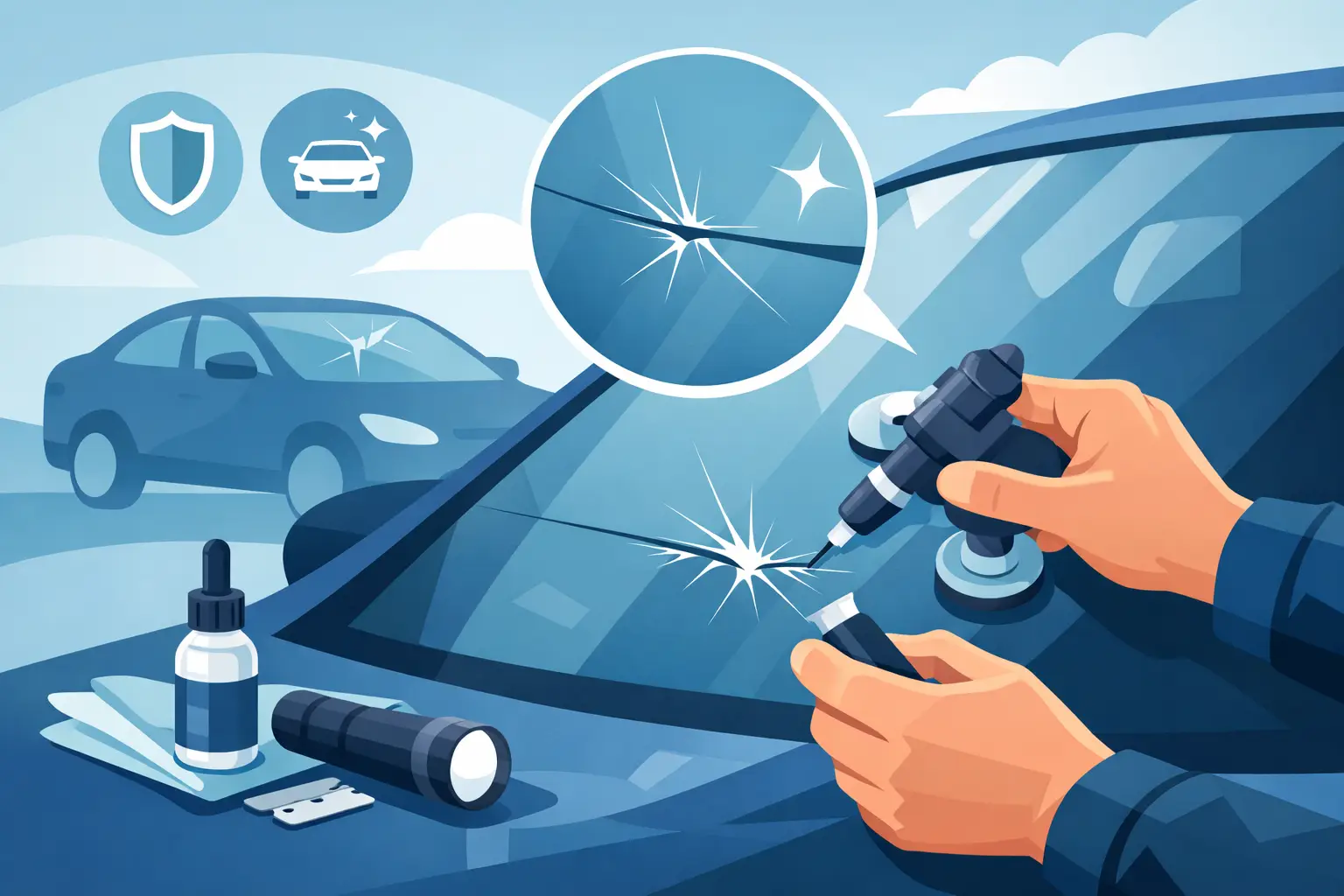
Most DIY kits work the same basic way. They use clear resin and an applicator that helps force the material into the damaged section of glass. Once the resin fills the crack or chip, it cures and reduces the visibility of the damage while helping stop it from spreading.
Follow the kit instructions closely because cure times and steps vary. Usually, the process includes placing the applicator over the damaged area, injecting the resin, allowing air bubbles to escape, curing the resin, and then scraping off excess material with a razor blade.
This can work well for small chips and short cracks, but results vary. A home kit will not make damage disappear completely, and it will not restore the windshield the same way professional equipment can. It is more of a practical stopgap than a perfect cosmetic fix.
When DIY Windshield Crack Repair Is Not Enough
A lot of drivers ask how to repair windshield crack damage at home because they want to avoid the hassle of a shop visit. That makes sense. But there are clear situations where trying to handle it yourself creates more risk than savings.
If the crack has spread across a large section of the glass, if you can feel it on both sides of the windshield, or if there are multiple impact points, the glass is likely too compromised for a basic repair. The same goes for cracks that formed after a more serious impact. At that point, you are not just dealing with appearance. You are dealing with structural strength.
For busy drivers in areas like Dallas, Irving, or Fort Worth, mobile service often makes more sense than a DIY attempt that may or may not hold. A technician can inspect the damage on-site and tell you right away whether repair is still possible or if replacement is the safer route.
Signs you need professional repair or replacement
Some warning signs are easy to spot. If the crack keeps growing from day to day, repair odds are dropping. If it reaches the edge of the windshield, replacement becomes much more likely. If it interferes with advanced driver assistance features or sensors mounted near the glass, correct installation matters even more.
There is also the issue of weather. In the DFW area, rapid temperature changes can make existing cracks spread faster than people expect. Running the defroster on a cold morning or blasting the AC on a hot windshield can add stress to already damaged glass.
What Professional Windshield Crack Repair Does Better
Professional repair is about more than filling a crack. Technicians use specialized tools that create better pressure and vacuum during resin injection, which helps produce a cleaner bond. They can also evaluate damage patterns that a typical driver may misread.
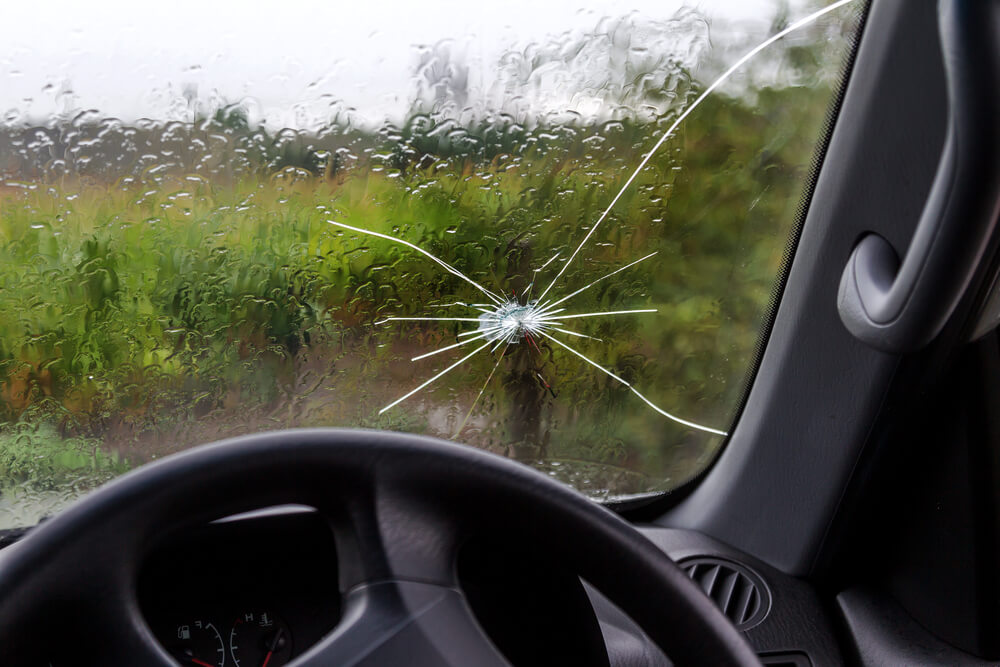
That matters because not all cracks behave the same way. A star break, bullseye chip, combination break, and linear crack each respond differently to repair. What looks minor from outside the car may be deeper than expected.
A qualified tech can also tell you when repair would only delay the inevitable. In those cases, replacement saves you from paying twice.
Repair versus replacement comes down to safety and value
Drivers sometimes assume repair is always the cheaper and smarter option. Not necessarily. If a crack is likely to continue spreading, a low-cost repair now may just be followed by a full replacement later. On the other hand, if the damage is small and stable, repairing it early can extend the life of the windshield and keep costs down.
The right choice depends on the condition of the glass, not just the price of the service.
Common Mistakes Drivers Make With Cracked Windshields
One mistake is ignoring the damage for a week or two because the car still feels drivable. Windshield damage tends to worsen at the worst time, during a commute, in bad weather, or when you are already late.
Another mistake is assuming all cracked glass can be fixed with a store-bought kit. Some can. Many cannot. The kit may reduce the look of the crack without solving the underlying weakness.
Drivers also sometimes slam doors harder than usual or hit potholes without thinking about the stress it puts on damaged glass. Once a crack starts, vibration and pressure can make it spread faster.
How to Protect the Windshield Until It Is Fixed
If you cannot get immediate service, try to keep the vehicle parked in a shaded or covered area. Avoid extreme temperature swings when possible. Do not use very hot water to defrost the windshield, and do not blast the defroster at full heat right away.
Drive gently, especially on rough roads, and avoid car washes until the crack is evaluated. Water pressure can push moisture into the damaged area, making repair more difficult.
If the crack suddenly lengthens or starts obstructing your vision, stop treating it as a minor issue. That is the point where prompt professional service matters most.
Choosing the Fastest Option When You Need Help Now
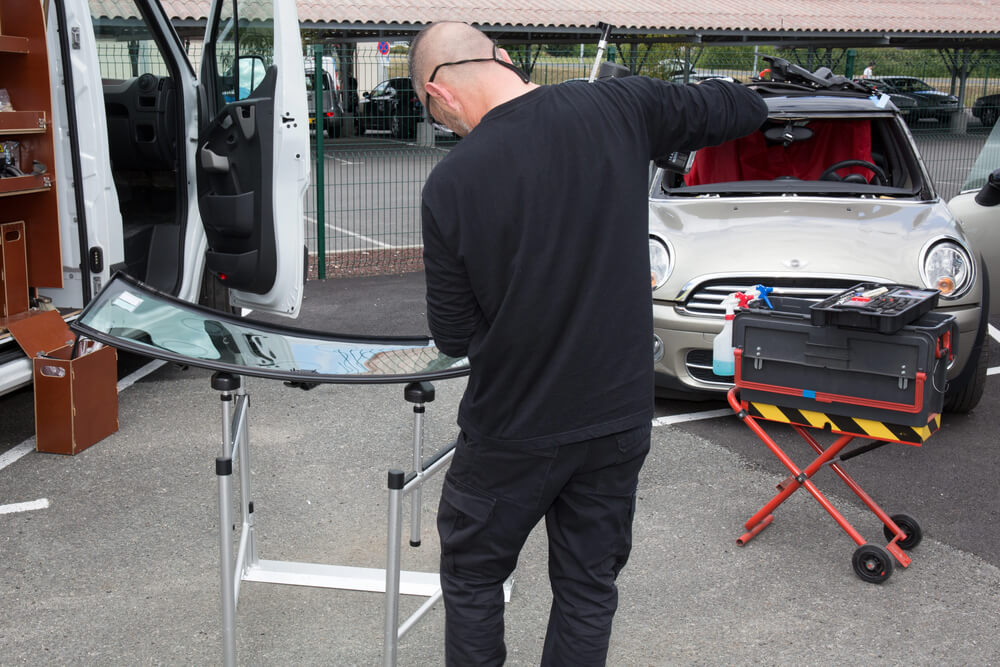
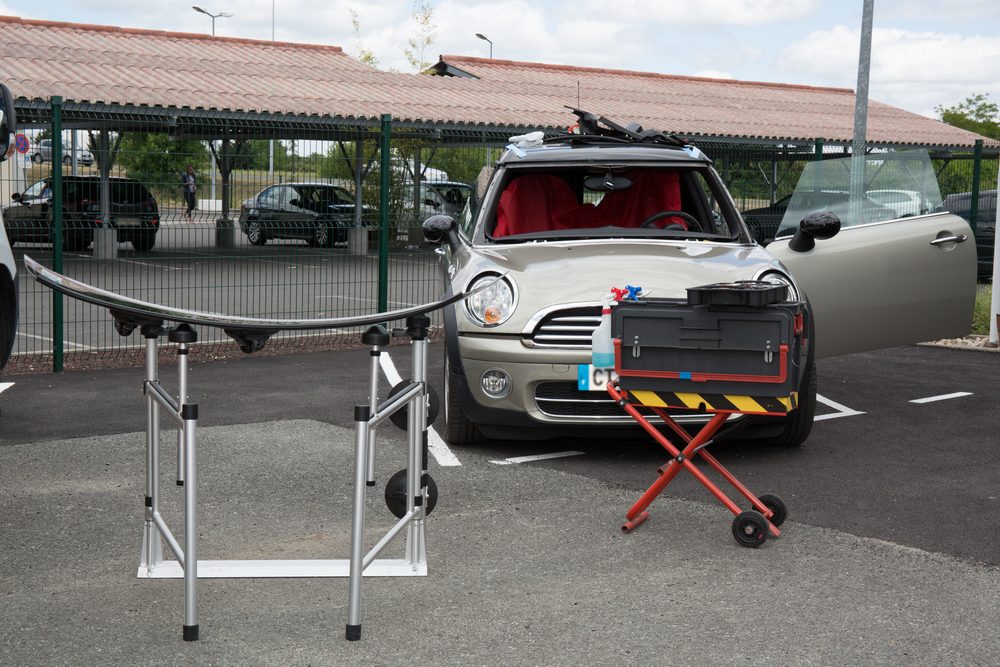
For many people, the real question is not just how to repair windshield crack damage. It is how to fix it without losing half a day. That is where mobile auto glass service has a real advantage. Instead of rearranging work or family schedules, you can have the glass inspected and repaired at home, at the office, or wherever the vehicle is parked.
For drivers around the DFW area, that convenience is often the difference between handling the problem today and putting it off until the crack gets worse. Mid Cities Auto Glass works with that reality by bringing service directly to customers who need a quick repair decision without the extra trip.
A cracked windshield does not always mean replacement, but it always deserves quick attention. The smartest move is to catch the damage early, avoid shortcuts that do not fit the situation, and choose the fix that protects both your view and your time on the road.