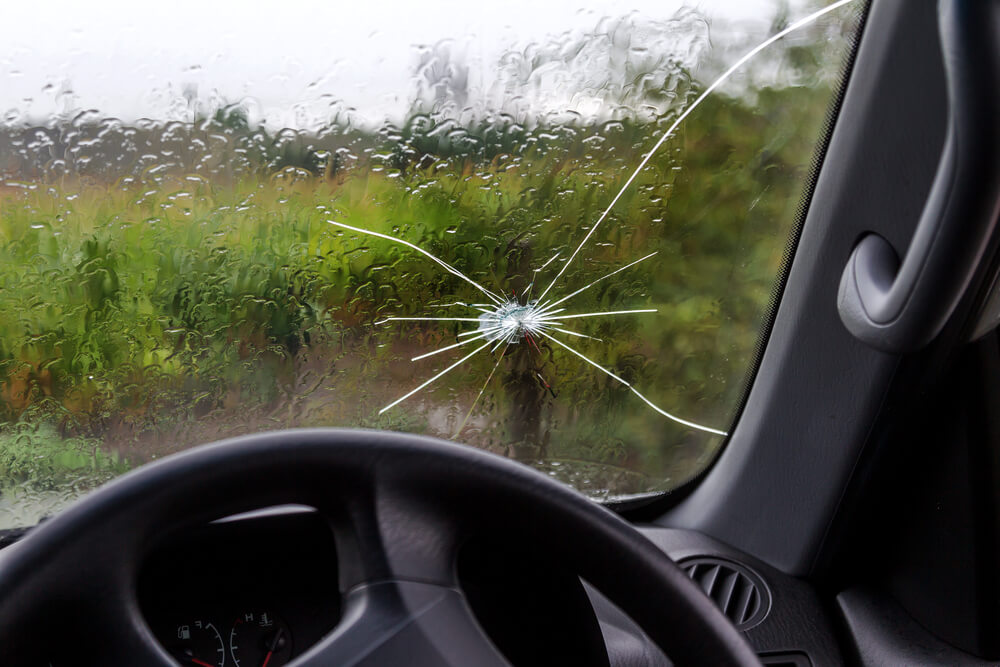
A rock chip can look minor when you spot it in the morning, then become a long crack by the time you reach the office. That is a common problem for Dallas-Fort Worth drivers dealing with highway speeds, rough roads, heat, and daily parking lot temperature changes. Windshield replacement for commuters is about more than getting the glass changed. It is about keeping your visibility clear, protecting the vehicle’s safety systems, and avoiding a problem that interrupts your workday.
For someone who drives every day, waiting is usually the expensive choice. A windshield crack does not schedule itself around your commute. It can spread across the driver’s line of sight after a hard bump, a cold front, or an afternoon of Texas sun.
When a Commuter Needs Windshield Replacement
Not every damaged windshield needs to be replaced. A small, recent chip may be repairable when the damage is outside the driver’s direct viewing area and has not developed into a crack. Repair is often faster and preserves the original factory glass.
Replacement becomes the better call when the glass can no longer provide a clear, stable view of the road. A technician should assess the location, size, depth, and type of damage before recommending the next step. The edge of a windshield is especially important because damage there can weaken the overall structure of the glass.
Replacement is commonly needed when you notice:
- A crack that reaches or starts near the windshield’s edge
- Damage directly in front of the driver’s normal viewing area
- Multiple chips or cracks in different areas of the glass
- A crack that keeps growing after temperature changes or road vibration
A windshield also supports the roof structure in many vehicles and helps the passenger-side airbag deploy correctly. That does not mean every blemish is an emergency, but it does mean a long or obstructive crack is not something to put off for several weeks.
Why Daily Driving Makes Small Damage Spread
Commuters put their vehicles through conditions that make glass damage unpredictable. Highway traffic kicks up gravel and debris. Construction zones create more opportunities for impact. Then, after the drive, a car may sit in direct sun while the cabin temperature climbs far above the outdoor temperature.
Glass expands and contracts as temperatures change. A chip that held steady during a mild morning can spread when the windshield heats up, cools rapidly in rain, or gets hit by cold air conditioning from inside the cabin. Road vibration adds another source of stress, particularly on longer commutes through Dallas, Irving, Richardson, Addison, or Fort Worth.
There is also a practical issue: damage that is merely annoying on Saturday can become unsafe during a rush-hour drive into the sun. Light catches cracks and chips differently depending on the angle. At night, oncoming headlights can make a damaged spot glare or distort what you see ahead.
Mobile Windshield Replacement Fits a Workday
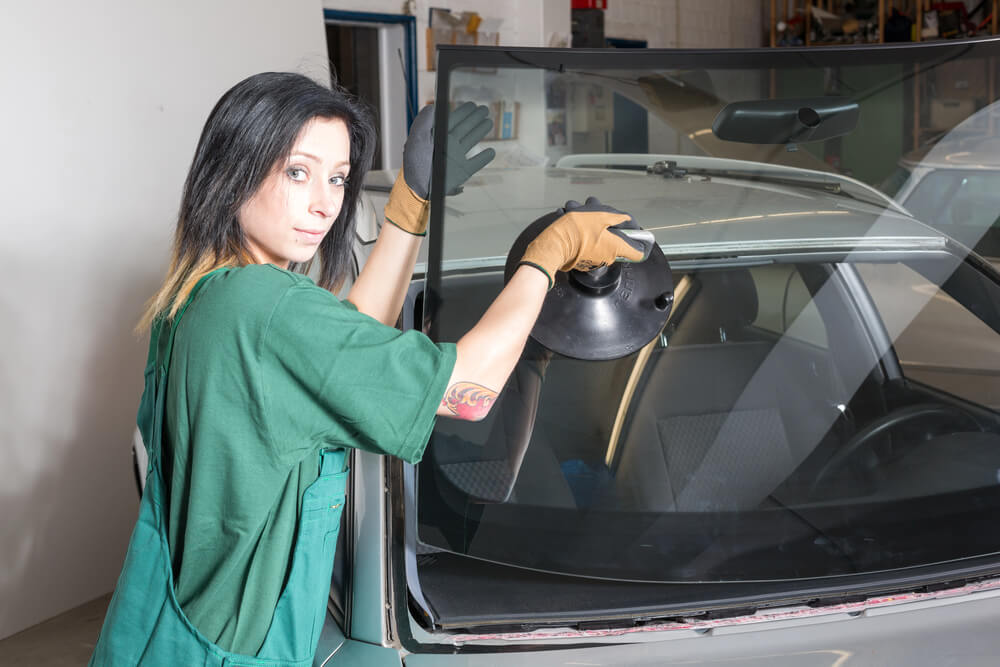
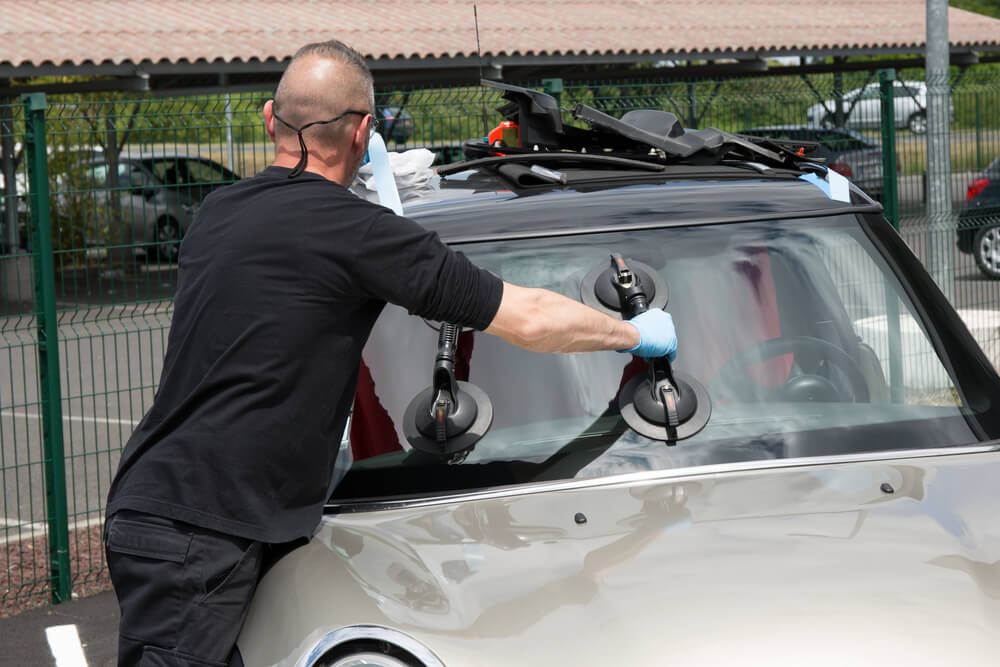
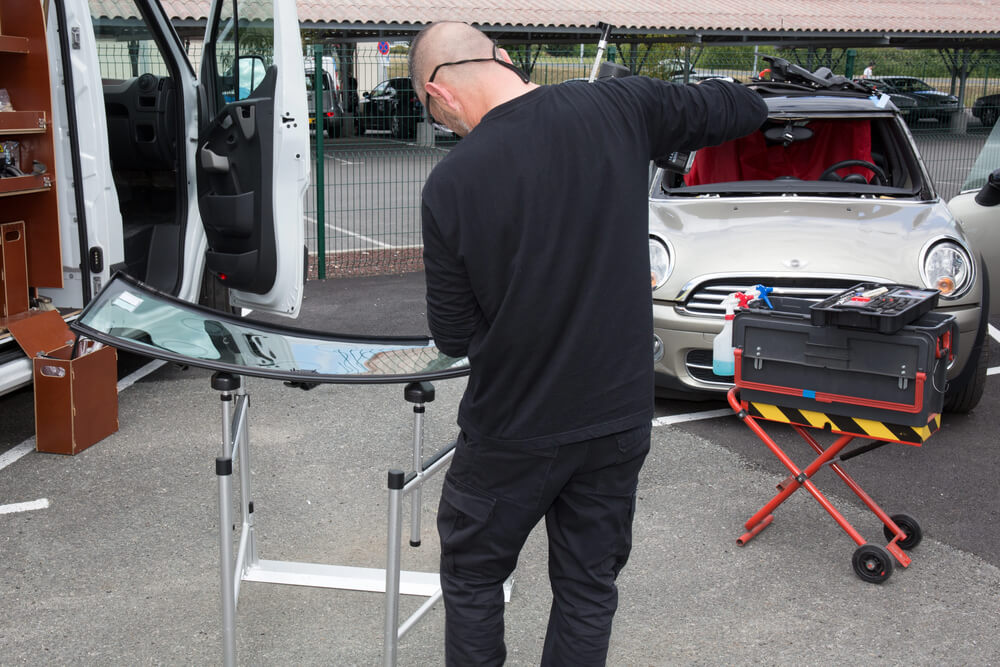
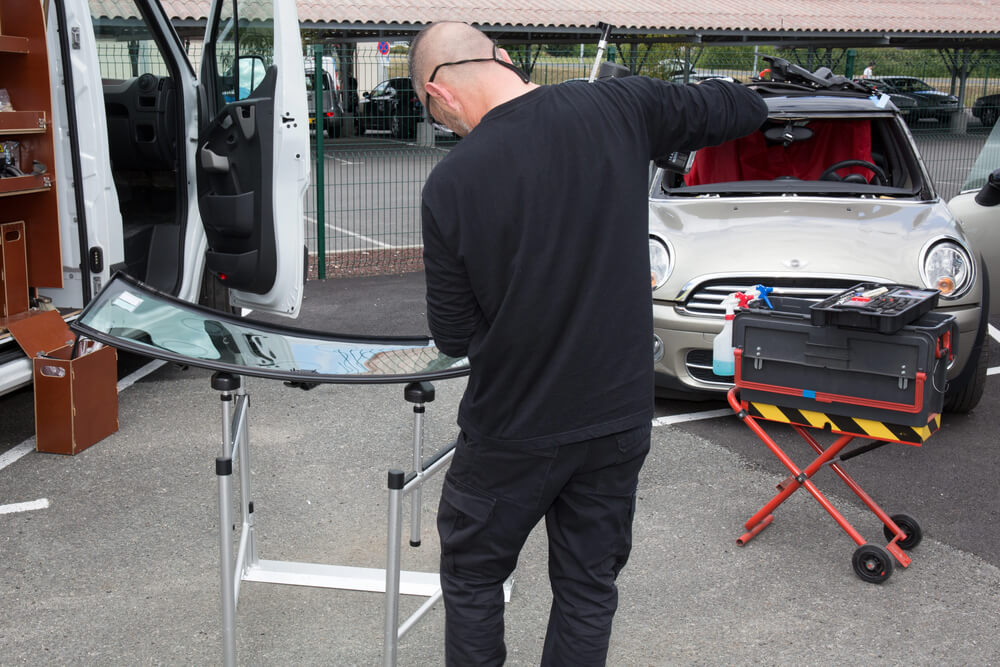
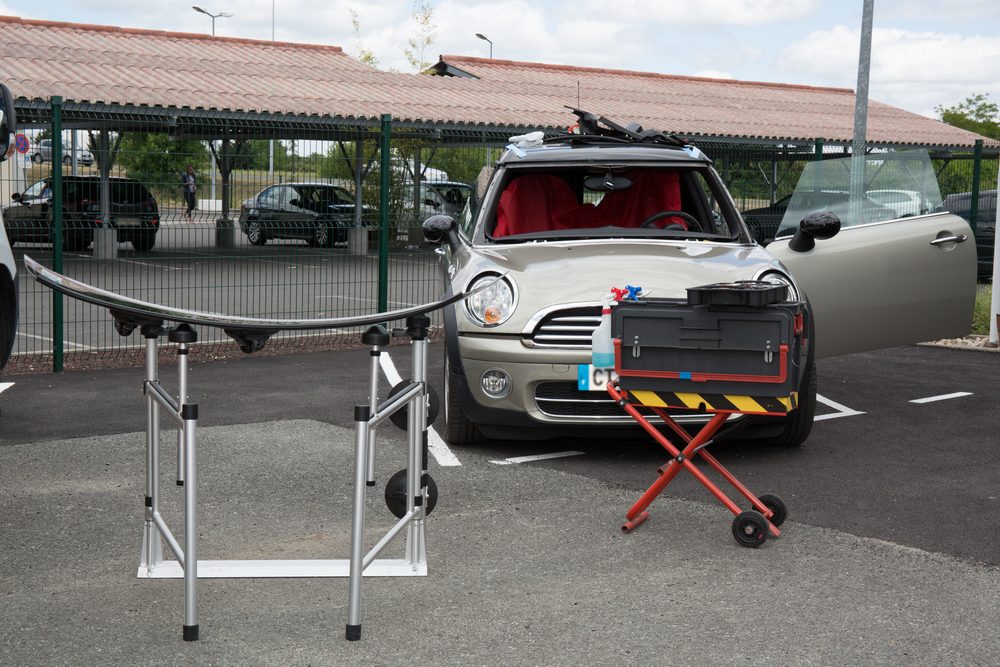
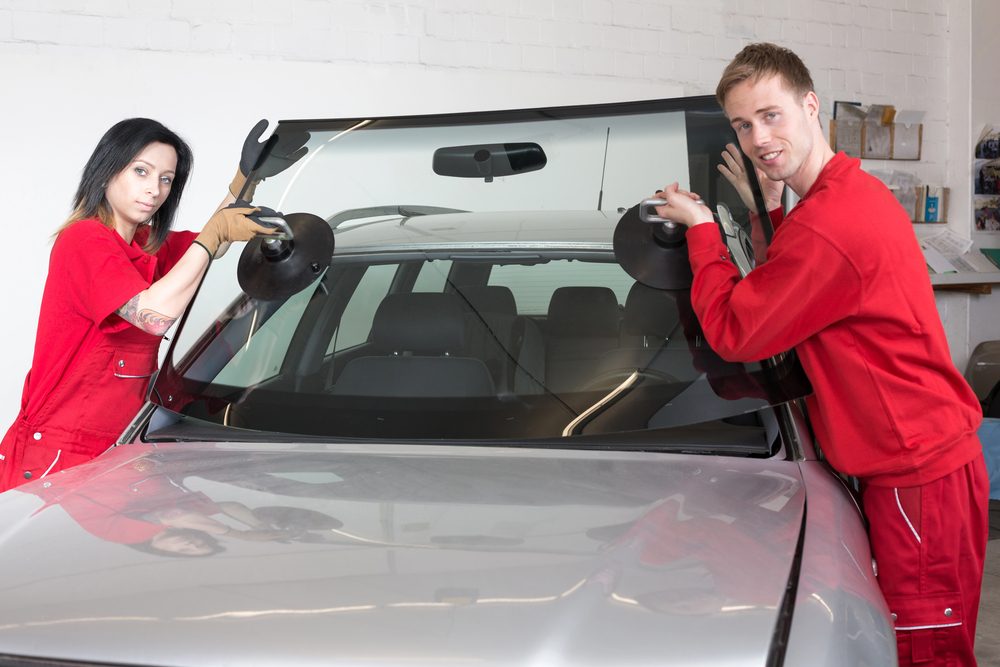
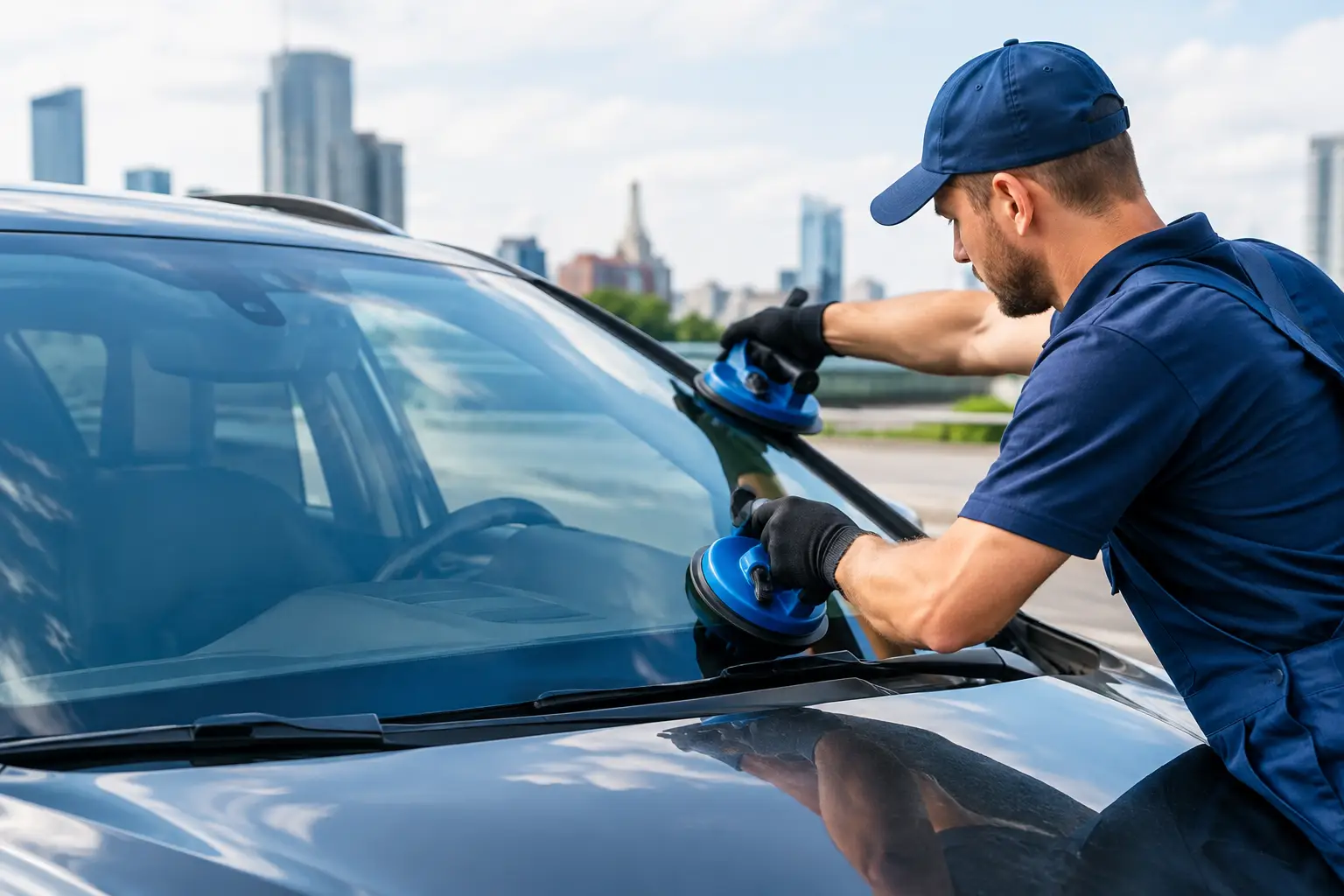
A replacement should not require losing half a day in a waiting room if your schedule is already full. Mobile auto glass service allows a qualified technician to come to a home, office, or another approved location with enough room to work safely.
For commuters, that can mean arranging service while the vehicle is parked at work or scheduling it at home before the next workday. The exact setup depends on weather, parking access, and the vehicle. Heavy rain, high winds, or a tightly packed garage may require a different location or a reschedule to protect the installation quality.
Before the appointment, remove personal items from the dashboard and front seats. If your vehicle has parking permits, toll tags, dash cameras, or other accessories attached to the glass, mention them when requesting service. Clear communication helps the technician arrive with the right windshield and understand any features that need attention.
At Mid Cities Auto Glass, mobile service is designed around the fact that most drivers cannot simply stop commuting because their windshield needs attention. The goal is to handle the glass issue where your vehicle already is, without adding an unnecessary trip across town.
What Happens During a Windshield Replacement
A professional replacement starts with confirming the vehicle information and inspecting the damage. Windshields are not interchangeable just because two vehicles look similar. The correct glass may depend on the year, make, model, trim level, rain sensors, acoustic glass, heating elements, heads-up display, or camera equipment.
The technician removes the damaged windshield, prepares the mounting surface, and installs the replacement glass using the appropriate adhesive. Proper preparation matters. Old adhesive, corrosion, or contamination around the frame can affect the bond if it is not addressed correctly.
After installation, the adhesive needs time to cure. The safe drive-away time varies based on the adhesive used, weather conditions, and the vehicle. Your technician should tell you when the vehicle can be driven and provide practical care instructions. In many cases, it is smart to avoid slamming doors, washing the vehicle immediately, or removing retention tape until advised.
The service itself may be straightforward, but rushing the curing process is not a good trade-off. A little planning is better than assuming you can leave the moment the glass is in place.
Do Not Overlook Camera Calibration
Many newer vehicles have advanced driver-assistance systems, often called ADAS. A forward-facing camera near the rearview mirror may support features such as lane departure warnings, lane-keeping assistance, adaptive cruise control, automatic emergency braking, or traffic sign recognition.
When the windshield is replaced, that camera may need calibration so it can read the road correctly through the new glass. This is not an optional cosmetic step when the vehicle manufacturer requires it. Without proper calibration, the system may not operate as intended or may show warning messages.
Ask about calibration when you request a quote, especially if your vehicle has a camera mounted behind the windshield. Some vehicles need static calibration using targets and equipment, while others use a dynamic procedure that requires driving under specific conditions. The right process depends on the vehicle, not on convenience alone.
Insurance, Cost, and the Right Time to File a Claim
The cost of windshield replacement for commuters depends on the vehicle and the glass features. Basic windshield glass generally costs less than glass with cameras, sensors, heating, specialized tinting, or display technology. Calibration can also affect the total price.
Comprehensive auto insurance may cover windshield damage, subject to your deductible and policy terms. If your deductible is close to or higher than the out-of-pocket replacement cost, paying directly may make more sense. If the damage is extensive or your policy includes glass coverage, a claim can be worth considering.
The best approach is to get clear information before the work begins. Confirm whether the quoted price includes the correct windshield, molding or related materials when needed, mobile service, and calibration if applicable. A low initial number is not useful if essential work appears later as an unexpected add-on.
How to Protect a New Windshield on the Commute
You cannot avoid every rock on North Texas roads, but a few habits can lower the odds of another chip. Leave extra following distance behind gravel trucks, construction vehicles, and cars traveling on loose shoulders. Avoid blasting a hot windshield with cold water, and do not direct the defroster at maximum heat onto already damaged glass.
If a new chip appears, cover it from dirt and moisture if possible and arrange an inspection soon. Do not press on the damaged area or try a do-it-yourself repair if the chip is already contaminated, cracked, or in the driver’s view. Quick professional evaluation gives you the best chance of a repair instead of another replacement.
Your commute already demands enough attention. A clear windshield lets you focus on traffic, not on a crack slowly moving across the glass.