A cracked windshield can turn an ordinary drive into a problem fast. Windshield installation is not just a matter of putting new glass in the opening - it is a safety repair that affects visibility, roof support, airbag performance, and the cameras or sensors built into many newer vehicles.
For busy drivers, the goal is simple: get the right glass installed correctly without losing a full day at a repair shop. Mobile service can make that possible at home, at work, or wherever the vehicle can be safely accessed. But the quality of the installation matters as much as the convenience.
When Windshield Installation Is the Right Call
Not every damaged windshield needs replacement. A small rock chip or short crack may be repairable if it is outside the driver's main line of sight, has not spread too far, and has not penetrated deeply into the glass. Repair is usually faster and helps preserve the factory windshield.
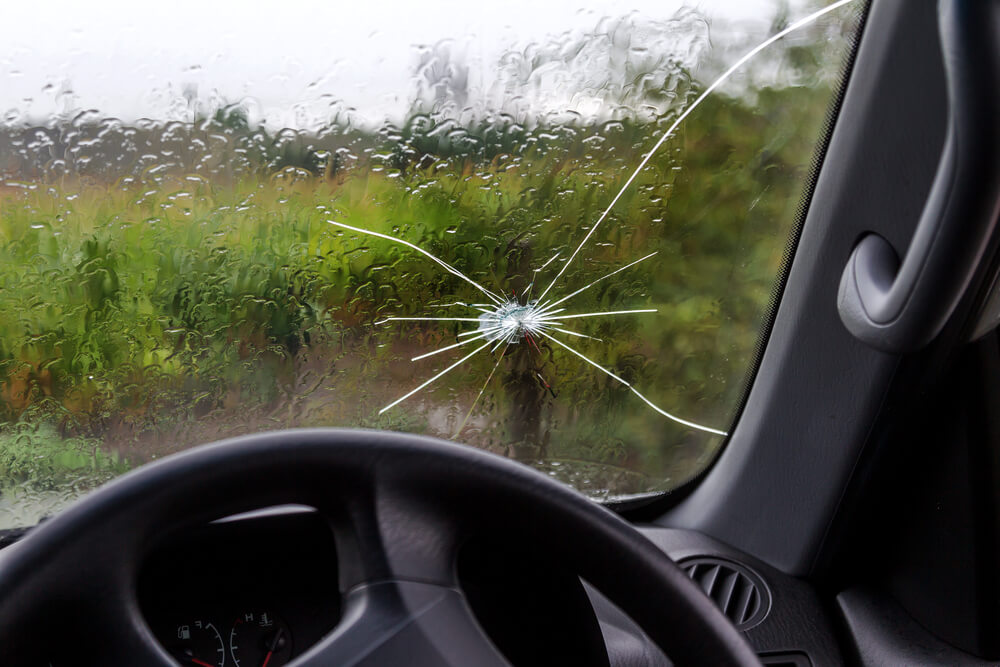
Replacement becomes the safer choice when a crack is long, branches in several directions, reaches the edge of the windshield, or sits where it interferes with clear vision. Damage near the edge can weaken the entire windshield because the outer perimeter is where the glass is bonded to the vehicle frame.
There are also cases where a chip looks minor but should not be ignored. Texas heat, road vibration, sudden temperature changes, and a hard door close can cause a small crack to spread without warning. If the damage is growing, schedule service before it becomes an urgent problem.
Why Proper Windshield Installation Matters
Your windshield does more than block wind and rain. It is part of the vehicle's safety structure. In many vehicles, the windshield helps support the roof in a rollover and provides a surface the passenger-side airbag may rely on as it deploys.
That is why a replacement needs the correct glass, proper surface preparation, and automotive-grade urethane adhesive applied in the right amount and pattern. Cutting corners on any of those steps can create wind noise, water leaks, poor fitment, or a weaker bond in a collision.
A good installer also checks the condition of the windshield frame. Rust, old adhesive, damaged molding, and debris can prevent the new windshield from bonding as intended. The glass should sit evenly in the opening, with trim and moldings installed securely.
Price matters, especially after an unexpected crack, but the lowest quote is not always the best value. Ask what glass will be used, whether new moldings are needed, whether calibration is included when applicable, and what safe drive-away time applies to your vehicle.
OEM, dealer, and aftermarket glass
Drivers often ask whether they need original equipment manufacturer, or OEM, glass. The answer depends on the vehicle, the available parts, insurance requirements, and features such as acoustic glass, heads-up displays, rain sensors, or advanced driver-assistance systems.
Quality aftermarket glass can be a practical choice for many vehicles and is made to meet applicable safety standards. OEM glass may be preferred when a vehicle has specialized options, when exact branding or fit is important to the owner, or when the insurer approves it. Dealer glass may come from the same manufacturing source as OEM glass, but the label and price can differ.
The best choice is not automatically the most expensive one. It is the glass that correctly matches your vehicle's specifications and is installed by a technician who verifies every required feature.
Mobile Windshield Installation: What to Expect
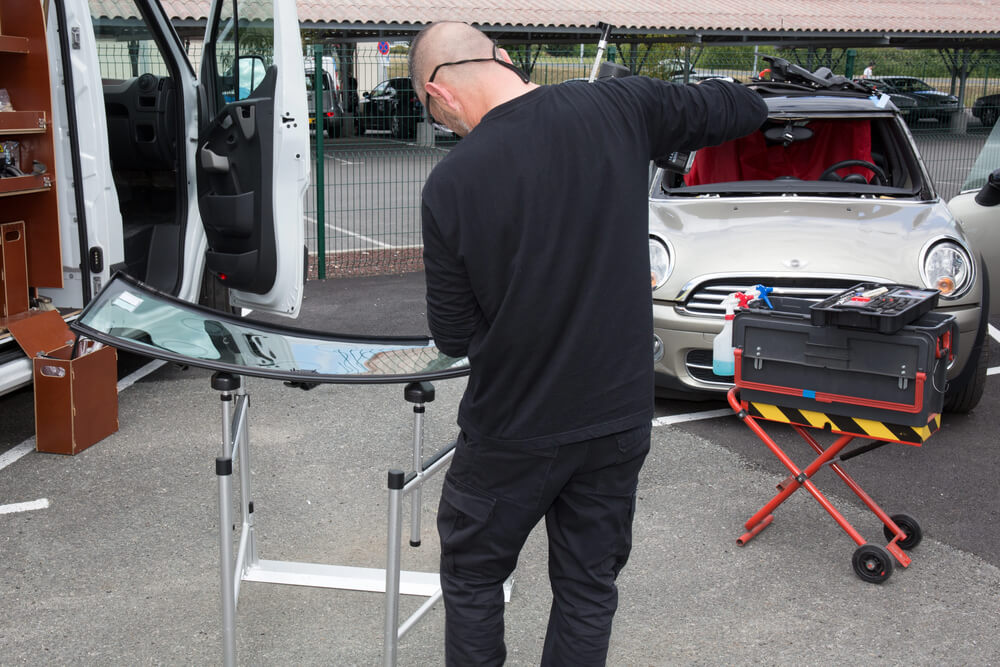
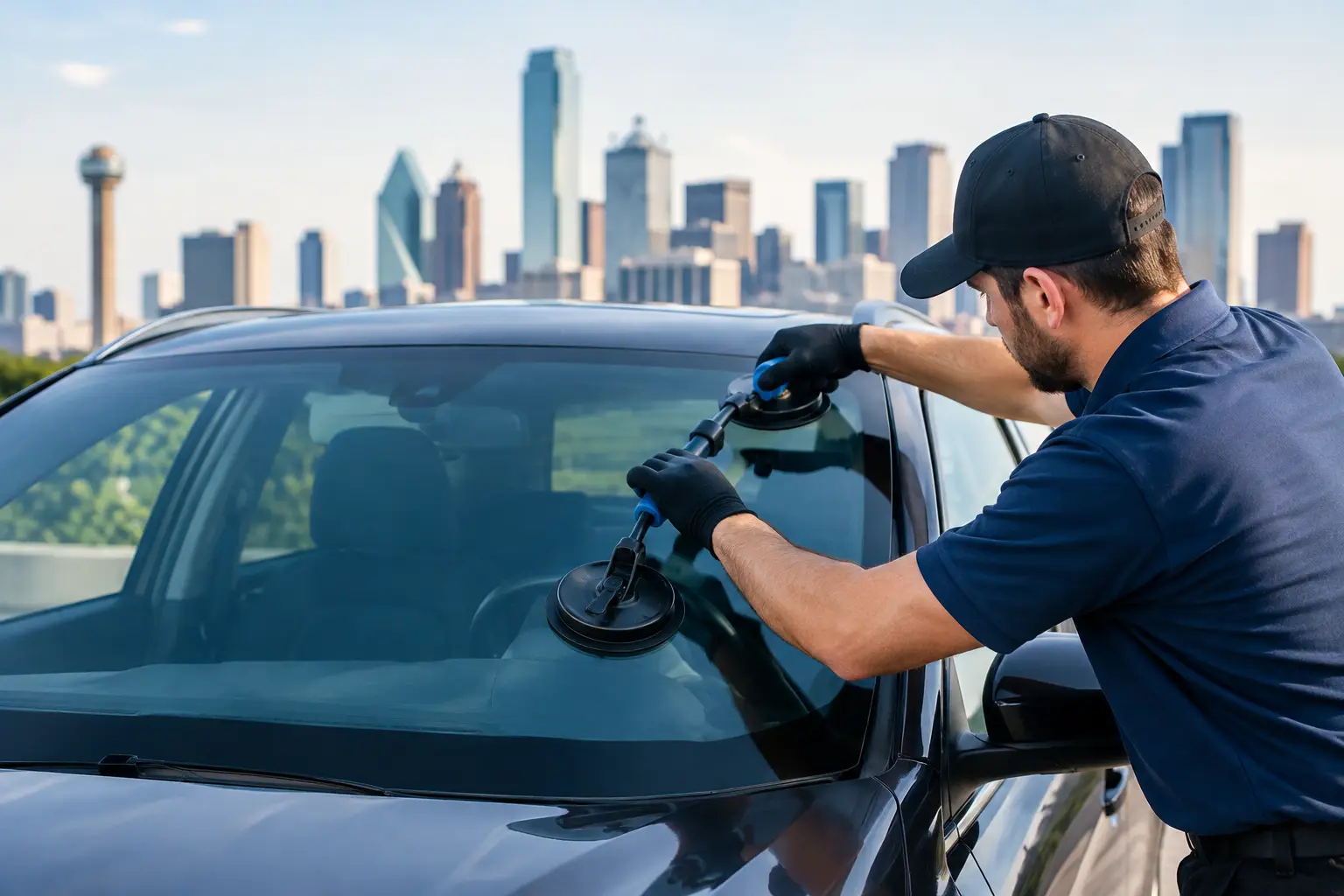
Mobile windshield replacement is designed for drivers who cannot easily leave a car at a shop. In Dallas, Irving, Addison, Richardson, Fort Worth, and nearby DFW communities, that can mean having a technician come to your driveway, office parking area, or another approved location.
The location still needs to be workable. Technicians need enough room around the vehicle, a stable surface, and weather conditions that allow the adhesive to cure properly. Heavy rain, high winds, extreme heat, or an exposed construction area can affect the job. In those situations, moving the appointment to a covered location or rescheduling may be the safer option.
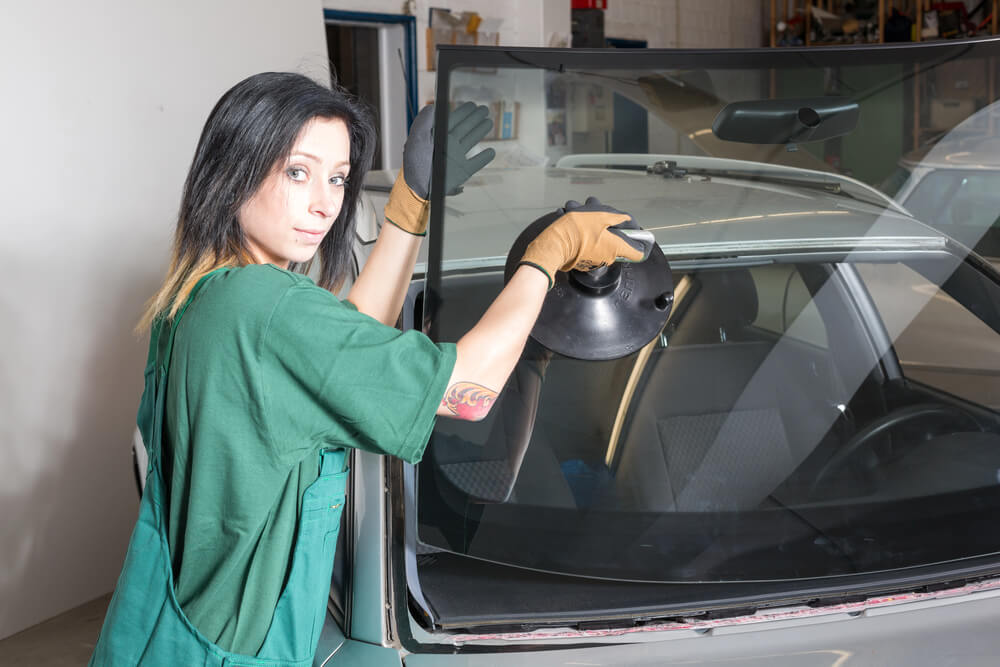
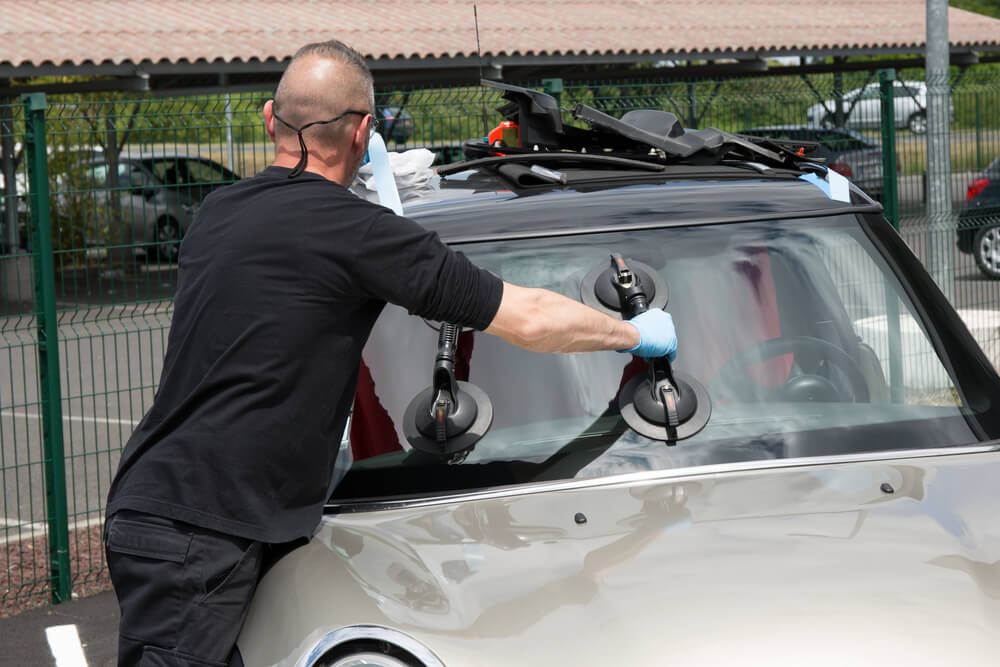
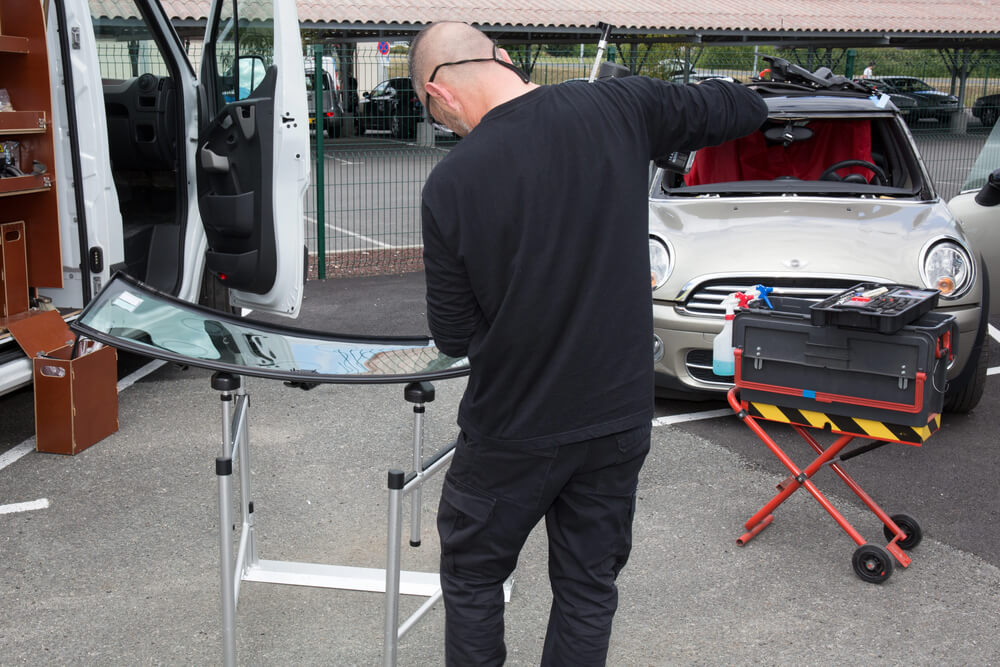
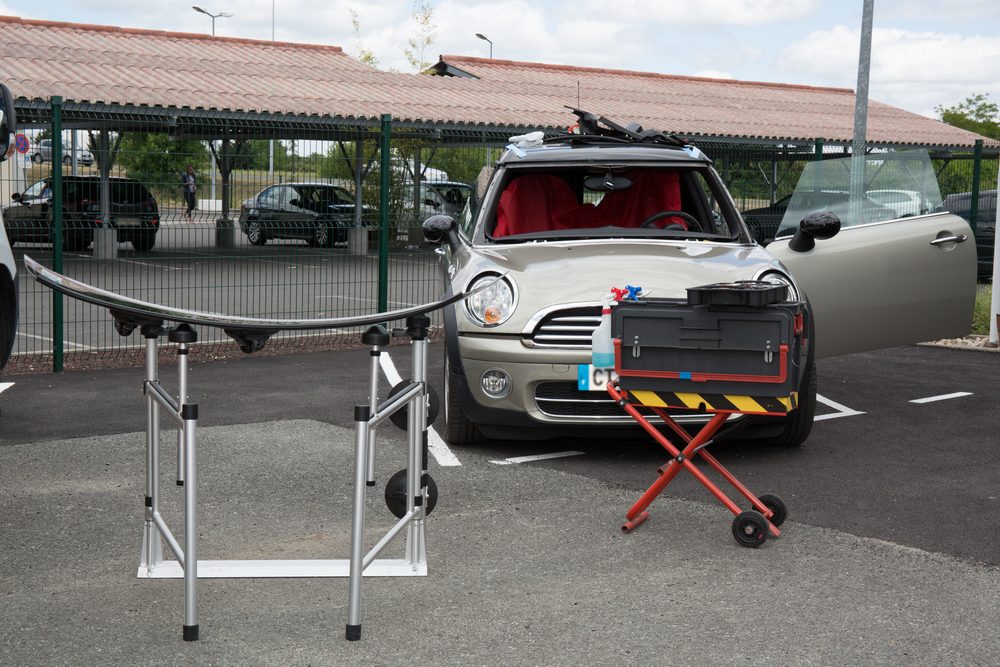
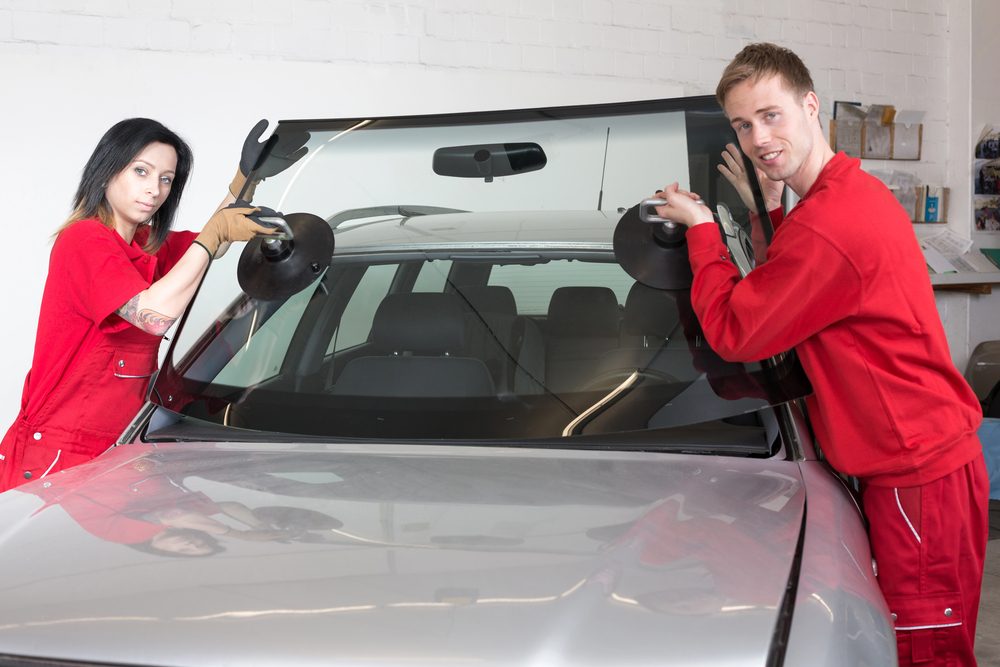
A typical appointment begins with confirming the vehicle details and inspecting the damage. The technician protects the hood and dashboard, removes the damaged windshield and old adhesive, prepares the frame, and installs the replacement glass with the proper urethane. Trim, wipers, cameras, sensors, and mirror components are reinstalled as needed.
The vehicle may look ready immediately after the glass is placed, but adhesive cure time still matters. Your technician should tell you when it is safe to drive. That time can vary based on the adhesive used, temperature, humidity, and vehicle design. Do not treat this instruction as a suggestion. Driving too soon can compromise the bond.
ADAS Calibration May Be Part of the Job
Many late-model vehicles use a forward-facing camera mounted near the rearview mirror. That camera may support features such as lane departure warnings, lane-keeping assistance, adaptive cruise control, automatic emergency braking, or traffic-sign recognition.
When a windshield is replaced, the camera's position can change by a very small amount. That is enough to affect how the system reads the road. If your vehicle requires ADAS calibration after windshield replacement, it should be completed according to the manufacturer's procedures.
Calibration can be static, using targets placed around the vehicle, or dynamic, requiring a road test under specific conditions. Some vehicles need one method, while others need both. A dashboard warning light, an error message, or a feature that seems to work normally does not prove calibration is unnecessary.
Before scheduling, provide the year, make, model, trim level, and vehicle identification number when possible. Mention any driver-assistance features, a heated windshield, rain-sensing wipers, a heads-up display, or antennas built into the glass. Accurate information helps ensure the correct windshield is ordered and the appointment is planned properly.
How to Care for a New Windshield
The first day after installation is when a few simple precautions can make a difference. Avoid car washes, high-pressure spray, and slamming the doors until the technician's recommended cure period has passed. If your vehicle has a window slightly open, keeping it cracked can reduce pressure changes inside the cabin when closing a door.
Leave any retention tape in place for the time recommended by the installer. It is there to hold exterior moldings and trim in position while the adhesive cures, not because the glass is loose. Avoid removing it early just because it is visible.
Over the next few days, listen for new wind noise and check for moisture after rain or washing the vehicle. Report concerns promptly. A reputable auto glass provider should want the replacement to fit correctly and perform as expected.
It also helps to replace worn wiper blades. Old blades can drag debris across the new glass, reduce visibility in rain, and leave marks that make night driving more difficult. Keep a little distance behind gravel trucks and construction vehicles when possible, especially on DFW highways where loose debris can become a flying hazard.
Questions to Ask Before You Book
Before approving a windshield replacement, make sure the company can clearly explain the glass option, installation process, expected appointment time, and safe drive-away instructions. Ask whether your vehicle needs ADAS calibration and whether that service is handled as part of the appointment.
If you are using insurance, ask about your deductible and whether the provider can work with your claim. A windshield claim may be covered differently from collision damage, depending on your policy. You do not need to guess - a clear estimate and a quick call to your insurer can prevent surprises.
For mobile service, confirm your exact location, vehicle availability, and whether the work area is protected from poor weather. Sharing photos of the damage can also help the technician determine whether repair remains possible or replacement is the better route.
Mid Cities Auto Glass focuses on making this process straightforward for drivers who need dependable mobile auto glass service without unnecessary downtime. The right appointment should leave you with clear visibility, correct fitment, and confidence that your vehicle is ready for the road.
A windshield crack rarely improves on its own. Address it while the damage is still manageable, follow the post-installation instructions, and give the new adhesive the time it needs to protect you when it matters.