A small rock chip on Monday can turn into a full crack by Friday, especially after a week of highway driving, heat, and rough roads. If you are wondering when to replace windshield damage, the short answer is this: replace it when the glass can no longer protect your visibility, your safety, or the structural strength of your vehicle.
That sounds simple, but real windshield damage is not always obvious. Some chips are repairable. Some cracks look minor but spread fast. And some damage sits right on the edge of the glass, where it can weaken the whole windshield more than drivers expect. Knowing the difference helps you act before a bad situation gets more expensive.
When to Replace Windshield Instead of Repairing It
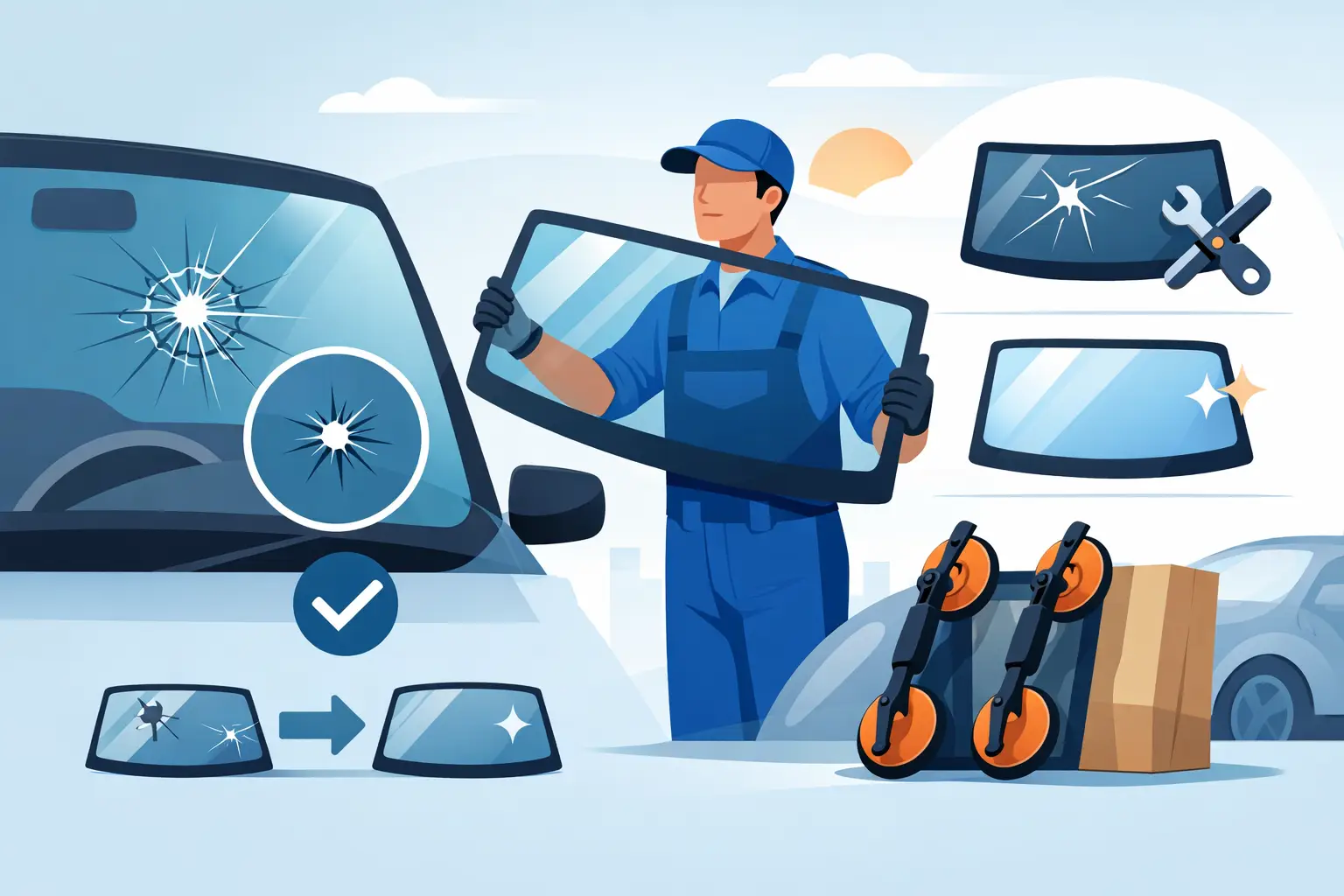
Windshield repair works best on small, simple damage. A clean chip that is limited to the outer layer of glass can often be filled before it spreads. Replacement becomes the better choice when the damage is larger, deeper, more complex, or placed in a critical area.
One of the biggest factors is size. A tiny chip is often repairable, but a long crack usually is not. Many drivers assume any crack can be sealed, but repairs have limits. Once the damaged area becomes too large, the glass may still be weak even after a resin repair.
Location matters just as much as size. If the crack is directly in the driver’s line of sight, replacement is usually the safer option. Even a well-done repair can leave a slight mark or distortion. That may not seem like much in a parking lot, but glare from headlights or afternoon sun can make that spot more distracting than expected.
Damage near the edges of the windshield is another warning sign. The edges help the whole windshield stay stable, so a crack there can spread quickly and reduce overall strength. In many cases, edge damage pushes the job from repair to replacement.
The number of damaged spots also matters. One chip is different from several chips scattered across the glass. Multiple impact points can weaken the windshield as a whole, even if each chip looks small by itself.
Signs Your Windshield Needs Full Replacement
There are a few situations where the answer to when to replace windshield glass is pretty clear.
If you have a crack longer than a few inches, replacement is often the safer call. If the crack is growing, that is another strong sign. Windshield cracks rarely get better on their own. They usually spread with vibration, temperature changes, and pressure from normal driving.
You should also expect replacement if the glass is chipped deeply enough to affect more than the outer layer. Modern windshields are made from laminated glass, which includes layers working together for strength and protection. Once damage goes beyond what a surface repair can stabilize, replacement is the right move.
Another clear sign is visible distortion. If the damaged area bends light, creates glare, or interferes with a clear view of the road, your windshield is no longer doing one of its most basic jobs. The same goes for pits and chips that sit where you constantly look while driving.
If your vehicle has driver-assistance features tied to the windshield, replacement decisions can become even more important. Cameras and sensors used for lane departure alerts, emergency braking, and similar features depend on proper glass condition and correct installation. Damage around those areas should be checked quickly.
Why Waiting Can Make the Problem Worse
A lot of drivers put this off because the damage seems manageable. The car still runs. The crack is not blocking the whole windshield. Life is busy.
The problem is that windshield damage is unstable. Heat in Texas can expand the glass. Running the AC on a hot windshield can stress it in the opposite direction. A pothole, a slammed door, or another piece of road debris can turn a small issue into a full-width crack.
Delaying service can also reduce your repair options. A chip that could have been fixed early may become a full replacement later. Dirt and moisture can get into the damaged area too, making a clean repair harder or impossible.
There is also the safety issue. Your windshield does more than block wind and bugs. It helps support the roof in a rollover and helps the passenger-side airbag deploy correctly in many vehicles. If the glass is compromised, that protection can be reduced.
Repair vs. Replacement Depends on the Damage Pattern
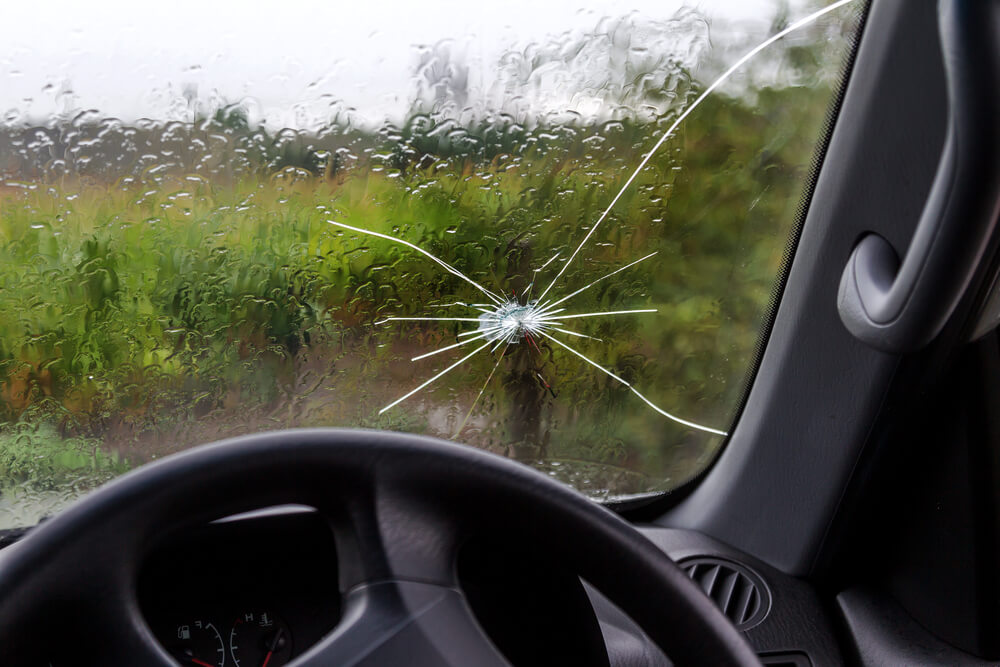
Not all cracks behave the same way. A small bullseye chip is different from a star break, and both are different from a long stress crack that runs across the glass. That is why photos help, but an in-person inspection is better.
Some damage looks minor but has branching lines that continue beneath the surface. Some chips are technically small but placed in exactly the wrong spot. Other times, a crack is short enough to seem repairable, but its depth or direction makes replacement the smarter option.
This is where practical judgment matters. The cheapest fix is not always the best one if it leaves you with weak glass or poor visibility. On the other hand, not every chip means you need a brand-new windshield. A good assessment should focus on safety first, then cost and convenience.
When to Replace Windshield Damage on Busy Schedules
For commuters, parents, and rideshare drivers, timing matters almost as much as the damage itself. If your windshield is getting worse and you are stacking up miles every day, waiting can be risky. Highway driving in Dallas or Fort Worth puts steady pressure on damaged glass, especially at speed.
That is one reason mobile service makes sense for many drivers. If the windshield needs repair or replacement, having a technician come to your home or workplace cuts down on downtime. You do not have to spend half a day arranging a shop visit just to handle something that should be fixed quickly.
For drivers who rely on their vehicle to earn income, this matters even more. A cracked windshield can affect safety, appearance, and customer confidence. Replacing it promptly is often cheaper than losing work or dealing with a crack that spreads at the worst possible time.
What to Expect During a Windshield Replacement
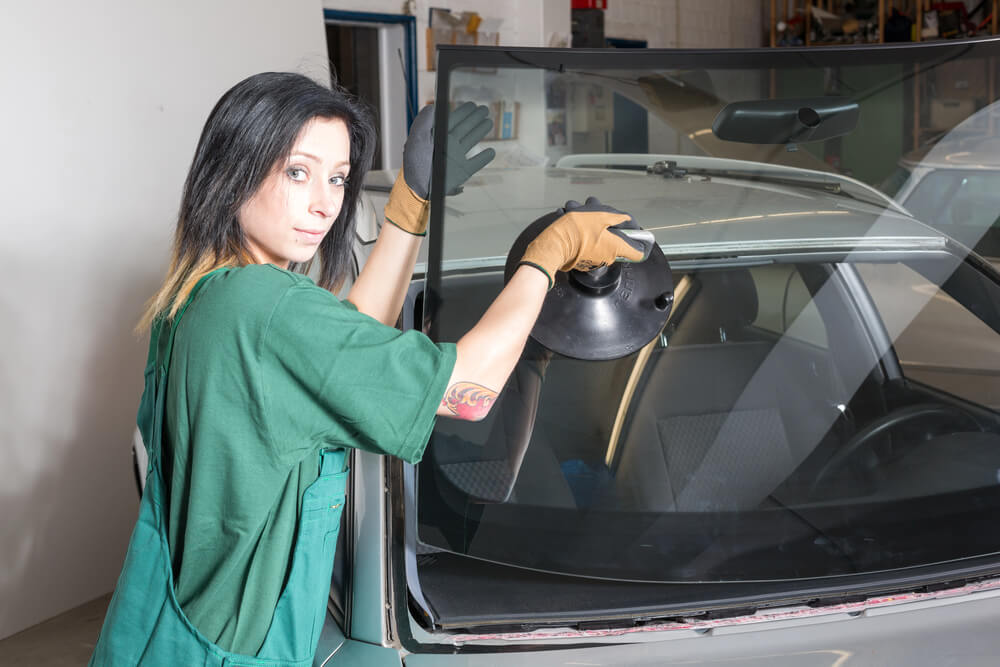
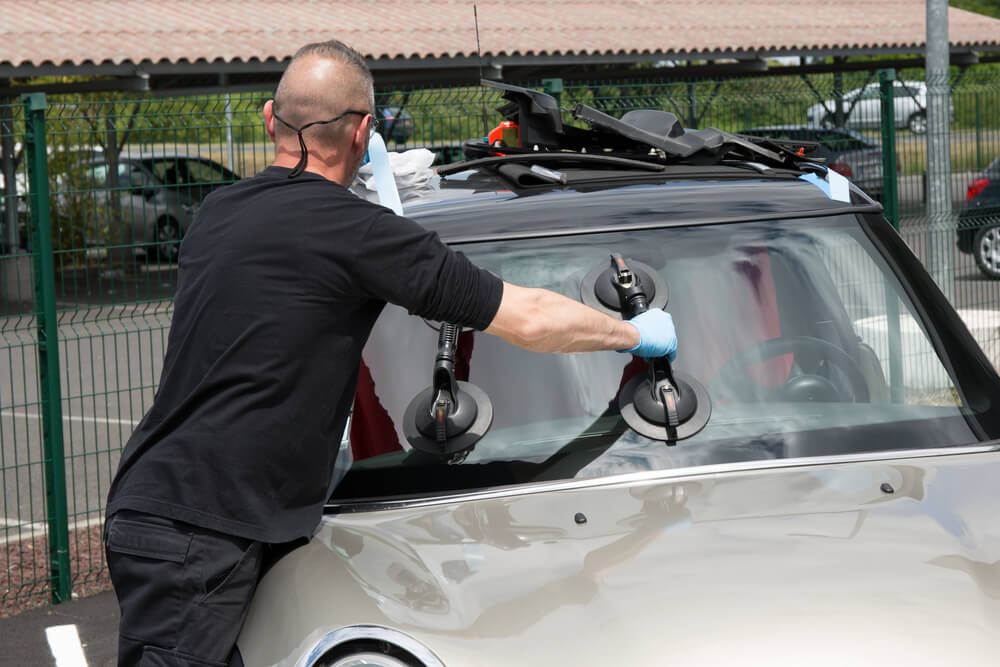
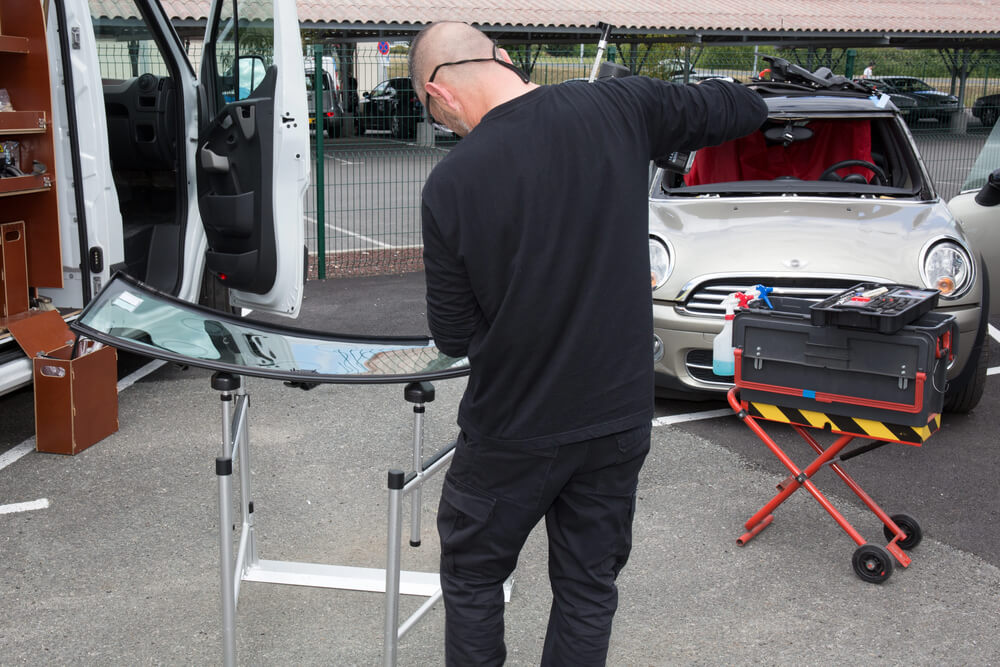
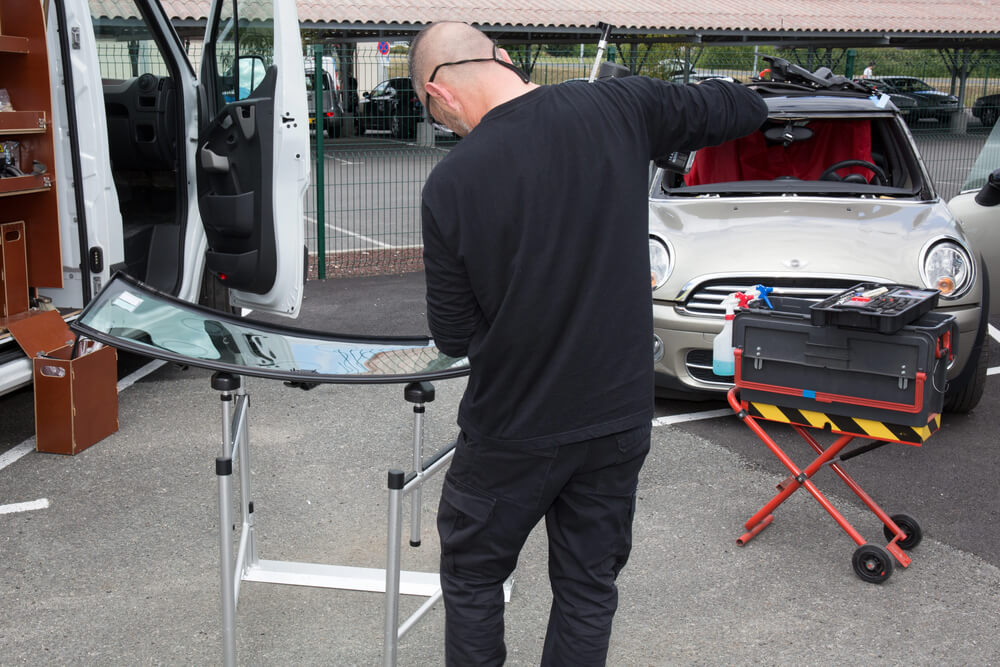
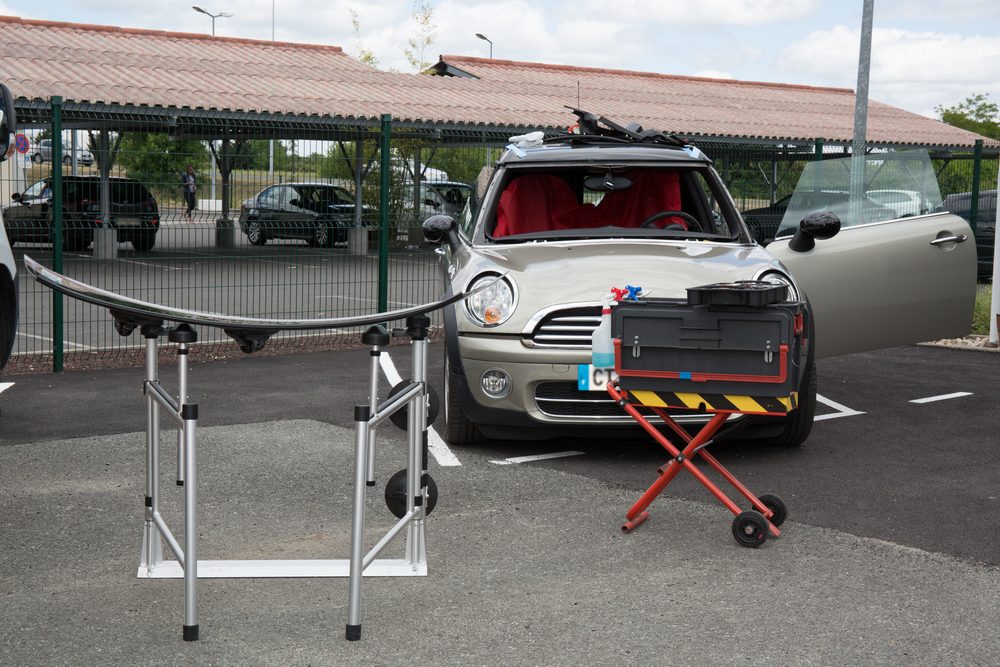
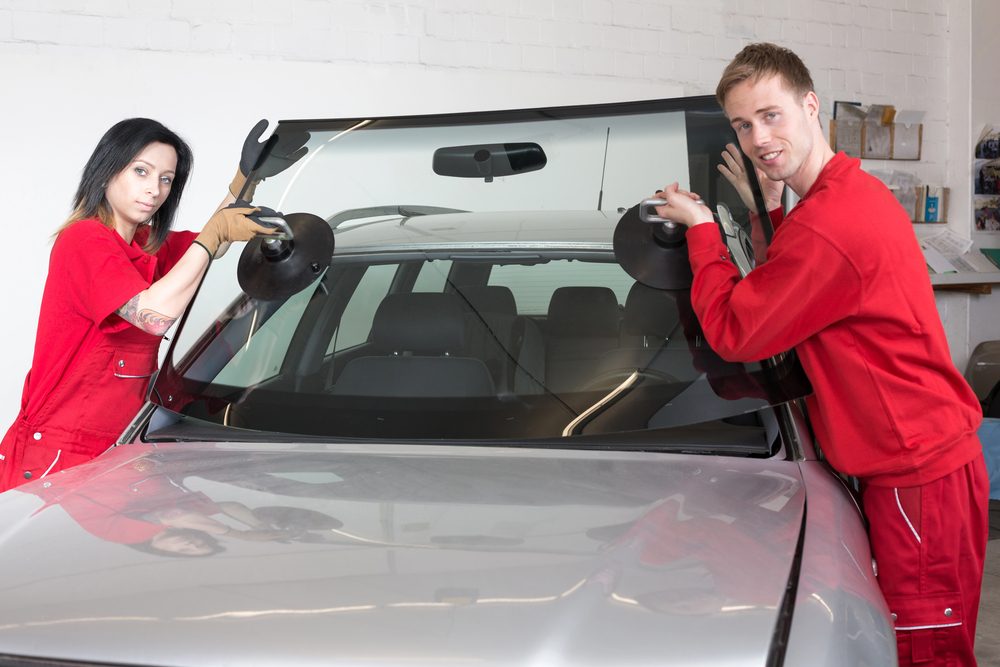
If replacement is necessary, the process is usually straightforward when handled by an experienced auto glass technician. The damaged windshield is removed, the frame is cleaned and prepared, and new glass is installed with the proper adhesive.
What matters most is not just getting new glass in place, but getting it installed correctly. A poor installation can lead to leaks, wind noise, and safety issues. If your vehicle includes advanced safety systems, recalibration may also be needed after the replacement.
Drivers sometimes ask whether they can keep using a cracked windshield for a little longer if they drive carefully. The honest answer is that careful driving does not stop temperature changes, road vibration, or sudden crack growth. Once the damage crosses the line from repairable to unsafe, replacement should not be pushed off.
A Simple Way to Decide
If the damage is small, isolated, and outside your line of sight, repair may be possible. If it is spreading, deep, near the edge, blocking visibility, or affecting multiple areas, replacement is usually the safer answer.
If you are not sure when to replace windshield damage, the best move is to get it checked before the crack gets worse. Mid Cities Auto Glass helps drivers across the DFW area with mobile inspections, repairs, and replacements that come to you.
A windshield problem rarely picks a convenient time, but handling it early usually gives you more options, less stress, and a safer drive the next time you get on the road.