A windshield chip can look harmless when it first appears in a parking lot or on the drive to work. Then a hot Texas afternoon, a cold blast from the air conditioner, or one rough stretch of road turns that small mark into a spreading crack. Auto glass is a safety component, not just a clear barrier between you and the road, so the right response depends on the damage, its location, and how quickly it is addressed.
For drivers in Dallas, Irving, Richardson, Addison, and Fort Worth, mobile service can make the decision easier. A technician can inspect the damage where your vehicle is parked, explain whether repair is still an option, and complete the appropriate work without turning a glass problem into an all-day disruption.
Why Auto Glass Damage Should Not Wait
Your windshield supports more than visibility. It contributes to the structural strength of the vehicle, helps support the roof in a rollover, and provides a surface that allows airbags to deploy as designed. A crack or chip does not automatically mean the windshield will fail, but leaving damage untreated creates more uncertainty every time you drive.
Windshields are made from two layers of glass bonded around a plastic layer. That construction is why a damaged windshield often stays in place after impact. It is also why cracks can behave unpredictably. Heat causes glass to expand, cold causes it to contract, and road vibration puts stress on an already weakened area. What begins as a repairable chip can become a replacement job quickly.
Side and rear windows have a different construction. They are typically tempered glass, designed to break into small pieces instead of sharp shards. If a side window is shattered after a break-in or accident, repair usually is not possible. The practical solution is car window replacement, along with careful cleanup of broken glass from the door panel, seats, floor, and weather stripping.
When Auto Glass Repair Is the Better Choice
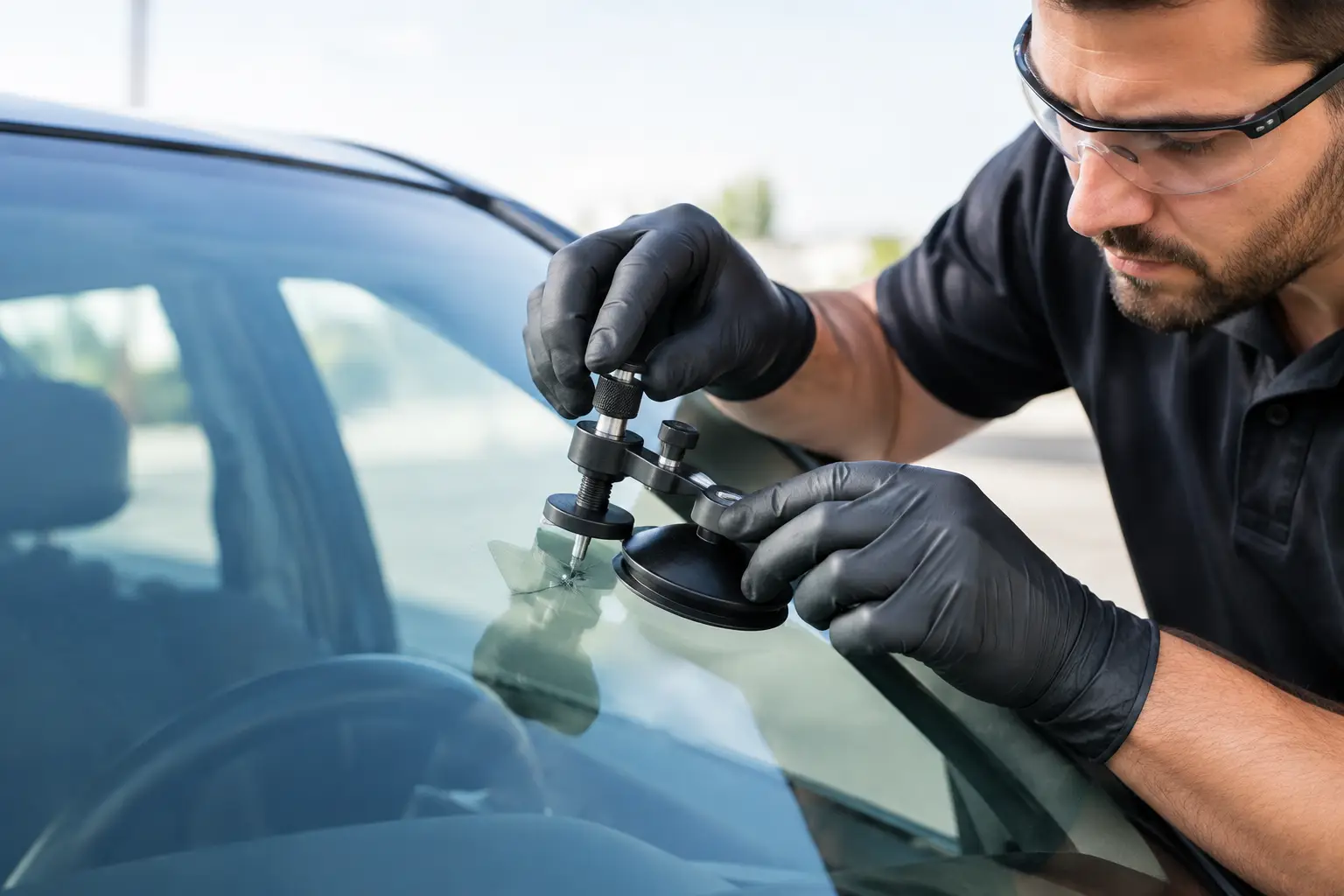
Windshield repair is often the best option when damage is small, recent, and outside the driver's direct line of sight. During a repair, a technician injects a specialized resin into the damaged area and cures it to stabilize the glass. The goal is to stop the chip or short crack from spreading and restore as much clarity as possible.
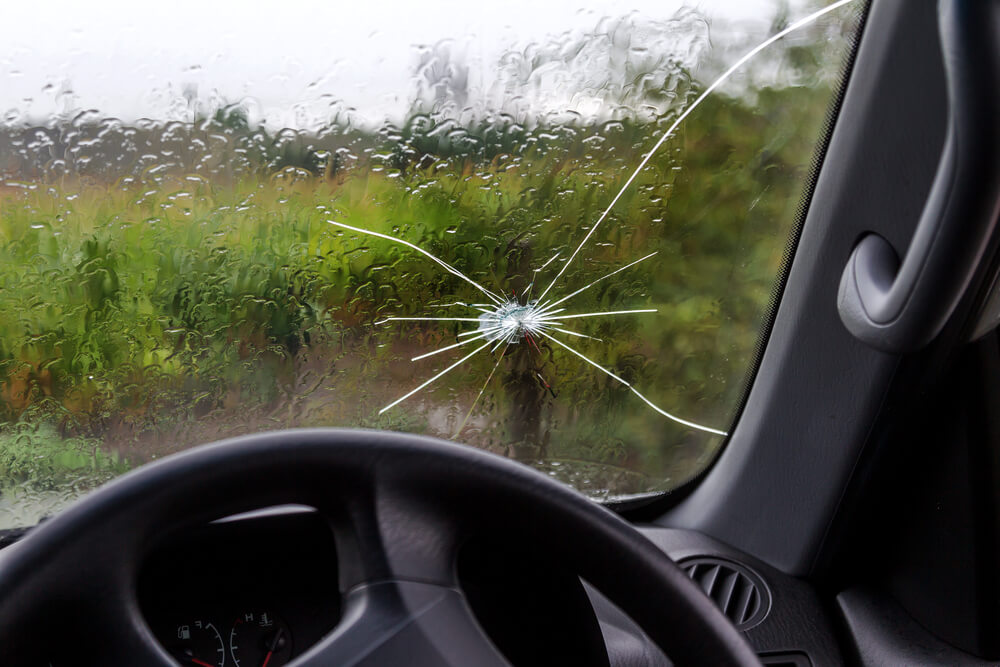
A repair is generally more likely when the chip is smaller than a quarter, the crack is short, and the damage has not reached the edge of the windshield. The exact recommendation depends on the type of break. A simple bull's-eye chip may repair very well, while a deep star break with several legs may be less predictable.
Timing matters. Dirt, water, and debris can work their way into an open chip, making the finished repair more visible and sometimes less effective. If you cannot arrange service immediately, avoid washing the vehicle, keep the damaged area as dry as possible, and do not press on the glass from inside or outside.
Repair has clear advantages: it is usually faster than replacement, costs less, and preserves the original factory windshield. It does not make every mark disappear completely, though. Most customers notice a significant improvement, but a faint blemish can remain. The real value of repair is stabilization, not cosmetic perfection.
Signs Windshield Replacement Is Safer
Replacement becomes the better call when the glass cannot be reliably restored to safe, stable condition. Long cracks, damage at the windshield edge, multiple impact points, and deep breaks are common reasons to replace rather than repair. A crack in the driver's critical viewing area may also require replacement, even if it is technically small enough to fill.
Modern vehicles add another consideration: driver-assistance features. Many cars have cameras or sensors mounted near the windshield that support functions such as lane-departure alerts, automatic emergency braking, adaptive cruise control, or automatic high beams. When the windshield is replaced, these systems may need recalibration so the camera or sensor reads the road correctly.
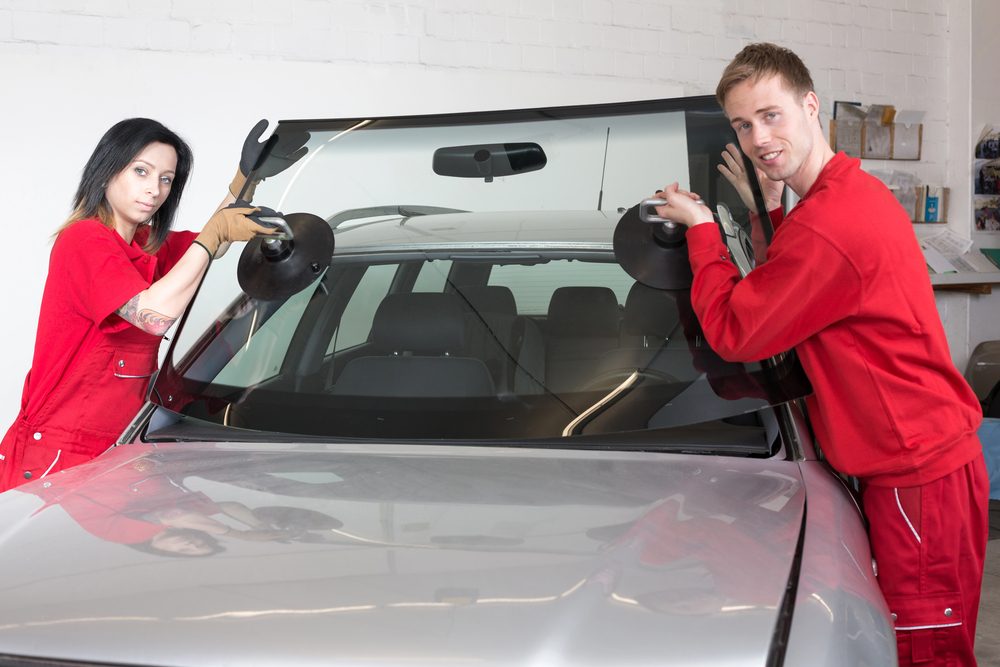
The cheapest replacement is not always the best value. Glass quality, proper bonding materials, correct installation procedures, and calibration needs all affect the result. A windshield must be installed with the right adhesive and given adequate safe drive-away time before the vehicle returns to the road. Rushing that part can compromise the purpose of the replacement.
If you are unsure whether a crack is too large or too close to the edge, an inspection is more useful than guessing from a photo. The condition of the glass, vehicle make and model, and location of the damage all matter.
What to Do After a Broken Side or Rear Window
A broken door glass or rear window creates a more immediate security and weather problem than a typical windshield chip. Whether the cause was a break-in, accident, lawn equipment, or debris, cover the opening only as a short-term measure. Plastic and tape can keep some moisture out, but they are not a secure fix and can interfere with visibility.
First, remove any loose valuables from the vehicle and avoid running the window regulator if there may be glass inside the door. Small pieces often collect in places you cannot see, including the lower door cavity and seat tracks. A proper car window replacement should include removing the damaged glass, checking the window mechanism, installing the new glass, and testing that the window moves and seals correctly.
For rear glass damage, be aware that defroster lines and antenna connections may be built into the glass. Those details make correct replacement especially important. The rear window needs to fit, seal, and retain the functions your vehicle came with.
Mobile Service Helps Keep Your Day Moving
A damaged windshield rarely happens at a convenient time. Commuters may notice a crack before leaving for work. Parents may find broken glass in the driveway after school pickup. Rideshare and delivery drivers can lose income when a vehicle is unsafe or unsecured.
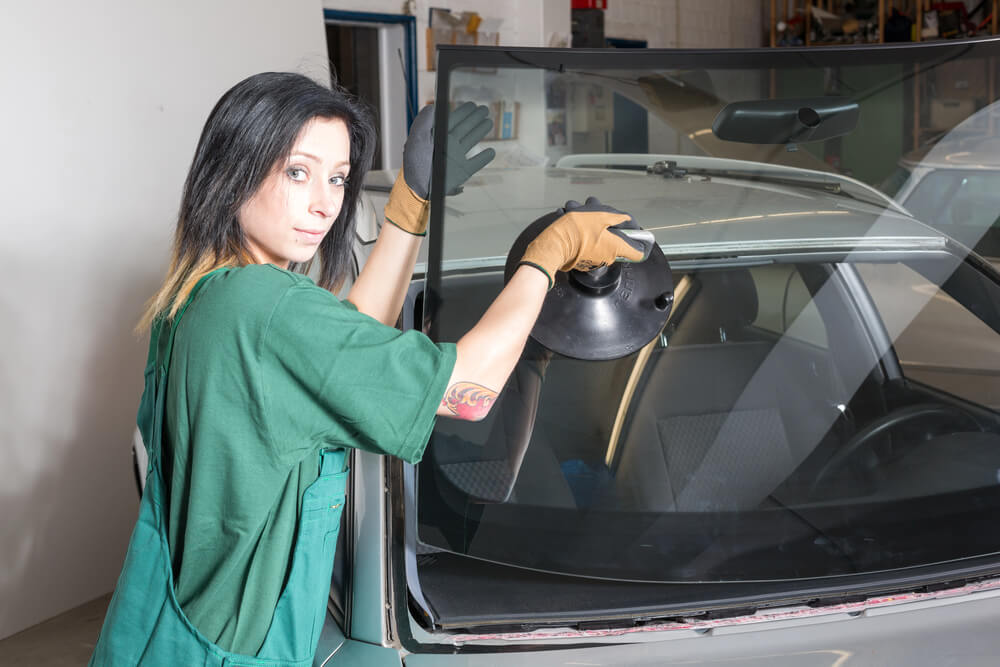
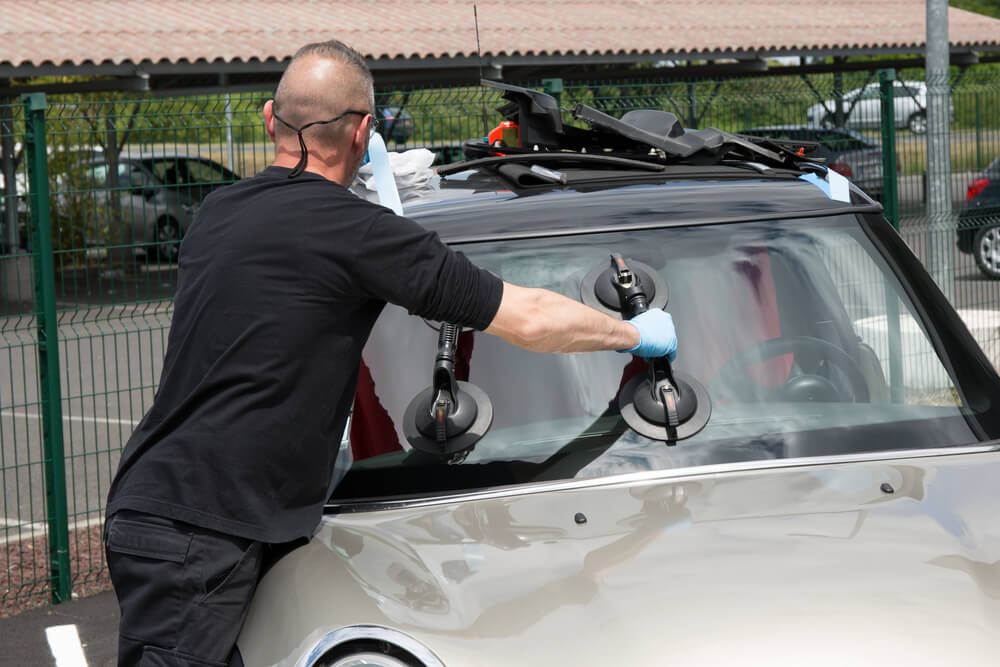
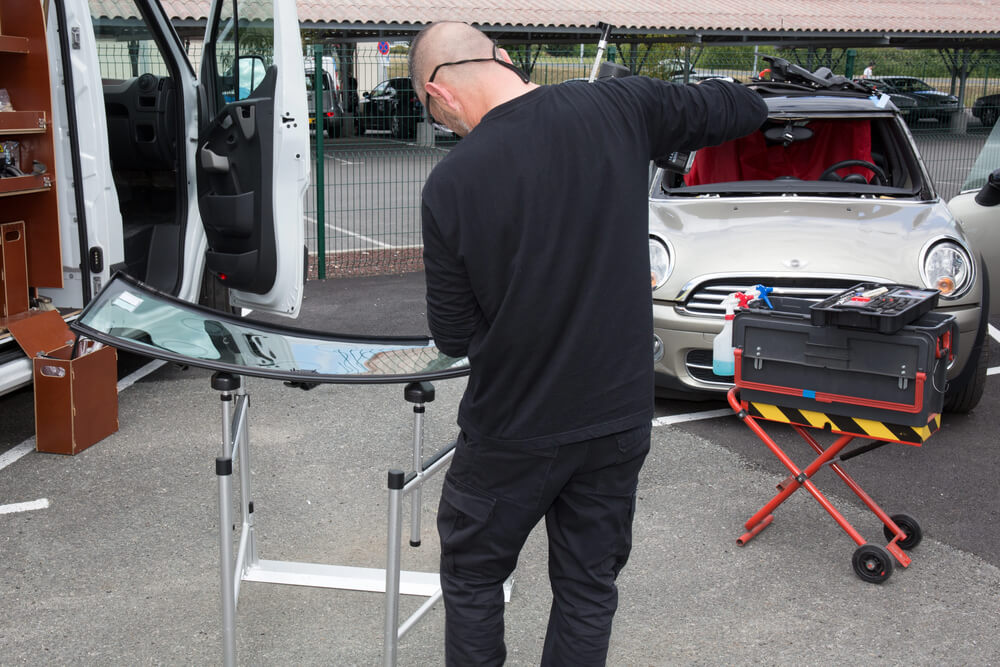
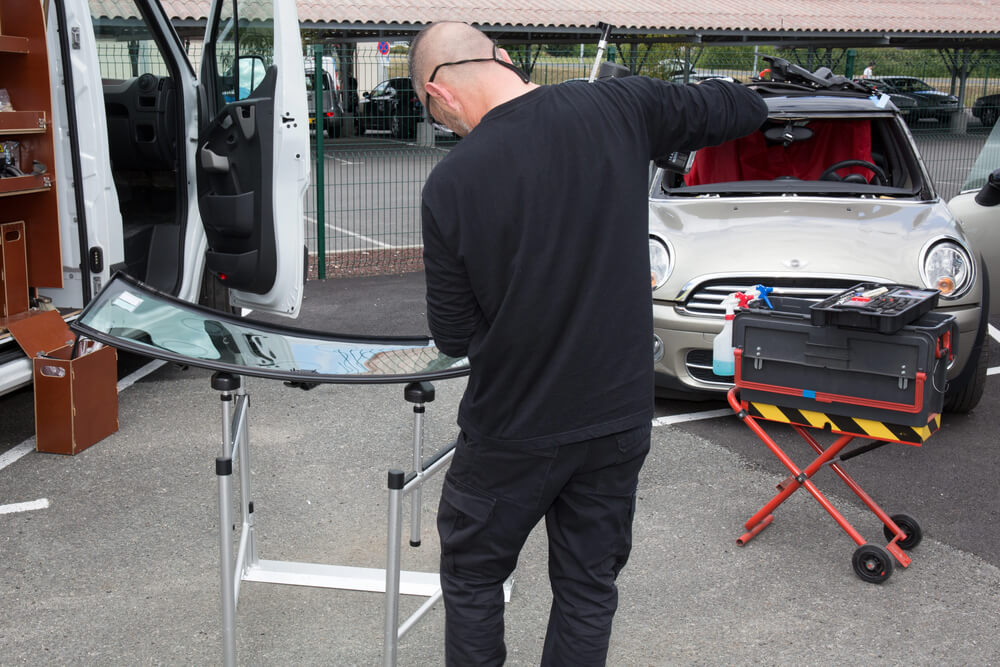
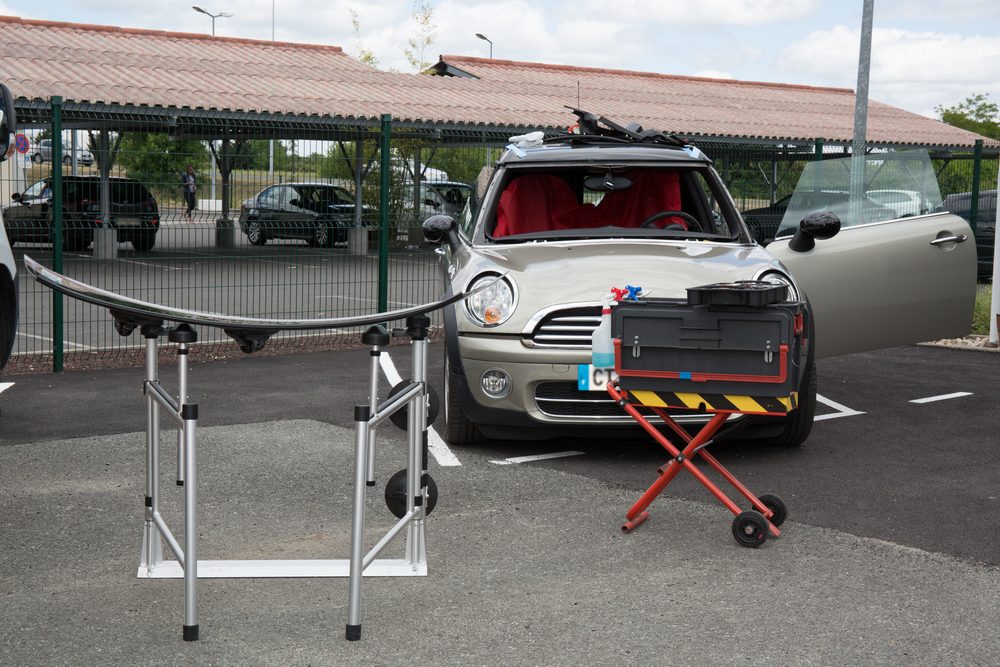
Mobile auto glass service is built for those situations. Rather than driving with limited visibility or arranging a ride to a shop, you can have a qualified technician come to a home, office, or other appropriate location. The work area needs to be reasonably safe and accessible, and weather can affect certain jobs. Heavy rain, high winds, or extreme conditions may require rescheduling or moving the vehicle to a covered location.
Convenience should not mean cutting corners. The technician still needs enough space to work, protect the vehicle, prepare the glass correctly, and allow adhesive to cure when replacement is required. A good mobile appointment starts with clear details about the vehicle, the damaged glass, and the location.
How to Protect Your Glass Between Service Calls
You cannot prevent every rock chip on DFW roads, but a few habits can reduce the chance of turning minor damage into a bigger problem. Keep a safe following distance behind construction trucks, gravel haulers, and vehicles with uncovered loads. Avoid slamming doors when a window is cracked, because the pressure change can make existing damage spread.
Do not pour hot water on a frosted windshield or use an ice scraper aggressively around a chip. Sudden temperature changes put stress on damaged glass. In hot weather, try to park in shade when practical and do not blast the air conditioner directly onto a hot, cracked windshield the moment you start the vehicle.
After any repair or replacement, follow the technician's instructions about tape, car washes, windows, and safe drive-away time. Those details may feel small, but they protect the quality of the work during the period when materials are settling or curing.
A chip, crack, or broken window does not need to derail your week. The practical next step is to have the damage assessed promptly, choose repair when the glass can be safely saved, and replace it when visibility, structural support, or vehicle security calls for a dependable fix.