If you just had your glass replaced and the forecast suddenly turns ugly, you are probably asking the same thing most drivers ask: is rain after windshield replacement a problem? The short answer is usually no, but timing matters. What makes the difference is whether the adhesive has had enough time to set and whether the installation was done correctly in the first place.
For most drivers, this is less about chemistry and more about getting back on the road without making a bad situation worse. You do not want to baby your vehicle for days, but you also do not want to assume everything is fine and end up with a leak, wind noise, or a safety issue later.
Is rain after windshield replacement actually harmful?
Rain itself usually does not ruin a newly installed windshield. Modern auto glass adhesives are designed to handle normal weather once they reach the safe drive-away time. That said, there is a difference between a little rain on the outside of the glass and exposing the vehicle to moisture before the adhesive has cured enough to hold properly.
The key issue is not that rain touches the windshield. The issue is whether the urethane adhesive around the glass has had enough time to bond. If that bond is still too fresh, outside pressure, vibration, and moisture around the seal can create problems. In practical terms, if your technician says wait an hour or several hours before driving, that instruction matters more than the rain itself.
Why cure time matters more than the weather
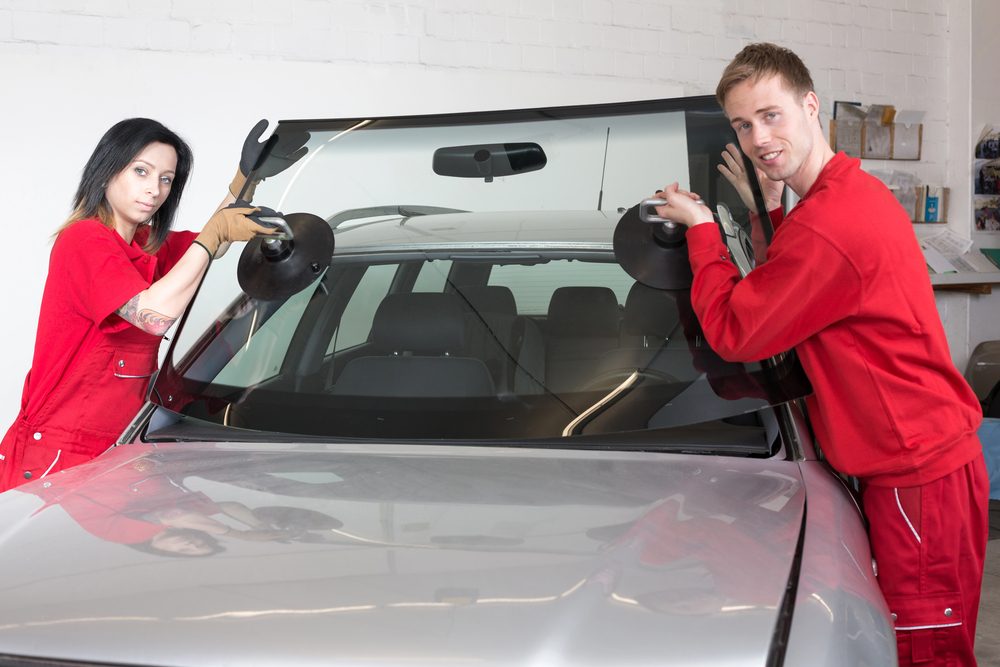
When a windshield is replaced, the glass is bonded to the vehicle with automotive urethane. That adhesive does more than keep water out. It helps the windshield stay in place during a collision, supports roof strength in some crashes, and allows airbags to deploy as designed in many vehicles.
That is why cure time is not just a suggestion. It is part of the safety side of the job. Some adhesives cure faster than others, and temperature and humidity can change how quickly that happens. Warm, humid conditions can actually help certain urethanes cure. Cold weather can slow things down. Heavy storms, rapid temperature shifts, or driving too soon can complicate things.
If you are dealing with rain after windshield replacement, the best question is not "Can my windshield get wet?" It is "Has my windshield reached safe drive-away time yet?"
What safe drive-away time means
Safe drive-away time is the amount of time your vehicle should sit before it can be driven normally after installation. This varies based on the adhesive used, the vehicle, and the conditions during service.
Some jobs may be ready in about an hour. Others may need longer. A quality installer should give you a clear time window before they leave. If they did not, call and ask. That is better than guessing.
It also helps to understand what safe drive-away time does and does not mean. It means the adhesive has cured enough for the vehicle to be driven safely under normal conditions. It does not always mean the adhesive is fully cured in every sense. Full cure can continue after that initial wait period, so it still makes sense to avoid extra stress on the glass for the first day if you can.
Rain after windshield replacement in the first few hours
This is the period when most people worry, and for good reason. If it starts raining before the safe drive-away time is up, do not panic. Light rain on the exterior of the windshield is not usually the main threat. Driving the car too soon is more likely to be the issue.
If the vehicle is already parked and the technician has finished the job, let it sit for the full recommended time. If possible, keep it parked and avoid opening and slamming doors. Door pressure can shift air pressure inside the cabin, and while one normal door close is not automatically a disaster, repeated hard slams right after installation are not a good idea.
If severe weather is coming and you are unsure whether the glass has set enough, contact the installer. A quick call can save you a lot of frustration.
Signs something is wrong after a rainy day
Most properly installed windshields hold up just fine in rain. But if there was an issue with the installation, rain often reveals it quickly.
Watch for water leaks along the edges of the glass, a damp dashboard, moisture near the headliner, or a musty smell inside the vehicle. You may also notice unusual wind noise at highway speed, especially from one corner of the windshield. In some cases, the molding may look uneven or sit differently than it should.
Not every noise or drop of moisture means the whole windshield needs to be redone. Sometimes it is a seal issue or a trim issue. But you do not want to ignore it. Water intrusion can damage electronics, stain interior materials, and keep getting worse with every storm.
What you should avoid after replacement
The first day matters more than most people realize. Even when the glass looks perfect from the outside, the adhesive is still settling into its final strength.
Try to avoid car washes for at least 24 hours unless your installer gives different instructions. High-pressure water is a bigger concern than normal rain. You should also avoid removing any retention tape right away if the technician placed some on the glass. That tape is there for a reason, usually to help keep the windshield stable while the adhesive sets.
It is also smart to avoid rough roads if you can, especially right after service. Normal driving is one thing. Repeated jolts from potholes, curbs, or aggressive driving put extra stress on a fresh installation.
Does mobile service change anything?
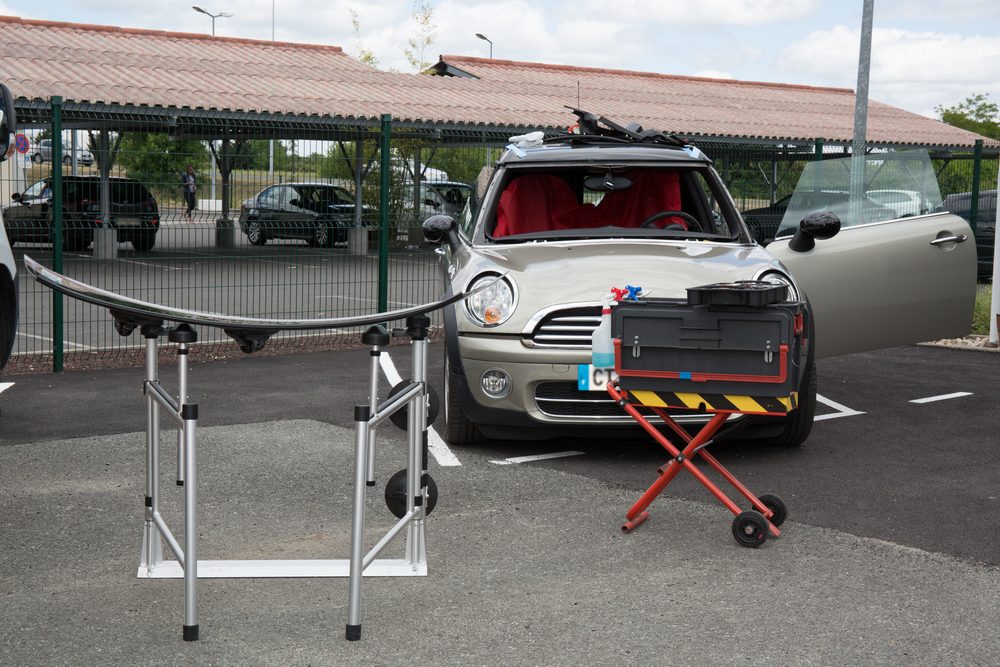
Not really, as long as the work is done correctly and the technician has the right conditions to complete the job. Mobile windshield replacement is common across busy parts of DFW because people do not always have time to sit in a shop for half a day. For commuters, parents, and rideshare drivers, having the service come to your home or workplace is often the easiest option.
The important part is that the installer accounts for weather, temperature, and placement. A good mobile technician will not rush a job in conditions that compromise the adhesive. They should also tell you exactly how long to wait before driving, whether rain is expected or not.
In places like Dallas or Irving, where the weather can shift fast, that clear instruction matters. A sunny afternoon can turn into a storm by evening.
Common misunderstandings about rain after windshield replacement
One common myth is that any rain means the replacement failed. That is not true. A properly installed windshield should be able to handle rain once it has reached the safe drive-away time.
Another misunderstanding is that if there is no leak, everything is definitely fine. Leaks are one warning sign, but not the only one. Wind noise, poor alignment, or glass movement are also worth checking.
Some drivers also assume all adhesives cure the same way. They do not. The type of urethane, the temperature, and the humidity all affect the timing. That is why blanket advice from a friend or online forum is less useful than the instructions from the technician who worked on your vehicle.
When to call the installer back
If you notice visible gaps, leaking water, loud wind noise, or the glass seems loose in any way, reach out right away. Do the same if you were not given a drive-away time and bad weather is on the way. It is much easier to address a problem early than after repeated exposure to rain and road vibration.
If your replacement was done recently and something feels off, trust that instinct. Drivers usually notice when a windshield sounds different, seals differently, or just does not look right. A service-focused company should be willing to answer questions and check the work.
Mid Cities Auto Glass works with drivers who often need fast answers because waiting around is not realistic. That is especially true when you are juggling work, family schedules, or daily driving across the metroplex.
The practical answer most drivers need
If you are worried about rain after windshield replacement, here is the practical answer: rain is usually not the problem if the adhesive has had enough time to set. The bigger risks are driving too soon, ignoring post-install instructions, or missing early signs of a bad seal.
So if the forecast looks wet, do not assume the job is ruined. Confirm your safe drive-away time, leave the retention tape alone if you were told to, skip the car wash for a day, and pay attention to leaks or unusual noise. Most of the time, that is enough.
A new windshield should make your day easier, not add another problem to your schedule. If something does not seem right after the rain passes, get it checked sooner rather than later.