A windshield crack can turn a normal commute into a safety concern fast. A broken side window can leave your vehicle exposed overnight. Before agreeing to service, knowing the right questions to ask an auto glass installer helps you choose a provider that can do the work safely, clearly, and on a schedule that works for you.
For drivers in Dallas, Addison, Richardson, Irving, and Fort Worth, mobile service can save a trip to a shop. But convenience should still come with qualified workmanship, honest pricing, and the right glass for your vehicle. Use these questions before you book your repair or replacement.
Questions to Ask an Auto Glass Installer Before Booking
1. Can my windshield be repaired, or does it need replacement?
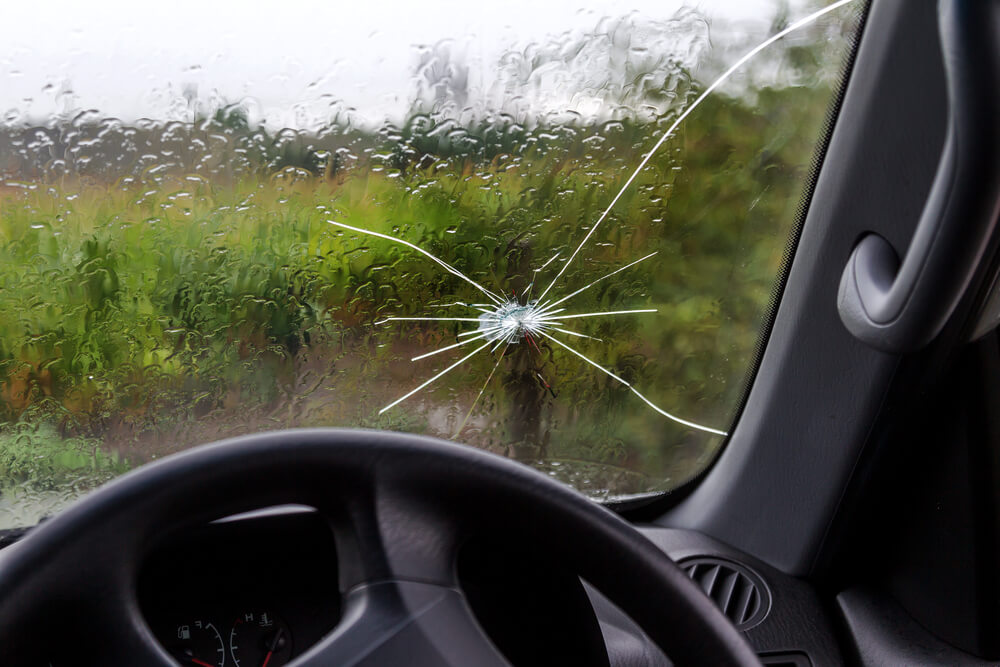
A chip does not always mean you need a new windshield. Small chips and short cracks can often be repaired if they are addressed early. A repair may restore strength, prevent the damage from spreading, and cost less than replacement.
The answer depends on the size, depth, location, and age of the damage. Damage near the edge of the windshield can weaken the glass more than a chip in the center. Cracks in the driver’s direct line of sight may also make repair a poor choice, even if they are small. Ask the installer to explain why repair or replacement is recommended for your specific damage, rather than giving a one-size-fits-all answer.
2. What type of replacement glass will you use?
Not all automotive glass is the same. Ask whether the installer is using OEM glass, aftermarket glass, or another approved equivalent. OEM glass is made to the original vehicle manufacturer’s specifications. Quality aftermarket glass is often a practical and more affordable option, but fit, tint band, acoustic features, and markings can vary by vehicle.
The best choice depends on your vehicle, insurance coverage, budget, and the features built into your current windshield. A clear installer should tell you what is available and what you are paying for. They should also confirm that the replacement glass matches relevant features such as rain sensors, heating elements, heads-up display compatibility, antenna connections, or acoustic glass.
3. Does my vehicle need ADAS calibration after windshield replacement?
Many newer vehicles have advanced driver-assistance systems, often called ADAS. Cameras and sensors mounted near the windshield may support features such as lane departure warnings, automatic emergency braking, adaptive cruise control, or traffic sign recognition.
If your windshield has a forward-facing camera, ask whether calibration is required after replacement and how it will be handled. A windshield can look properly installed while a camera is still misaligned. The vehicle may need static calibration, dynamic calibration performed on the road, or both. Do not assume this is included. Ask for a direct answer about whether your vehicle requires it, whether it is part of the quote, and how the installer verifies it was completed.
4. Are your technicians trained and experienced with my vehicle?
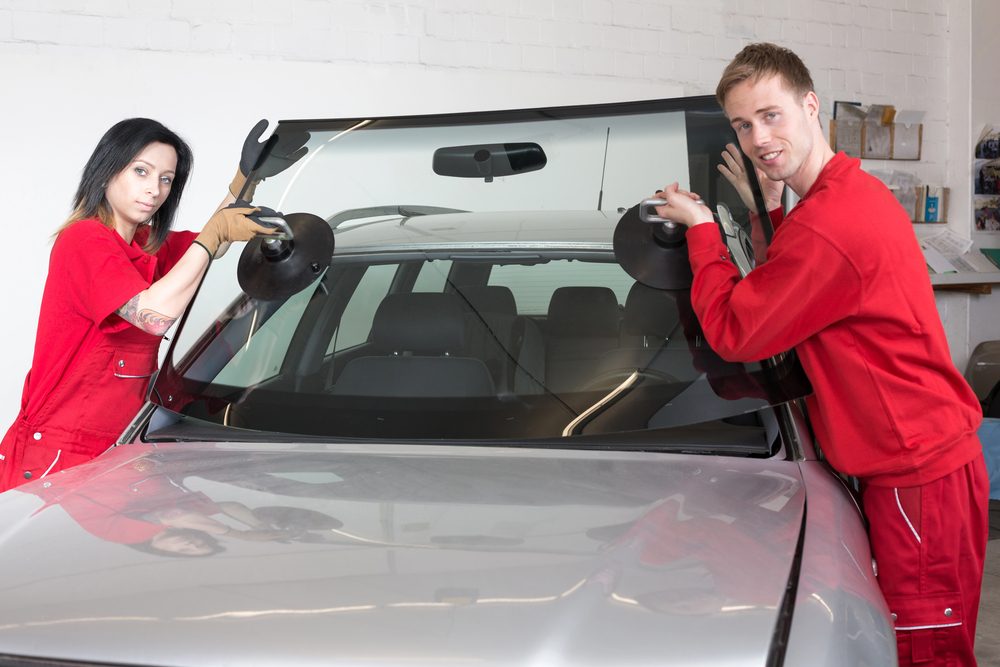
Auto glass service is specialized work. Proper removal matters because technicians need to avoid damage to paint, molding, sensors, interior trim, and the vehicle’s pinch weld, which is the frame area where the windshield bonds to the vehicle.
Ask about the technician’s experience with your vehicle make and model, especially if you drive a newer model, luxury vehicle, work truck, or vehicle with camera-based safety systems. You do not need a technical lecture. You need confidence that the person arriving understands the installation requirements and will inspect the vehicle before starting.
5. What adhesive do you use, and when can I safely drive?
Windshield adhesive is a safety component, not just glue. The urethane used during installation helps hold the windshield in place and supports the vehicle’s structure during a collision. The installer should use automotive-grade adhesive appropriate for the job and follow its manufacturer instructions.
Ask for the safe drive-away time. This is the minimum amount of time you should wait before driving after a windshield replacement. It can vary based on the adhesive, temperature, humidity, and vehicle. North Texas heat, cold snaps, and rain can affect curing conditions, so the answer may differ from one appointment to another. A reputable installer will give you specific aftercare instructions instead of saying you can drive immediately.
6. Can you provide mobile auto glass service at my location?
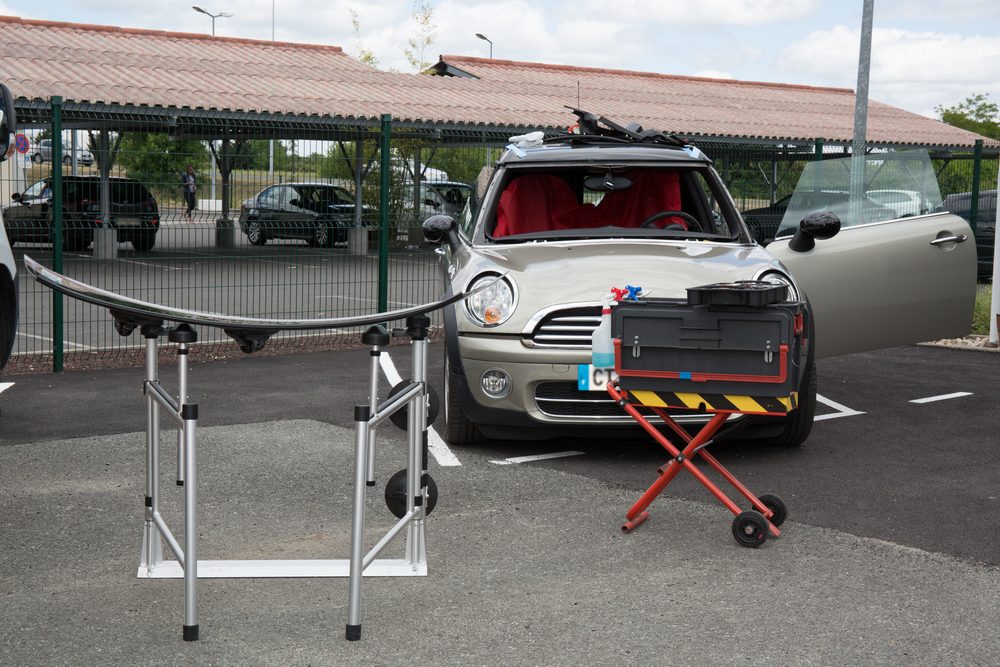
Mobile service is ideal when a damaged windshield makes driving risky or a broken window makes your vehicle hard to secure. Ask whether the installer can come to your home, office, apartment complex, or other approved location and what conditions they need to complete the job.
A level parking area and enough room to work around the vehicle are usually helpful. Weather matters too. Heavy rain, high winds, or unsafe conditions can delay some installations because the bonding surface needs to be prepared correctly. Ask what happens if weather changes on the day of service and whether the company has options for rescheduling or completing the work at a covered location.
7. What is included in the written quote?
A low starting price is not the same as a complete price. Ask for a written quote that identifies the glass, labor, mobile service, molding or clips if needed, disposal of old glass, shop supplies, taxes, and ADAS calibration when applicable.
This question prevents surprises after the technician arrives. Sometimes hidden damage or broken moldings are only visible once the old glass is removed, and that can affect the final cost. That does not automatically signal a problem. What matters is whether the installer explains possible variables before work begins and gets your approval before adding charges.
8. Will you work with my insurance company?
Comprehensive auto insurance may cover windshield repair or replacement, though deductibles and coverage rules vary. Ask whether the installer can help verify coverage, submit documentation, or coordinate with your insurer. You should also ask whether filing a claim makes financial sense when your deductible is close to the cost of the service.
You remain in control of the repair decision. Insurance involvement can be useful, but you should still understand the out-of-pocket amount, what glass is approved, and whether calibration is covered. If you are paying directly, ask whether the company can give you a straightforward cash price with no vague fees.
9. What warranty comes with the work?
Ask separately about the warranty on workmanship and the warranty on the glass itself. Workmanship coverage may address issues such as wind noise, water leaks, loose molding, or installation-related problems. Glass coverage may be different and may not include a new rock chip or impact damage after the service is complete.
Get the terms in writing if possible. A good warranty should be easy to understand: what is covered, how long it lasts, and what to do if you notice a problem. Pay attention to whether the installer stands behind mobile work just as they would work completed at a physical location.
10. What should I do before and after the appointment?
A professional installer should make the appointment easy to prepare for. Before service, remove personal items from the dashboard, front seats, and cargo area if rear glass is being replaced. Let the company know about aftermarket tint, stickers, dash cameras, parking permits, or anything attached near the damaged glass.
After replacement, follow the care instructions. You may be asked to leave a retention tape in place for a short period, avoid car washes, keep a window slightly cracked, or avoid slamming doors while the adhesive cures. These small steps protect the installation while the vehicle is returning to normal use.
A Good Installer Answers Clearly, Not Quickly
The best answer to these questions is not always the cheapest or fastest one. For example, a same-day windshield replacement may be possible, but a vehicle that needs calibration could require additional time. Repair may be the smarter option for a fresh rock chip, while replacement may be the safer choice for a long crack or damage near the edge.
When you call for auto glass help, describe the damage, share your vehicle year, make, and model, and mention any camera or sensor features you know about. A dependable local installer will use that information to give you a realistic plan, not a rushed promise. Your vehicle’s glass protects your visibility, your passengers, and your security, so choose a service provider that treats the job with that level of care.