A windshield crack rarely arrives at a convenient time. It shows up on the way to work, after a gravel truck passes on the highway, or when you walk out to a vehicle with a broken side window. For drivers searching for mobile auto glass Grand Prairie service, the biggest question is usually simple: can the problem be handled without losing a full day at an auto glass shop?
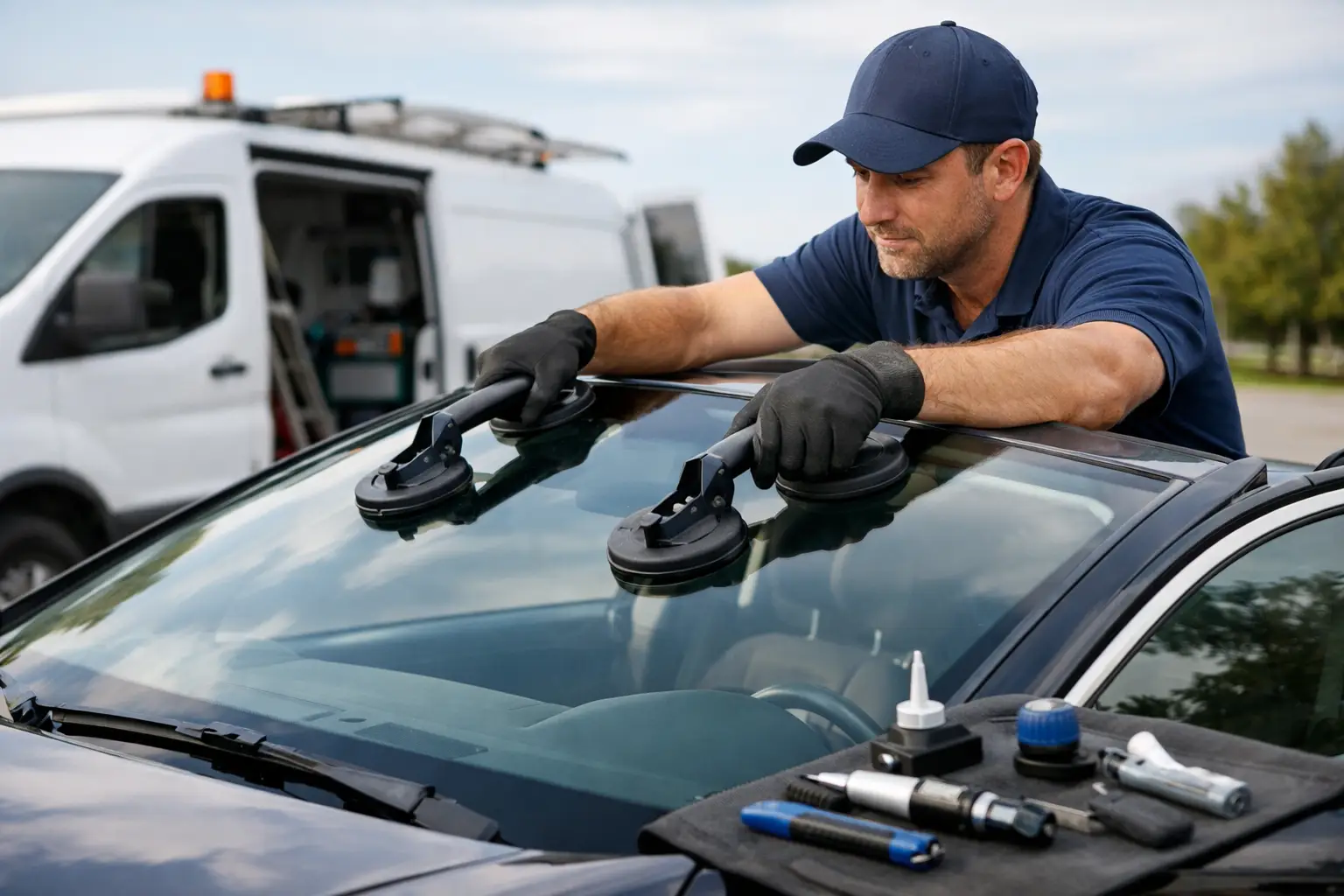
Often, the answer is yes. A qualified mobile technician can inspect many types of glass damage and complete repairs or replacement at your home, workplace, or another approved location. The right service depends on the damage, the vehicle, and whether the work can be done safely where your car is parked.
When Mobile Auto Glass Service Makes Sense
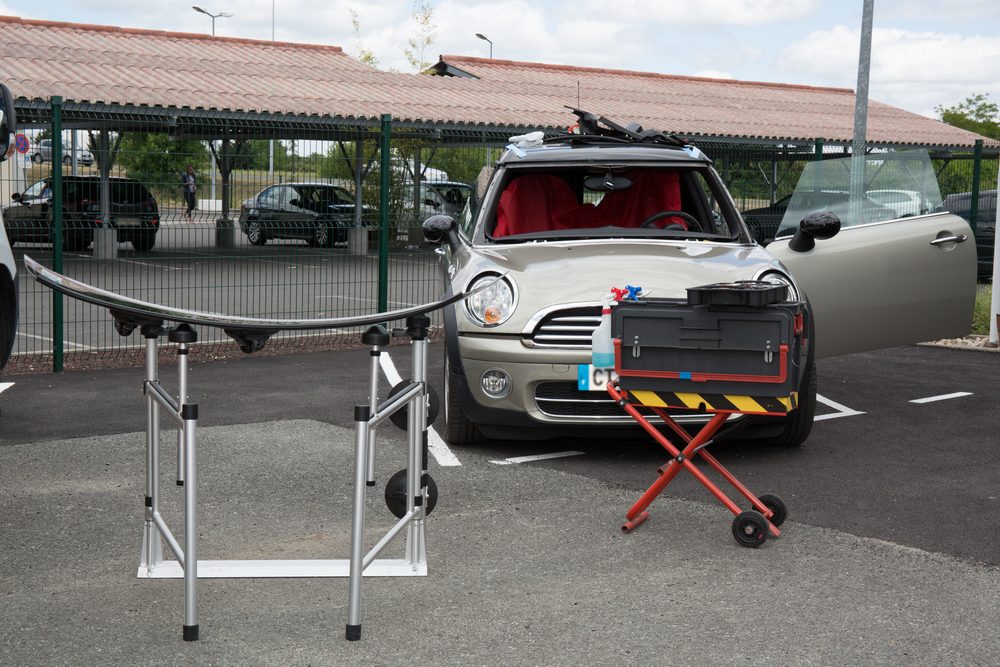
Mobile service is built for situations where driving to a shop is inconvenient, unsafe, or simply not realistic. A small windshield chip may not stop you from driving, but waiting too long can allow heat, road vibration, rain, and temperature changes to turn that chip into a spreading crack. A broken door window creates a more immediate security problem, especially if glass is still inside the vehicle.
For commuters, parents, rideshare drivers, and people working a full schedule, having a technician come to the vehicle can remove a major disruption. You can keep your car at home while handling the morning routine, leave it at your workplace during the day, or arrange service at another accessible location.
That said, mobile work is not the best choice in every case. Windshield adhesive needs appropriate conditions to cure, and severe weather can delay a replacement. A technician also needs enough room to work safely around the vehicle. Covered parking, a driveway, or a clear workplace lot can be ideal, while a crowded street or exposed area during heavy rain may require a different plan.
Repair or Replacement: What Does Your Glass Need?
The decision between repair and replacement should be based on safety and the condition of the glass, not just on the lowest upfront cost. A windshield does more than block wind and debris. It supports vehicle structure and helps preserve visibility. Modern windshields may also work with cameras and safety systems that need precise installation and calibration.
Windshield chip repair
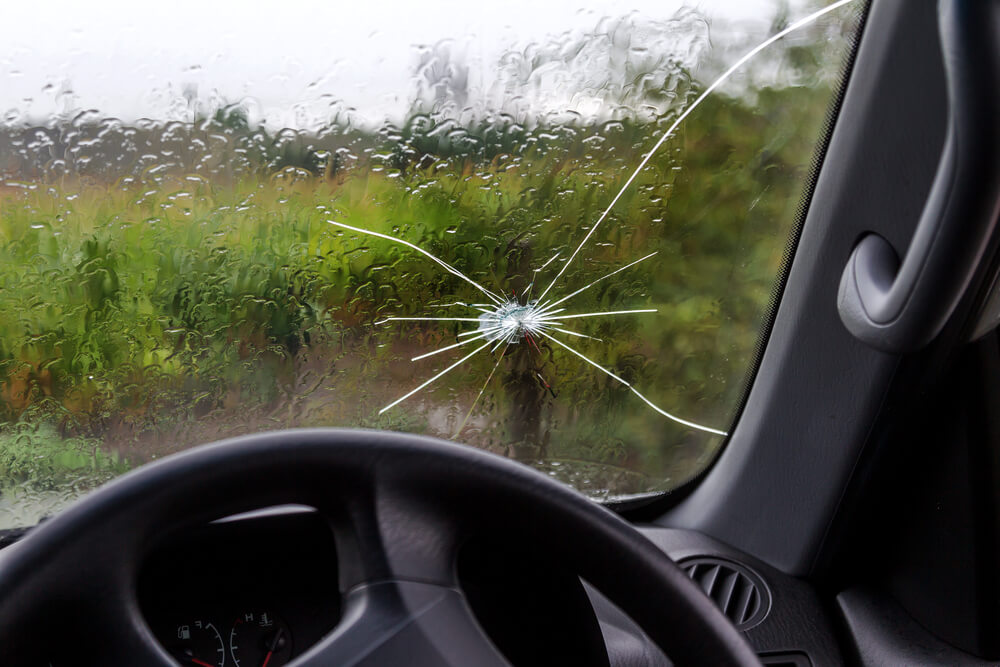
Repair is often possible when damage is small, recent, and away from the driver's main viewing area. During a chip repair, resin is injected into the damaged section to help stop the crack from spreading and improve the appearance of the glass. The repaired spot may still be visible, but the goal is to stabilize the damage before it becomes worse.
Quick action matters. Dirt and moisture can get into an open chip, making a clean repair more difficult. If you cannot schedule service right away, avoid pressing on the damaged area, slamming doors, or blasting the defroster directly at the glass. A simple piece of clear tape over a clean, dry chip can help keep contaminants out temporarily.
Windshield replacement
Replacement is usually the safer option when a crack is long, damage reaches the edge of the windshield, the glass has multiple impact points, or the driver's view is affected. Damage near the edge can weaken the windshield more than it appears to, because that area helps support the glass in the frame.
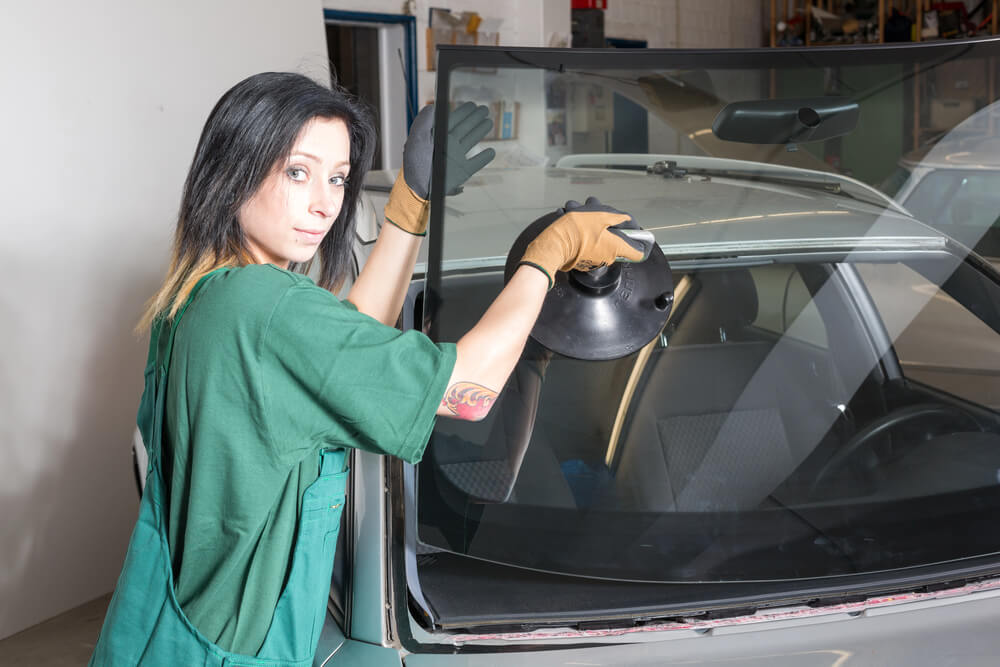
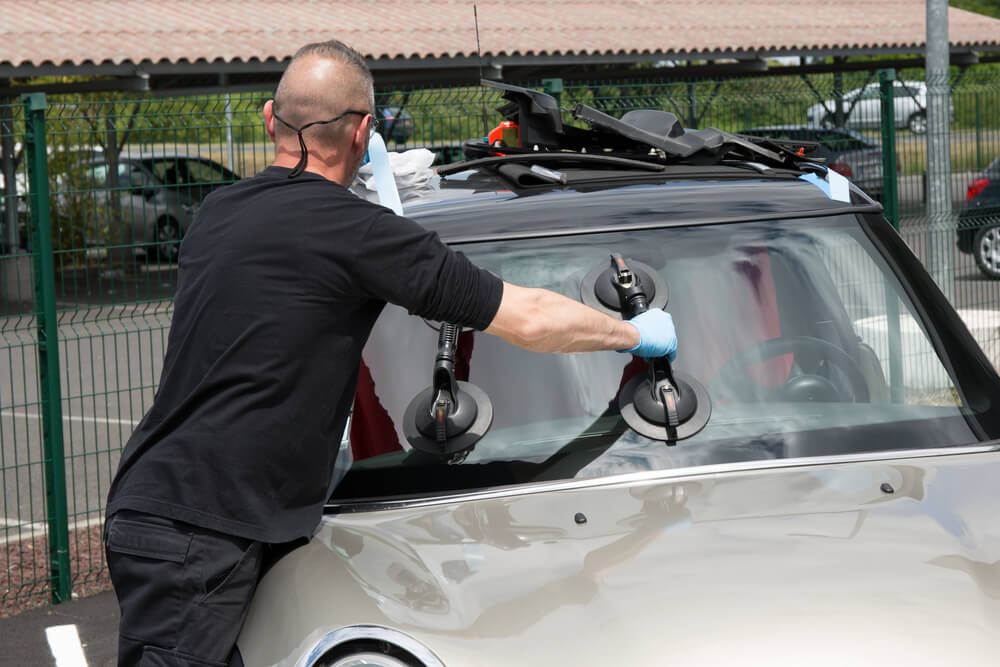
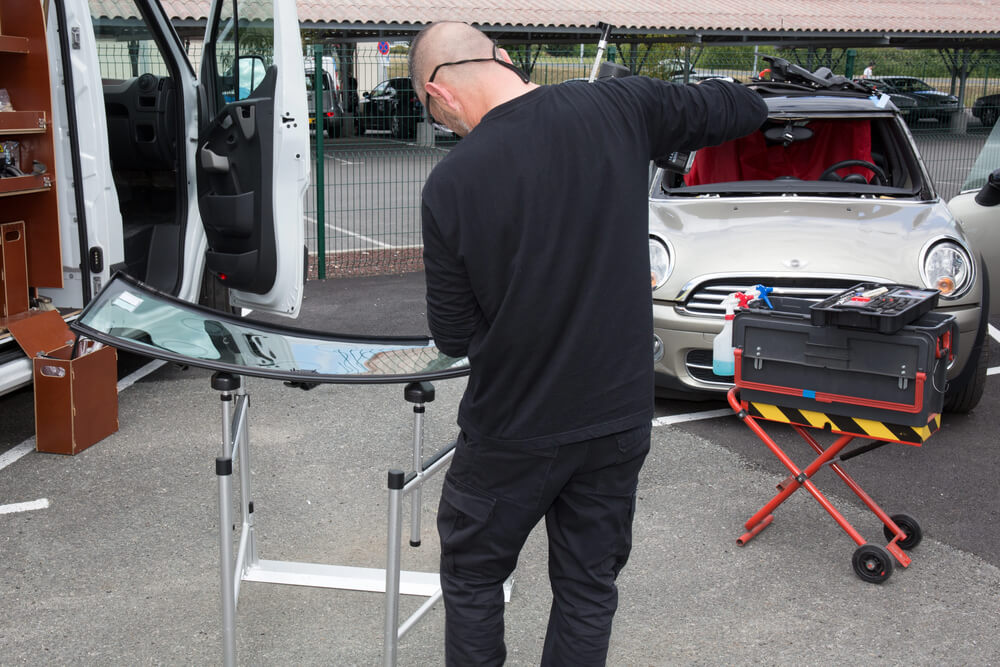
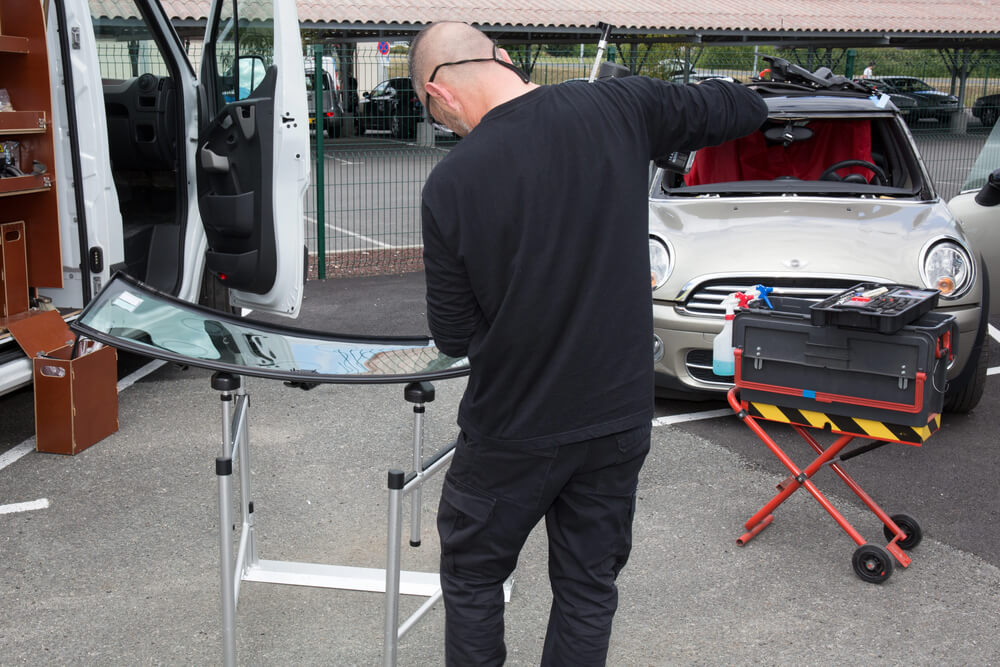
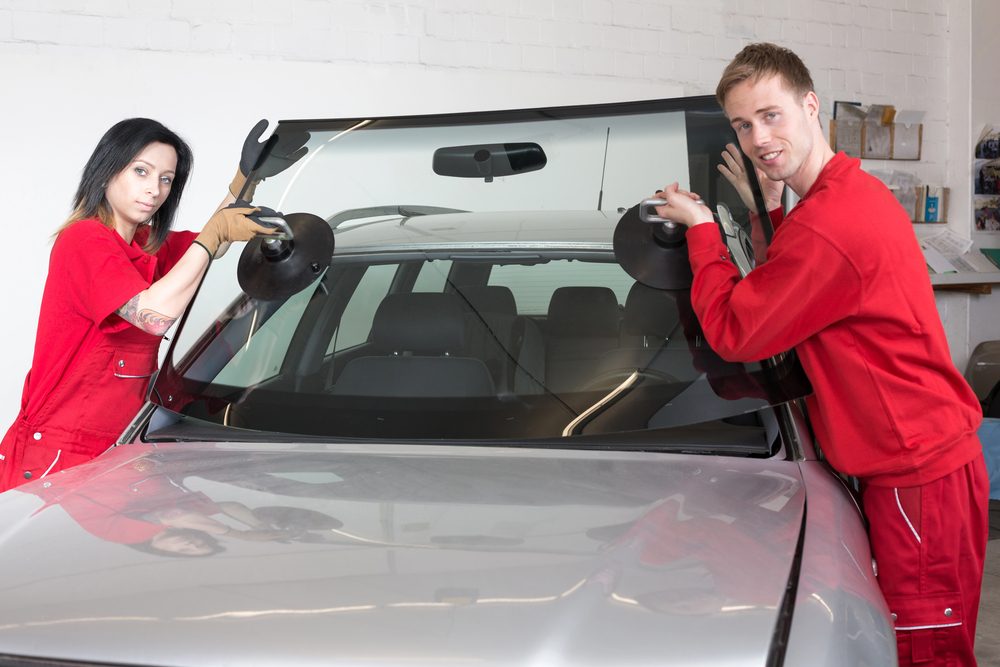
A replacement should include removing the damaged windshield, preparing the frame, installing the correct glass, and allowing the adhesive to reach its required safe drive-away time. Do not assume you can leave immediately after installation. The technician should explain when the vehicle is safe to drive based on the adhesive, weather, and vehicle requirements.
Side and rear window replacement
Door glass, quarter glass, and rear windows usually cannot be repaired after they shatter. These pieces are commonly tempered glass, which breaks into small fragments instead of cracking like a laminated windshield. The job involves more than putting in new glass. Loose fragments must be removed from the door panel, window tracks, seats, and interior areas so the new window can operate correctly.
If a side window is broken, protect the vehicle from rain and avoid operating the window switch until it has been inspected. A temporary covering can keep out weather, but it is not a substitute for proper replacement and cleanup.
What to Expect From a Mobile Appointment
A good mobile auto glass appointment begins with clear information. When requesting a quote, be ready to provide the vehicle year, make, model, body style, and the type of damaged glass. Photos are helpful for chips, cracks, and broken windows. If your windshield has a camera near the rearview mirror, rain sensors, heated glass, heads-up display features, or other technology, mention it.
Before the appointment, move personal items away from the dashboard, front seats, and door pockets near the damaged glass. Make sure the technician can access the vehicle and that there is room to open doors fully. If the vehicle will be parked at an office, confirm the property allows mobile automotive service in the lot.
For windshield replacement, plan around the safe drive-away time. This is not a detail to skip because the adhesive bond plays a direct role in vehicle safety. The technician may also give you short-term care instructions, such as leaving a retention tape in place for a period of time, avoiding car washes, or keeping a window slightly cracked while the adhesive cures.
Ask About Calibration on Newer Vehicles
Many late-model vehicles use forward-facing cameras behind the windshield for features such as lane departure warnings, automatic emergency braking, and adaptive cruise control. If the windshield is replaced, the camera system may need calibration so it can read the road correctly.
Not every vehicle requires the same process. Some systems need static calibration with targets and specialized equipment, while others may require a road-based procedure. The need for calibration depends on the vehicle and its equipment, so ask before scheduling rather than assuming it is included or unnecessary.
This is one area where choosing the correct glass and installation process matters more than a quick fix. A windshield that looks properly installed can still create problems if related safety equipment is not addressed according to the vehicle's requirements.
How to Handle Insurance and Cost Questions
Auto glass pricing varies by vehicle, glass type, available features, and the extent of damage. A basic side window and an advanced windshield with cameras, heating elements, acoustic layers, or a heads-up display are not comparable jobs. The fastest way to get an accurate estimate is to share complete vehicle information and photos when possible.
If you plan to use insurance, check whether your policy includes comprehensive coverage and ask about your deductible. In some cases, a windshield chip repair may be covered differently than a full replacement. You are not required to guess what your policy will do before asking questions. Get the repair or replacement recommendation, then compare that information with your coverage details.
Cost matters, but so does avoiding repeat work. Cheap glass or rushed installation can create leaks, wind noise, poor fit, or issues with safety features. A useful quote should make clear what glass is being installed, whether molding or additional parts may be needed, and whether calibration applies.
Choosing a Mobile Auto Glass Provider
When you need help quickly, focus on details that affect the quality of the work. Ask whether the provider handles your specific glass type, whether mobile service is available at your location, and how soon the job can be scheduled. For windshield replacement, ask about safe drive-away time and camera calibration requirements.
It also helps to confirm what happens if hidden damage is found after a door panel or windshield is removed. Auto glass jobs can reveal damaged clips, corroded frame areas, broken regulators, or extra cleanup needs that were not visible from the outside. A straightforward explanation before work begins prevents surprises later.
A damaged windshield or broken vehicle window is already enough of a disruption. The practical next step is to get the damage assessed early, choose repair when it is safe, and arrange replacement without waiting for a minor problem to become a bigger one.