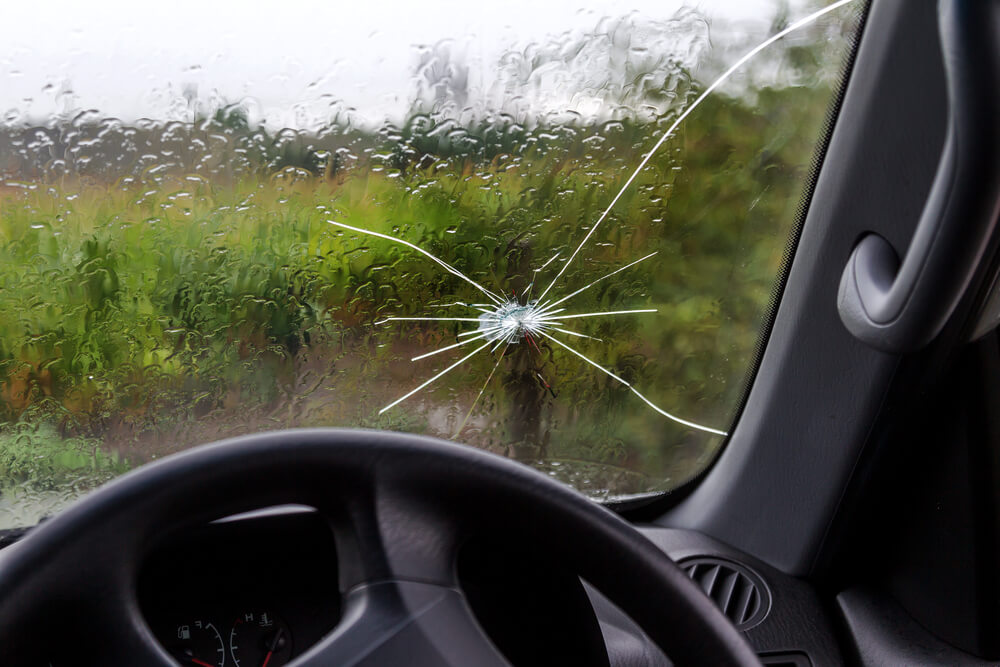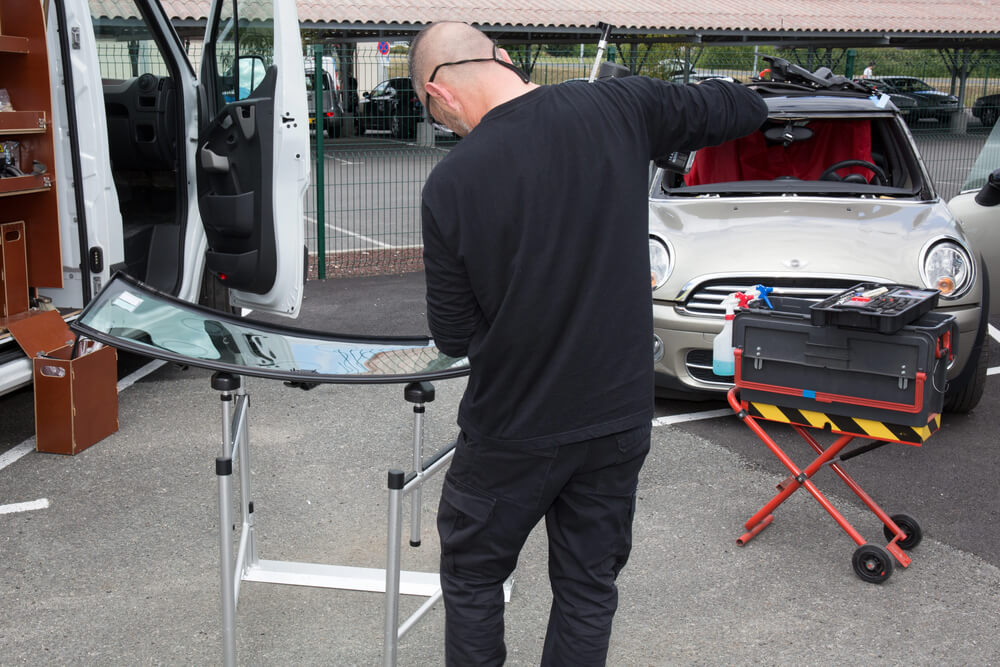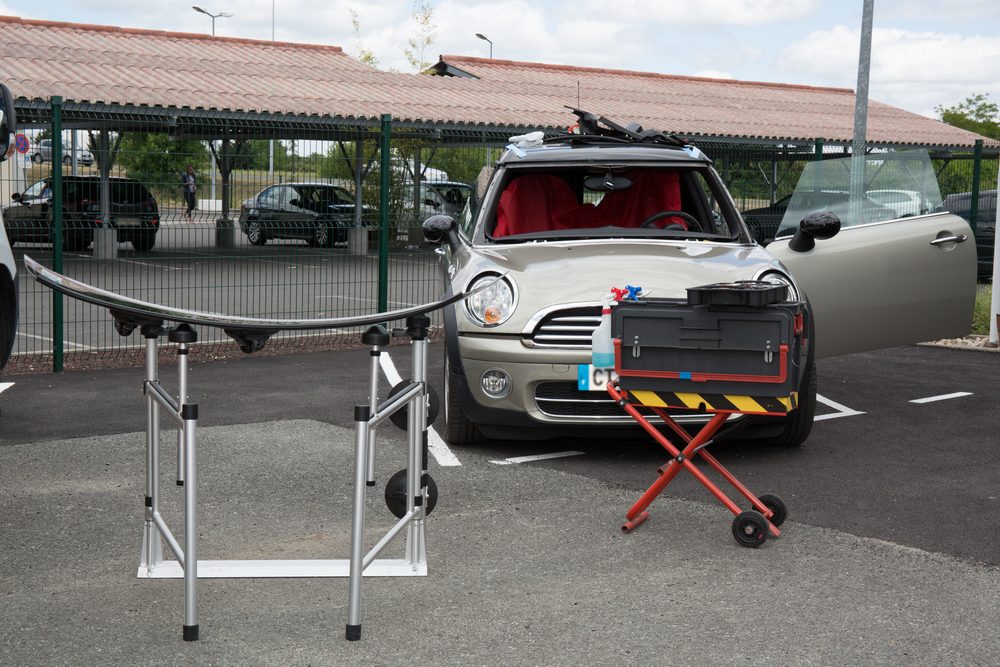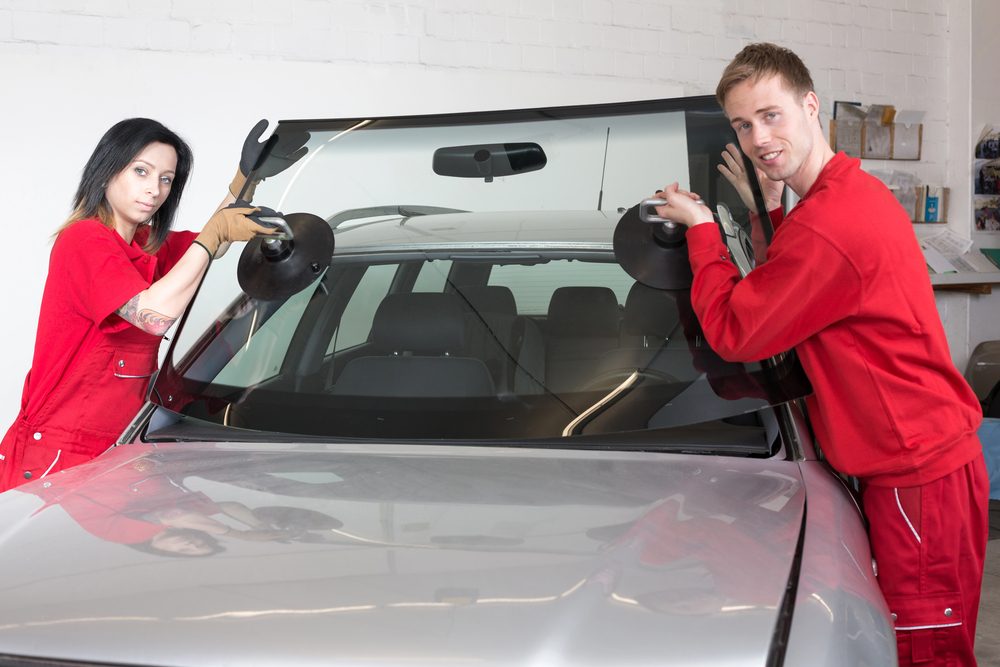
That tiny pop you hear on the highway can turn into a much bigger problem by the time you get home. If you are searching for how to repair windshield rock chip damage, the first thing to know is that speed matters. A small chip is often repairable, but heat, vibration, rain, and rough roads around DFW can cause it to spread fast.
A rock chip repair is meant to stop the damage from growing, improve visibility, and help preserve the strength of the windshield. It does not always make the spot disappear completely. A good repair usually leaves a faint mark, but it can keep you from needing a full windshield replacement if you catch it early enough.
How to repair windshield rock chip damage the right way
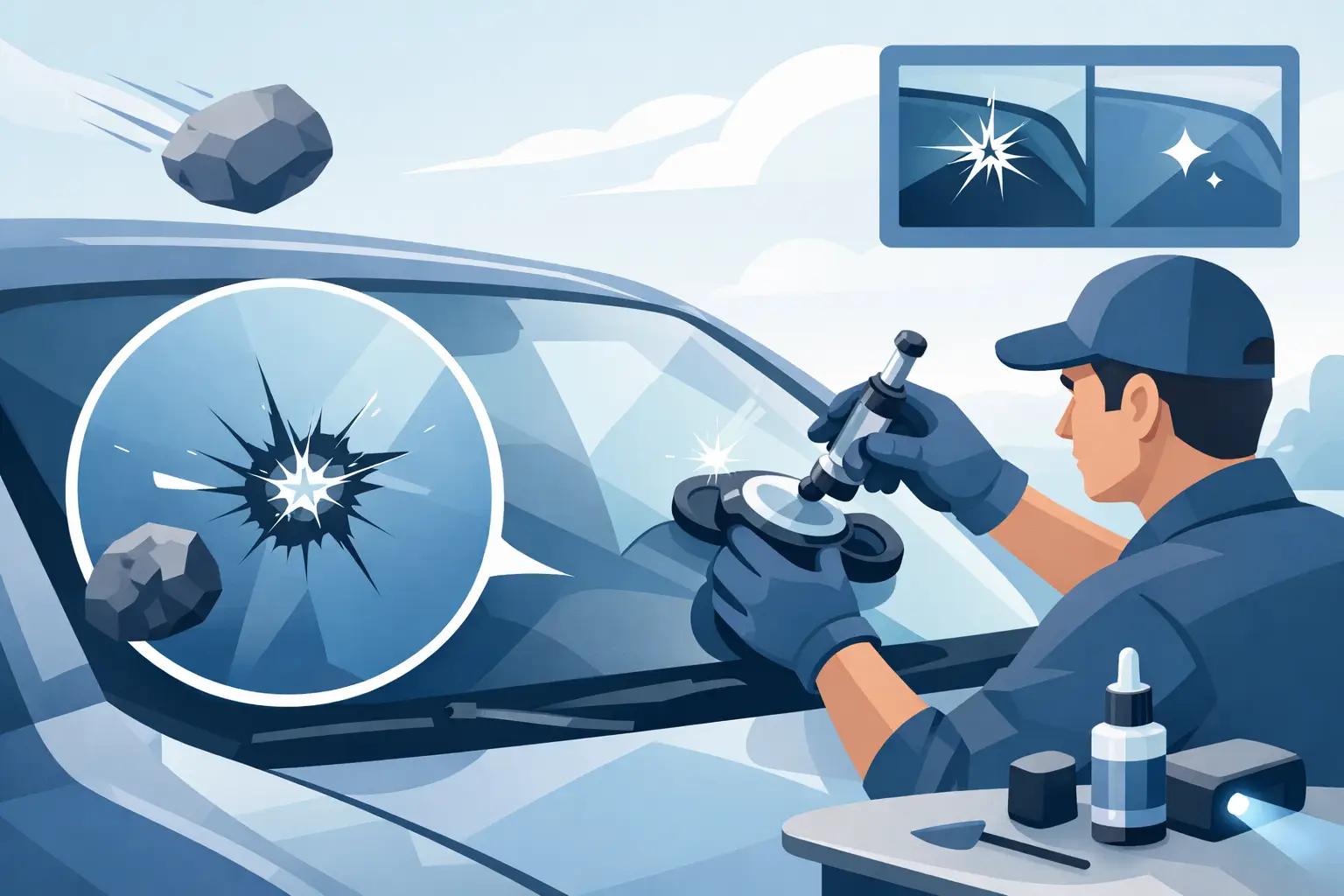
Most windshield chip repairs work by cleaning the damaged area and filling it with a clear resin. That resin is pushed into the chip, then cured so it hardens inside the damaged glass. The goal is to seal the break, reduce the appearance of the impact point, and keep cracks from traveling across the windshield.
This process sounds simple, and in some cases it is. Small bullseye chips and minor star breaks can sometimes be repaired with a quality windshield repair kit. But the result depends on the size of the chip, where it sits on the glass, how much dirt has worked its way in, and whether the damage has already started spreading.
If the chip is fresh and small, you may have a real shot at a decent DIY repair. If it has been there for days in Texas heat, has moisture in it, or sits directly in your line of sight, professional service is usually the better move.
When a rock chip can be repaired
A repair is usually possible when the chip is smaller than a quarter and the crack length is short. The outer layer of the windshield can be repaired if the damage has not gone all the way through the glass and the inner layer is still intact.
Location matters just as much as size. Chips near the edge of the windshield are more likely to spread because that area handles more structural stress. Damage directly in the driver's line of sight is also tricky. Even if it can technically be repaired, the finished spot may still create slight distortion, which is not ideal for daily driving.
If the chip has multiple long legs, if the crack is already running, or if the damage affects camera systems or sensors near the windshield, replacement may make more sense. This is one of those situations where it depends on the exact break, not just what it looks like in a quick photo.
What you need for a DIY chip repair
If you want to try fixing it yourself, use a windshield repair kit made for laminated auto glass. Most kits include a resin, an applicator or bridge tool, curing strips, and a blade for cleanup.
You also need dry weather, shade, and a clean work area. Direct sun can cure resin too early, and moisture inside the chip can ruin the repair. If the windshield is hot from sitting outside, let it cool first.
Do not use household glue, super glue, nail polish, or random sealants. They can make the damage harder to repair correctly later and may force a replacement that could have been avoided.
Step-by-step: how to repair windshield rock chip at home
Start by inspecting the damage closely. If the chip is large, deep, spreading, or near the edge, stop there and get it looked at by a professional. DIY kits are best for small, simple chips that have not been contaminated.
Clean the area around the chip, but do not scrub the break aggressively. You want to remove loose debris from the surface without pushing dirt deeper into the glass. If the kit includes a pin, use it carefully to open the impact point and help the resin flow.
Next, attach the repair tool according to the kit directions so it sits centered over the chip. Add the resin and use the tool to create pressure or vacuum, depending on the system. This part matters because trapped air inside the break is what keeps the resin from filling the damage fully.
Give the resin time to work into the chip. You may need a few cycles of pressure and release. Once the damaged area looks filled, place the curing strip over it and let the resin harden. Some kits cure in sunlight, while others use a UV lamp.
After curing, scrape off excess resin with the provided blade. The finished repair should feel smooth, and the chip should look less noticeable than before. It probably will not vanish. That is normal.
Common mistakes that make a chip worse
The biggest mistake is waiting too long. A chip that might have been repaired in the morning can become a crack after one pothole, one car wash, or one hot afternoon.
Another common problem is trying to repair dirty damage. If dust, road grime, or water gets into the break, the resin may not bond well or may leave the chip looking cloudy. That does not always mean the glass is beyond repair, but it lowers the odds of a clean result.
Poor tool alignment also causes trouble. If the applicator is not centered, the resin may miss part of the damaged area. And if you press too hard, tap the glass, or scrape carelessly, you can spread the crack.
When professional windshield chip repair is the smarter choice
For many drivers, the real issue is not whether a DIY kit can work. It is whether it is worth the risk. If you drive a lot for work, shuttle kids across town, or rely on your car every day, a bad repair can cost more time than it saves.
Professional repair is usually the better option when the chip is in a sensitive area, when the damage is more than a basic surface break, or when you need the job done quickly and correctly the first time. A trained technician can tell the difference between a repairable chip and damage that needs full replacement.
That is especially helpful if the chip happened during a commute and you do not want to sit at a shop waiting. Mobile auto glass service is often the most practical option for busy drivers in places like Dallas, Irving, Richardson, Addison, or Fort Worth, where losing half a day to a windshield issue is a real hassle.
Repair vs. replacement: how to tell which one you need
A lot of people ask if every chip can be repaired if they act fast enough. The answer is no. Fast action helps, but it does not change the structure of the damage.
Repair is usually the right call when the chip is small, contained, and not blocking the driver's view. Replacement is usually safer when the crack is long, the damage reaches the edge, the inner layer is affected, or the windshield's structural integrity is compromised.
Newer vehicles also add another layer to the decision. If your windshield includes advanced driver assistance systems, proper glass work may involve recalibration after replacement. That is one more reason not to guess when the damage looks borderline.
How to protect the chip before it gets repaired
If you cannot repair it immediately, keep the area as clean and dry as possible. A small piece of clear tape over the chip can help keep out dirt and moisture for a short time. Just do not leave it there for days in the heat.
Avoid slamming doors, blasting the defroster on a cold windshield, or pouring cold water on hot glass. Sudden pressure and temperature changes can turn a chip into a full crack fast.
And skip the car wash until the damage is handled. High-pressure water is not your friend here.
What to expect after a repair
A successful chip repair strengthens the damaged area and helps stop further spreading, but it does not restore the windshield to brand-new condition. You may still see a small blemish or shadow where the impact happened.
What matters most is whether the break has been sealed and stabilized. If the windshield is still structurally sound and your visibility is good, that is usually considered a solid result. If the crack continues growing after repair, the windshield likely needs replacement.
For local drivers dealing with sudden rock chips on packed highways, the best move is usually the simplest one: address it early. Whether you use a DIY kit for a very minor chip or call a mobile glass specialist like Mid Cities Auto Glass for a more reliable fix, waiting rarely helps. A windshield chip is one of those small car problems that gets more expensive the longer you leave it alone.