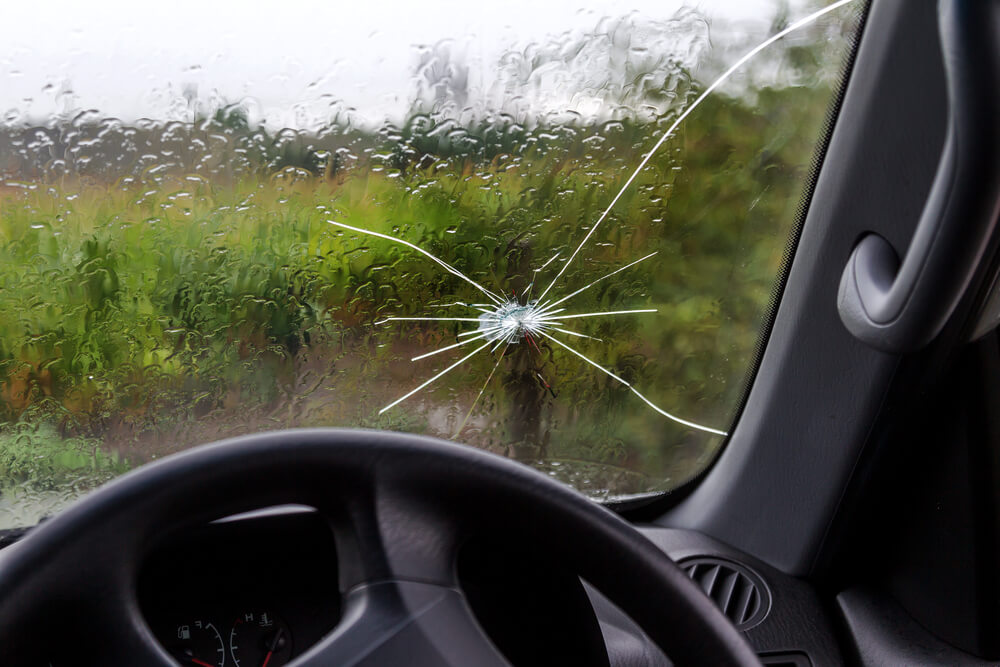
A tiny rock chip can happen in one second on a busy North Texas highway. The truck ahead changes lanes, loose gravel kicks up, and you hear the sharp tap against the glass. While no driver can eliminate every road hazard, learning how to prevent windshield chips can significantly lower the odds of dealing with a crack, a blocked line of sight, or an unexpected windshield replacement.
For Dallas-Fort Worth drivers, prevention is especially practical. Long commutes, construction zones, gravel shoulders, summer heat, and frequent highway traffic all put windshields under extra stress. A few smarter habits behind the wheel and in the driveway can help your auto glass last longer.
Why windshield chips happen so easily
Windshields are made from laminated safety glass, with two layers of glass bonded around a clear plastic layer. That construction helps the windshield remain in place during an impact, but the outer glass layer can still be damaged by a small, fast-moving object.
Most chips start with road debris. Rocks, pieces of asphalt, loose material from construction vehicles, and gravel caught in tire treads can all become projectiles. The size of the rock matters, but speed and distance matter just as much. A small stone thrown from a vehicle traveling at highway speed can hit with enough force to create a chip or pit.
Temperature changes can make the situation worse. The chip may be small at first, then expand when a hot windshield meets cold air conditioning, a thunderstorm, or a cold winter morning. That is why prevention is partly about avoiding impacts and partly about reducing stress on the glass after an impact occurs.
How to prevent windshield chips while driving
The most useful habit is leaving more following distance than feels necessary, especially behind large trucks, work vehicles, dump trucks, landscaping trailers, and vehicles carrying unsecured loads. Their tires are more likely to throw debris toward your windshield. Staying back gives rocks more time to fall or lose speed before reaching your vehicle.
On highways, avoid sitting directly behind trucks whenever traffic allows. Passing safely is often better than following a gravel-hauling truck for several miles. If you cannot pass, move to another lane when it is safe, or create additional space. This will not guarantee a chip-free windshield, but it reduces one of the most common risks.
Slow down on roads with fresh construction, loose gravel, potholes, or active shoulder work. Sudden braking is not the answer, and you should never drive unpredictably around other traffic. Instead, reduce speed gradually and give yourself room. Lower speeds mean tires are less likely to launch debris with enough force to damage glass.
Be cautious when passing vehicles on unpaved roads or near gravel driveways. Even a vehicle traveling in the opposite direction can spray small stones toward your windshield. If visibility and traffic conditions permit, give those vehicles a little extra room.
Watch for road conditions, not just traffic
A clear lane is not always a low-risk lane. Newly resurfaced areas, road repairs, construction entrances, and damaged pavement can all leave loose material behind. In the DFW area, roadwork can change quickly, so drivers who commute the same route every day should still stay alert for fresh debris.
Potholes deserve attention as well. Driving through a deep pothole does not usually create a rock chip by itself, but the impact can stress the windshield and its frame. If the glass already has a small blemish or edge damage, that jolt can help turn it into a crack.
Keep your windshield and wipers in good condition
Clean glass makes it easier to spot small chips early. Dirt, bug residue, and streaks can hide a fresh impact mark until it has already spread. Regularly clean the outside and inside of the windshield with an automotive glass cleaner and a clean microfiber towel. Avoid abrasive pads or harsh household cleaners that may damage tint strips, trim, or nearby surfaces.
Replace worn wiper blades before they begin scraping or chattering across the glass. Old blades do not normally cause a rock chip, but they can scratch the windshield and make existing damage harder to assess. They also reduce visibility during rain, when drivers may miss debris or poor road conditions.
Check the windshield washer fluid level regularly. In Texas heat, dust and bugs build up quickly. Being able to clear the glass immediately helps you see hazards earlier and avoid the temptation to run worn wipers across a dry, dirty windshield.
Park with heat and falling debris in mind
Parking cannot protect your windshield from every risk, but it can reduce thermal stress and avoid unnecessary damage. When possible, choose covered parking, a garage, or shade during the hottest part of the day. Direct summer sun can heat windshield glass well above the outside temperature.
If you get into a vehicle with a hot windshield, do not immediately blast the air conditioning at its coldest setting directly onto the glass. Let the cabin cool gradually for a few minutes. The same principle applies on a cold day: avoid directing maximum defrost heat at a frozen windshield the moment you start the car. Sudden temperature changes can cause existing chips to spread.
Where you park also matters after storms. Avoid spaces beneath weak tree limbs when possible. Falling branches, acorns, and hail can damage auto glass, and parking too close to landscaping crews or construction work raises the chance of debris hitting the vehicle.
Do not use hot water or force to clear glass
When frost, ice, or heavy residue appears on the windshield, use a proper ice scraper and your vehicle's defroster. Pouring hot water on cold glass can cause a rapid temperature change. It may not break an undamaged windshield every time, but it is a needless gamble, especially if there is already a chip you have not noticed.
Likewise, do not strike the glass to remove ice or force frozen wiper blades loose. Lift the wipers carefully after the glass warms, and replace blades that have torn or hardened. Simple care prevents minor problems from becoming glass damage.
Respond quickly when a chip does happen
Even careful drivers get windshield chips. The key is to treat a new chip as time-sensitive. Cover it with clear tape if you can do so safely and the glass is dry. This can help keep moisture, dirt, and windshield washer fluid out of the damaged area until it can be inspected.
Avoid car washes, high-pressure water, and extreme temperature changes until the chip is repaired. Do not press on the damaged spot or pick at loose glass. A repairable chip can spread during an ordinary drive, particularly after a hard bump or a major temperature swing.
Whether repair is possible depends on the chip's size, depth, location, and condition. Damage directly in the driver's primary viewing area may require different handling than a chip near the edge of the windshield. Edge damage is more likely to spread because the windshield experiences added stress around its perimeter.
A qualified technician can assess the glass and explain whether a resin repair is appropriate or whether replacement is the safer choice. For busy drivers in Dallas, Addison, Richardson, Fort Worth, or Irving, mobile service can keep a small glass problem from taking over the workday. Mid Cities Auto Glass can come to your home, office, or another convenient location for eligible repairs and replacements.
Prevention is worth the extra space
There is a trade-off to leaving more distance behind trucks or changing lanes around construction traffic: it may add a few seconds to a commute. That is usually far less inconvenient than arranging a repair, changing travel plans, or driving with a growing crack in your field of vision.
The next time you see a dump truck, gravel shoulder, or freshly milled lane ahead, ease back and protect your following distance. That small decision is often the best protection your windshield gets all day.