A rock chip on your morning commute or a broken side window in a work parking lot can throw off the entire day. Knowing how mobile auto glass works helps you make a fast, safe decision without taking time off to sit in a repair shop. A qualified technician comes to your home, office, driveway, or another approved location, assesses the damage, and completes the right repair or replacement on-site when conditions allow.
For drivers across Dallas, Addison, Richardson, Irving, and Fort Worth, mobile service is built around one simple goal: getting your vehicle safe and secure with as little downtime as possible.
How Mobile Auto Glass Works From Start to Finish
The process usually starts with a call or online quote request. You will be asked for your vehicle's year, make, model, and the damaged glass location. A windshield, front door window, rear door window, quarter glass, back glass, and sunroof panel can all require different parts and installation methods.
Photos are often helpful, especially for a windshield chip, a long crack, or shattered door glass. They let the auto glass team get a better idea of whether repair may be possible and whether a replacement part needs to be ordered before the appointment. Providing accurate vehicle details matters because glass can vary by trim level, camera systems, rain sensors, antennas, heating elements, and other features.
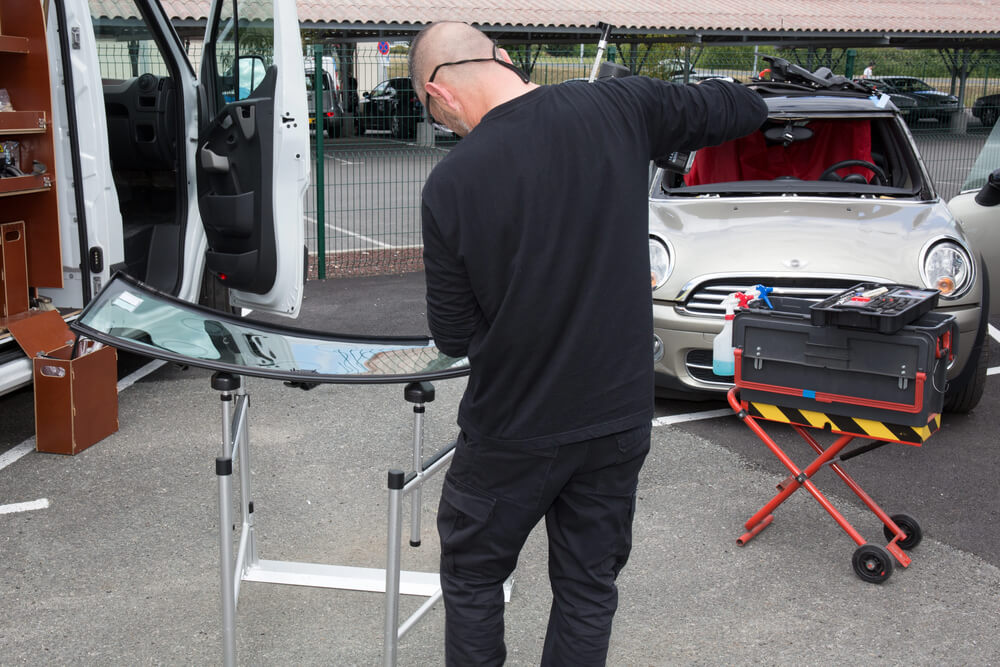
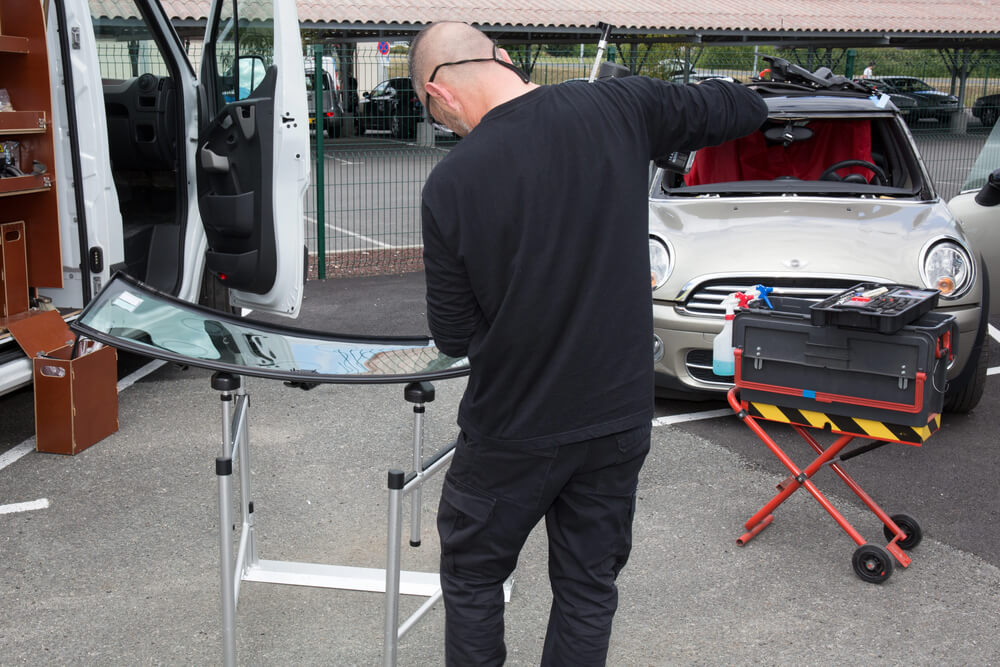
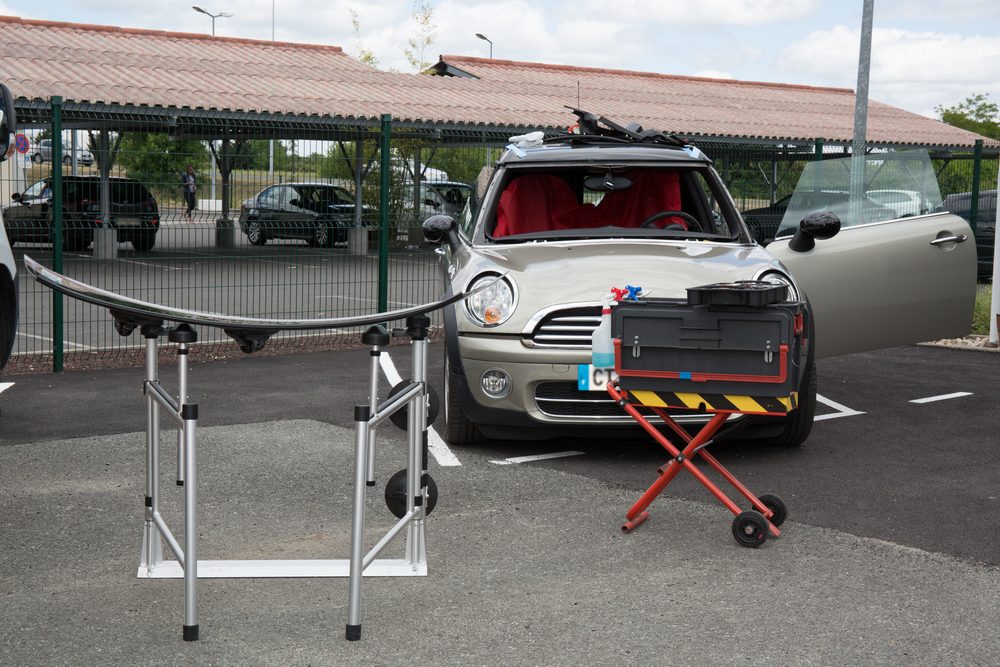
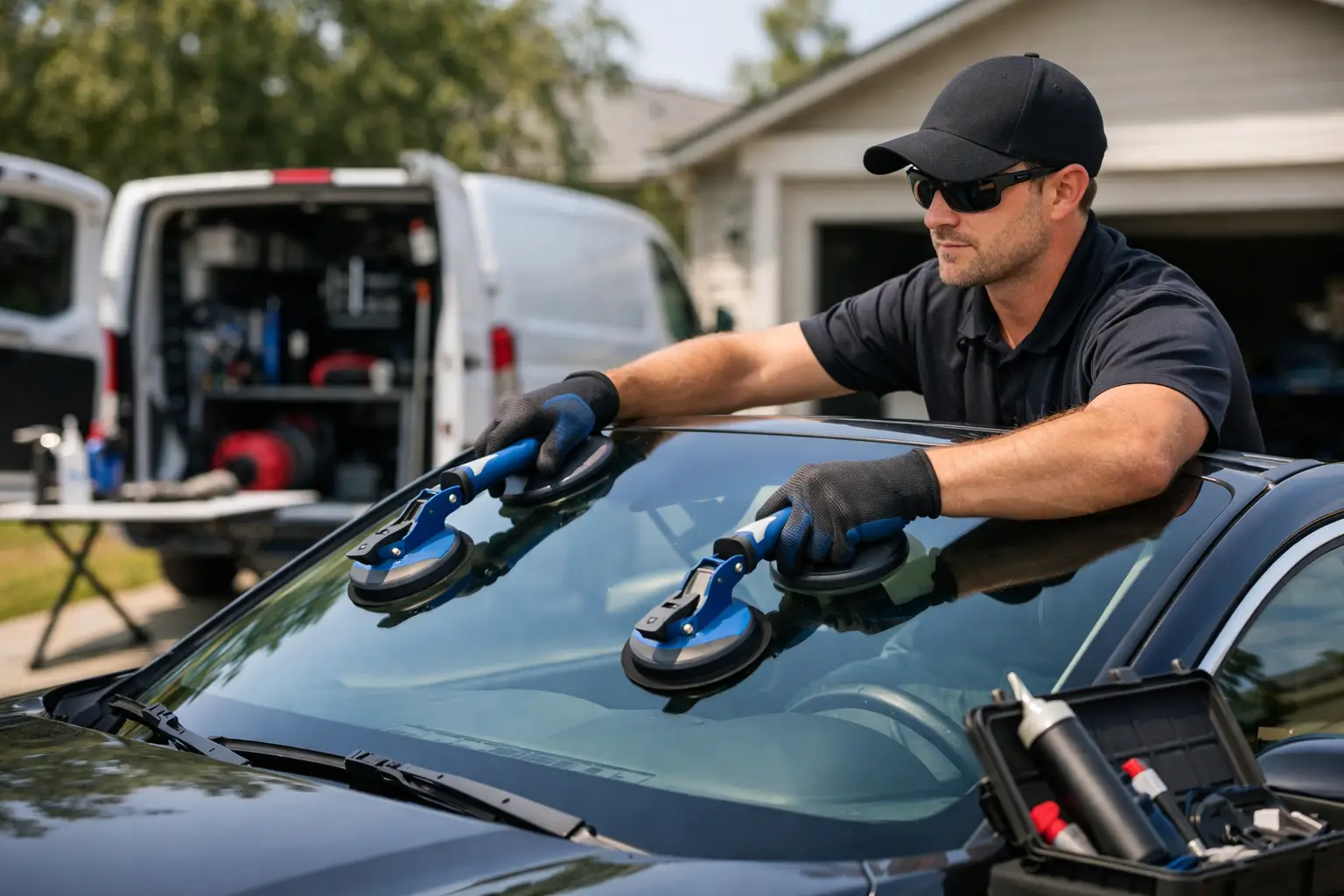
Once the service is scheduled, the technician travels to your location with the tools, adhesives, glass, and protective materials needed for the job. You do not need a garage in most cases. A driveway, workplace parking area, or covered parking space can work well, as long as there is enough room around the vehicle and the weather is suitable for a safe installation.
First, the technician inspects the damage
A mobile appointment begins with an inspection. The technician checks the size, depth, location, and type of damage, along with the condition of the surrounding glass and frame.
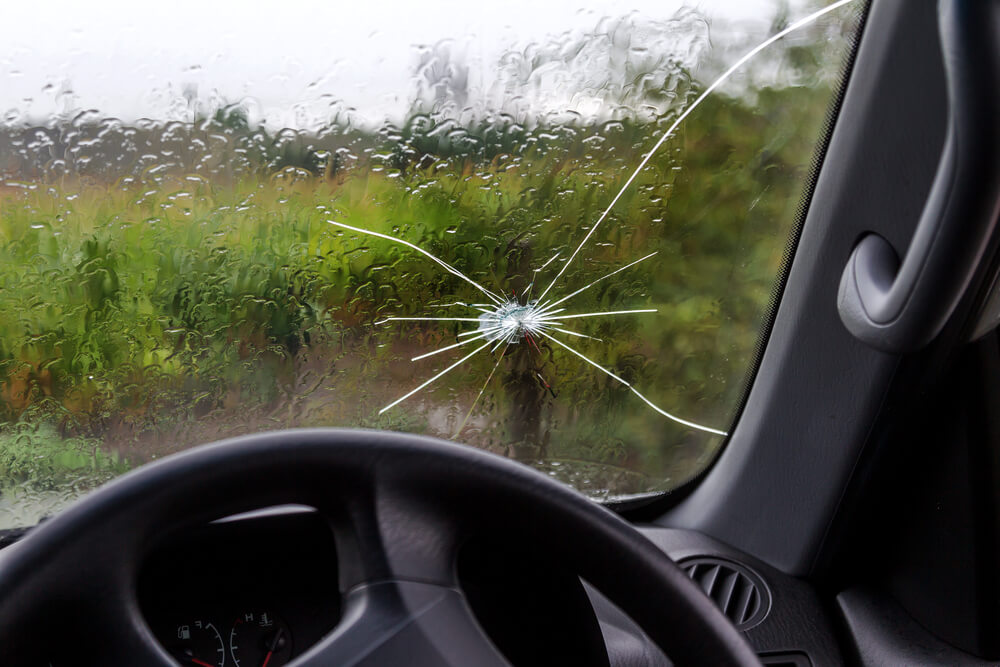
For windshield damage, a small chip or short crack may be repairable if it has not spread too far and is outside the driver's direct line of sight. Repair is generally faster and less expensive than replacement, but it is not always the right choice. A crack near the windshield edge, damage that reaches multiple layers, or a break that affects visibility may call for a new windshield instead.
With a broken side or rear window, replacement is normally necessary. Tempered glass used in many side and back windows is designed to break into small pieces, so it cannot be repaired once it shatters. The technician will remove loose glass from the door, interior, and window channel before installing the replacement.
Mobile Windshield Repair: What Happens On-Site
Windshield repair is designed to stop damage from spreading and improve the appearance of a chip or small crack. The technician cleans loose debris from the damaged area, applies a specialized resin, and uses controlled pressure to help the resin fill the break. The resin is then cured with ultraviolet light and polished.
The finished repair may still be faintly visible. The goal is not to make every mark disappear completely. The goal is to restore strength to the damaged area, reduce the chance of spreading, and keep you from needing a more costly windshield replacement when possible.
Timing matters. Texas heat, road vibration, temperature changes, and moisture can turn a small chip into a long crack quickly. If you notice fresh windshield damage, avoid blasting the defroster or air conditioner directly onto the glass and arrange an inspection soon.
What Happens During Mobile Windshield Replacement
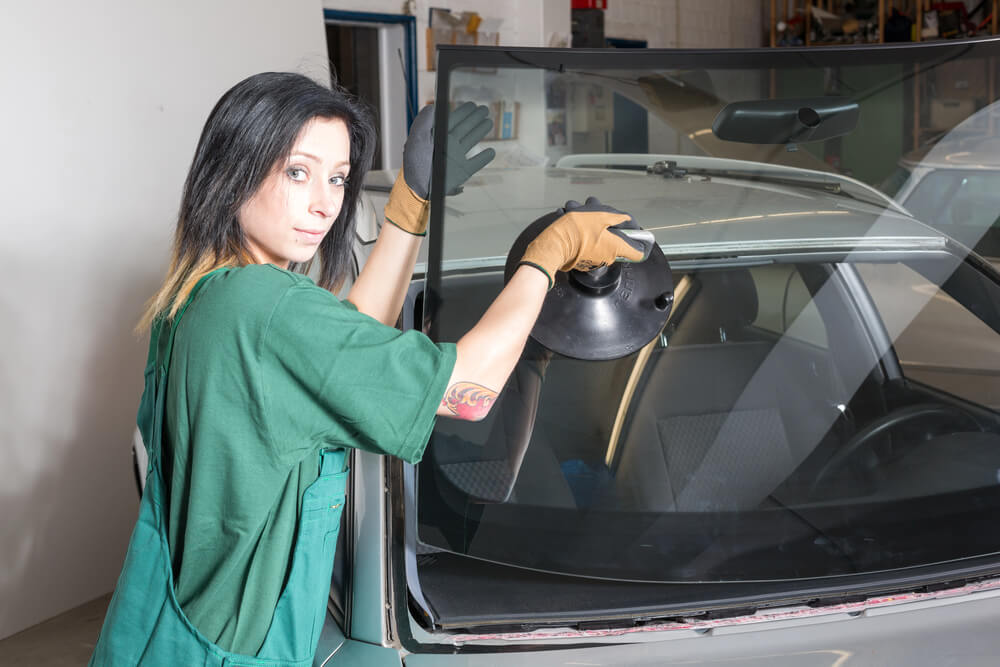
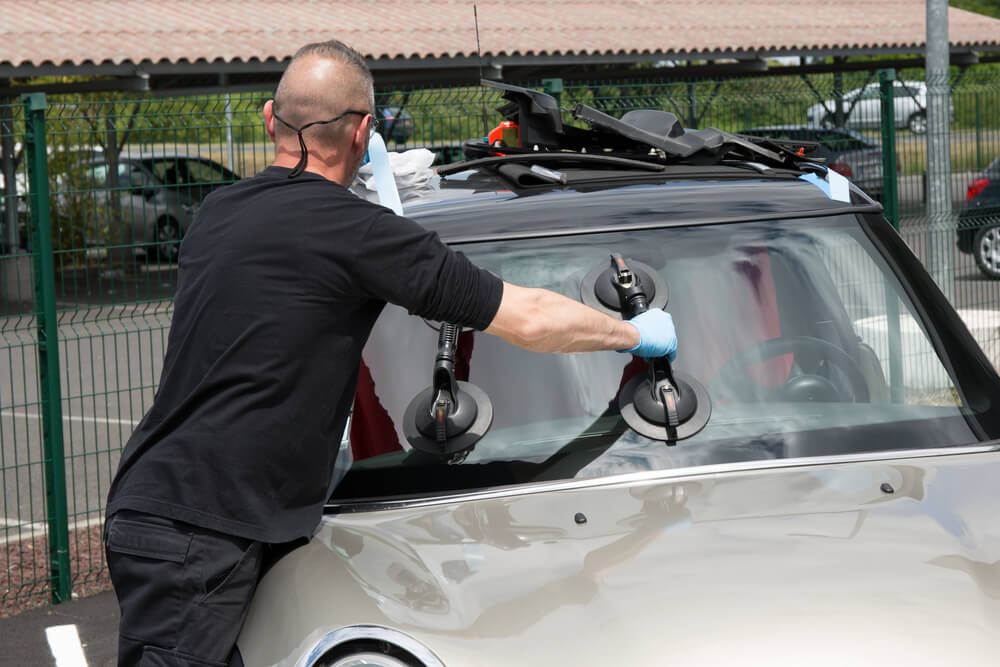
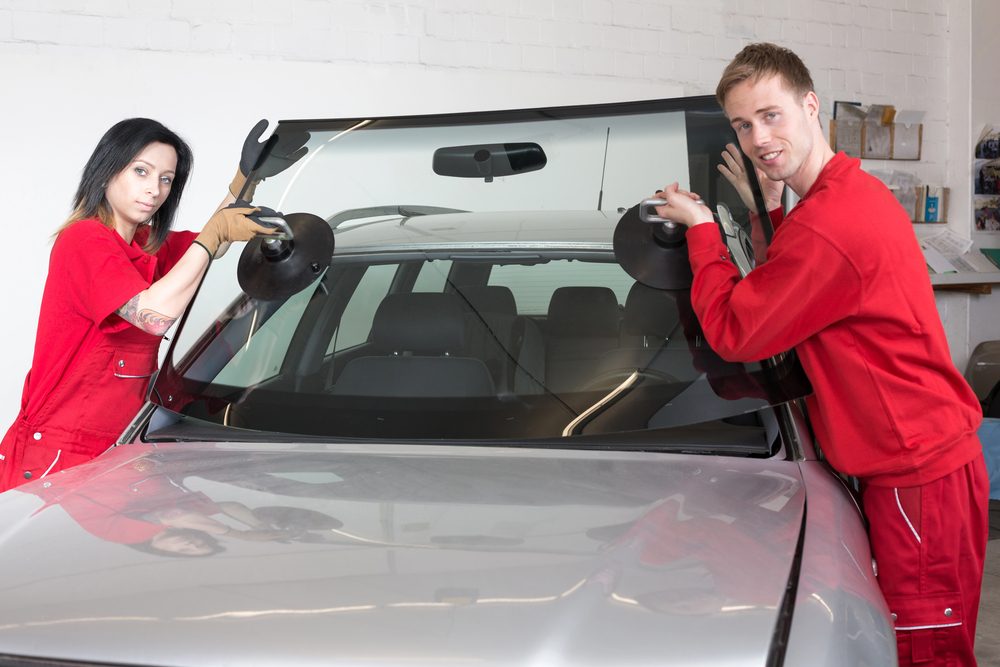
A windshield replacement takes more preparation than a chip repair, but it can still be completed at your location. The technician protects the hood, dashboard, and surrounding paint, then carefully removes the damaged windshield without harming the vehicle's frame or trim.
Old urethane adhesive is trimmed to create a proper bonding surface. The frame is inspected for corrosion or damage, and primer may be applied where needed. The new windshield is set into place using automotive-grade urethane designed to hold the glass securely as part of the vehicle's safety system.
This adhesive needs time to cure. Your technician will tell you when it is safe to drive, which can depend on the adhesive used, temperature, humidity, and the vehicle itself. Do not assume you can drive immediately after every replacement. Following the recommended safe drive-away time protects the quality of the installation.
Modern windshields can also support advanced driver assistance systems. If your vehicle has a forward-facing camera for lane departure alerts, automatic emergency braking, or adaptive cruise features, windshield replacement may require camera recalibration. The exact need depends on the vehicle and its equipment. This step helps ensure those safety features continue to read the road correctly.
What You Need to Provide for a Mobile Appointment
Mobile auto glass service is convenient, but the work area still needs to support a quality installation. Park the vehicle on a reasonably level surface and leave enough space for the technician to open doors and work around the glass. Remove personal items from the dashboard, front seats, door pockets, or cargo area near the damaged window.
A covered area is helpful during rain, high winds, or extreme weather. Adhesives, glass surfaces, and electronic components need to stay clean and dry during installation. If the weather prevents a proper repair or replacement, rescheduling may be safer than rushing the job.
You should also let the technician know about existing problems, such as a damaged door panel, broken window regulator, leaking windshield, aftermarket tint, or previous glass work. These details do not always change the appointment, but they help avoid surprises once the work begins.
Insurance, Costs, and the Repair-or-Replace Decision
The cost of mobile auto glass service depends on the glass type, vehicle, available parts, sensors, labor, and whether recalibration is needed. A basic side window replacement is different from replacing a windshield with cameras, heads-up display technology, acoustic glass, or heating elements.
Many comprehensive auto insurance policies cover windshield repair or replacement, though your deductible and coverage terms determine what you pay. A repair may be covered with little or no out-of-pocket cost under some policies. Replacement often involves a deductible, but every policy is different.
The best approach is to get the facts before approving work. Ask whether the damage is safely repairable, whether the quoted glass meets the needs of your vehicle, whether recalibration is required, and how long the vehicle should remain parked after installation. Clear answers are more useful than choosing the cheapest option without understanding what is included.
When Mobile Service May Not Be the Best Fit
Mobile service handles most common windshield and car window needs, but there are exceptions. Severe weather, limited access to the vehicle, extensive body damage around the glass opening, or a complex calibration requirement can make a controlled shop setting the better choice.
That is not a failure of mobile service. It is the technician putting safe installation ahead of convenience. Auto glass supports visibility, roof strength, airbag performance, and vehicle security. The right setting and process matter.
A damaged window does not have to mean losing a full day at a shop. Mobile auto glass service brings the inspection, repair, replacement, and practical guidance to where your vehicle already is. If the glass is cracked, chipped, or broken, acting early gives you more options and helps keep a minor problem from becoming an unsafe one.