That little chip in your windshield can feel minor right up until it spreads across your line of sight on the drive to work. If you are wondering how long does a windshield repair last, the short answer is this: a proper repair can last for years, and often for the remaining life of the windshield. But that depends on the size of the damage, where it sits, how quickly it was repaired, and the overall condition of the glass.
For most drivers, the real question is not just whether the repair will hold today. It is whether it will keep holding through Texas heat, highway vibration, sudden temperature changes, and everyday driving. That is where the details matter.
How long does a windshield repair last in real life?
A quality windshield chip repair is meant to be permanent. When the damage is repairable and the resin is properly injected and cured, the repaired area should stay stable for the long term. In many cases, drivers never have another problem with that spot.
That said, repaired glass does not go back to factory-new condition. The goal of repair is to stop the crack or chip from spreading, restore some strength, and improve visibility. It is not a cosmetic reset. You may still see a small mark, and the area may remain a little more vulnerable than untouched glass.
So if you are asking how long does a windshield repair last, the best answer is: long enough to avoid replacement in many cases, but not guaranteed forever in every situation. A good repair has a strong chance of lasting as long as you own the vehicle. A weak repair, delayed repair, or repair on damage that should have been replaced in the first place may fail much sooner.
What affects how long a windshield repair lasts?
The biggest factor is the type of damage. A small chip that was repaired quickly usually holds much better than a long crack that has already collected dirt and moisture. Once contaminants get into the break, it becomes harder for the resin to bond cleanly.
Location matters too. Damage near the edge of the windshield is more likely to spread because the outer perimeter carries more structural stress. A chip in the center area is often a better repair candidate. If the damage is directly in the driver’s line of sight, a shop may recommend replacement even if repair is technically possible, because optical clarity matters just as much as strength.
Timing also plays a bigger role than many people expect. If you catch a rock chip early and get it repaired before weather, washing, and road grime work their way in, the result is usually stronger and cleaner. Waiting even a few days can make a difference, especially during hot weather or after heavy rain.
And then there is workmanship. Windshield repair is not just about filling a hole. It requires the right pressure, the right resin, proper curing, and a technician who knows when a repair is likely to hold and when replacement is the safer call.
The weather factor in North Texas
In places like Dallas, Irving, Richardson, and Fort Worth, windshields take a beating. Summer heat can expand the glass, cold blasts from the AC can create sudden temperature changes, and highway driving adds constant vibration. A properly repaired chip can handle those conditions, but an untreated chip or a poor repair often cannot.
That is one reason mobile service helps. Getting the damage looked at quickly, instead of putting it off for another week, can be the difference between a fast repair and a full windshield replacement.
When a windshield repair is likely to last
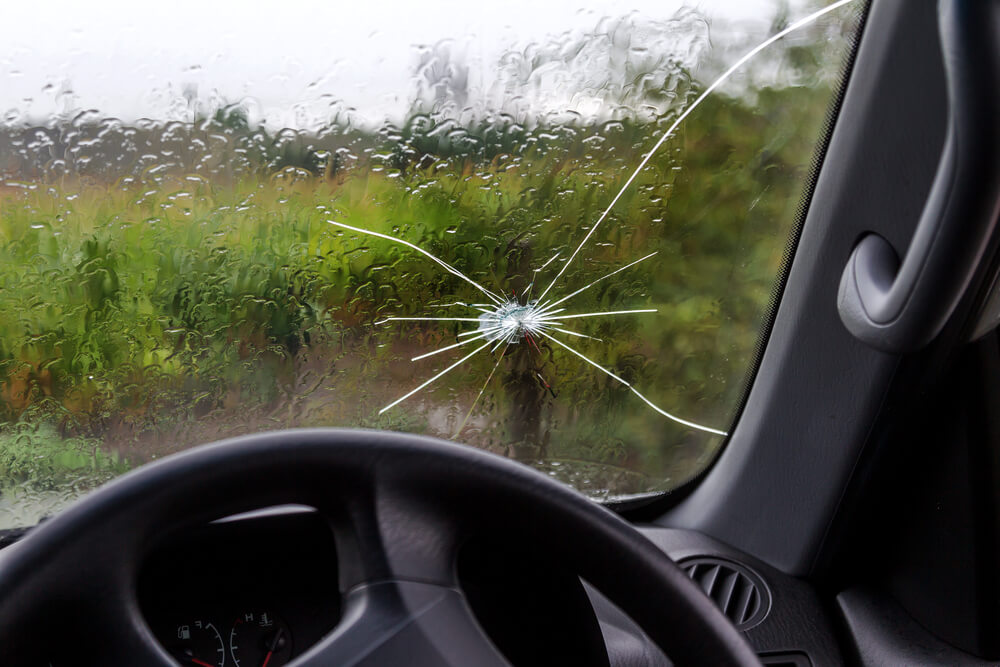
A repair usually has the best long-term outcome when the chip is small, the damage has not spread far, and the repair is done soon after impact. Bullseye breaks, star breaks, and small combination chips can often be repaired successfully if they meet size and location guidelines.
The glass also needs to be structurally suitable for repair. If the inner layer is damaged or the crack is too deep, the repair may not hold the way it should. In those cases, replacement is not upselling. It is the safer option.
A good rule of thumb is simple: if the damage is limited, recent, and away from the edge, repair stands a much better chance of lasting.
When a repair may not hold up well
Not every windshield should be repaired. This is where a lot of frustration starts for drivers. They want the faster, lower-cost option, but some damage has already gone beyond what resin can reliably stabilize.
Long cracks are a common example. Some can be repaired under certain conditions, but longer cracks are more likely to keep moving, especially if they are exposed to road vibration and temperature swings. Edge cracks are also riskier because they weaken a part of the windshield that already handles a lot of stress.
Older damage is another problem. If the chip has turned cloudy, gathered debris, or been through multiple temperature cycles, repair results are less predictable. The resin may still improve it, but the durability may not be as strong as a fresh repair.
Poor previous repairs can also fail. If a spot was repaired before but still shows movement, discoloration, or spreading, replacement is often the better path.
Will a repaired windshield look completely normal?
Usually, no. A repair should improve the appearance of the chip, but most repairs leave some visible trace. That could be a faint spot, a small distortion, or a tiny outline where the break was.
That does not mean the repair was done badly. It means the glass was damaged and then stabilized, not replaced. The purpose is to keep the damage from growing and restore function, not erase every sign that it happened.
If perfect appearance is your top priority, replacement may be the better fit. If your main goal is to stop a chip from becoming a crack and avoid the higher cost of a new windshield, repair is often the smart move.
How to help a windshield repair last longer
Once the repair is complete, there is not much maintenance involved, but a little common sense helps. Avoid slamming doors immediately after service if the technician gives that advice. Try not to blast very hot or very cold air directly onto the glass right away. And if you notice the crack starting to spread after repair, get it checked quickly instead of hoping it settles down.
Most importantly, do not ignore new damage near the repaired spot. One successful repair does not protect the windshield from the next rock on the highway.
Repair vs. replacement: which one makes more sense?
If the damage is repairable, repair is usually faster, more affordable, and more convenient. It preserves the original factory seal, which many technicians prefer when possible. For busy drivers, especially commuters and rideshare drivers, that can mean less downtime and less disruption.
Replacement makes more sense when the crack is too large, the damage blocks visibility, the edge is involved, or the structural strength of the windshield is compromised. It costs more and takes more care because adhesives need proper cure time, but it is sometimes the only option that truly fixes the problem.
The honest answer is that the best choice depends on the glass in front of you, not a generic rule from the internet.
A quick answer to the question drivers actually mean
When most people ask how long does a windshield repair last, they are really asking whether it is worth doing or whether they will end up replacing the windshield anyway. If the damage is a good candidate for repair and it is handled promptly, it is usually worth doing. A proper repair can last for years and may save the windshield entirely.
If the damage is already spreading, sits near the edge, or has been there too long, repair may only delay the inevitable or may not be recommended at all. In that case, replacing the windshield is the more dependable fix.
For drivers with busy schedules, getting a quick professional assessment is the most useful next step. A mobile auto glass service like Mid Cities Auto Glass can inspect the damage where your car is parked and tell you plainly whether the repair is likely to last or whether replacement is the better call.
A windshield chip rarely gets better on its own. The sooner you deal with it, the more likely you are to keep the repair simple, the cost lower, and the glass safe for the miles ahead.