A rock chip can look minor when you first spot it in a parking lot or driveway. By the next hot afternoon, cold morning, or highway commute, that same spot may have a crack running across the windshield. Knowing how chip repair works helps you make a fast decision before a simple mobile repair turns into a full windshield replacement.
For most small, repairable chips, the process takes far less time than drivers expect. A technician restores strength to the damaged area with specialized resin, cures it with ultraviolet light, and improves the windshield’s appearance and clarity. The goal is not to make every mark disappear completely. It is to stop the damage from spreading and preserve the structural role your windshield plays in the vehicle.
How Chip Repair Works Step by Step
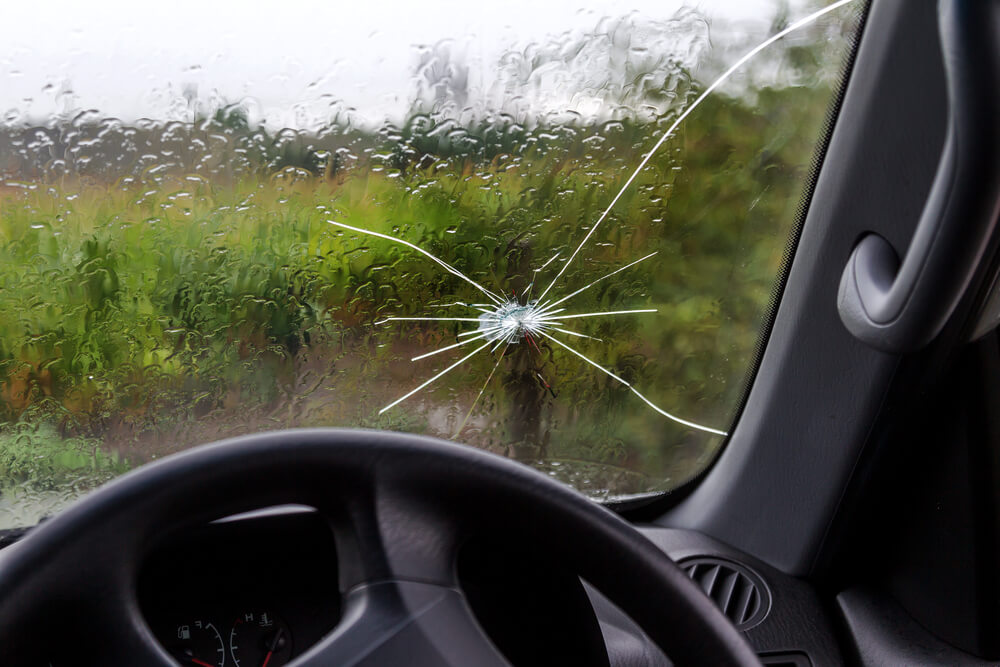
Windshield glass is not a single sheet of glass. It is made from two layers of glass bonded around a clear plastic layer. When a rock strikes the outer layer, it can leave a small impact point with cracks extending out from it. Those cracks may be short and hard to see, but they create weak points that can grow under stress.
The repair begins with an inspection. A technician checks the size, shape, depth, location, and condition of the chip. They also look for dirt, moisture, loose glass, or signs that the damage has already started to spread. A fresh, clean chip is usually easier to repair than one that has been collecting road grime for weeks.
If the damage qualifies for repair, the technician cleans the impact area and removes loose glass fragments. In some cases, a small access point may be made to help the resin flow into the damaged sections. This is done carefully and only when needed.
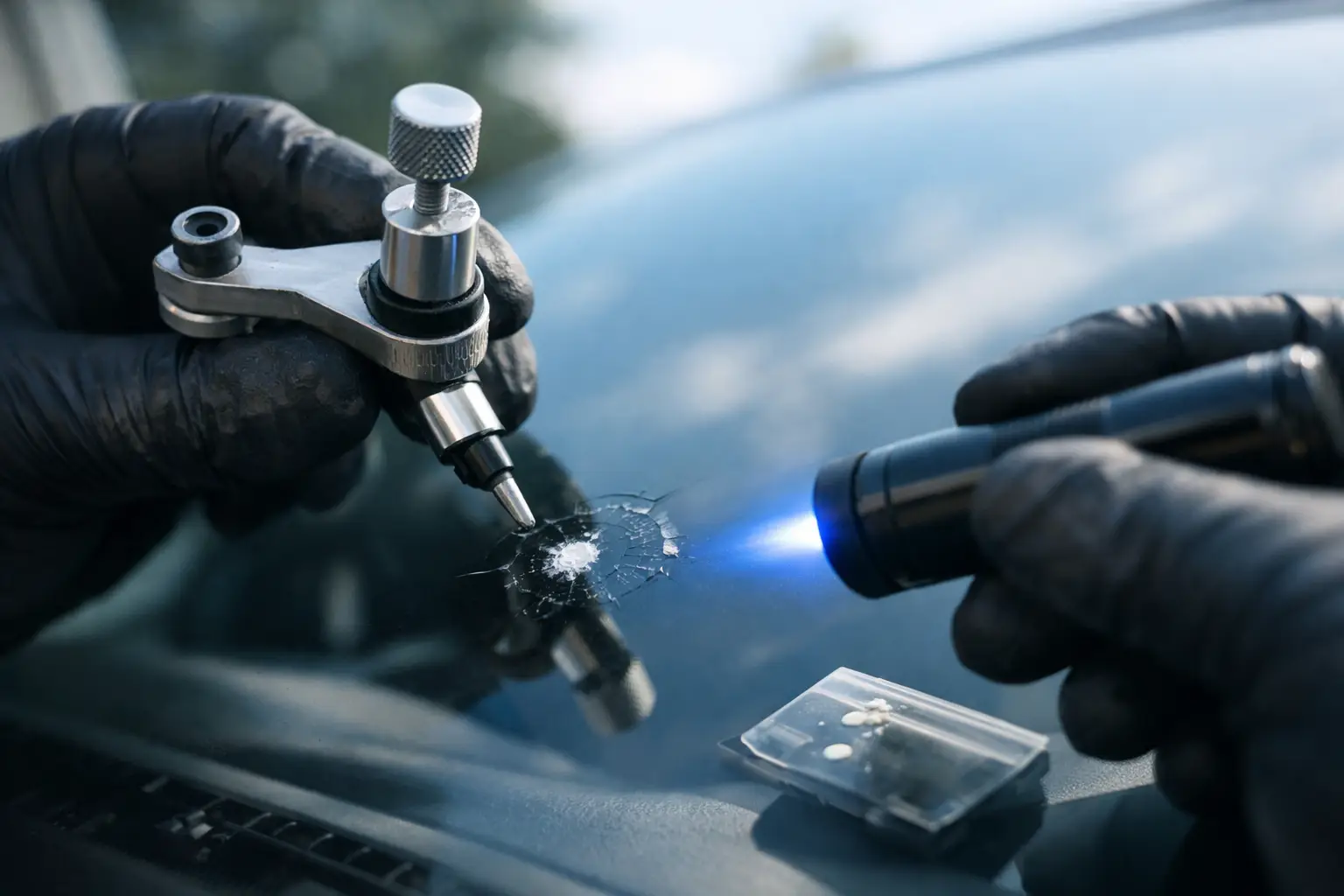
Next, a repair bridge is secured over the chip. The bridge uses controlled pressure and vacuum cycles to pull air out of the break and draw clear repair resin into the tiny cracks. This part matters because trapped air can leave weak areas or make the repaired spot more noticeable.
Once the resin has filled the damage, it is cured with a UV light. The light hardens the resin so it bonds within the break. The technician then finishes and polishes the surface, removing excess resin and smoothing the impact point. The repaired area will often look much better, although a faint blemish can remain depending on the chip’s age and severity.
What Windshield Chip Repair Can Fix
Many common road-damage patterns can be repaired if they are addressed early. Bullseye chips, star breaks, combination breaks, and small surface pits are often good candidates. The best repairs are generally small, recent, and located away from the windshield’s edge.
A repair is usually more likely when the chip is about the size of a quarter or smaller, including its short legs or cracks. That is a guideline, not a guarantee. Modern resins and proper equipment can sometimes address damage that is slightly larger, while a small chip in a difficult location may still require replacement.
Location is a major factor. Damage near the outer edge of the windshield can be more serious because the edge carries stress from the vehicle frame. A chip directly in the driver’s primary viewing area also requires careful judgment. Even if resin can stabilize it, a visible repair mark may interfere with clear vision, especially at night or in rain.
Damage that reaches the inner glass layer, long cracks, and chips with significant missing glass may not be safely repairable. The same is true when contamination has worked deep into the break. In these situations, windshield replacement is often the safer answer.
Why Chips Turn Into Cracks So Quickly in DFW
Dallas-Fort Worth drivers put windshields through a lot. Highway speeds, construction debris, gravel shoulders, temperature swings, and strong summer heat all add stress to damaged glass. A chip might survive a calm day, then spread when you run the defroster on a cold morning or park in direct sun during a hot afternoon.
Temperature changes cause glass to expand and contract. Because a chip interrupts the glass surface, stress concentrates around the damaged area instead of distributing evenly. Road vibration, a closing car door, and pressure from the body of the vehicle can add enough force to start a crack.
Moisture creates another problem. Water can enter the break and carry dust or minerals with it. If temperatures drop low enough, moisture can freeze and expand. Even in North Texas, where hard freezes are not constant, waiting through changing weather can make a repair less successful.
That is why covering a fresh chip with a clean piece of clear tape can be helpful until service is available. The tape will not repair the damage, but it can keep out dirt and water. Avoid washing the vehicle, pressing on the chip, or using extreme heat or cold directly on the windshield before the inspection.
Repair Versus Replacement: The Practical Difference
Repair is usually the preferred option when the damage is eligible. It is faster, generally costs less than replacement, and keeps the factory-installed windshield in place. A mobile chip repair can often be completed where your vehicle is parked, which means less disruption for commuters, families, and drivers who depend on their vehicles for work.
Replacement becomes necessary when safety, visibility, or structural integrity is at risk. A windshield supports the roof in certain rollover situations and helps airbags deploy as designed. Installing a new windshield is not simply a matter of fitting new glass. It requires correct glass, proper adhesives, careful installation, and appropriate curing time.
Some newer vehicles also need camera or sensor calibration after windshield replacement. Features such as forward collision alerts, lane-keeping assistance, and automatic emergency braking may rely on equipment mounted near the windshield. Chip repair does not normally affect those systems, but replacement may involve additional steps and cost.
The trade-off is straightforward: repair is ideal when it can safely stop a small break from getting worse; replacement is the better choice when the glass cannot be restored to a safe condition. A reputable technician should explain why they recommend one option over the other rather than pushing a repair that will not hold up.
What to Expect From Mobile Chip Repair
Mobile service is designed for the moment when you do not have time to sit in a shop waiting room. Your vehicle needs to be parked somewhere accessible, with enough room for the technician to work around the windshield. A driveway, office parking lot, apartment parking area, or job site can work well.
Dry conditions are best. Rain, standing moisture, or heavy contamination inside the chip can affect the resin bond. If weather is a concern, the technician may recommend waiting for a dry window or moving the vehicle to a covered location.
Most chip repairs take roughly 30 to 45 minutes, though the actual time depends on the break. Afterward, you can generally drive normally. The repaired spot should be stable, but remember that glass repair is about preventing spread and restoring strength, not producing invisible glass in every case.
Mid Cities Auto Glass provides mobile windshield chip repair for drivers who need practical help without losing a day to a shop visit. For Dallas, Addison, Richardson, Fort Worth, and Irving drivers, getting the chip inspected promptly can be the difference between a quick repair and a larger replacement job.
When to Call for Chip Repair
Call as soon as you notice a new chip, especially if it has visible legs, sits near the windshield edge, or appeared after a hard impact. Do not wait to see whether it spreads. Once a crack starts moving across the glass, repair options become much more limited.
If you are unsure whether the damage is repairable, take a clear look at the size and location without touching it. A professional inspection gives you the answer quickly. The best next step is usually simple: protect the chip from dirt and moisture, arrange service soon, and let a trained technician determine whether your windshield can be saved.