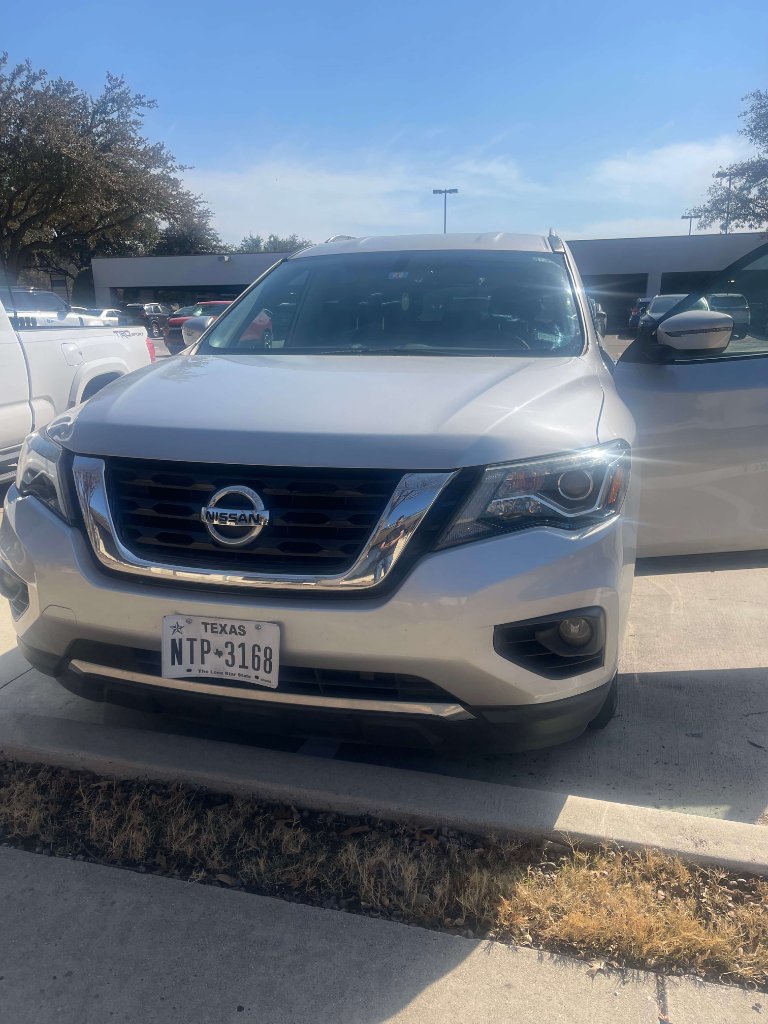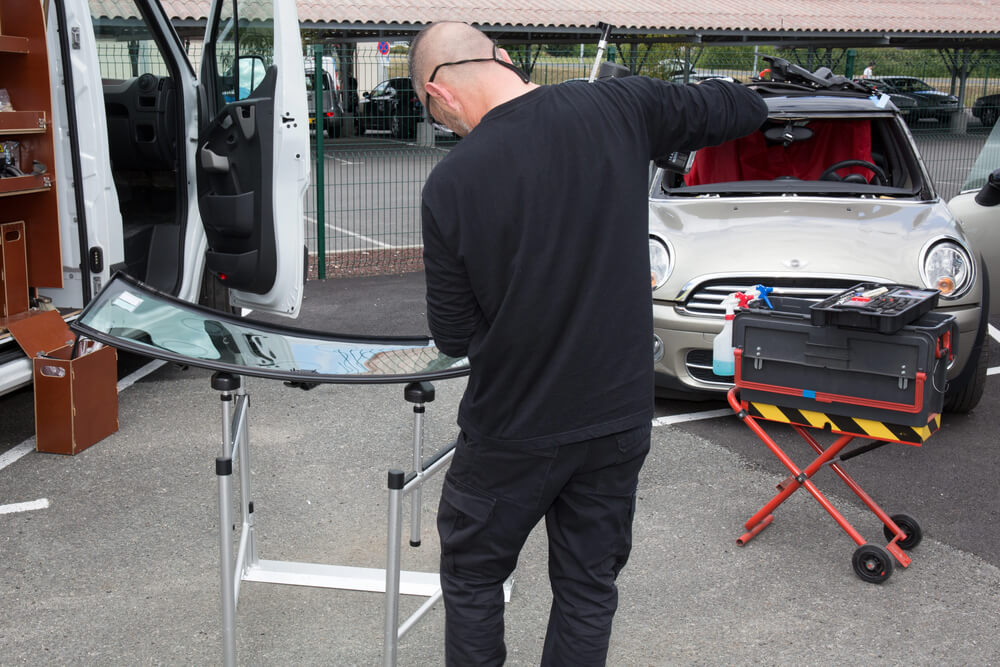
A chipped windshield on one service van may look minor at the start of a shift. For a fleet manager, it can quickly become a missed appointment, an unsafe driver, or a vehicle pulled from the road. Fleet windshield repairs help keep that small problem from turning into expensive downtime, especially when mobile glass service can come to the vehicle instead of sending it across town.
Whether you manage delivery vehicles, contractor trucks, rideshare cars, or company sedans, windshield damage needs a clear response plan. The goal is not simply to fix glass fast. It is to protect visibility, keep drivers safe, control costs, and get vehicles back to work with as little disruption as possible.
Why Windshield Damage Hits Fleets Harder
A privately owned vehicle can sit in a driveway for a day or two while its owner schedules service. A fleet vehicle often cannot. It may be assigned to deliveries, customer visits, job sites, airport runs, or routes that have no backup vehicle available.
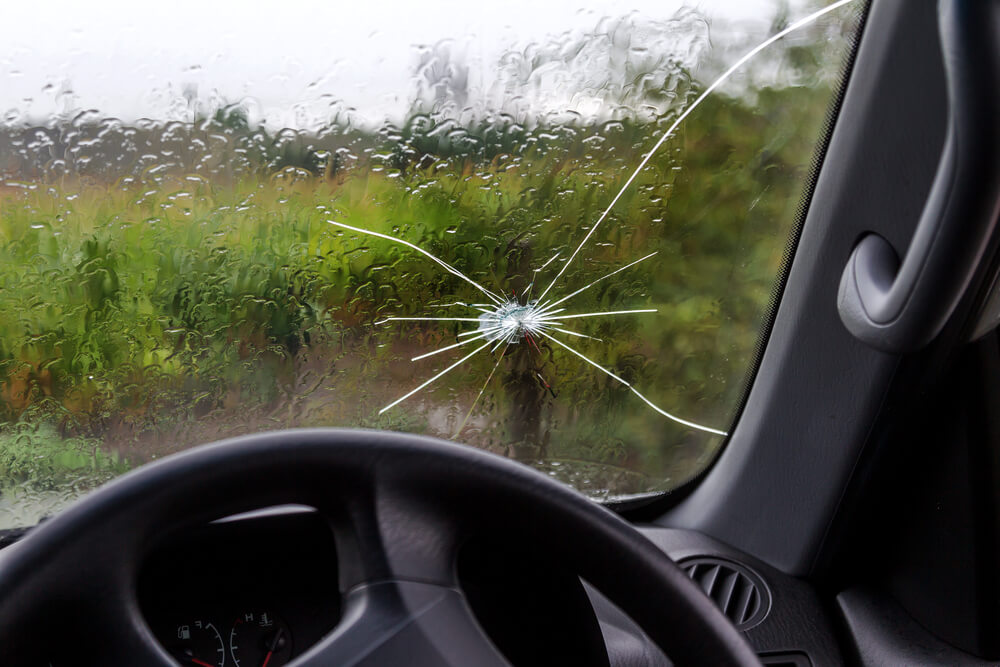
Windshield damage also tends to spread at the worst time. A small rock chip can turn into a long crack after a Texas temperature swing, a pothole, or vibration from daily driving. Once a crack reaches the driver’s line of sight or grows near the windshield edge, repair may no longer be the right option.
There is also a safety issue. A windshield supports the vehicle’s structure and works with the airbag system in many modern vehicles. If the glass is badly cracked, visibility is compromised, or the windshield is not properly installed after replacement, the vehicle should not be treated as business as usual.
When Fleet Windshield Repairs Make Sense
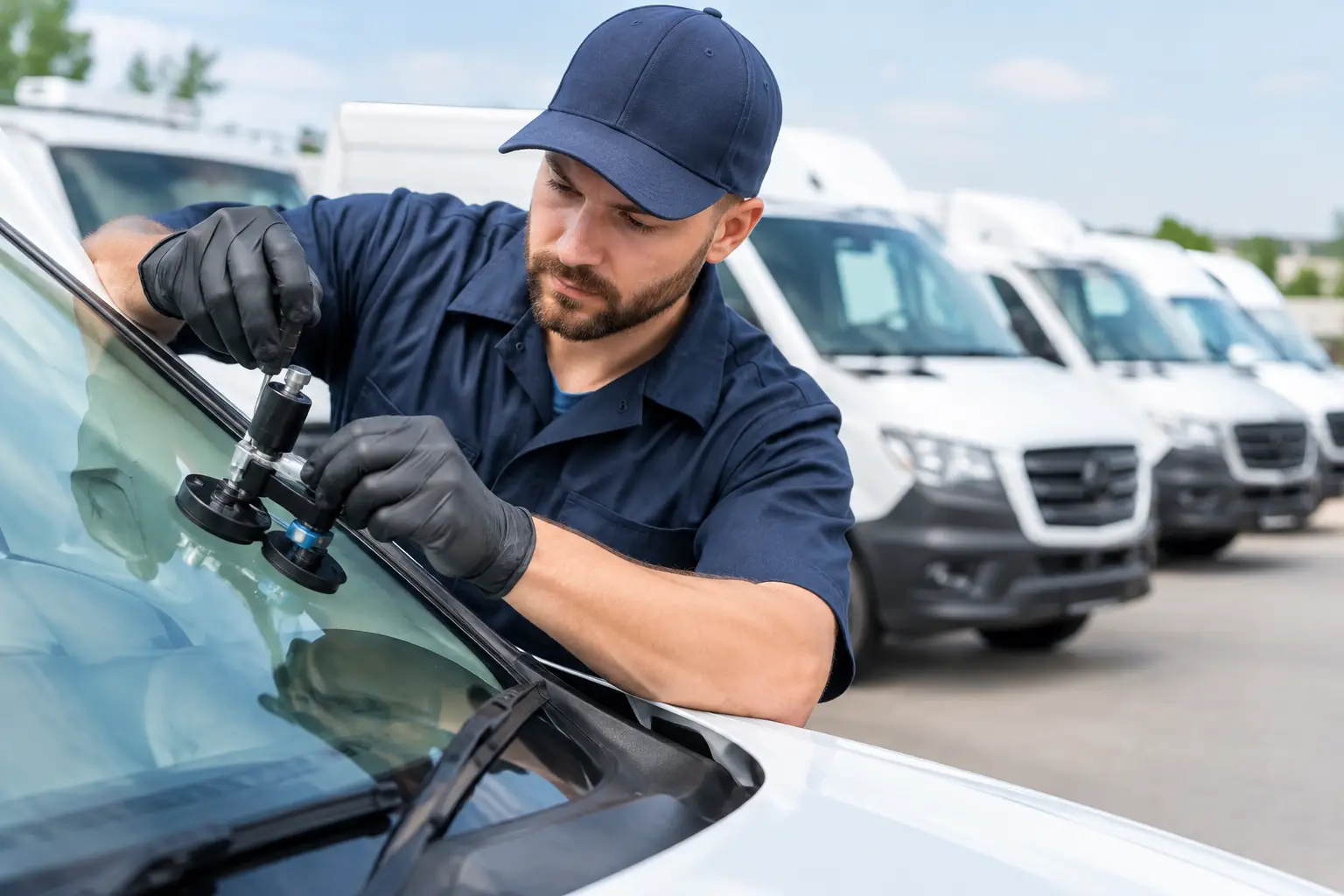
Windshield repair is often the practical choice when damage is caught early. A technician may be able to repair a small chip or short crack if the damaged area is limited, the glass is otherwise stable, and the break is not directly in the driver’s primary viewing area.
Repair generally takes less time than a full replacement and may keep the original factory windshield in place. That can be useful for fleet managers trying to avoid unnecessary vehicle downtime. It also costs less in many situations.
Still, repair is not always the safest answer. Replacement is usually recommended when the crack is long, the damage reaches the edge of the windshield, there are multiple impact points, or the glass has damage in a critical viewing area. A qualified auto glass technician should inspect the damage rather than relying only on a photo or a quick glance from the parking lot.
Chips Need Attention Before They Spread
The best time to address a chip is before dirt, water, and heat work their way into it. Clean damage is easier to repair than a chip that has been exposed to weeks of rain, windshield washer fluid, dust, and road grime.
Drivers should avoid pressing on the damaged area, slamming doors, or blasting the defroster directly at the windshield until the glass is inspected. These simple steps will not guarantee that a repair is possible, but they can reduce the chance of the damage spreading before service arrives.
Mobile Service Keeps Vehicles Where They Are Needed
For a fleet, the real cost of windshield damage is often the time spent dealing with it. Driving a vehicle to a glass shop means taking a driver off a route, arranging transportation, and waiting for the work to be completed. That may be manageable for one vehicle. It becomes harder when several vehicles need attention in the same week.
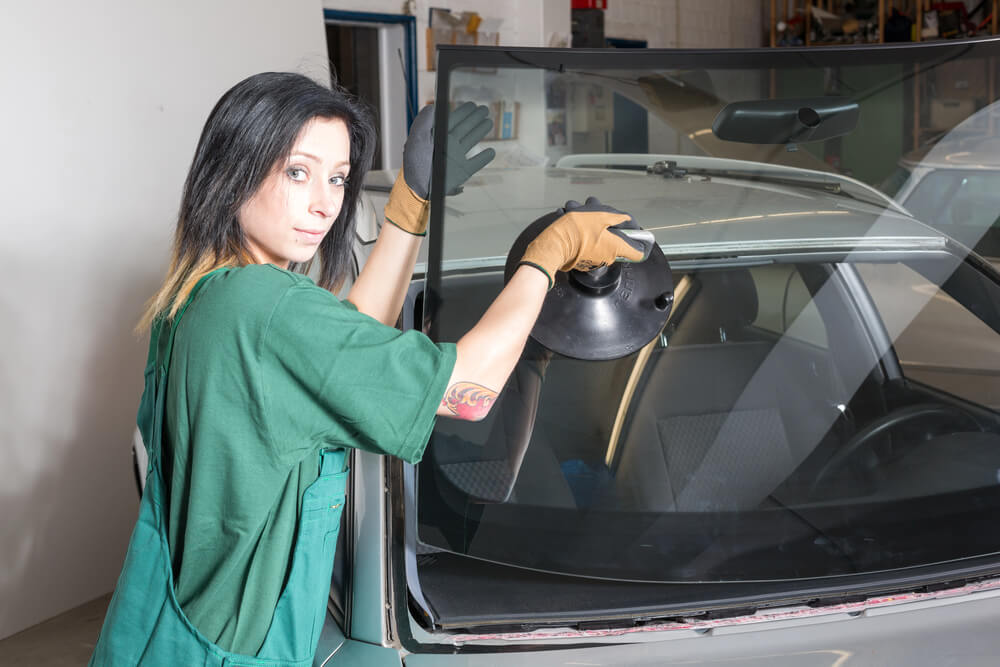
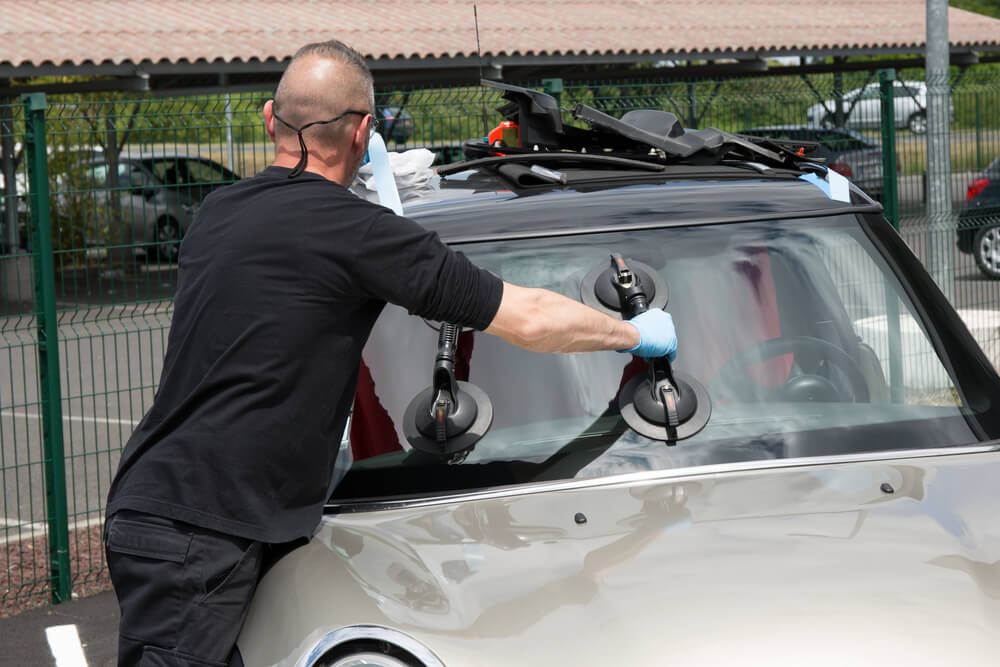
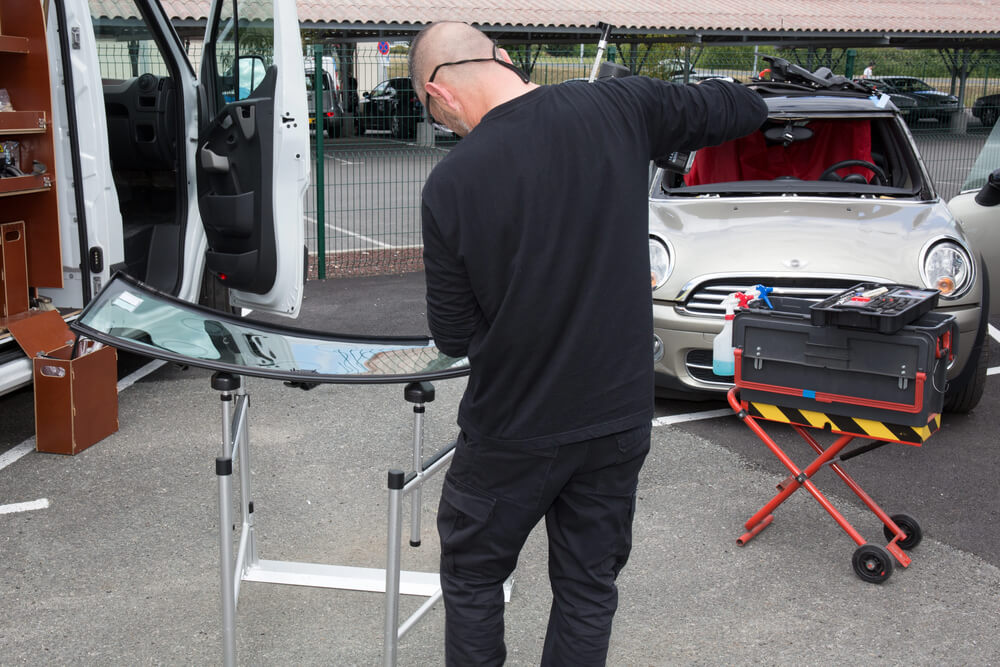
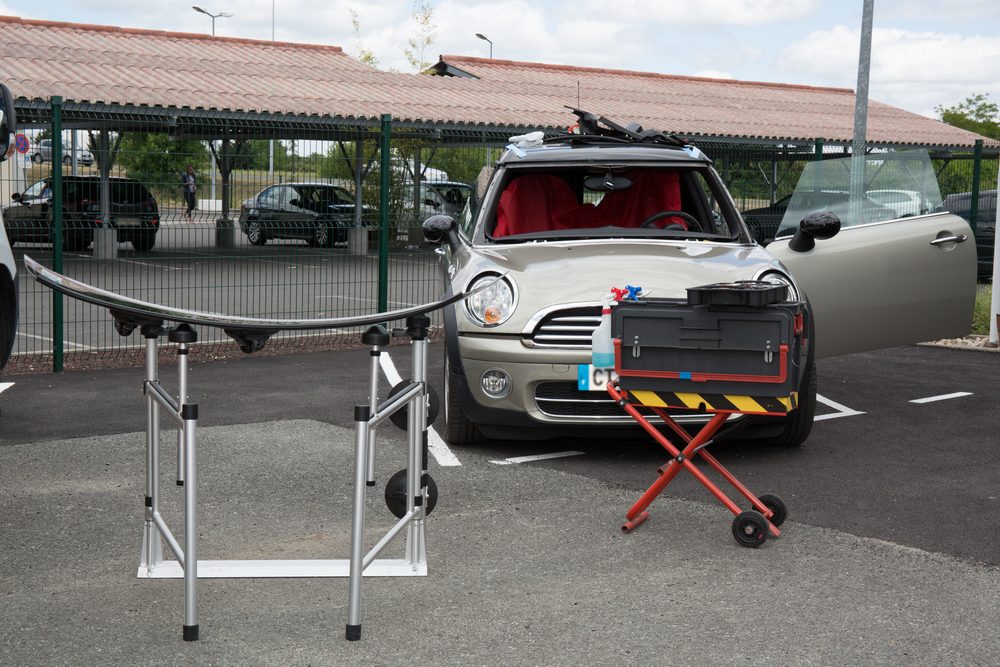
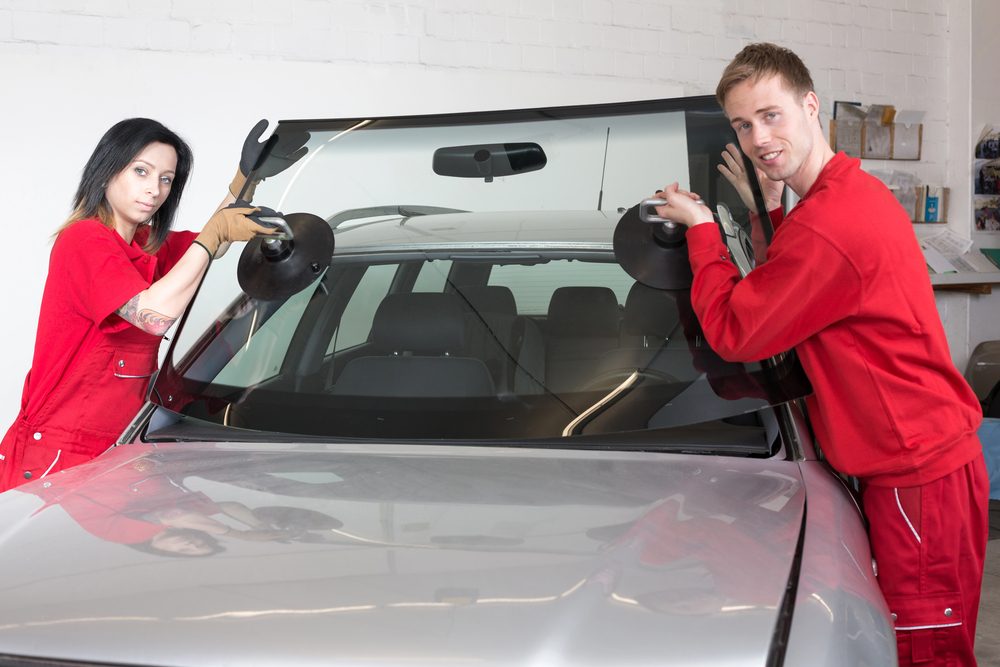
Mobile fleet windshield repairs bring the technician to your office, warehouse, job site, or home base. That means a work truck can be serviced in the lot while the crew handles paperwork or prepares for the next assignment. A delivery vehicle may be repaired between routes, depending on the damage and scheduling availability.
Mobile service is especially helpful for businesses spread across Dallas, Addison, Richardson, Irving, and Fort Worth. Rather than sending vehicles to different shops, fleet managers can coordinate service at the location that makes the most sense for operations.
A Safe Work Area Still Matters
Mobile does not mean every location is suitable for every job. Windshield replacements need a clean, reasonably level space and weather conditions that allow adhesives to cure correctly. Heavy rain, high winds, or an unsafe roadside location may require a different plan.
For repair work, the requirements can be more flexible. When requesting service, provide the vehicle location, year, make, model, damage type, and whether the vehicle has cameras or advanced driver-assistance features. Accurate information helps the technician arrive prepared.
Build a Simple Fleet Glass Reporting Process
The fastest fleets are not necessarily the ones that never get rock chips. They are the ones that catch damage early and know who to call. Drivers should know that reporting windshield damage is part of normal vehicle inspection, not something to put off until the next oil change.
A practical reporting process can include four basics:
- Inspect windshields during pre-trip or daily vehicle checks.
- Ask drivers to report chips, cracks, and damaged side or rear glass the same day.
- Take a clear photo from inside and outside the vehicle when it is safe to do so.
- Record the vehicle number, location, and whether damage affects driver visibility.
This does not need to become a complicated maintenance system. The point is to prevent a small issue from disappearing into a driver’s busy day. A quick report gives the fleet manager time to schedule service before the damage gets worse.
Replacement Planning for Modern Fleet Vehicles
Many newer work vehicles have more than glass mounted near the windshield. They may include forward-facing cameras, rain sensors, lane-departure alerts, automatic emergency braking systems, or other driver-assistance technology.
When a windshield is replaced on a vehicle with these features, calibration may be needed to make sure the cameras and sensors are aligned correctly. This is not an optional detail to overlook in the name of speed. The vehicle’s equipment and manufacturer requirements determine what is needed.
Fleet managers should also confirm the correct windshield part before scheduling replacement. Trim level, vehicle identification number details, camera brackets, heating elements, and acoustic glass can affect the part required. Ordering the wrong glass can turn a one-visit job into a longer delay.
Managing Cost Without Delaying Necessary Service
The cheapest response to windshield damage is not always the lowest-cost decision. Waiting on a repair can allow a chip to become a replacement. Continuing to run a vehicle with poor visibility can also create a larger safety and liability concern.
A better approach is to separate repairs that can be handled promptly from replacements that require additional planning. Keep records of glass repairs by vehicle number so recurring damage patterns are easier to spot. If certain routes expose vehicles to frequent construction debris or highway gravel, managers may need to adjust following distance guidance, driver training, or route expectations.
Insurance can play a role, but coverage varies by policy and deductible. Before authorizing work, know whether the fleet policy covers windshield repair, replacement, calibration, and mobile service. Even when insurance applies, fast reporting and accurate vehicle information help prevent avoidable delays.
What to Expect From Professional Service
A dependable auto glass provider should explain whether repair or replacement is recommended and why. The technician should inspect the damage, verify the correct glass, and let you know if weather, vehicle technology, or adhesive cure time affects when the vehicle can safely return to service.
For fleet managers, communication matters as much as the glass work. You need to know which vehicle was serviced, what was completed, and whether any follow-up is required. Mid Cities Auto Glass can help DFW businesses coordinate mobile auto glass service around active vehicles and demanding schedules.
A windshield chip may be small, but a fast decision can keep it from becoming the reason a driver misses a route. When damage is reported early and handled by a qualified mobile glass technician, your fleet has a better chance of staying safe, visible, and ready for the next job.