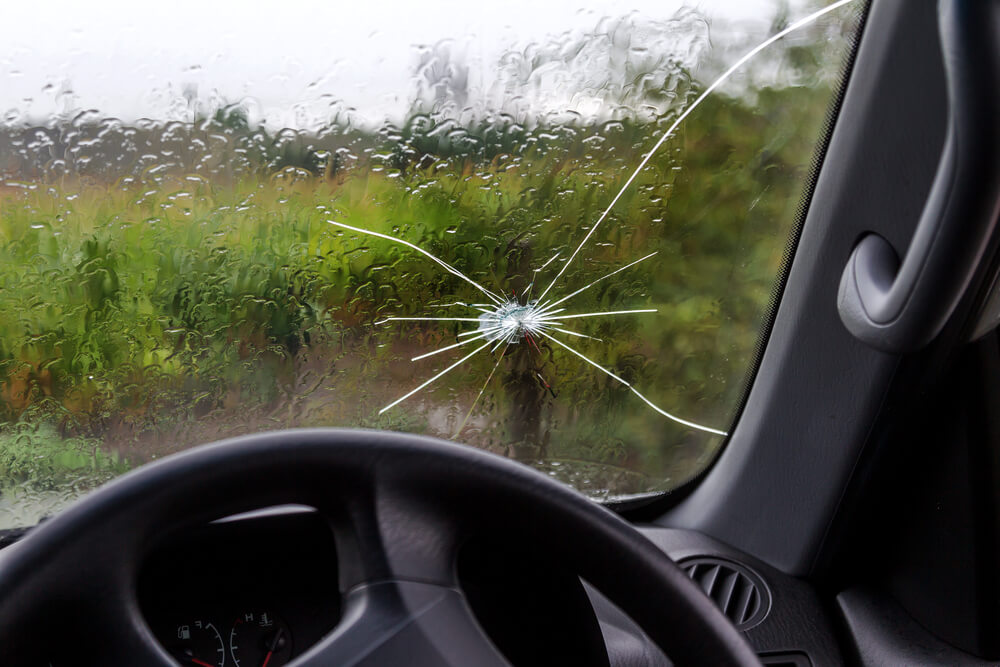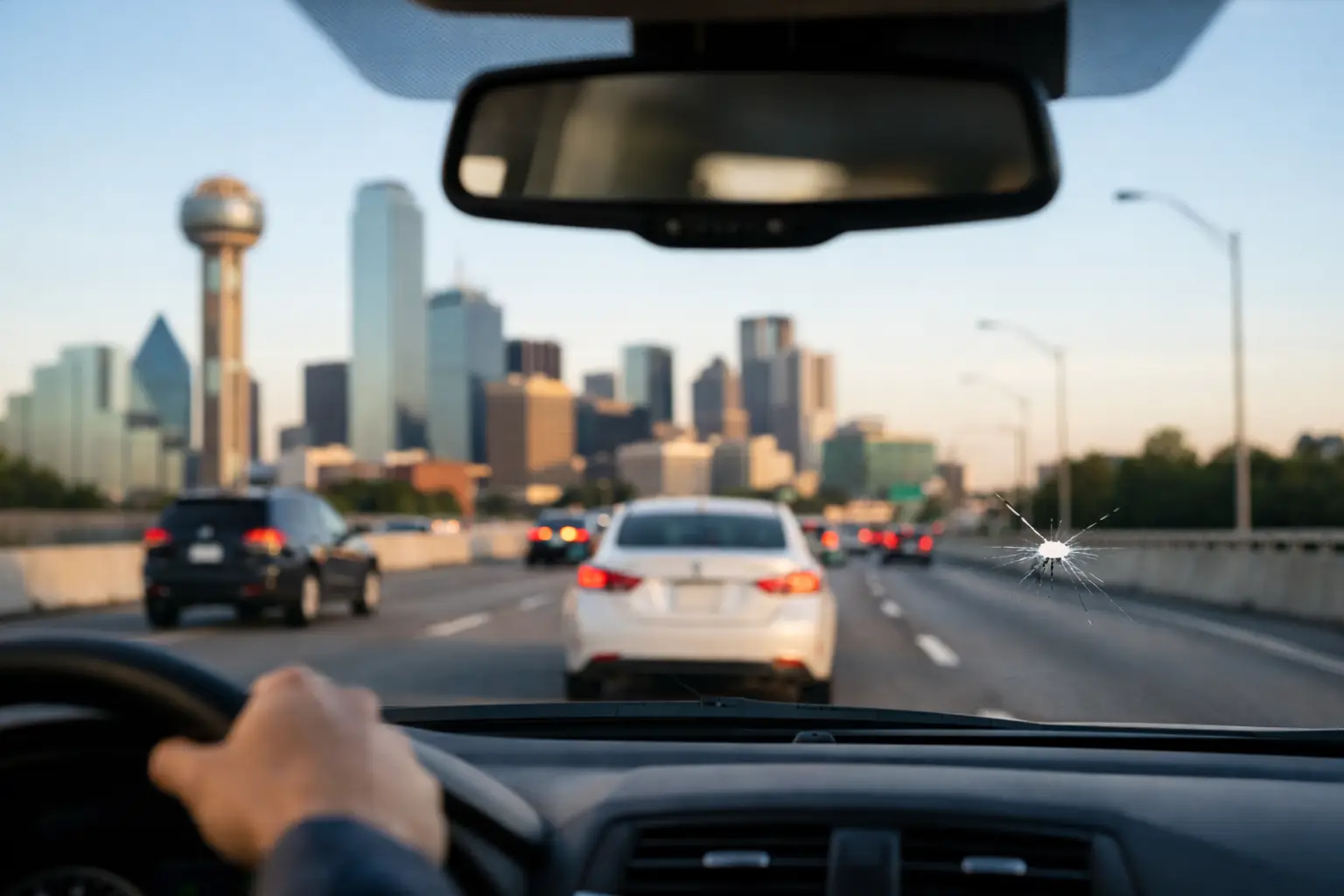
A rock chip can look harmless at 7:30 a.m. in your driveway, then turn into a long crack before your afternoon commute. That is the reason this driver guide to windshield safety starts with one practical rule: do not judge windshield damage by size alone. Heat, road vibration, potholes, pressure changes, and a blast of cold air from the AC can all make existing damage spread quickly on North Texas roads.
Your windshield is more than a piece of glass between you and the weather. It supports the roof structure, helps keep occupants inside the vehicle during a collision, and provides a clear view of traffic, pedestrians, and hazards. For newer vehicles, it may also be the mounting point for cameras and sensors used by driver-assistance systems. A damaged windshield deserves prompt attention, even when your vehicle still feels drivable.
What a Safe Windshield Should Do
A safe windshield gives you an unobstructed, distortion-free view of the road. In rain, harsh sun, or nighttime traffic, even a small chip in the wrong location can create glare that makes it harder to see lane markings or brake lights. Damage directly in the driver's line of sight is especially concerning because repairs can leave a small visual mark, even when the glass is structurally improved.
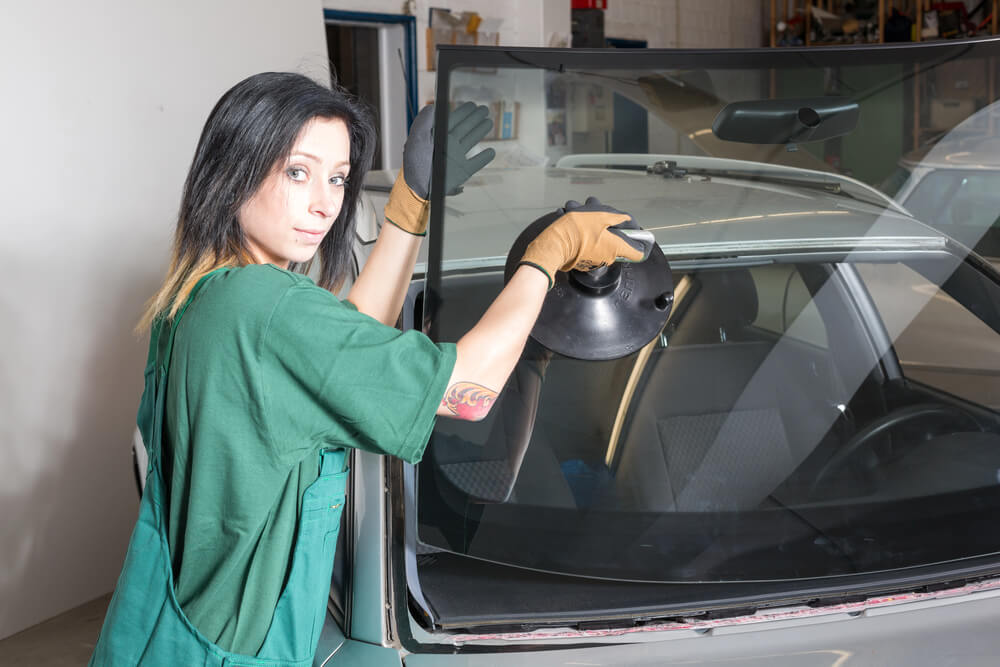
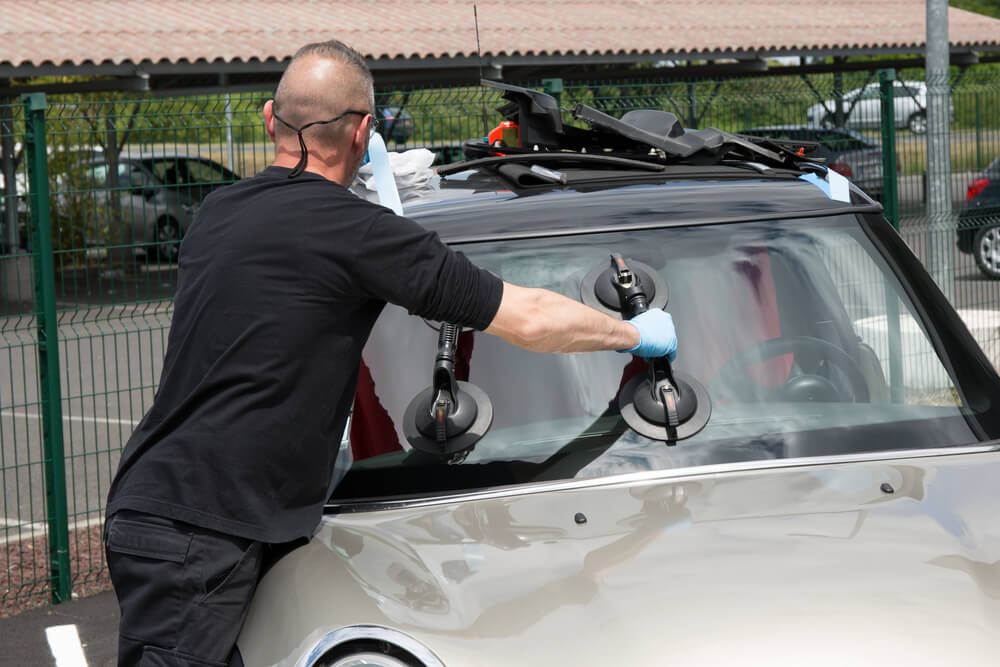
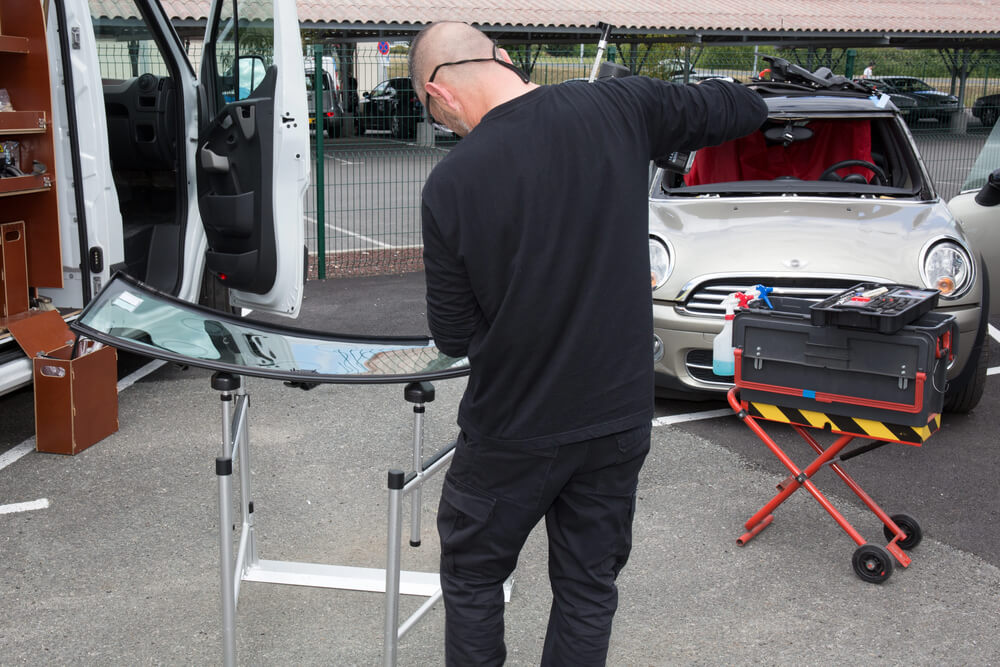
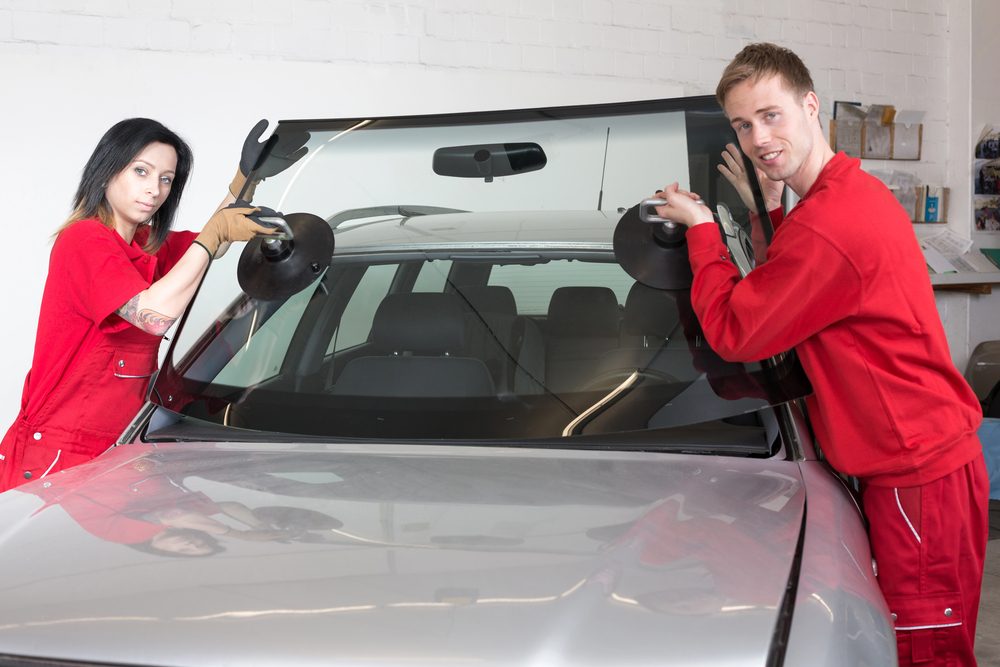
The windshield also works with the vehicle's frame and airbag system. In many vehicles, the passenger-side airbag relies in part on the windshield remaining properly bonded in place when it deploys. That is one reason windshield replacement is not a do-it-yourself job and why installation quality matters as much as the glass itself.
A windshield does not have to be shattered to be unsafe. A spreading crack, a chip near the edge, or damage that interferes with visibility can all call for action. The right answer depends on the location, depth, type of damage, and vehicle equipment.
Driver Guide to Windshield Safety: Repair or Replace?
The first decision is usually whether the glass can be repaired or needs replacement. A repair typically involves cleaning the damaged area and injecting a specialized resin to stabilize the glass. It is often a practical option for a small chip or short crack that has not contaminated the inner layers of the windshield.
Repair is more likely to be an option when the damage is small, away from the edge, and not directly in the driver's primary viewing area. The sooner it is addressed, the better. Dirt, moisture, and road grime can enter an open chip and reduce the cosmetic result of a repair.
Replacement is often the safer route when a crack is long, reaches the windshield edge, has multiple impact points, or has spread into a complex pattern. It may also be required when damage is in a critical viewing area or when the inner layer of laminated glass is affected. A technician can inspect the glass and explain the recommendation in plain terms.
There is a trade-off worth understanding. Repair is usually faster and less expensive when it is appropriate, and it preserves the original factory windshield. Replacement provides a clean, structurally sound solution when the damage is beyond repair. Trying to stretch a repairable situation too long can turn it into a replacement job after one hot day or rough drive.
What to Do Right After a Chip or Crack
If a rock hits your windshield, pull over safely if needed and take a close look once you are parked. A loud impact can be distracting, but the next steps are simple: protect the damaged spot, avoid making it worse, and arrange an inspection soon.
Keep the area dry and clean. If rain is coming, a small piece of clear tape placed gently over the outside of a chip can help keep out moisture and debris. Do not press hard on the glass, use adhesive products, or try a household repair method that could contaminate the break. Avoid slamming doors, since pressure changes inside the cabin can encourage a crack to travel.
Temperature swings are another common problem in the Dallas-Fort Worth area. Do not aim a hot defroster directly at a cold cracked windshield, and do not blast cold air onto glass that has been baking in the sun. Park in shade when possible, especially while you are waiting for service. These steps cannot stop every crack from spreading, but they can reduce the stress on the glass.
Know When Not to Keep Driving
Some windshield damage can wait until the end of the workday. Other damage should change your plans immediately. If the crack is blocking your view, the windshield is heavily spiderwebbed, glass is loose, or you cannot clearly see traffic signals and pedestrians, avoid driving unless it is necessary to get to a safe location.
Be especially careful at night and in rain. Reflections from headlights and streetlights can make a chip seem larger and more disruptive than it appears during the day. Water can also collect in damaged areas and affect visibility. If your wipers drag, chatter, or skip across a cracked section, do not assume new wiper blades will solve the problem.
A broken side window is different from windshield damage, but it creates its own urgent safety and security issues. Remove loose glass carefully, cover the opening if you must leave the vehicle, and arrange service promptly. Do not drive with unsecured glass fragments in the cabin, particularly if children or passengers will be riding with you.
Replacement Safety on Vehicles With Cameras
Many late-model vehicles have a camera near the rearview mirror that supports features such as forward-collision alerts, automatic emergency braking, lane departure warnings, or lane-keeping assistance. If your windshield is replaced, that camera may need calibration afterward.
Calibration verifies that the camera is reading the road correctly through the new glass. It is not an optional add-on when your vehicle manufacturer requires it. Without proper calibration, a driver-assistance feature may not respond as intended, may display warnings, or may operate with reduced accuracy.
When scheduling replacement, tell the glass provider your vehicle's year, make, model, and whether it has safety-camera features. This helps ensure the correct windshield is ordered and that calibration needs are addressed. A lower quote is not always the better value if it leaves out necessary parts, molding, adhesive standards, or required camera calibration.
Habits That Protect Your Windshield
Windshields take a lot of abuse from daily driving, but a few habits can reduce avoidable damage. Leave extra following distance behind construction trucks, gravel haulers, and vehicles with unsecured loads. That space gives rocks more time to fall or bounce before they reach your glass.
Replace worn wiper blades before the rubber hardens or tears. Damaged blades can scratch the windshield and smear dirt into your line of sight. Use windshield washer fluid rather than running wipers over dry dust, especially after a windy day or long highway drive.
When cleaning the inside of the windshield, use a clean microfiber towel and an automotive glass cleaner. Film from dashboards, vaping, food, or interior products can make nighttime glare worse. Keep the dashboard clear as well. Loose objects can strike the windshield in a sudden stop or collision.
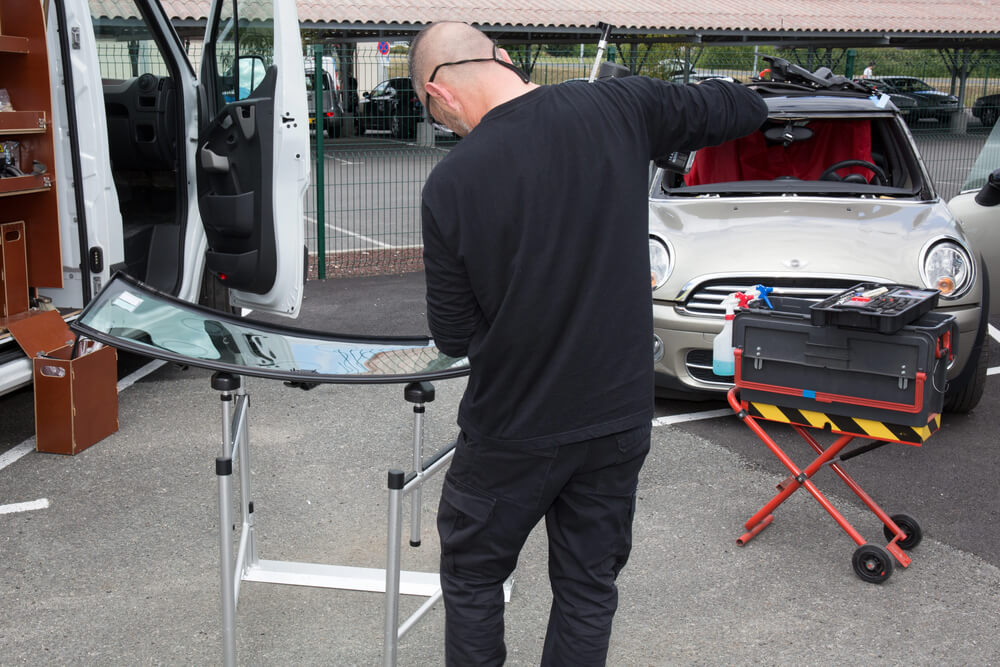
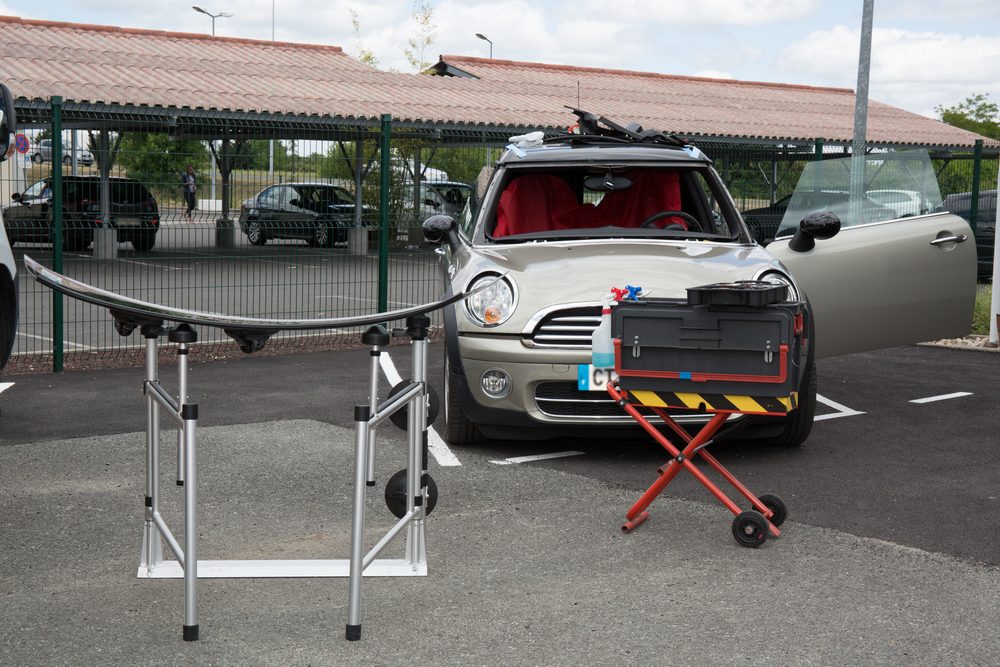
Finally, do not ignore small damage because your schedule is packed. Mobile service can be a practical answer for commuters, families, and rideshare drivers who cannot sit at a shop. Mid Cities Auto Glass can come to a home, office, or other suitable location in the DFW area so the glass issue does not have to take over your day.
Questions Drivers Often Ask
Can a windshield crack stop spreading on its own?
Sometimes a crack appears stable for a while, but it can spread without warning when the glass experiences vibration or a temperature change. It is better to treat a crack as active damage and have it inspected rather than waiting to see what happens.
Is a repaired windshield as clear as new glass?
A good repair is designed to restore strength and prevent the damage from spreading. It can improve the appearance significantly, but a faint mark may remain. That is why damage in the driver's direct viewing area is assessed carefully.
How long should I wait after windshield replacement before driving?
The answer depends on the adhesive system, weather conditions, and your vehicle. Your technician should provide a safe drive-away time and any care instructions. Follow them closely, and avoid car washes or excessive door slamming until the adhesive has had the recommended time to cure.
A clear windshield is one of the simplest safety advantages your vehicle can have. If you notice a fresh chip, a growing crack, or glare that is changing how you see the road, handle it while the problem is still small and your schedule still has options.