A cracked windshield can turn a normal drive to work into an urgent decision: call the dealer, find a glass shop, or have a technician come to you. When comparing dealer windshield versus mobile installation, the right choice usually comes down to your vehicle’s safety technology, the quality of the replacement glass, your schedule, and whether the installer can complete any required calibration correctly.
For many Dallas-Fort Worth drivers, mobile windshield replacement is the practical answer because it avoids taking time off work, arranging a ride, or driving with damaged glass. But convenience should never mean cutting corners. A proper installation must protect the windshield’s structural role, restore clear visibility, and address the cameras and sensors built into many newer vehicles.
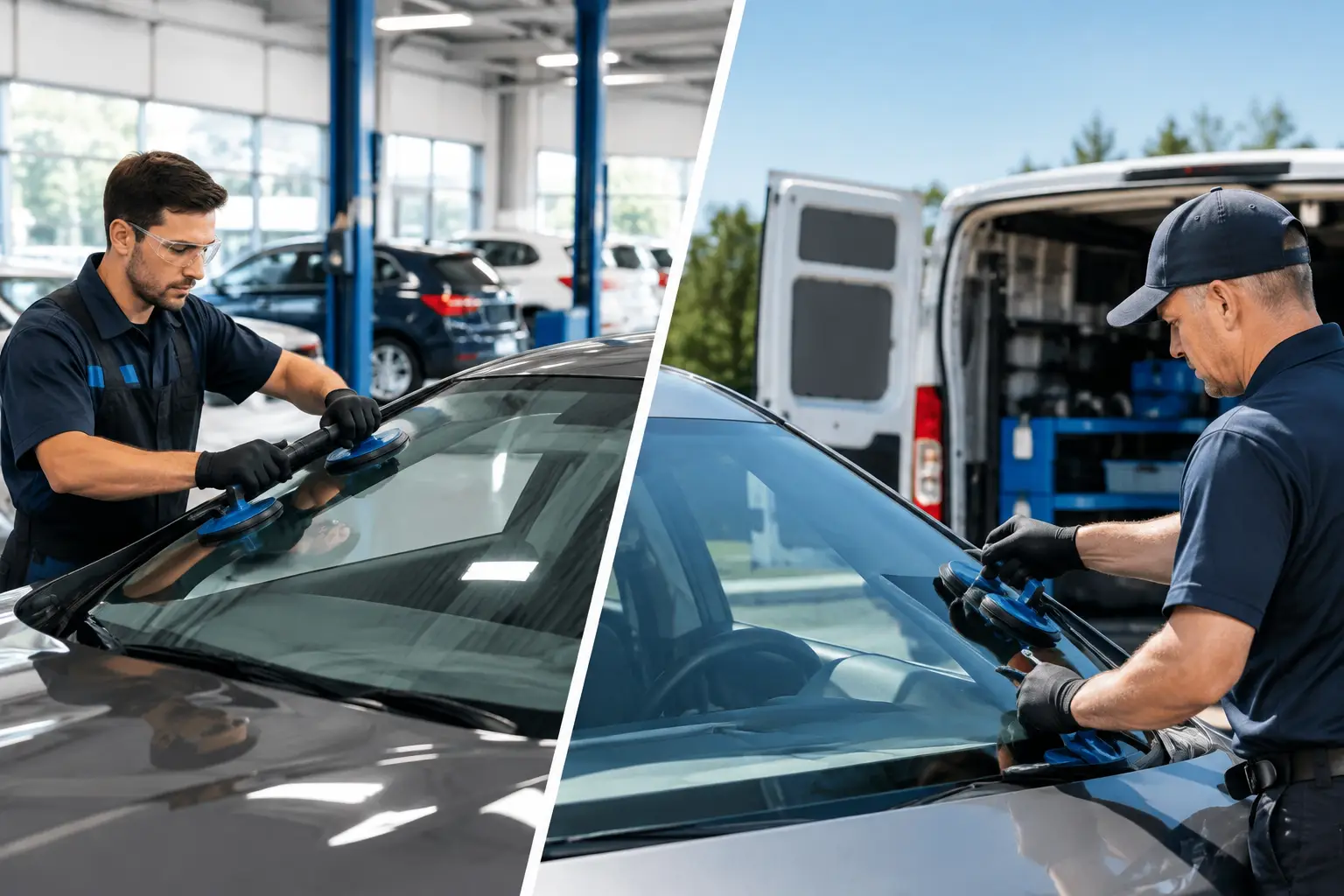
Dealer Windshield Versus Mobile Installation: The Real Difference
A dealership is often the first place people think of after windshield damage, especially if the vehicle is newer or still under warranty. Dealers know the vehicle brand, may have access to original equipment manufacturer parts, and can coordinate work with their service department. That can be useful when a windshield replacement is tied to another mechanical, body, or warranty repair.
However, dealerships do not always perform glass work in-house. Many contract the job to an outside auto glass provider, then add dealership scheduling and overhead to the process. You may need to leave the vehicle for much of the day, even when the actual replacement takes far less time.
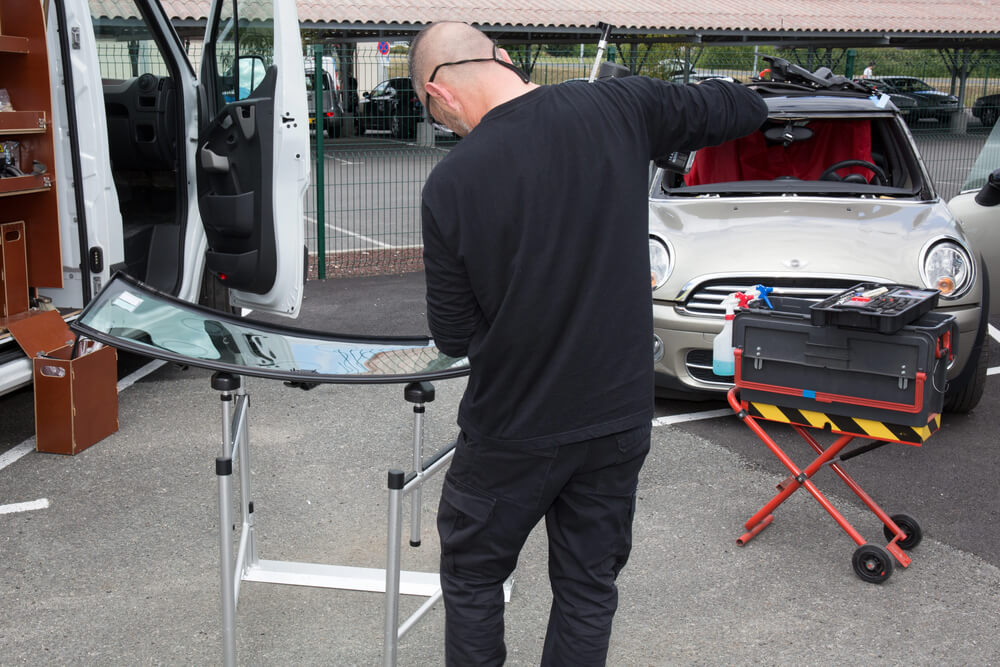
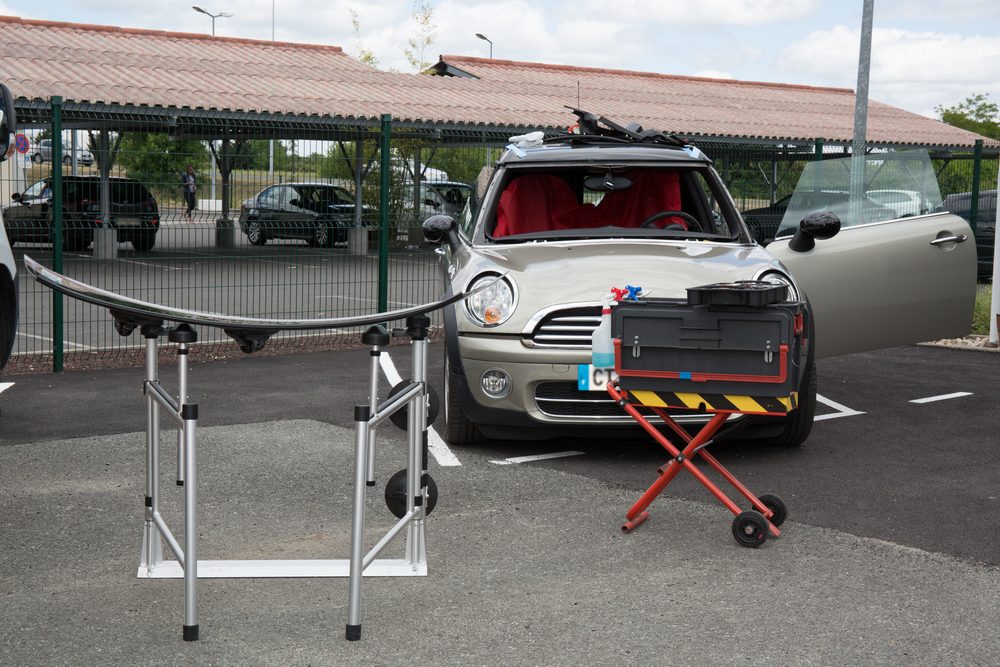
Mobile installation brings the technician to your home, office, or another safe location. For a commuter in Irving, a parent in Richardson, or a driver managing a packed workday in Dallas, that difference matters. The work can be performed where your vehicle is already parked, provided there is enough room, stable ground, and weather conditions that allow the adhesive to cure properly.
The better option is not automatically the dealer or the mobile provider. It is the provider that uses the correct glass, follows vehicle-specific installation procedures, and handles advanced driver-assistance system calibration when your vehicle needs it.
What a Proper Windshield Replacement Should Include
Your windshield is more than a piece of glass that blocks wind and rain. It contributes to the roof’s strength in a rollover and can help support proper airbag deployment. That is why the lowest quote is not always the best value.
A dependable replacement starts with confirming the exact vehicle year, make, model, trim, and features. Windshields can differ based on rain sensors, heated glass, acoustic layers, heads-up display compatibility, camera brackets, antenna connections, tint bands, and molding styles. Two vehicles that look nearly identical may require different glass.
The installer should then remove the damaged windshield carefully, prepare the pinchweld area, apply the appropriate urethane adhesive, and install the replacement glass according to the adhesive manufacturer’s safe drive-away time. This curing time changes with temperature, humidity, and the adhesive used. A technician should tell you when the vehicle can safely be driven instead of giving a vague answer.
After installation, the work should include checking fit, trim, leaks, and the operation of any affected features. If the vehicle has a forward-facing camera or related safety equipment, calibration may also be required.
Calibration Is Often the Deciding Factor
Many late-model vehicles use a camera mounted near the rearview mirror to support features such as lane departure warning, lane-keeping assistance, automatic emergency braking, adaptive cruise control, and traffic sign recognition. Removing and replacing the windshield can change the camera’s position enough that the system needs recalibration.
A dealer may be a good fit if it has the manufacturer’s calibration equipment available and your vehicle has a particularly specialized procedure. Some vehicles require a static calibration performed with targets in a controlled setup. Others use a dynamic calibration completed through a specific road-driving procedure. Certain models require both.
A qualified mobile auto glass provider can also handle calibration when it has the correct equipment and process for your vehicle. In some cases, the windshield can be replaced at your location and calibration can be completed there. In other cases, the replacement is mobile but calibration must be scheduled at an appropriate shop or dealer setting. That is not a drawback if it is explained upfront. It is a sign the provider is putting the vehicle’s safety systems ahead of a rushed appointment.
Before choosing either option, ask a direct question: Does my vehicle require ADAS calibration after windshield replacement, and where will it be completed? You should also ask whether the replacement glass supports your vehicle’s camera and sensor package.
OEM Glass, Dealer Glass, and Aftermarket Options
The term “dealer windshield” can be misleading. A dealer may install glass carrying the vehicle manufacturer’s branding, often called OEM glass. It may also offer glass from the same supplier that produced the original windshield, or it may use another approved option depending on availability.
Mobile installers can often source OEM glass as well as high-quality aftermarket glass. Aftermarket does not automatically mean poor quality. Reputable aftermarket windshields are made to meet applicable safety standards and can be an effective choice for many vehicles. Still, fit, optical clarity, acoustic performance, and the availability of exact features can vary by manufacturer and vehicle.
OEM glass may make the most sense when your vehicle has specialized technology, a heads-up display, unusual acoustic requirements, or an insurance or lease requirement. It can also be worth considering if maintaining original branded components matters to you.
High-quality aftermarket glass may be the smarter option when availability, budget, and a fast repair matter most. The key is not choosing based on a label alone. Ask what brand of glass will be installed, whether it includes all necessary features, and whether the quote includes molding, labor, mobile service, and calibration if needed.
Convenience, Cost, and Downtime
The dealership route can involve more scheduling steps. You may drop the vehicle off, wait for the dealer to coordinate parts and glass work, and return later to pick it up. That process may be manageable if you are already bringing the vehicle in for another service appointment.
Mobile windshield service is designed for situations where downtime is the main problem. Instead of spending hours in a waiting room, you can keep working from home, handle family responsibilities, or continue your day while the replacement is completed nearby. For damaged side windows, mobile service can also be especially helpful because broken glass can leave the vehicle exposed to weather and theft.
Cost varies widely by vehicle and windshield type. A basic windshield without sensors is usually less expensive than one with a camera bracket, heating elements, acoustic glass, or heads-up display capability. Dealer pricing may be higher because of parts sourcing and service department overhead, though that is not always the case. Mobile service may offer a more direct price, but only compare estimates that include the same parts, labor, calibration, and warranty terms.
If you are using insurance, check your comprehensive coverage and deductible. A repairable rock chip may cost less than a full replacement and can sometimes be covered differently under your policy. Do not wait too long to ask. Heat, road vibration, and temperature changes can turn a small chip into a spreading crack.
When Mobile Installation Is the Better Choice
Mobile installation is often the best fit when the damage needs prompt attention and the vehicle can be safely serviced where it sits. It works well for busy professionals, families, rideshare drivers, and anyone who cannot easily give up a day for a dealership visit.
It is particularly practical when the windshield is a standard replacement, the required glass is available, and calibration can be completed at the location or arranged clearly as part of the service plan. Mid Cities Auto Glass provides this kind of mobile support for drivers who need auto glass service without adding another trip across the metroplex.
There are situations where a shop or dealer visit is the safer choice. Severe weather, limited parking space, extensive body damage around the windshield frame, or a vehicle needing specialized static calibration may require a controlled environment. A trustworthy mobile provider should be willing to say so rather than force an installation in poor conditions.
Questions to Ask Before You Schedule
You do not need to become an auto glass expert before making the call. A few clear questions can reveal whether a provider is prepared for your vehicle: What glass brand and features are included? Does the quote include all trim and materials? Is ADAS calibration required? What is the safe drive-away time? What warranty applies to workmanship, leaks, and replacement glass?
Also describe the damage accurately. Let the provider know whether the crack reaches the edge of the windshield, whether there is a chip in the driver’s line of sight, and whether warning lights appeared after the damage. Photos can help confirm the right glass and avoid delays on appointment day.
A windshield replacement should fit your vehicle, your safety systems, and your schedule. Whether you choose a dealership or mobile service, choose the team that gives you clear answers before the glass comes out - then gives you a safe vehicle to drive when the work is done.