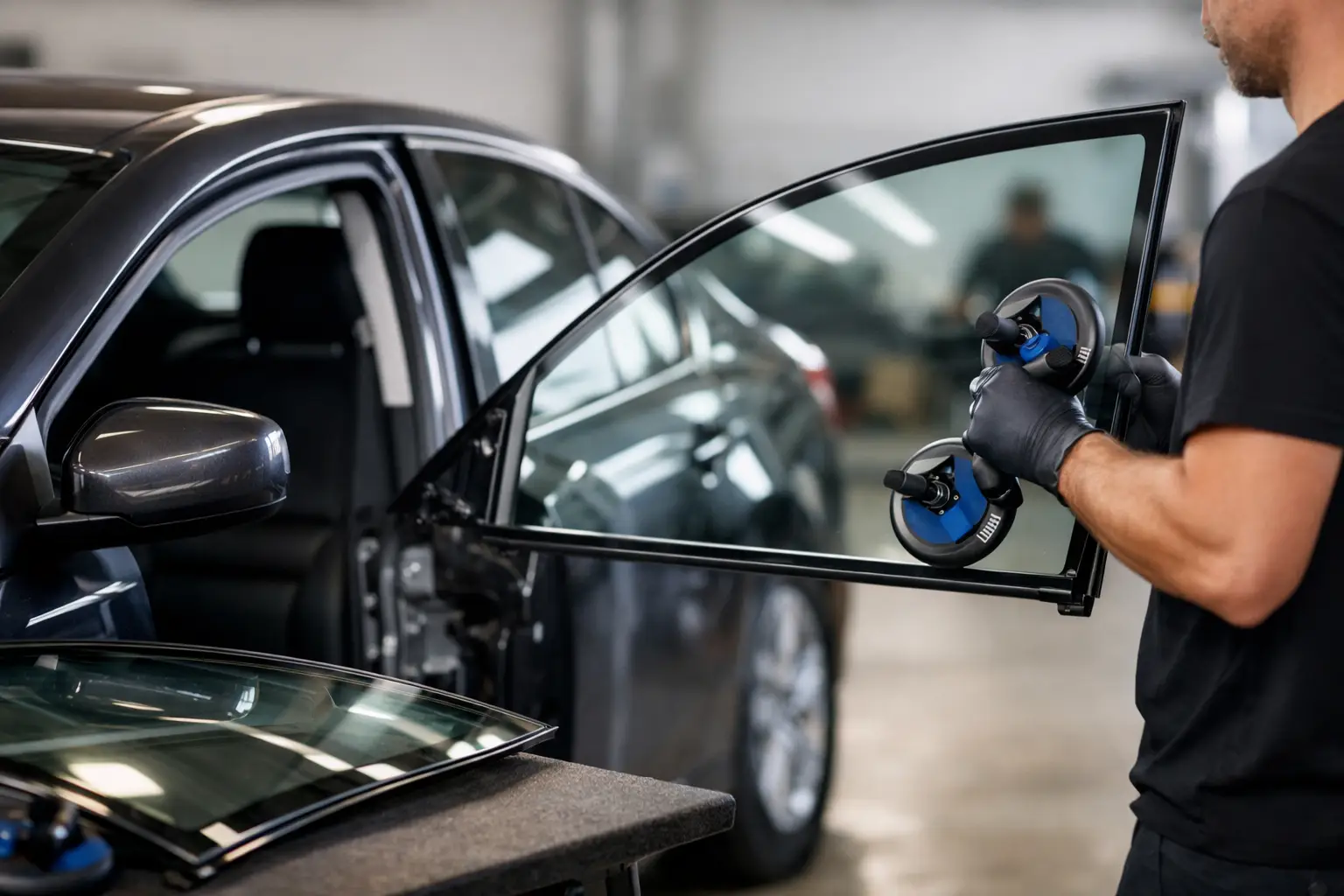
A broken side window changes your plans fast. Whether it happened during a break-in, after road debris struck the glass, or because a window regulator failed, your vehicle is exposed to weather, theft, and flying debris. This complete guide to car window replacement explains what to do next, how the process works, and when mobile service is the practical choice for drivers who need to get back on the road.
When Car Window Replacement Is Necessary
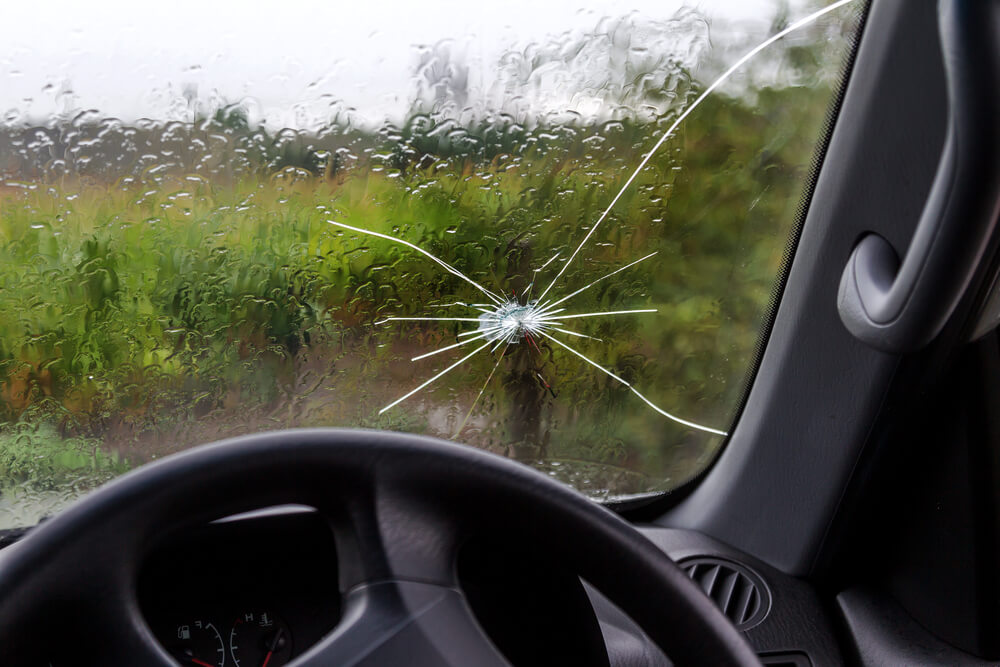
Car windows do not always fail the same way. A windshield may develop a chip that can sometimes be repaired, but side windows and rear windows are often made from tempered glass. When tempered glass takes a strong impact, it usually breaks into many small pieces instead of holding a crack. Once it shatters, replacement is the only safe option.
You should plan on replacement when the glass is broken, missing, deeply scratched in the driver’s line of sight, or cracked in a way that affects visibility or the window’s structure. Even a window that still appears mostly intact may need attention if the crack is spreading, the edges are loose, or the glass no longer seals against the door frame.
A window that will not move can be a different problem. The glass itself may be fine, while the regulator, motor, switch, or track has failed. A qualified auto glass technician can help identify whether you need new glass, a mechanical window repair, or both. Replacing good glass when the real issue is a failed regulator wastes time and money.
What to Do Right After a Window Breaks
First, protect yourself from loose glass. Avoid running your hand across the door panel, seat, or floorboard. Tempered glass pieces are small, but they can still cut skin and work their way into upholstery.
If you need to drive before service is available, remove only the loose glass you can safely reach and keep the opening covered. A temporary plastic barrier can keep out rain and reduce wind noise, but it is not a long-term repair. Do not rely on tape alone to secure a large opening, especially at highway speeds.
If your vehicle was broken into, take photos before cleaning up if you may file a police report or insurance claim. Check the cabin carefully for glass, including child seats, cup holders, door pockets, and the trunk area after a rear-window break. Then arrange replacement as soon as possible. An open window makes the vehicle vulnerable to water damage and another theft.
How Car Window Replacement Works
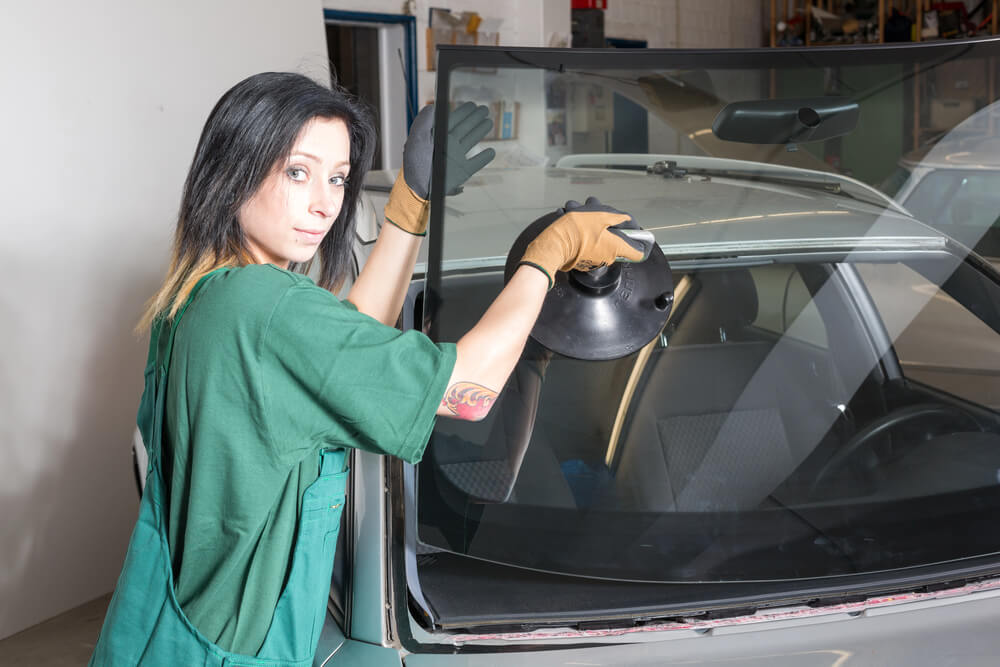
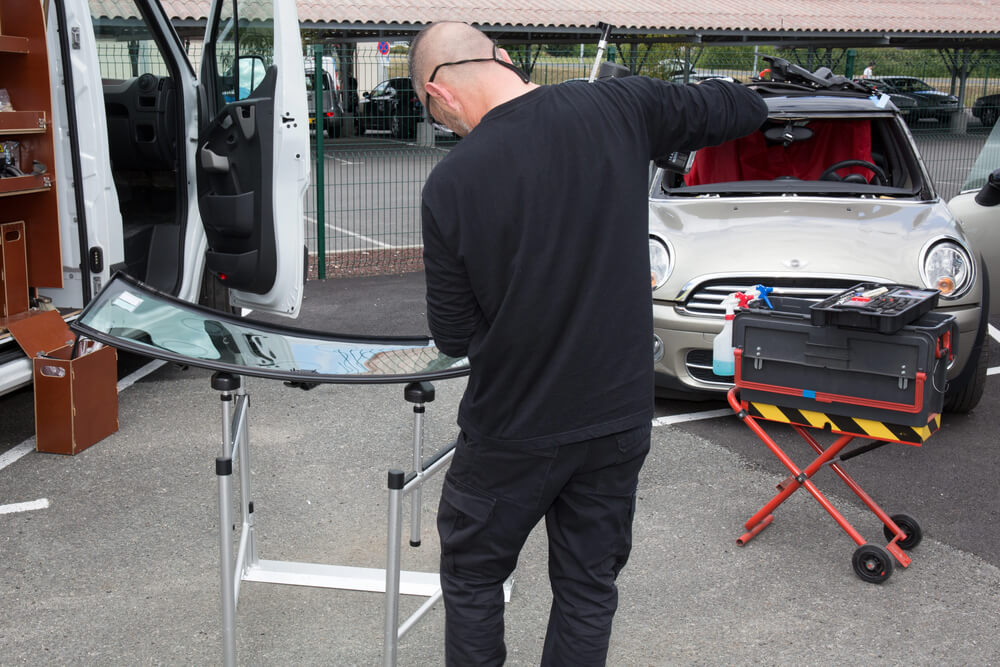
A professional replacement is more involved than fitting a piece of glass into the door. The technician starts by confirming the exact vehicle year, make, model, body style, and window location. Two vehicles that look similar may use different glass shapes, tint bands, trim pieces, or attachment hardware.
For a side window, the door panel is usually removed so the technician can clear broken glass from inside the door cavity. This step matters. Leaving fragments in the door can cause rattling, damage the regulator, block drainage paths, or scratch the new glass over time.
Next, the technician checks the window regulator, tracks, clips, weatherstripping, and mounting points. The new glass is installed into the regulator or guide system, aligned with the frame, and tested through a full up-and-down cycle. It should move smoothly, close fully, and create a secure seal against wind and rain.
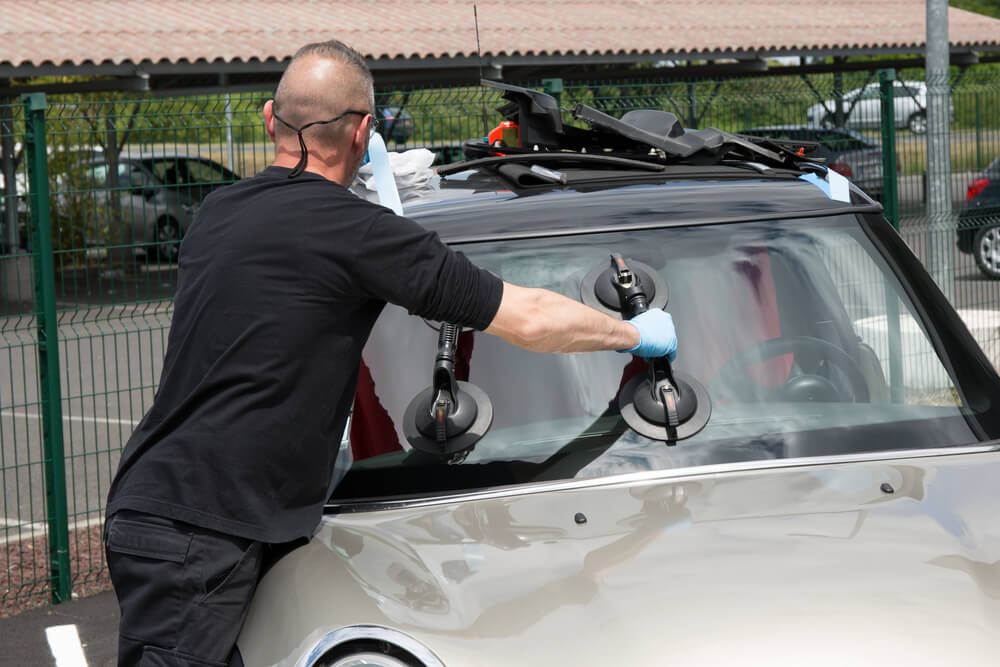
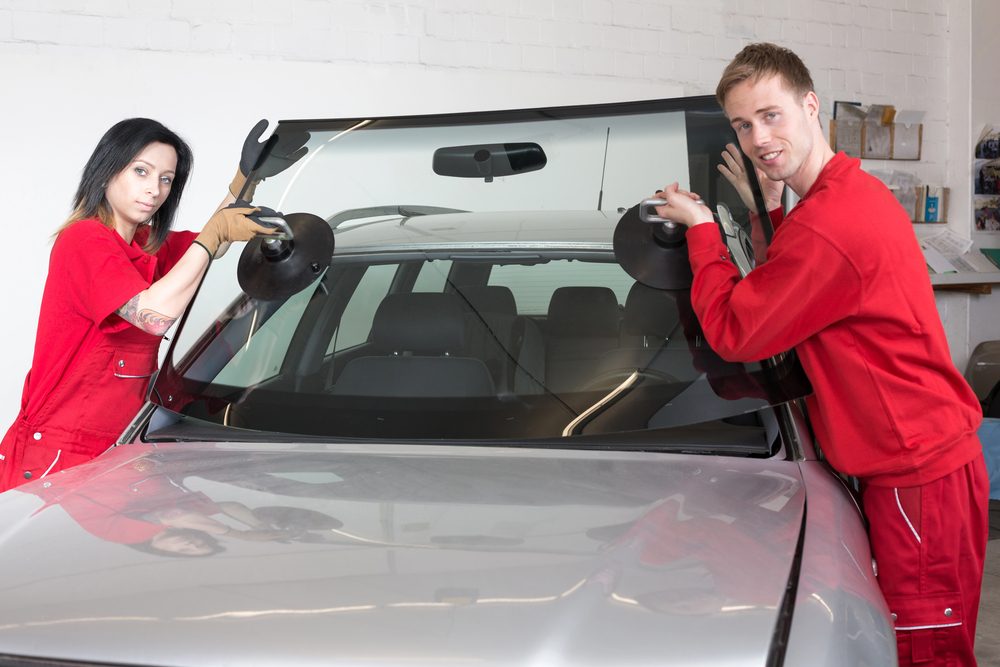
Rear window replacement follows a different process. Back glass may include defroster lines, antennas, moldings, and sometimes camera or sensor-related components. The damaged glass and old adhesive are removed, the frame is prepared, and the replacement glass is bonded in place using proper automotive urethane. The vehicle should not be driven until the adhesive reaches its safe drive-away time.
A Complete Guide to Car Window Replacement Costs
The price of car window replacement depends on the vehicle and the type of glass, not just the size of the opening. A common front-door window on an older sedan may cost less than glass for a newer luxury vehicle, a truck with special tint, or a rear window with integrated technology.
Several factors can affect the final quote:
- The window location, such as a front door, rear door, quarter glass, vent glass, or back glass
- The vehicle’s year, make, model, and trim level
- Factory tint, acoustic glass, defroster lines, antennas, or other built-in features
- Damage to the regulator, tracks, seals, trim, or door panel
- Glass availability and whether a special-order part is needed
- Mobile service needs and the location where the work is performed
The lowest quote is not always the best value. Proper fit, clean removal of broken glass, compatible materials, and a complete function check are what prevent repeat problems. Ask what glass is being installed, whether the technician will inspect the regulator and seals, and whether the work is backed by a warranty.
Insurance can help in some situations, particularly after vandalism, theft, or a covered collision. Coverage depends on your policy and deductible. Before filing a claim, compare the deductible with the replacement estimate. If the deductible is close to or higher than the repair cost, paying directly may be simpler.
Mobile Replacement vs. Shop Service
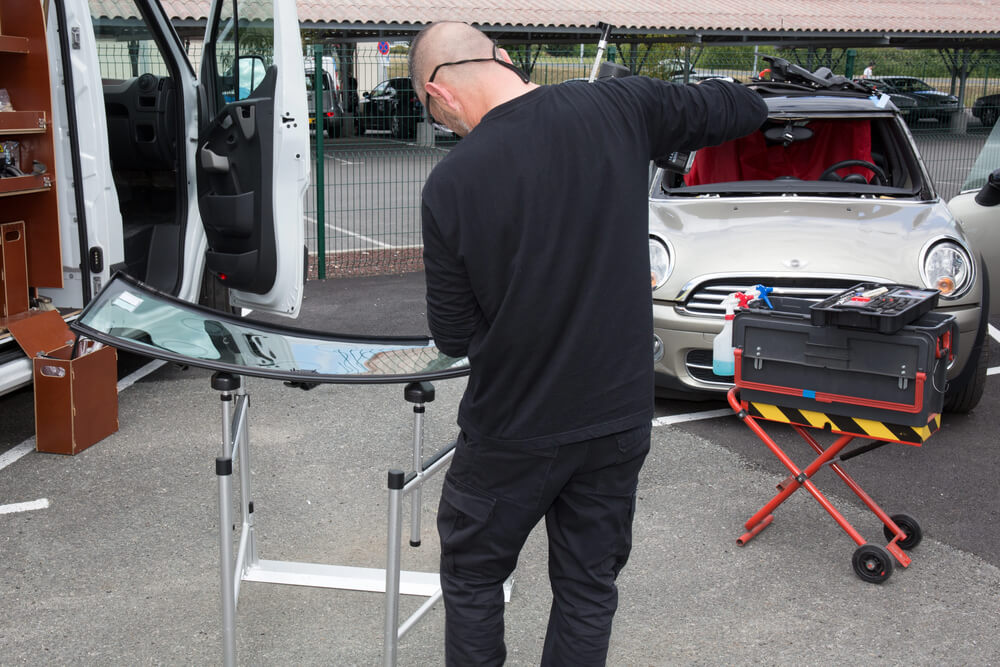
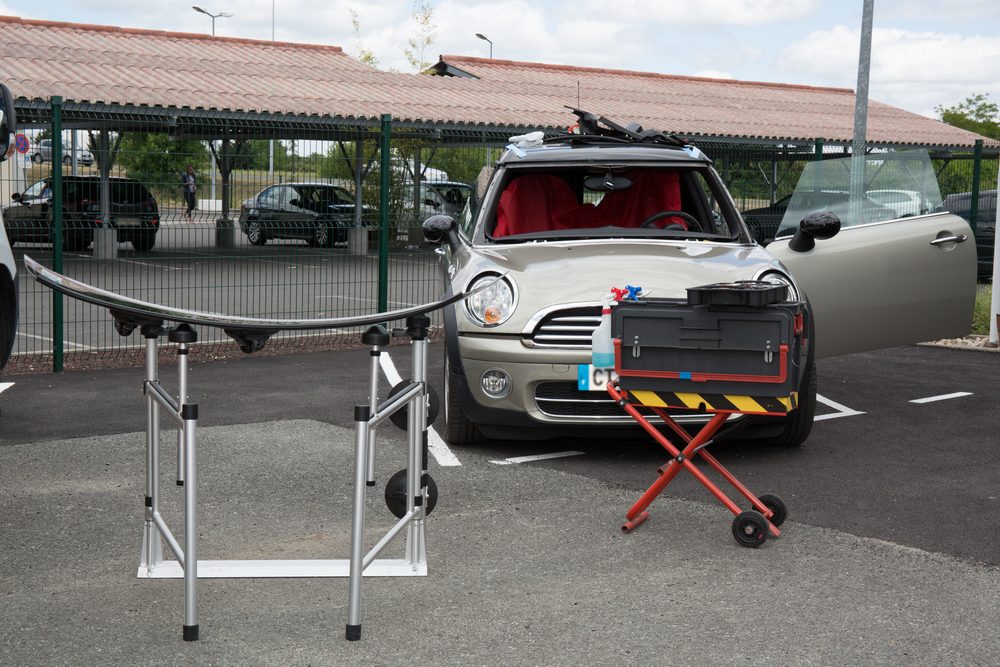
Mobile car window replacement is especially useful when your vehicle cannot be secured, the broken glass is making driving unsafe, or your schedule cannot accommodate a shop visit. A technician can often replace side-window glass at your home, office, or another safe location, saving you from driving with an exposed cabin.
Mobile service does require the right conditions. The technician needs enough room to work safely, and severe rain, high winds, or an unsafe parking area can delay the job. Rear-glass replacement may also have more specific curing requirements because adhesive performance depends on temperature and moisture conditions.
For drivers in Dallas, Addison, Richardson, Irving, or Fort Worth, a mobile appointment can be a practical way to avoid losing a full workday after window damage. Mid Cities Auto Glass brings auto glass service to the vehicle, which is often the fastest option when a broken window has left your car vulnerable.
Choosing the Right Replacement Glass
Most replacement glass falls into two general categories: OEM and aftermarket. OEM glass is made to the original vehicle manufacturer’s specifications, while aftermarket glass is produced by another manufacturer to meet applicable safety standards. Either may be appropriate, depending on availability, budget, and vehicle requirements.
The right choice depends on the part. For a standard side window, a quality aftermarket option may provide an excellent fit and finish. For glass with advanced features, special molding, a complex tint, or integrated electronics, matching the original specification can be more important. Your technician should explain the available options clearly instead of assuming every vehicle needs the same solution.
Do not confuse window tint film with factory privacy glass. Factory tint is built into the glass itself, while aftermarket film is applied to the surface. If your old window had tint film, replacement glass will not automatically include it unless it is factory-tinted. You may need to have film reapplied after the new glass is installed.
Aftercare for a Newly Replaced Window
Once a side window has been replaced, test it before the technician leaves. Make sure it opens and closes without hesitation, sits evenly in the frame, and does not make scraping or grinding sounds. Check that the lock and door handle work normally after the panel has been reinstalled.
For the first day or two, avoid slamming the door repeatedly. This is most relevant after rear-glass work or any repair involving fresh adhesive, but gentle use is a good habit after any glass service. If you notice wind noise, water leaks, a loose molding, or a window that binds, report it promptly so the issue can be corrected before it causes further damage.
A broken car window is frustrating, but it does not have to keep your vehicle out of service for long. Get the opening secured, choose a provider that checks the full window system, and schedule replacement where it fits your day. A properly installed window restores more than appearance - it brings back the security, weather protection, and everyday comfort your vehicle needs.