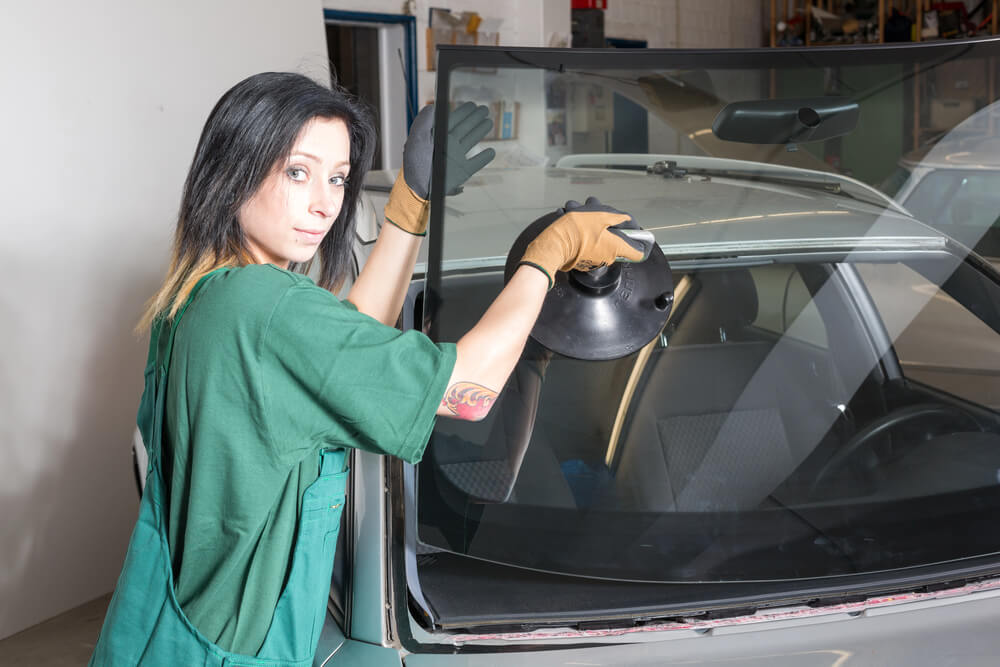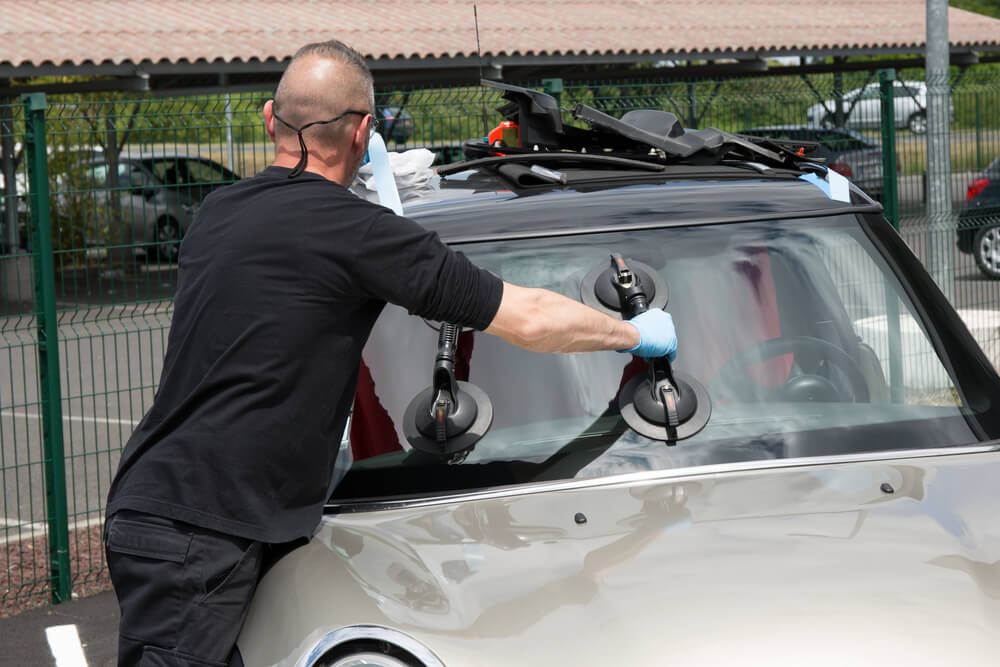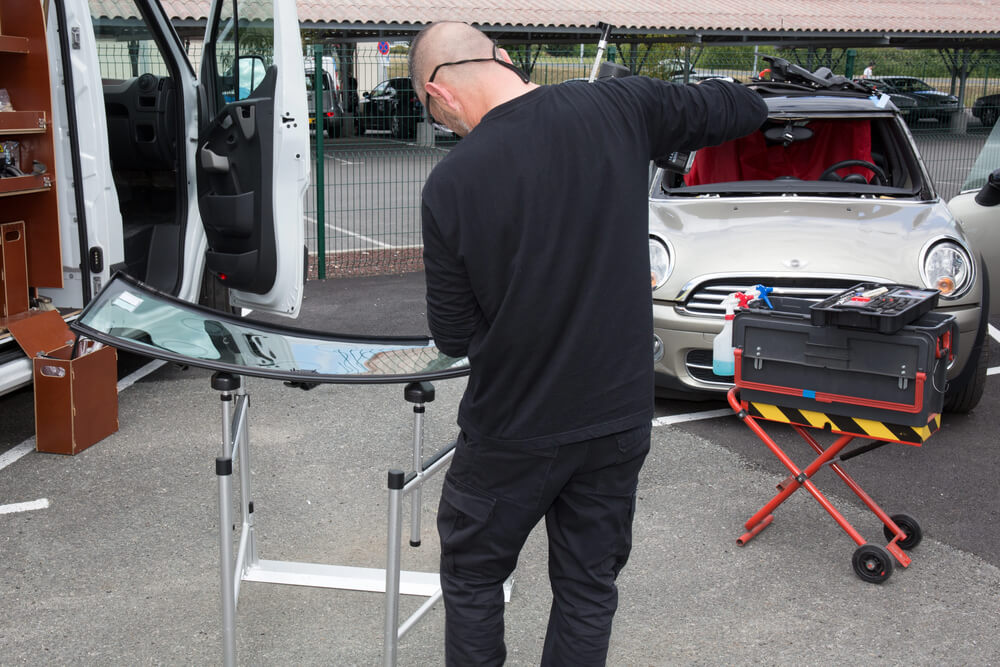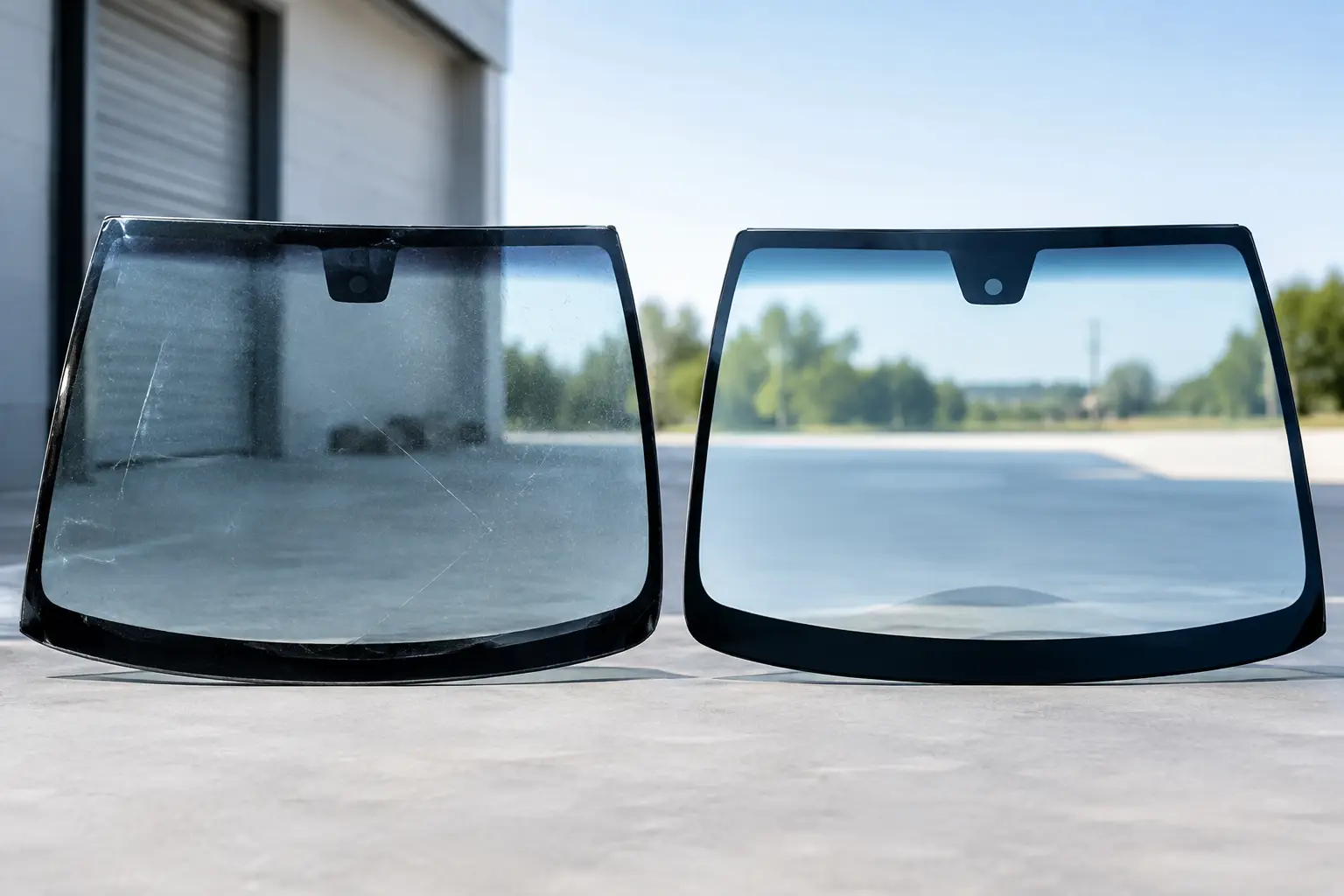
A windshield replacement quote can look simple until you see two very different prices for what appears to be the same piece of glass. The cheap vs premium windshield decision is not only about saving money today. It can affect visibility, cabin noise, the fit of the glass, and whether safety features work correctly after replacement.
For Dallas-Fort Worth drivers, the right choice depends on the vehicle, the damage, insurance coverage, and the features built into the windshield. A basic windshield for an older vehicle may not need the most expensive option. A late-model vehicle with cameras, rain sensors, heads-up display, or acoustic glass deserves a closer look before choosing the lowest quote.
Cheap vs Premium Windshield: What Changes?
“Cheap” and “premium” can be misleading labels. A lower-priced windshield is often an aftermarket replacement made by a manufacturer other than the vehicle brand. That does not automatically make it unsafe or poor quality. Many aftermarket windshields meet federal safety standards and are a practical choice for drivers who need an affordable replacement.
A premium windshield may be original equipment manufacturer glass, commonly called OEM glass, or a higher-grade aftermarket option designed to closely match the original windshield. It may include specific features, coatings, tint bands, sound-reducing layers, antenna connections, camera brackets, or precise optical characteristics that a basic replacement does not duplicate.
The meaningful question is not whether a windshield is labeled cheap or premium. It is whether the glass is compatible with your vehicle and installed correctly. Proper bonding, correct molding, clean preparation, and the right adhesive matter just as much as the glass itself.
Fit and appearance
Premium or OEM glass often provides the closest match to the windshield that came with the vehicle. The curves, edges, frit band, and attachment points are made to factory specifications. On some vehicles, that can mean more consistent alignment around the roofline and pillars.
Quality aftermarket glass can also fit well. However, fit may vary by manufacturer and vehicle model. A lower-cost windshield can sometimes have small differences in edge shape, markings, tint, or the way it sits against existing trim. These differences may be cosmetic, but they can become frustrating if the molding does not sit flush or wind noise develops at highway speeds.
For an older sedan, truck, or work vehicle with no windshield-mounted technology, the difference may be minor. For a newer luxury vehicle or a vehicle with tightly integrated glass trim, a closer factory match can be worth the extra cost.
Optical clarity and driving comfort
A windshield should give you a clear, undistorted view of the road. Glass quality, lamination, and manufacturing consistency all play a role. With some budget glass, drivers may notice subtle distortion near the edges, especially when looking through the glass at streetlights, lane lines, or traffic signals.
Not every lower-priced windshield has this issue, and not every premium windshield will feel dramatically different. Still, drivers who spend long hours commuting, driving rideshare, or traveling at night often appreciate the clearer, more consistent view that higher-grade glass can provide.
Premium options may also include acoustic lamination. This layer can reduce road and wind noise in the cabin. It is not essential for safe driving, but it can preserve the quieter ride your vehicle was designed to have.
Safety Features Can Decide the Windshield Choice
Modern windshields do more than block wind, rain, and debris. They can support forward-facing cameras and sensors used by advanced driver-assistance systems. Depending on your vehicle, the windshield may work with lane departure warnings, automatic emergency braking, adaptive cruise control, automatic high beams, rain-sensing wipers, or a heads-up display.
If a camera or sensor is attached to the windshield, replacement should include a discussion about calibration. After the new glass is installed, the system may need static calibration, dynamic calibration, or both so the camera reads the road correctly. Skipping this step can leave warning lights on or cause safety features to perform inaccurately.
The lowest windshield price is not a real bargain if it does not support the correct camera bracket, sensor location, heating element, acoustic layer, or display area. Ask what features your current windshield has before approving a replacement. A knowledgeable auto glass technician can identify them from the vehicle identification number and a visual inspection.
Does OEM glass always make sense?
OEM glass is often the safest choice when an exact match is especially important. It can make sense for newer vehicles with specialized windshield technology, vehicles still under warranty, or drivers who want the closest possible factory replacement.
But OEM is not automatically required for every replacement. A reputable aftermarket windshield that matches the needed specifications may be a smart option, especially when cost is a concern. The key is to compare the actual features of the proposed glass, not just the name on the quote.
A good question to ask is: Does this replacement include the same functional features as my original windshield? That starts a much more useful conversation than simply asking for the cheapest available glass.
Cost, Insurance, and the Real Value of Each Option
The upfront price difference between windshield options can be substantial. Basic aftermarket glass is usually less expensive and may be readily available. Premium aftermarket glass and OEM glass cost more because of manufacturing standards, vehicle-specific parts, integrated technology, and brand sourcing.
Insurance can change the equation. Comprehensive coverage may help pay for windshield replacement after a rock strike, storm damage, vandalism, or another covered event, subject to your deductible and policy terms. Some policies also provide separate glass coverage. It is worth checking before paying out of pocket, particularly for a vehicle that requires camera calibration.
When comparing quotes, confirm whether each price includes the windshield, moldings or clips if needed, mobile service, taxes, disposal of the old glass, and ADAS calibration. A lower quote may leave out steps or parts that another quote includes. You want the full cost, not a number that grows after the technician arrives.
For many drivers, quality aftermarket glass is the best value. It keeps the repair affordable while meeting the vehicle’s requirements. Premium or OEM glass becomes more compelling when it protects original comfort features, supports complex safety systems, or avoids compromises in fit and optics.
DFW Conditions Put Windshields to Work
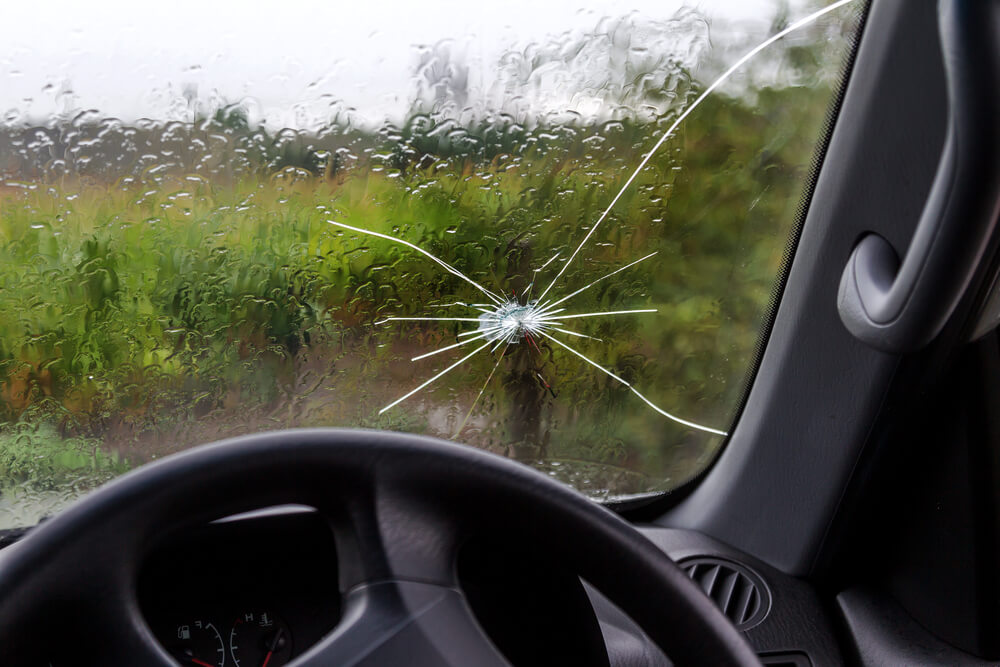
North Texas heat can turn a small chip into a spreading crack quickly. The glass expands in high temperatures, then cools when the air conditioning is running. Potholes, rough pavement, and highway debris add more stress. Once a crack reaches the driver’s line of sight, extends to an edge, or branches across the glass, replacement is often the practical solution.
Do not assume every chip requires a new windshield, though. A small, recent chip can sometimes be repaired before it spreads. Repair is usually faster and less expensive than replacement, and it helps preserve the original factory seal. Cover the damaged area with clear tape if possible, avoid washing the vehicle, and arrange service soon so dirt and moisture do not get into the break.
Mobile service can make the process easier when a cracked windshield is keeping you from work, school, or family obligations. Mid Cities Auto Glass can assess the damage and bring windshield repair or replacement service to eligible locations across the area, including Dallas, Irving, Addison, and Richardson.
Questions to Ask Before You Approve Replacement
Before scheduling, ask whether the proposed glass is OEM, OEM-equivalent, or standard aftermarket. Ask whether it includes the same rain sensor, camera mount, tint, acoustic layer, heating elements, or heads-up display compatibility as the original. If your vehicle has driver-assistance technology, confirm how calibration will be handled after installation.
Also ask about the safe drive-away time. Windshield adhesive needs time to cure before the vehicle can be driven safely. Weather, adhesive type, and vehicle conditions affect that time, so the technician should give you clear instructions before leaving.
A windshield is part of your vehicle’s safety structure, not just a window. The best replacement is the one that fits your vehicle, supports its features, and comes with careful installation. If you are weighing a low quote against a higher one, ask for the specific difference in glass and service. That answer will usually tell you which option is actually worth it.