You notice it at the worst possible time - right before rain starts, in a parking lot after work, or when you need to leave your car overnight. If your car window won’t close, the problem is more than annoying. It affects security, weather protection, and in some cases, your ability to drive comfortably and safely.
The good news is that a stuck power window does not always mean the glass itself is ruined. In many cases, the issue is tied to the window regulator, motor, switch, fuse, or tracks inside the door. What matters most at the start is avoiding extra damage and figuring out whether this is something simple or a repair that needs professional help.
Why a car window won’t close
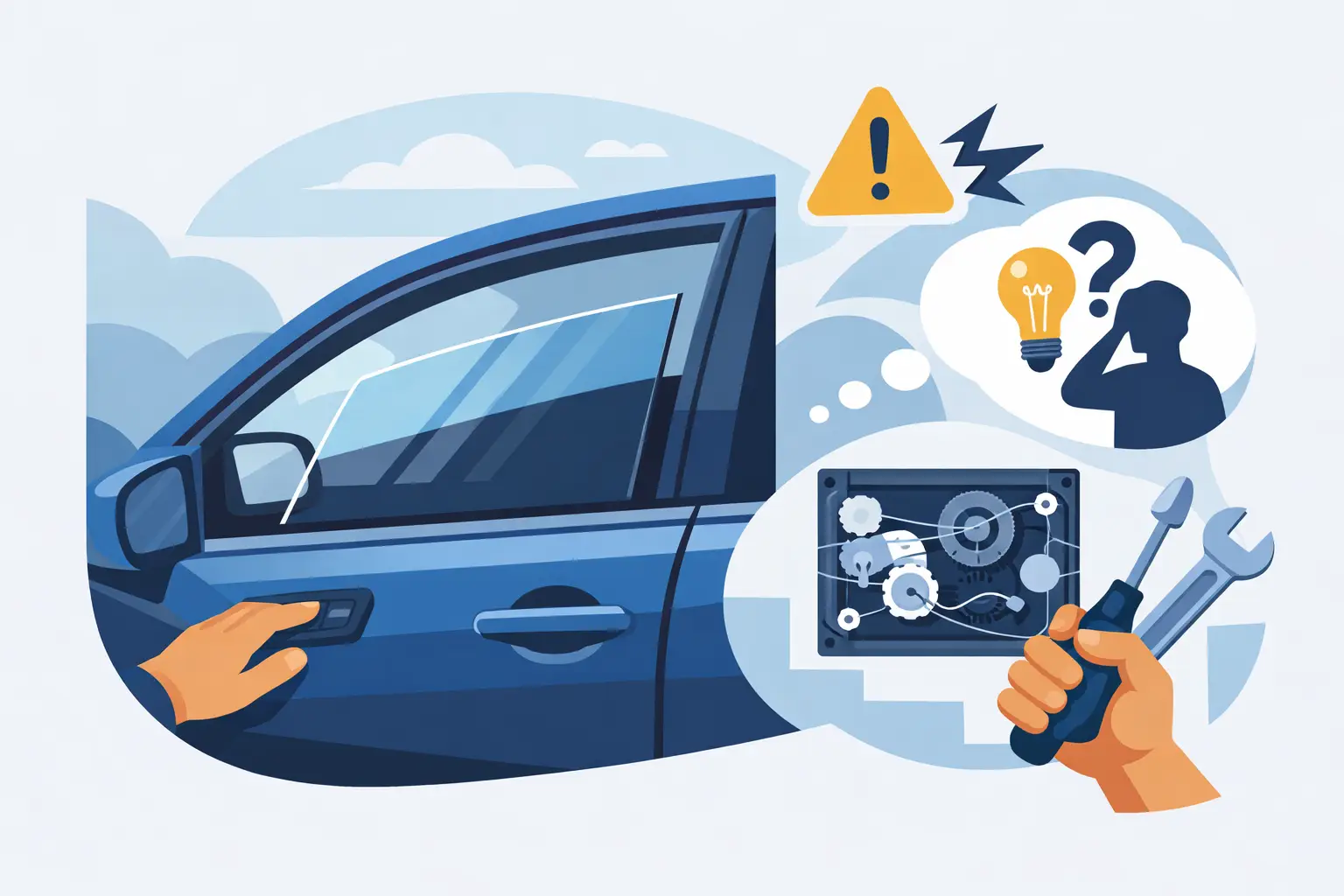
Most side windows rely on a power window system hidden inside the door. When you press the switch, the motor powers the regulator, which moves the glass up or down along a track. If any part of that chain fails, the window may stop halfway, slide down crooked, or refuse to move at all.
A bad window regulator is one of the most common causes. Regulators wear out over time, especially on vehicles that get heavy daily use. If you hear the motor running but the glass does not rise, or it tilts as it moves, the regulator may be damaged.
A failed motor is another likely cause. In that case, you might press the switch and hear nothing at all. Sometimes the motor weakens before it fully quits, so the window moves slower than usual for days or weeks before finally stopping.
The switch itself can also be the problem. If one window will not move from the driver’s master controls but does work from the door switch, or the opposite happens, the issue may be electrical rather than mechanical. A blown fuse or wiring problem can create similar symptoms.
Then there is physical obstruction. Broken glass, debris in the track, or a bent channel can keep the window from closing properly. If the glass looks off-center or grinds as it moves, stop trying to force it. Repeated attempts can crack the glass or strip the regulator.
What to do first when your car window won’t close
Start by turning the vehicle on and trying the window switch again. Listen carefully. If you hear clicking, humming, or a faint motor sound, that points toward a mechanical issue inside the door. If there is no sound at all, the problem may be electrical.
Next, try the switch from the affected door and from the master control on the driver’s side, if your vehicle has one. This can help narrow down whether the fault is in the switch or farther inside the door.
Look closely at the glass. If it is tilted, loose, or sitting lower on one side, the regulator may have come apart. If the window dropped suddenly into the door, that is another strong sign. At that point, it is better not to keep pressing the switch.
If you feel comfortable checking the fuse, review your owner’s manual and inspect the fuse tied to the power windows. A blown fuse can be a simple fix, but if it blows again right away, there is likely a deeper electrical problem.
Temporary steps to protect your car
If the window is stuck open, your immediate goal is to keep water, dirt, and theft risk to a minimum. Clear plastic and weather-resistant tape can work as a short-term barrier until the window can be repaired. Cover the opening from the outside if possible, and avoid placing tape directly on painted surfaces for longer than necessary.
If the glass is still in the door but partly raised, do not slam the door. That jolt can cause the glass to drop farther or shatter if it is already stressed.
Some drivers try to pull the glass up by hand while pressing the switch. That occasionally works when a regulator is failing, but it can also make things worse. If the glass binds in the track or the regulator cable is tangled, forcing it may crack the window or pinch your fingers. It depends on the vehicle and the failure, which is why caution matters.
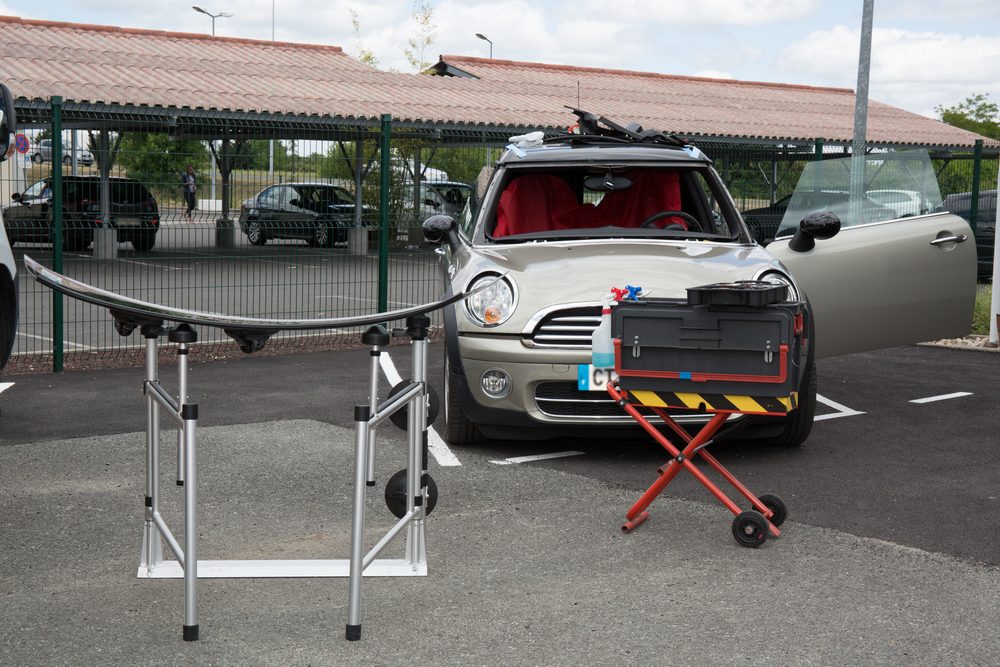
If weather is coming in fast or your vehicle must stay outside, mobile service can be the easiest next step. For drivers in Dallas, Irving, Richardson, Addison, or Fort Worth, getting the repair done where the car is parked can save a lot of hassle compared with driving around with an open window.
When this is a repair and when it becomes a replacement
A car window that will not close does not always need new glass. Quite often, the glass is fine and the failed part is inside the door. In that case, the repair may involve replacing the regulator, motor, switch, or related wiring.
Replacement is more likely if the glass is cracked, chipped along the edge, shattered, or scratched badly after coming off track. Tempered side glass is strong, but when it breaks, it usually breaks all at once. If that happened, you are dealing with both a mechanical problem and a glass replacement issue.
There are also cases where the regulator fails first and damages the glass second. A crooked or unsupported window can hit the frame unevenly and crack under pressure. That is one reason it is smart to stop operating the switch once you notice grinding, binding, or a tilted pane.
Signs you should stop troubleshooting and call a pro
Some window problems are straightforward. Others can turn into a more expensive repair if you keep testing things. If the glass is crooked, loose, broken, or dropped into the door, it is time to stop. The same goes for grinding noises, repeated fuse failure, or signs of moisture getting into the door panel.
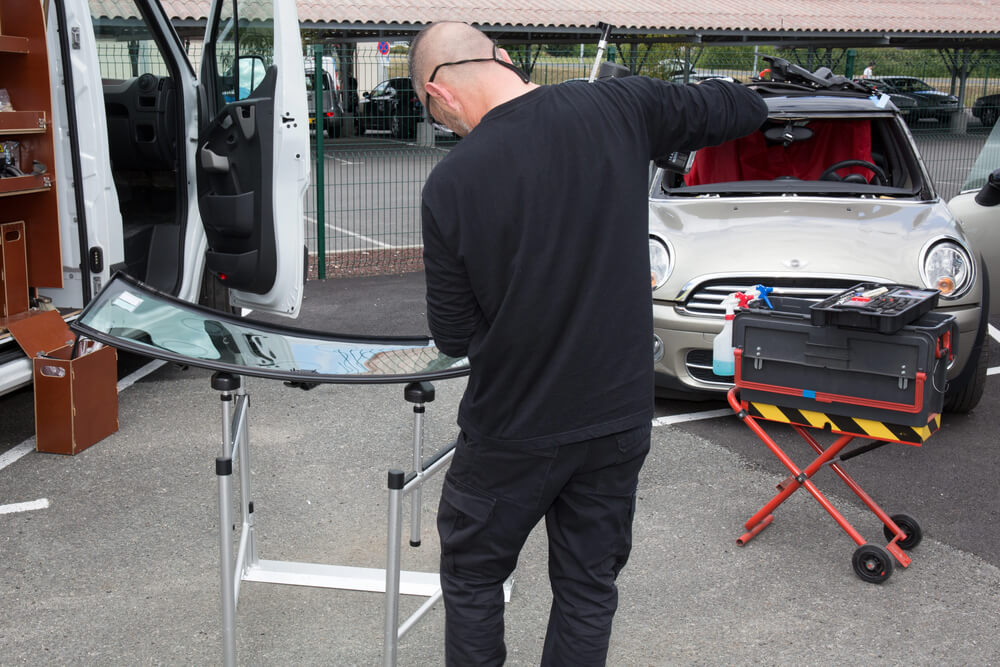
Professional service also makes sense when time matters. If you use your car for commuting, rideshare work, school pickups, or client visits, an open window is not something you want to manage for long. A trained technician can identify whether the issue is the regulator, motor, switch, wiring, or glass, and handle the repair without risking extra damage to the door trim or weather seals.
This is especially helpful after a break-in or impact. If your side window was damaged by theft, road debris, or an accident, there may be hidden issues inside the door beyond the glass itself.
Can you drive with a window that won’t close?
Usually, yes - but that does not mean you should put it off. An open or partially open window exposes the interior to weather and makes the vehicle easier to access. It can also create distracting wind noise and, in colder months, make driving miserable.
There are safety concerns too. If the glass is loose in the frame, it may shift while driving. If broken glass is still inside the door or on the seat, that is another hazard. For families with kids, pet owners, or anyone carrying equipment in the back seat, a failed window becomes more than an inconvenience.
If you have no choice but to drive before repair, keep the trip short and secure the opening as best you can. Avoid high speeds if the plastic covering is loose, and do not run the window switch repeatedly hoping it will suddenly fix itself.
Getting the problem fixed quickly
The best repair path depends on what failed. A simple switch or fuse issue may be relatively minor. A regulator and motor repair is more involved because the technician needs to remove the interior door panel, inspect the assembly, and make sure the glass is seated and aligned correctly. If the glass is broken, cleanup and replacement add another layer.
That is why accurate diagnosis matters. Two stuck windows can look the same from the driver’s seat but need very different repairs once the door is opened.
For local drivers, convenience matters just as much as the repair itself. Mobile auto glass service is often the practical choice when the car window will not close, especially if the vehicle is parked at home, at work, or in a garage where it is safer to fix it on site. Mid Cities Auto Glass helps DFW drivers handle problems like this without adding another trip across town.
A stuck window rarely picks a convenient moment. If you act quickly, protect the opening, and avoid forcing the glass, you give yourself the best chance of a straightforward repair instead of a bigger one.