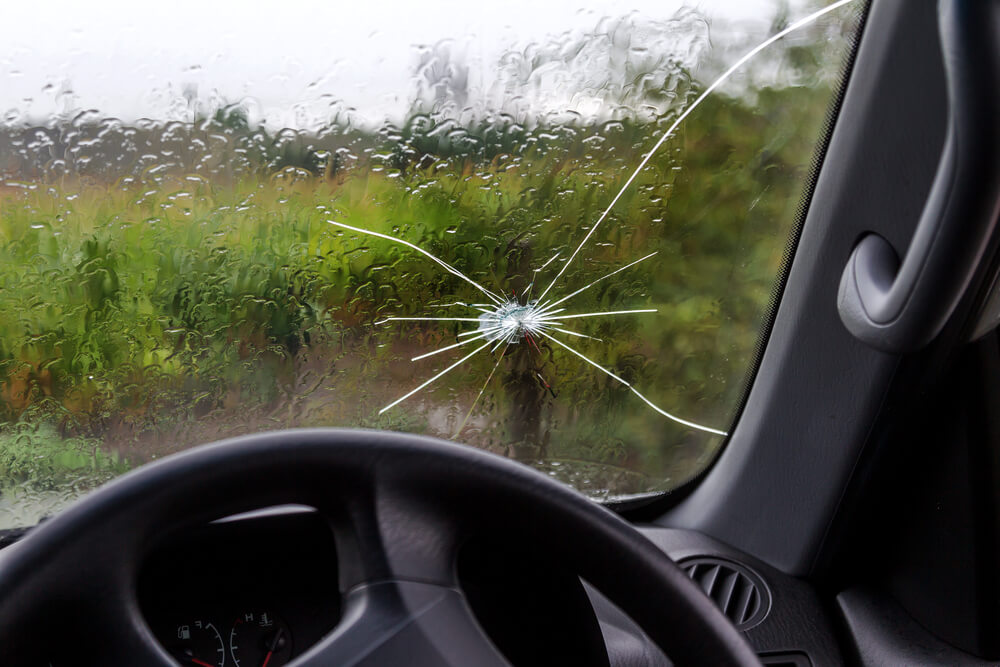
A broken door window is more than an inconvenience. It leaves your vehicle exposed to rain, theft, road noise, and glass fragments that can keep showing up days later. Car side window replacement cost can vary widely, but understanding what drives the price helps you make a quick, informed decision when you need service.
For most drivers, the priority is getting secure again without losing a full day at an auto glass shop. Whether a window was broken during a break-in, damaged in an accident, or stopped moving after the glass shattered, the right replacement should include more than just installing a new pane. The technician should remove loose glass, fit the correct replacement, and check that the window operates properly before the job is done.
What Does Car Side Window Replacement Cost?
A typical side window replacement often falls between $200 and $600, though some vehicles cost less and others cost much more. A basic tempered-glass door window on a common sedan may be toward the lower end of that range. A luxury vehicle, a newer model with specialized glass, or a window that requires extensive disassembly can raise the total.
The exact car side window replacement cost depends on the vehicle's year, make, model, and trim level. Two versions of the same vehicle can use different glass or hardware, so an accurate quote requires the vehicle details rather than a broad estimate alone.
If your vehicle has broken glass inside the door, on the seats, or along the window track, cleanup can also affect the scope of service. Good auto glass work addresses the visible shards and the smaller pieces that can interfere with the window regulator or continue to fall from inside the door panel.
The Main Factors That Affect the Price
The glass itself is usually the biggest variable. Side windows are commonly made from tempered glass, which is designed to break into small pieces rather than sharp shards. However, the shape, tint, thickness, and availability of that glass vary from one vehicle to another.
A common domestic vehicle may have readily available replacement glass at a more manageable price. Glass for an import, a limited-production model, a classic car, or a high-end trim may need to be specially sourced. That can increase both the part cost and the time needed to complete the replacement.
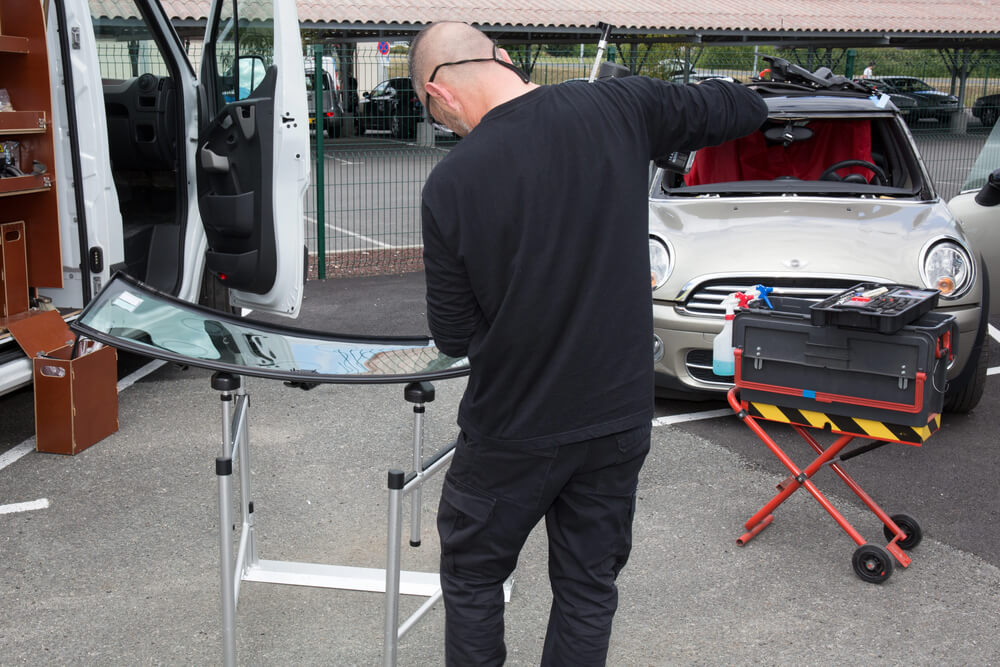
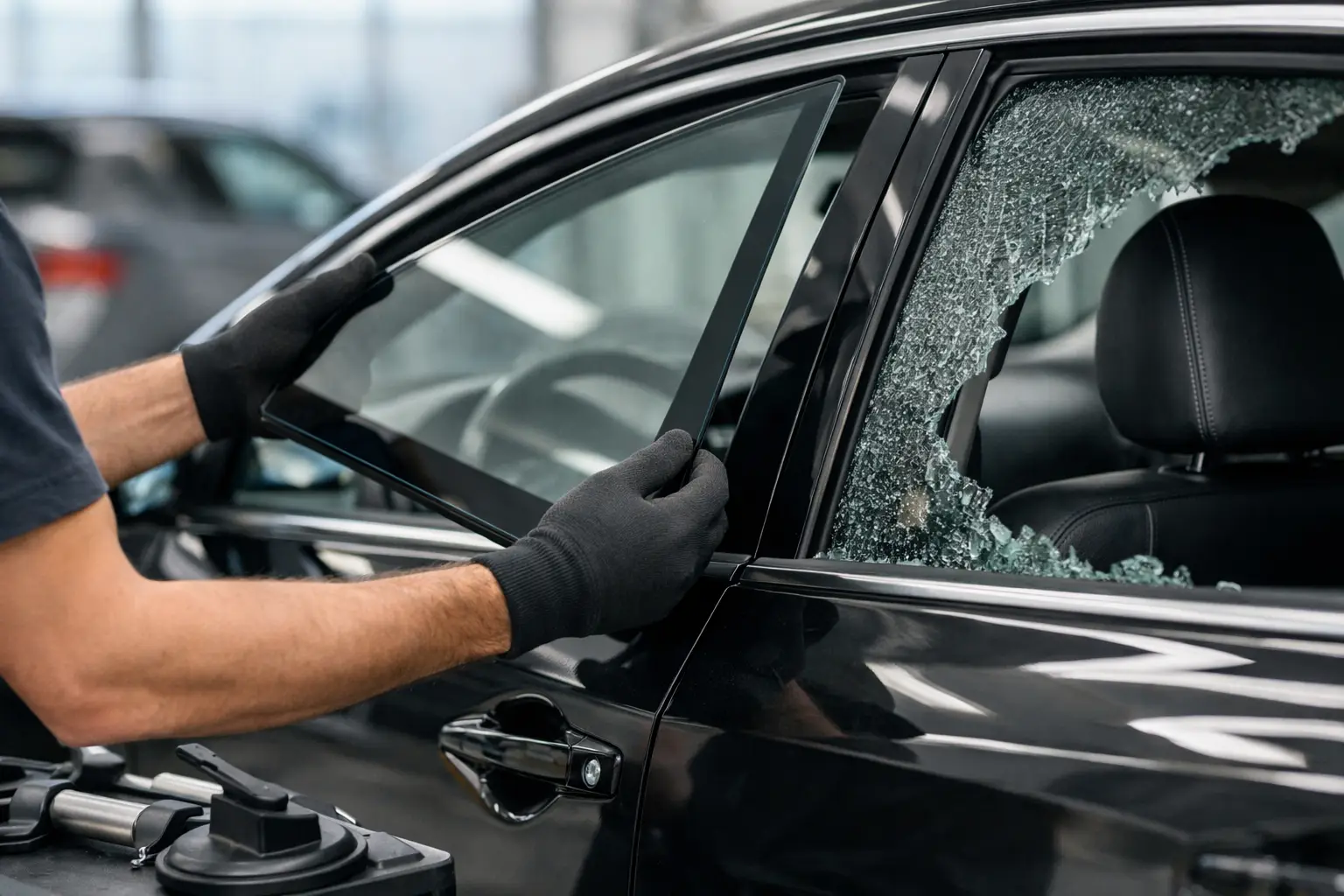
Labor matters too. Replacing a door window generally means removing interior trim, accessing the door cavity, clearing glass from the regulator area, installing the new glass, and putting everything back together correctly. If clips, seals, weatherstripping, or door-panel components are damaged, they may need replacement as part of the repair.
The condition of the window mechanism is another important detail. A break-in can damage only the glass, but it can also bend a guide track, harm a regulator, or affect the power-window motor. Replacing glass is less expensive than replacing glass plus a failed regulator. A technician should inspect the window's movement before giving a final recommendation.
Front, Rear, Quarter, and Vent Glass Are Not the Same
Not every side window has the same replacement process. A front or rear door window is typically mounted inside the door and connected to a regulator. A small fixed quarter window near the rear of the vehicle may be bonded in place and require a different installation method.
Vent glass and quarter glass can sometimes cost more than a standard roll-down door window because of their shape and the way they attach to the body. On SUVs, trucks, and vans, rear side glass may also be larger or more specialized. If it includes a built-in antenna, privacy tint, defrost elements, or a unique molding, the replacement price can change.
This is why photos of the damage and the vehicle identification details are useful when requesting a quote. They help confirm which piece of glass is needed before a technician arrives.
OEM vs. Aftermarket Side Window Glass
One decision that can affect your final price is whether to use original equipment manufacturer glass or quality aftermarket glass. OEM glass is made to the automaker's specifications and may be preferred for certain vehicles or insurance requirements. It is often more expensive.
Aftermarket glass is manufactured to meet applicable safety standards and can be a practical option for many drivers. The best choice depends on availability, your budget, your vehicle, and whether the glass has features that need an exact match. For a standard door window, a quality aftermarket replacement may provide reliable fit and function at a lower cost.
The lowest quote is not always the best value if it leaves out cleanup, proper installation, or a functional check of the power window. Ask what glass is being used and what the quoted service includes. Clear answers upfront make it easier to compare options fairly.
Will Insurance Cover a Broken Side Window?
Comprehensive auto insurance may cover broken side window replacement when the damage results from vandalism, theft, falling debris, weather, or another covered event. Your deductible determines how much you pay out of pocket.
For example, if the replacement costs $350 and your comprehensive deductible is $500, filing a claim may not reduce your cost. If the repair is more expensive than the deductible, a claim could make sense. It depends on your policy and the details of the damage.
If your vehicle was broken into, document the damage before cleanup when possible. Take photos of the broken window, the interior, and any signs of forced entry. A police report may also be useful for an insurance claim, particularly if personal property was stolen.
You do not have to wait on an insurance decision before protecting your vehicle. Ask the glass company whether it can provide the documentation you need for your carrier, then decide whether you want to pay directly or use your coverage.
Why Mobile Replacement Can Save More Than Shop Time
A side window rarely breaks at a convenient moment. It may happen in an apartment parking lot, outside your office, or after a late-night break-in at home. Driving with a missing or shattered window can expose the cabin to weather and create a security problem, especially if the vehicle must sit overnight.
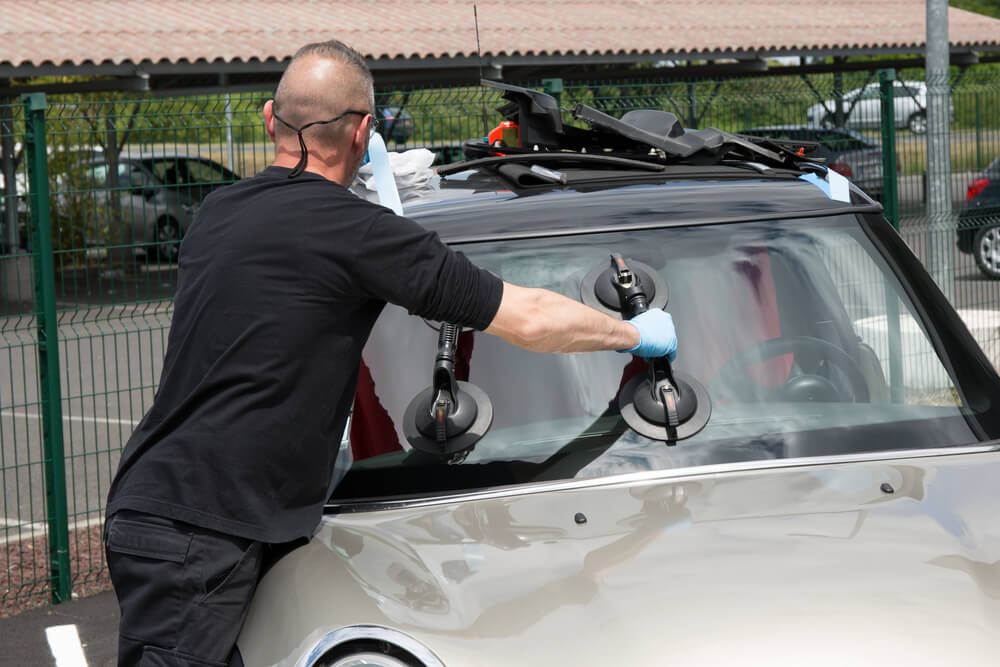
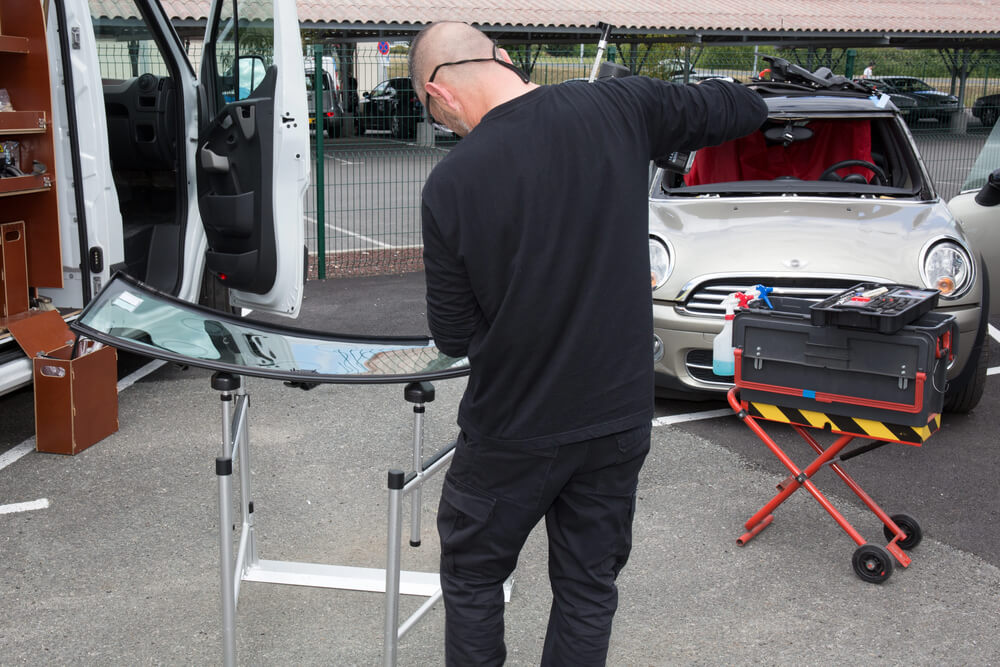
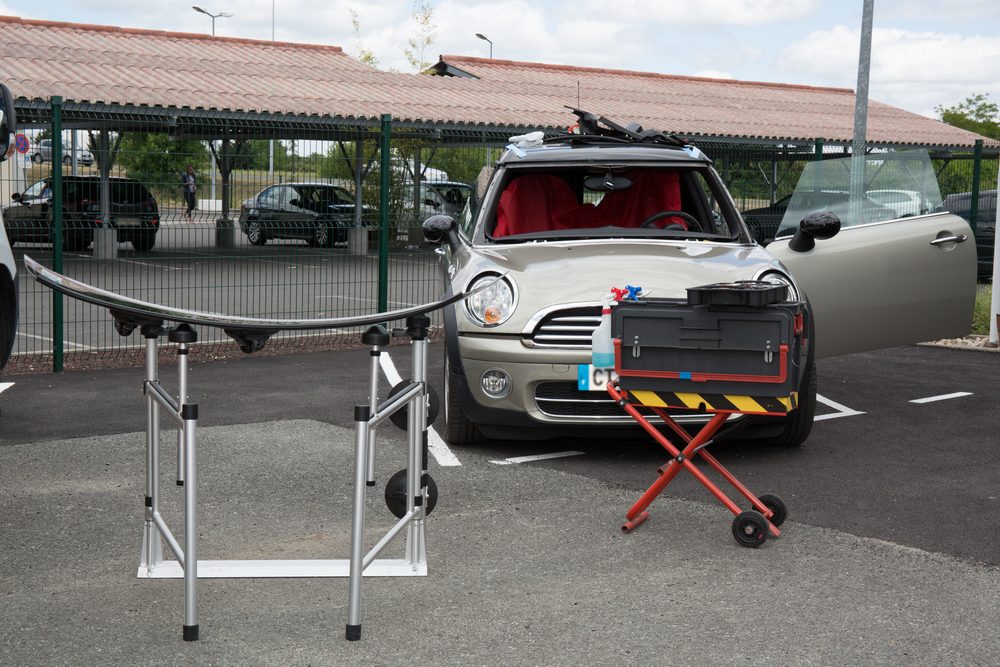
Mobile auto glass service brings the replacement to a safe, workable location. That can save you the trouble of arranging a tow, vacuuming enough glass to drive, or taking time away from work. In Dallas, Addison, Richardson, Irving, Fort Worth, and nearby DFW communities, mobile service can be especially helpful when traffic and distance make a shop visit difficult.
Mobile service is not right for every situation. Severe body damage, a vehicle that cannot be safely accessed, or weather conditions that prevent proper installation may require a different plan. But for many broken door windows, a qualified mobile technician can complete the work where the vehicle is parked.
What to Do Right After a Side Window Breaks
First, avoid running the power window switch. Loose glass inside the door can jam the mechanism or cause further damage. If the window is partly intact, do not force it up or down.
Next, remove valuables from the vehicle and cover the opening temporarily if rain is expected. Use a temporary barrier carefully, without applying tape directly to painted surfaces for an extended period. Wear gloves when handling visible glass, and keep children and pets away from the area.
When you request service, provide the year, make, model, body style, and the location of the damaged glass. Mention whether the window was powered, whether it still moves, and whether the door has visible damage. This helps Mid Cities Auto Glass prepare for the work and give you a more useful estimate before dispatching a mobile technician.
A broken side window does not have to turn into days of inconvenience. Get the correct glass, ask what the quote includes, and choose service that restores the security and function of your vehicle as quickly as conditions allow.