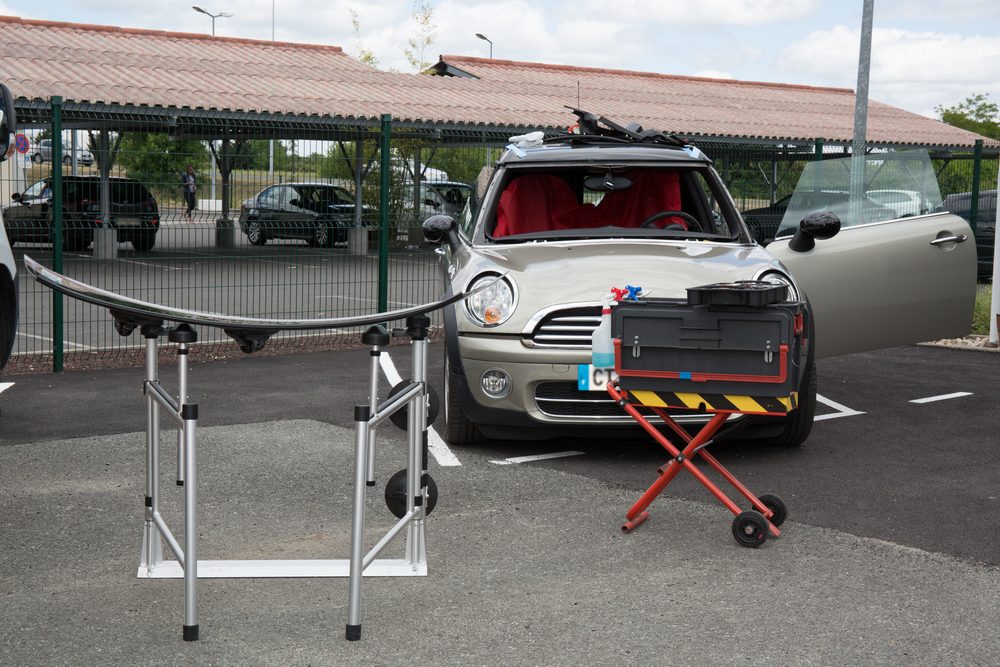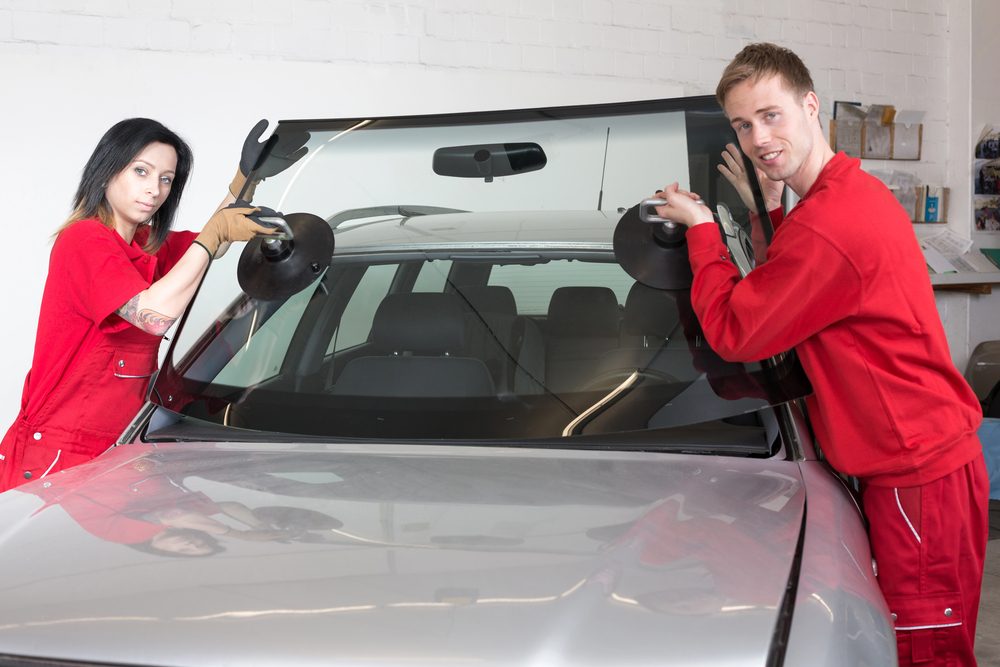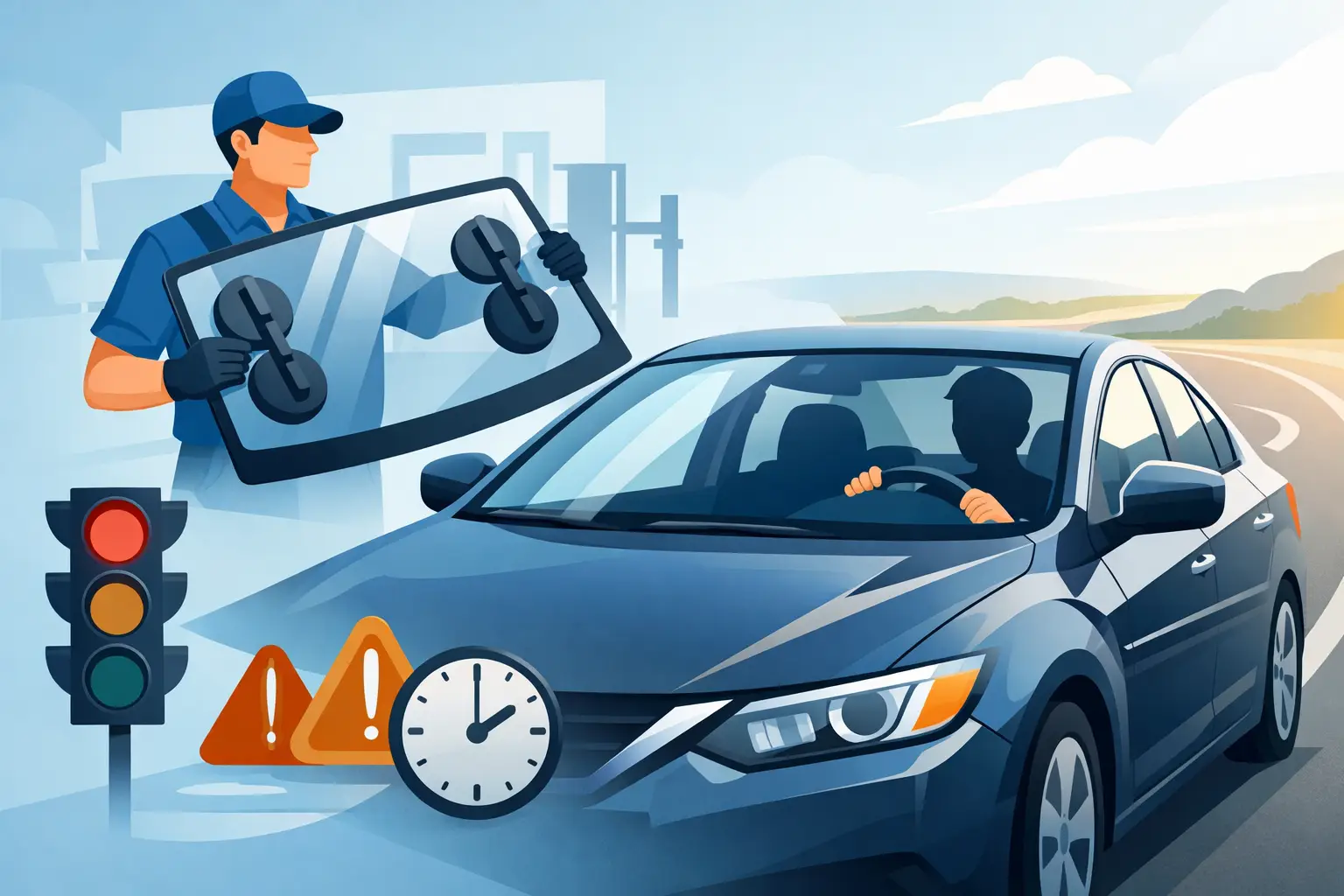
You get your windshield replaced, glance at the clock, and the next question is immediate: can you drive after windshield replacement, or do you need to wait? The short answer is yes, but not always right away. Safe drive-away time depends on the adhesive used, the weather, and how your vehicle’s glass is installed.
That waiting period matters more than most drivers realize. Your windshield does more than block wind and rain. It helps support the roof, contributes to airbag performance, and keeps passengers inside the vehicle during a collision. If the adhesive has not cured enough before you drive, the windshield may not perform the way it should when you need it most.
Can you drive after windshield replacement right away?
Sometimes, but not always.
Most professional windshield replacements come with a recommended safe drive-away time. In many cases, that window is around 30 minutes to 1 hour, but it can be longer depending on the urethane adhesive, temperature, humidity, and the specific vehicle. Some adhesives cure faster than others, and modern vehicles with advanced safety systems may have tighter installation requirements.
This is why a technician should give you a specific answer for your vehicle instead of a generic one. If someone tells you every car is ready in the same amount of time, that is a red flag. A sedan used for commuting in Irving may have a different safe drive-away time than an SUV with driver-assistance features in Fort Worth.
Why the waiting time matters
The key issue is the adhesive.
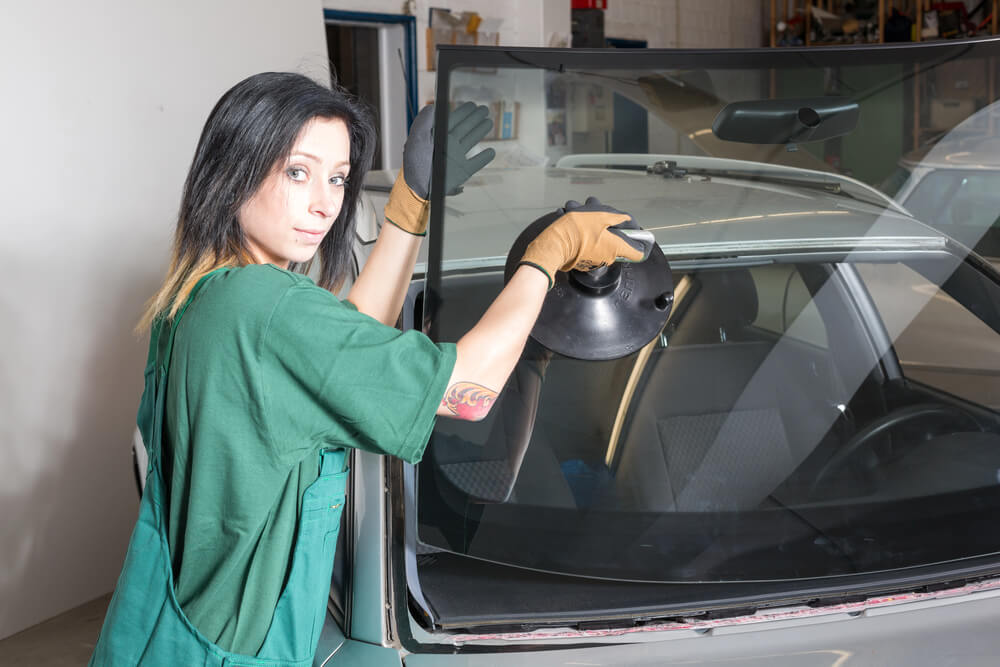
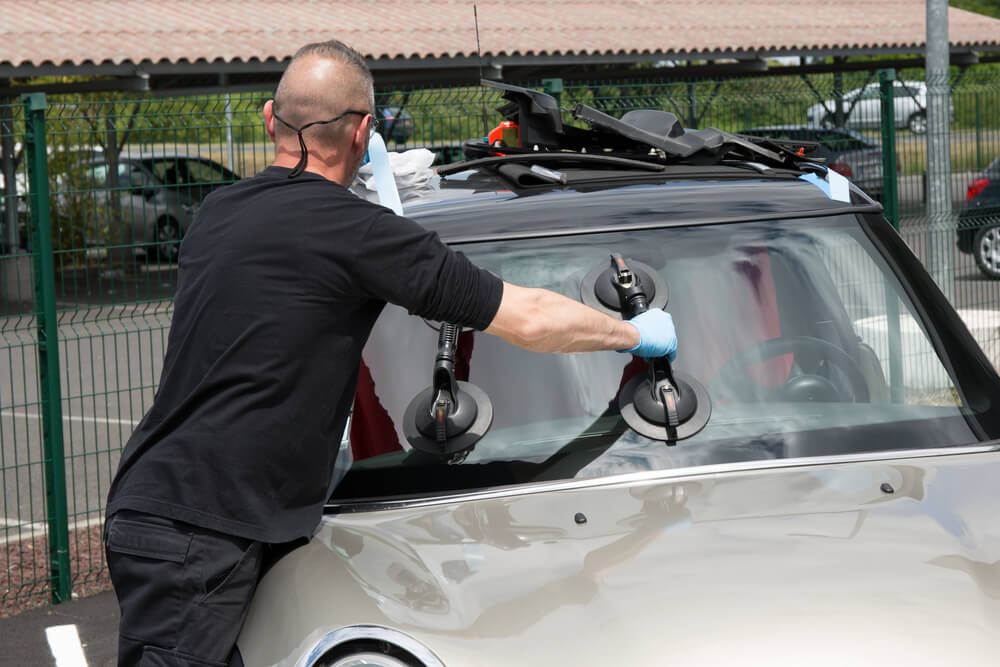
During windshield replacement, the glass is bonded to the frame using automotive urethane. That bond needs time to reach a safe level of strength. Driving too early can expose the fresh installation to vibration, body flex, potholes, hard braking, and even a door slam strong enough to interfere with the seal.
There is also a safety side that many people do not think about. In a front-end crash, the passenger-side airbag often uses the windshield as part of its backstop. If the windshield is not securely bonded, that system may not work as intended. In a rollover, the windshield also helps the vehicle maintain structural integrity.
So the waiting period is not about being overly cautious. It is part of making sure the replacement actually protects you.
What affects drive-away time after a new windshield?
A few factors make a real difference.
The type of adhesive used
Fast-cure urethanes can shorten the time before you can safely drive. Standard adhesives may need longer. Professional installers choose products based on vehicle requirements, weather conditions, and safety standards, not just speed.
Temperature and humidity
Weather affects curing. Warm, humid conditions can help some urethane adhesives cure faster, while cold or very dry air may slow things down. That means safe drive-away time in Dallas during summer may be different from a colder morning in January.
Your vehicle type
Not every windshield install is identical. Some vehicles have larger windshields, different pinchweld designs, or calibration-related requirements because of lane departure warning, forward collision alerts, or other ADAS features.
Installation quality
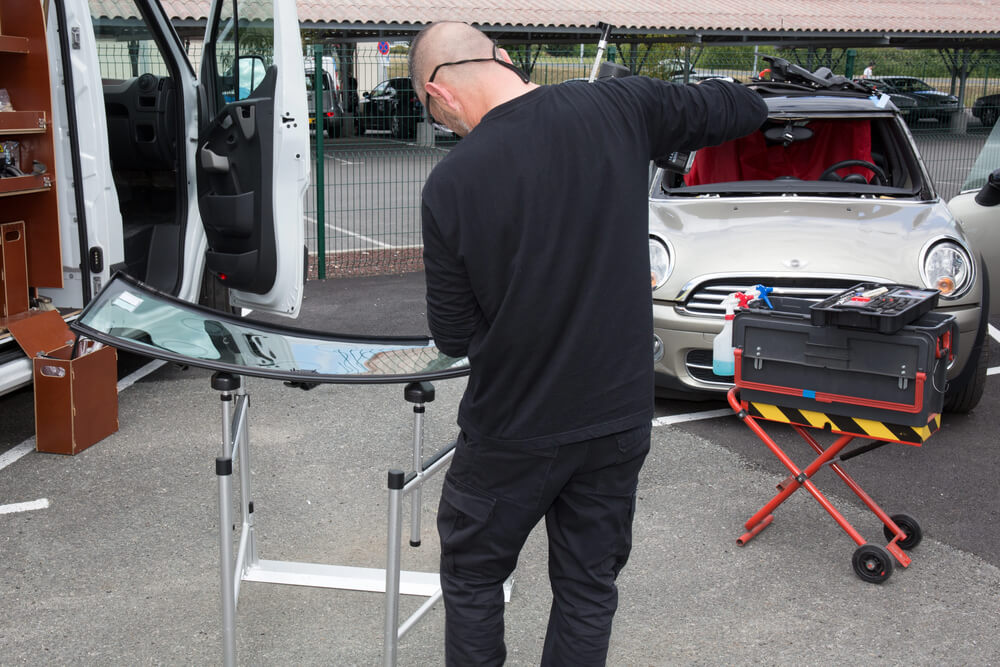
Even the best adhesive needs proper preparation. The old urethane has to be cut correctly, the glass positioned accurately, and surfaces prepped the right way. Rushing the job can create problems that no amount of waiting will fully fix.
What you should do right after windshield replacement
Once the new windshield is installed, the first few hours matter.
Leave the retention tape in place if the technician used it. That tape helps keep the glass stable and protects it from shifting while the adhesive sets. Do not remove it early just because it looks temporary.
Try not to slam the doors. Pressure changes inside the cabin can put stress on a fresh seal. Close doors gently, and if you need to shut one firmly, crack a window first if the technician says that is okay.
Avoid rough roads if possible. Normal driving after the approved wait time is usually fine, but this is not the best moment for speed bumps, construction zones, or hard cornering if you can help it.
Skip a car wash for at least 24 hours, or longer if your installer recommends it. High-pressure water can disrupt the seal before it fully cures.
And leave any dashboard items, sunshades, or stickers alone unless told otherwise. You do not want to press against the new glass or interfere with the bond around the edges.
Signs you should not drive yet
Sometimes the answer to can you drive after windshield replacement is clearly no.
If your technician tells you to wait two hours, wait two hours. That instruction should override any online rule of thumb.
You also should not drive if the glass appears out of position, if you notice a visible gap in the seal, or if the windshield moves when touched. Another warning sign is hearing unusual air noise immediately after installation on a short test drive approved by the installer. Water leaks are another issue, though those may not show up until later.
If anything seems off, call the company before getting back into regular traffic. A small problem is much easier to fix early than after the bond has been compromised.
A common mistake: assuming replacement works like repair
Drivers often confuse windshield repair with replacement.
A chip repair usually cures quickly under a resin process, and there is often very little downtime. Full windshield replacement is different because a whole pane of glass is being bonded to the vehicle. That is why replacement comes with more detailed aftercare instructions and a stricter wait time.
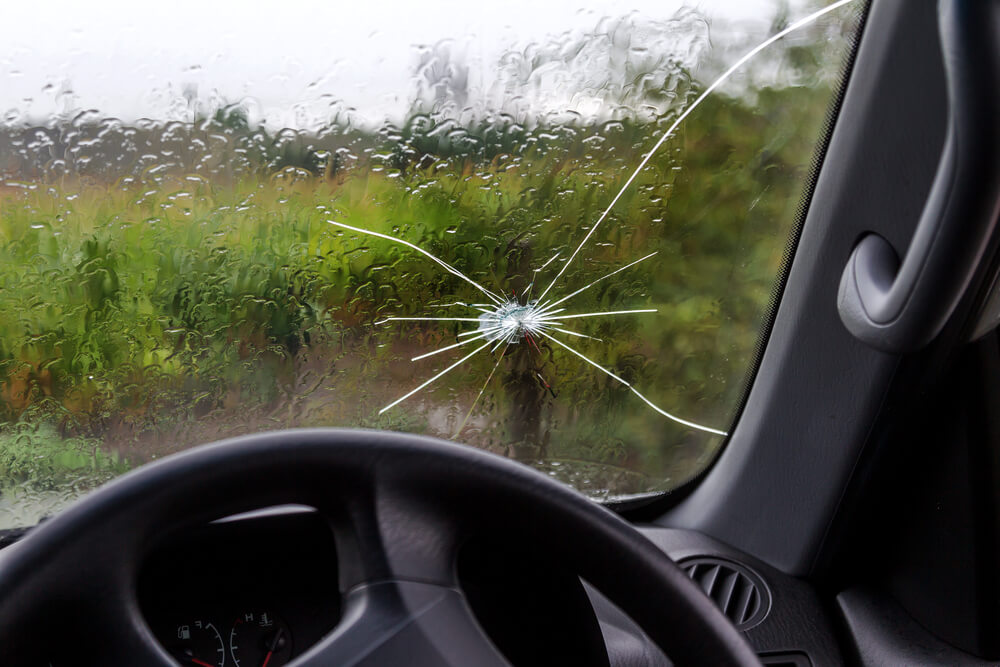
If you are not sure whether your damage needs repair or full replacement, get a professional opinion. A long crack, edge damage, or glass damage in the driver’s line of sight often changes the recommendation.
What about same-day driving for work or family needs?
For a lot of DFW drivers, waiting around is not realistic. You may need to pick up kids, get to a job site, or stay on schedule for rideshare work. That is where mobile service makes a difference.
Instead of losing half a day at a shop, you can have the windshield replaced at home or work and use the waiting period more efficiently. If the technician finishes while you are in the office or at home, that safe drive-away window is less disruptive than it would be if you were sitting in a waiting room.
That convenience still does not mean cutting the wait short. It just makes it easier to follow the instructions without throwing off your day.
Can you drive after windshield replacement in bad weather?
It depends on the conditions and the installer’s guidance.
Light rain after the approved drive-away time is often not a problem, because automotive urethane is designed for exterior use. Heavy rain, extreme cold, or sudden temperature swings can be a different story, especially if the adhesive still needs more curing time.
Wiper use is another factor. If your windshield was just replaced and the weather turns messy, ask whether the glass is fully ready for normal wiper pressure and road use. In many cases it will be, but the timing matters.
The best question to ask before the technician leaves
Ask this: When is my safe drive-away time for this specific vehicle today?
That question gets you a practical answer based on your car, the adhesive, and current weather conditions. You can also ask what to avoid for the next 24 hours and whether your vehicle needs ADAS calibration after replacement. Those details matter more than broad internet advice.
If you are using a local mobile provider such as Mid Cities Auto Glass, this is the kind of clear, on-site guidance you should expect before the job is considered complete.
When it is safe to drive, ease back into normal use
Once you have reached the approved time, normal driving is usually fine. Still, use some common sense for the rest of the day. Avoid unnecessary jolts, hold off on automatic car washes, and pay attention to any unusual noise or moisture around the seal.
Most properly installed windshields do not give drivers any trouble after that initial period. The key is simple: do not rush the first step.
If you need a windshield replaced, the safest move is not just getting the glass changed quickly. It is getting it replaced correctly, then giving it the short amount of time it needs before you head back out on the road.