A rock chip can look minor from the driver’s seat, but it can become a bigger problem fast. Can a damaged windshield pass inspection? Sometimes, but the answer depends on where the damage is, how large it is, whether it affects visibility, and the inspection rules in your state.
For drivers in the Dallas-Fort Worth area, there is another wrinkle: Texas no longer requires annual safety inspections for most non-commercial vehicles. That does not make a cracked windshield safe to ignore. A windshield that obstructs your view, continues spreading, or has loose glass still needs prompt attention.
Can a Damaged Windshield Pass Inspection? It Depends
In states that perform safety inspections, inspectors generally focus on whether windshield damage creates a safety concern. A small chip outside the driver’s direct line of sight may pass in some states. A long crack, a crack reaching the windshield edge, damage directly in front of the driver, or shattered glass is much more likely to cause a failed inspection.
There is no single nationwide pass-or-fail measurement for windshield cracks. State rules can differ on the size of a chip, the length of a crack, and the part of the windshield considered the driver’s critical viewing area. Some rules are very specific. Others leave more room for an inspector to determine whether the damage interferes with safe driving.
The practical takeaway is simple: if you have to look around the crack to see traffic lights, pedestrians, lane markings, or cars ahead, do not count on passing. More importantly, do not wait for an inspection result to address it.
Why Windshield Location Matters More Than You Think
Not all windshield damage creates the same risk. A small chip near the passenger-side edge is different from a crack that crosses in front of the steering wheel. Inspectors and auto glass technicians pay close attention to location because even a small defect can distort your vision when sunlight, headlights, rain, or glare hit the glass.
Damage in the driver’s primary viewing area is the biggest concern. A crack can catch light and create reflections, while a chip can make objects appear distorted. At night, that distortion can be worse than it looks during the day.
Cracks that reach the outer edge of the windshield are also serious. The edges help support the strength of the glass. Once a crack reaches that area, normal road vibration, temperature changes, and a slammed door can make it spread quickly. In many cases, edge cracks mean replacement is the safer choice.
Chips, Bullseyes, and Star Breaks
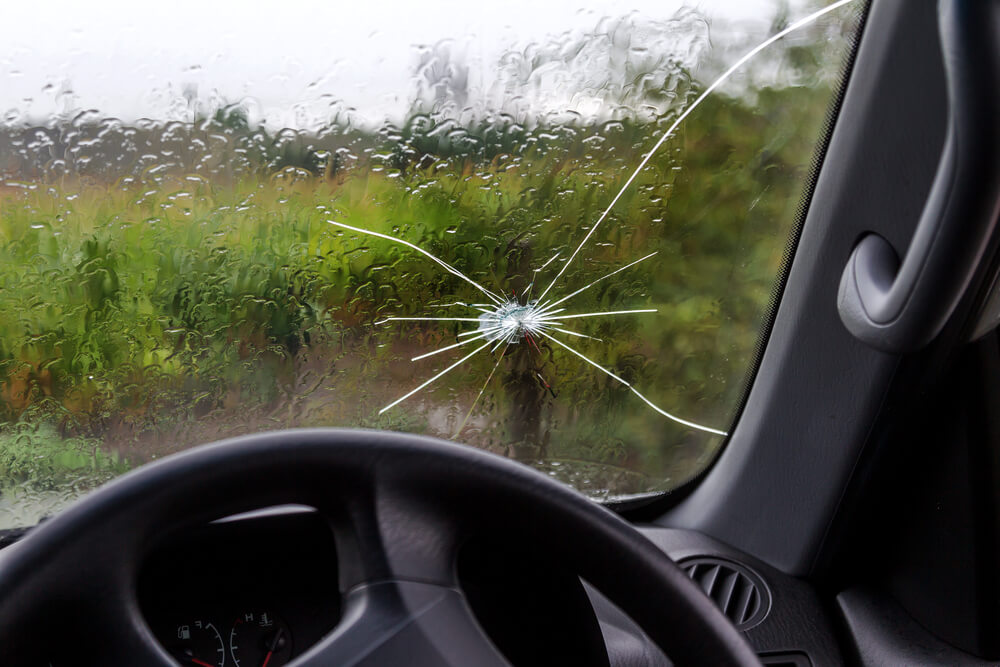
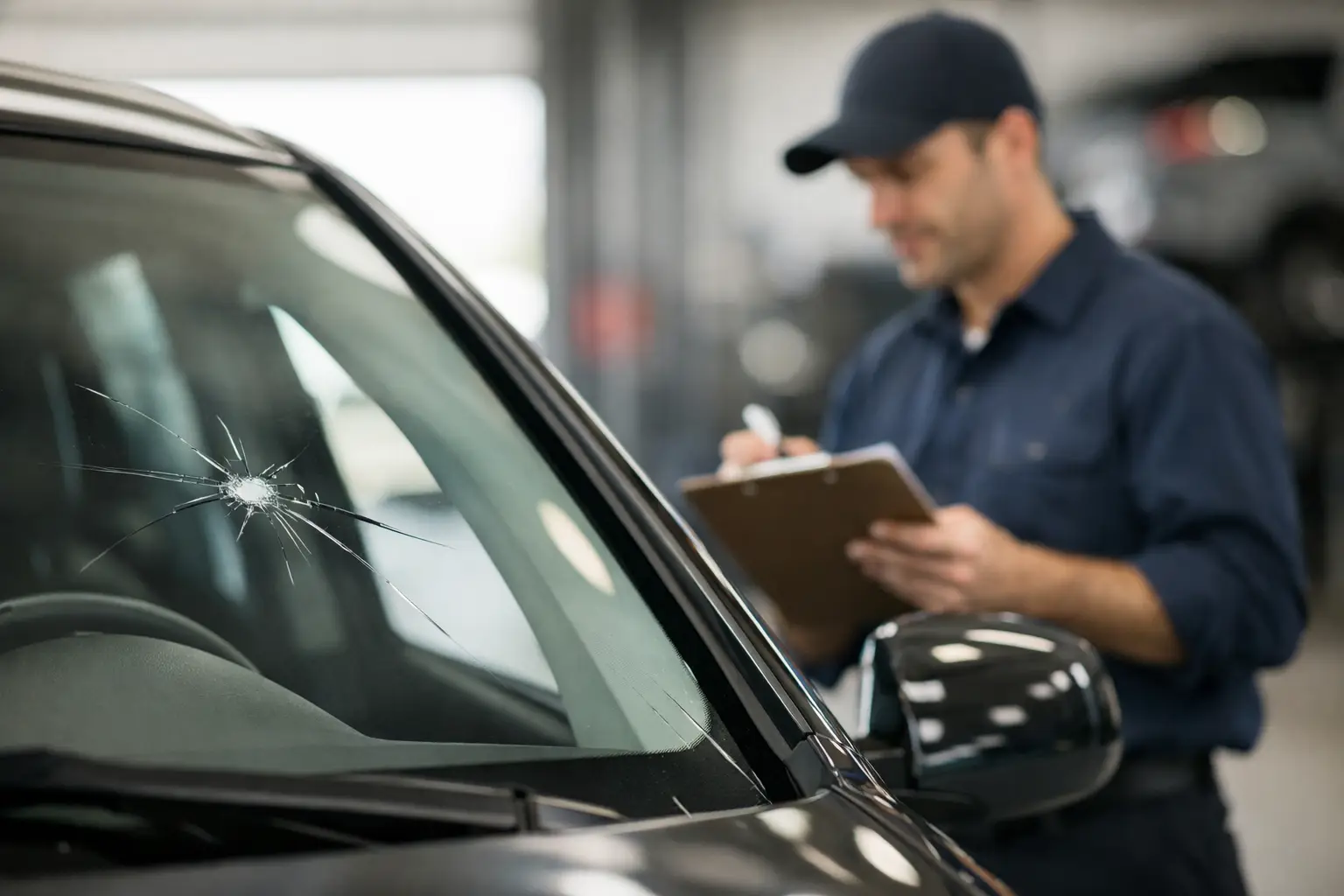
A small chip may be repairable if it is caught early. Common repairable damage includes a compact bullseye break, a small star break, or a combination break that has not spread too far. During a windshield repair, a technician injects resin into the damaged area and cures it to stabilize the glass.
Repair does not always make the spot disappear completely. The goal is to stop the damage from spreading, restore much of the windshield’s strength, and improve clarity. If the chip is directly in your line of sight, repair may still leave a visible mark. That can affect whether replacement is the better option.
Long Cracks Usually Call for Replacement
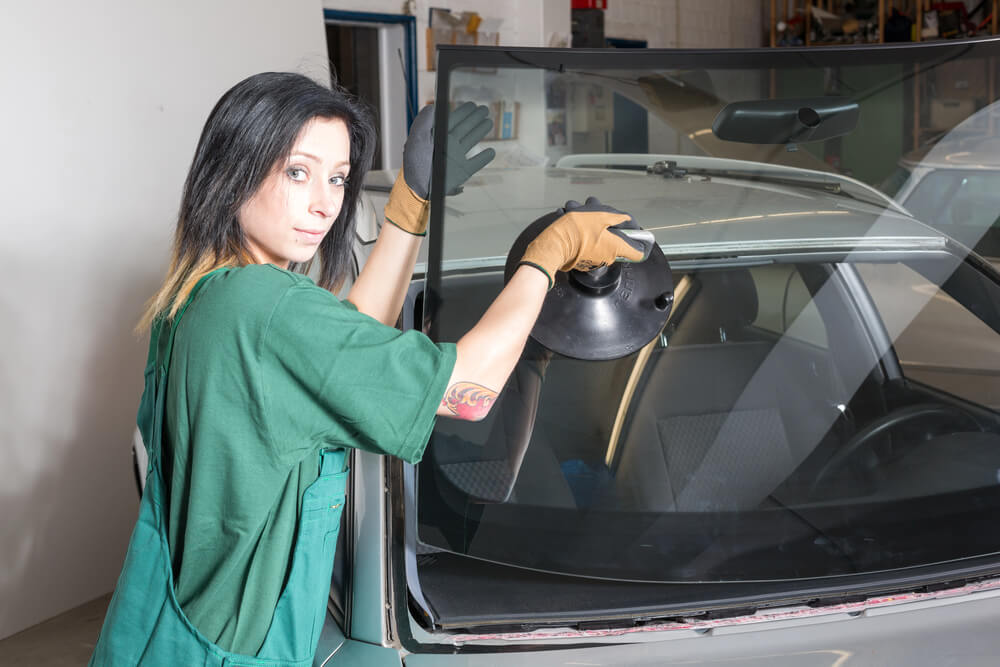
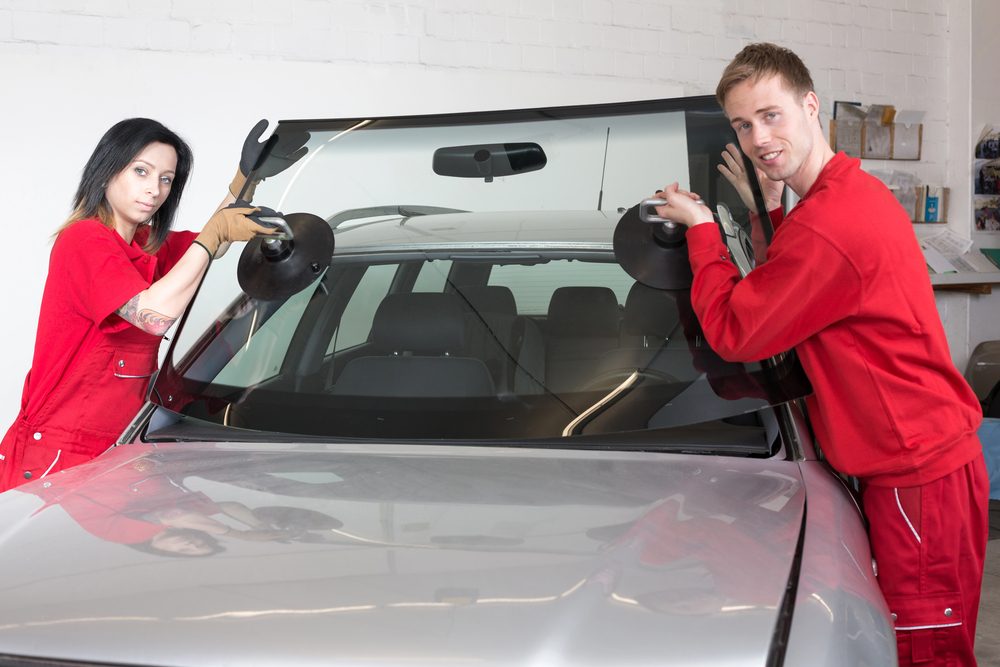
A long crack is rarely a good candidate for a simple chip repair. The longer it gets, the more likely it is to expand and compromise the windshield. Modern windshields are also part of a vehicle’s overall safety system. They help support the roof during a rollover and provide a stable surface for passenger-side airbag deployment.
If your vehicle has a forward-facing camera, lane-assist system, automatic emergency braking, or rain-sensing wipers, windshield replacement can require calibration as well. Using the right glass and completing any required calibration helps those safety features work as intended.
What Texas Drivers Should Know About Inspections
As of January 1, 2025, most non-commercial passenger vehicles in Texas no longer need an annual safety inspection before registration. That means a cracked windshield will not usually be the reason a typical personal vehicle cannot complete a Texas safety inspection, because that inspection program no longer applies to most drivers.
However, vehicles registered in certain Texas counties, including much of the DFW area, may still need emissions testing. An emissions test checks pollution-control equipment and onboard diagnostic systems. It is not a windshield safety check.
Commercial vehicles and certain other vehicles may still have inspection requirements. Rules can change, and a business owner, rideshare driver, or fleet operator may have separate requirements through an employer, insurer, or vehicle program. If your vehicle is subject to a safety inspection elsewhere, check the current rules for that state before assuming a crack will pass.
Even without a routine Texas safety inspection, law enforcement can still address a windshield that materially obstructs a driver’s view or makes a vehicle unsafe to operate. A damaged windshield can also become a problem after an accident, during a trade-in appraisal, or when you need to drive in heavy rain or at night.
When to Repair and When to Replace
The right choice comes down to the size, location, type, and age of the damage. A fresh chip that is small and outside the driver’s direct viewing area is often worth repairing right away. Prompt repair is usually less expensive than replacement and can prevent a small impact mark from turning into a full crack.
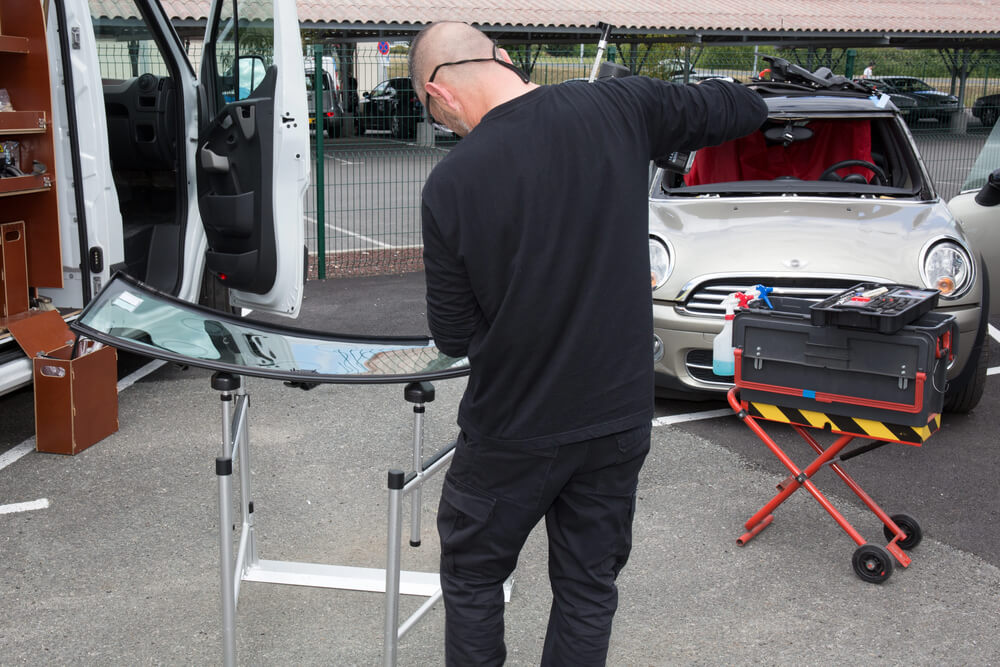
Replacement is generally the better route when the windshield has a long crack, multiple damaged areas, edge damage, deep impact damage, or a break in the driver’s primary viewing area. Replacement may also be necessary if moisture, dirt, or time has contaminated a chip and reduced the chances of a clean repair.
Do not use clear tape as a long-term fix. It may keep some dirt out of a fresh chip while you arrange service, but it does not strengthen the glass. Avoid sudden temperature changes, such as blasting the defroster onto a freezing windshield or washing hot glass with cold water. Those changes can make cracks travel.
A Quick Way to Judge the Urgency
You should arrange auto glass service as soon as possible if the damage affects your view, has spread since it first appeared, reaches the windshield edge, or sits near a camera or sensor. The same goes for damage that feels rough, has missing glass, or creates a visible haze when headlights hit it.
If the chip is small, recent, and away from your line of sight, you may have time for a repair rather than an emergency replacement. Still, it is smart to schedule it quickly. DFW heat, road vibration, and daily temperature swings are hard on already-damaged glass.
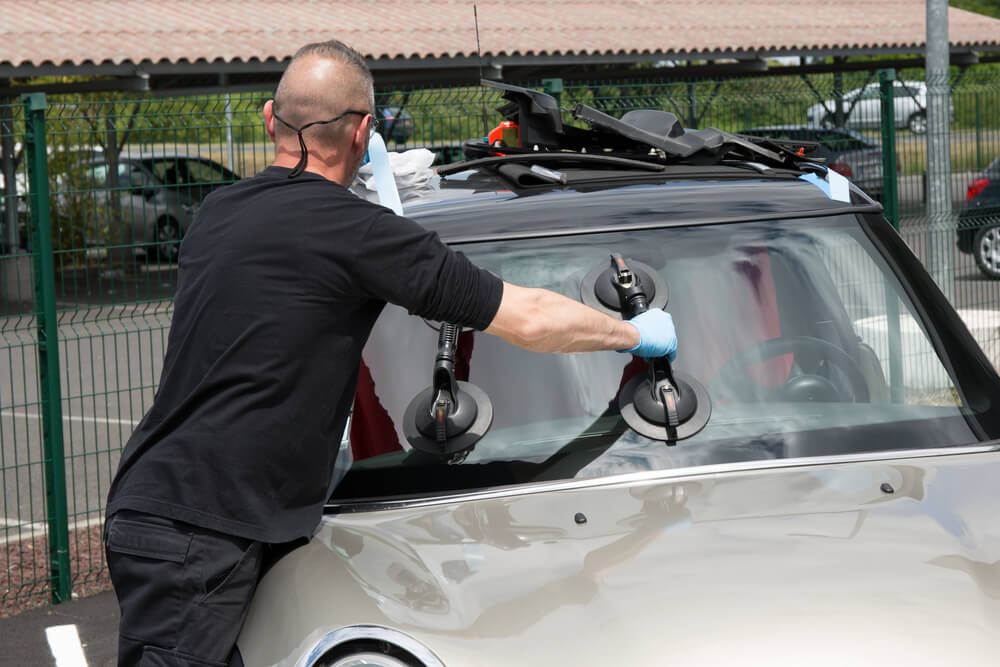
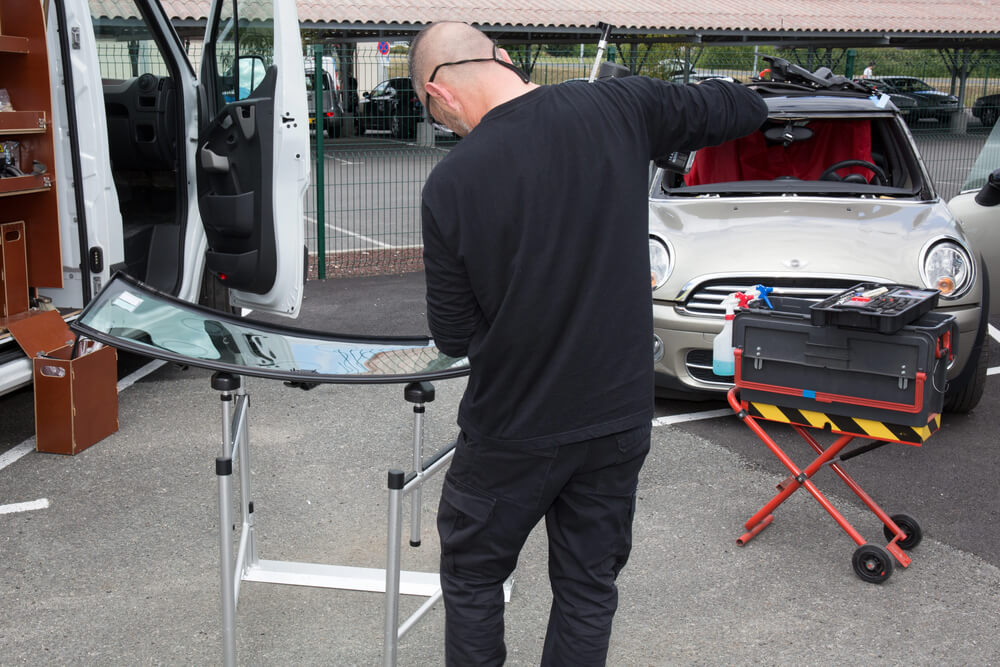
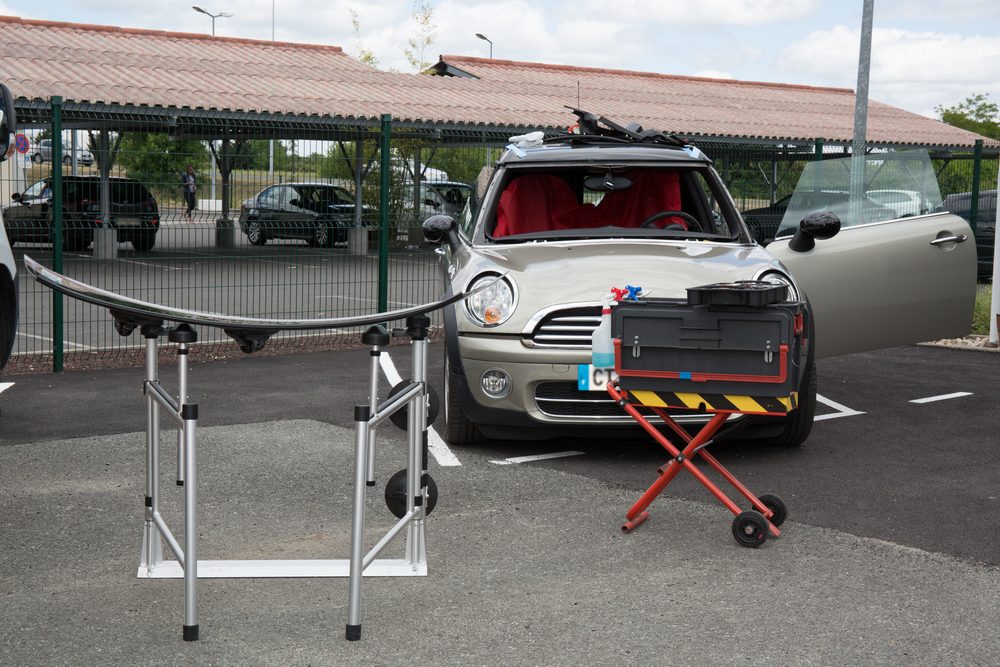
For busy commuters and families, mobile service can keep a windshield issue from turning into lost work time or an unsafe drive across town. Mid Cities Auto Glass can come to a home, office, or other convenient location in Dallas, Addison, Richardson, Irving, or Fort Worth to assess whether repair or replacement makes sense.
Do Not Let an Inspection Question Delay a Safety Fix
A windshield does more than block wind and bugs. It is a structural and visibility component that affects every mile you drive. Whether your damaged windshield can pass inspection depends on the applicable rules, but the better question is whether you can see clearly and drive safely right now.
If a chip is still small, getting it repaired today may save the windshield tomorrow. If a crack is growing or sitting in your view, schedule replacement before the next commute gives it a chance to get worse.