A windshield crack can turn a normal commute into a safety problem fast. The best windshield replacement options are not always the cheapest quote or the first appointment available. The right choice depends on where the damage is, what safety technology your vehicle has, the type of replacement glass available, and whether mobile service fits your situation.
For drivers in the Dallas-Fort Worth area, the practical goal is simple: get safe, correctly installed glass without losing a full day at a repair shop. Here is how to compare your options before the crack spreads or visibility gets worse.
Start With Repair or Replacement
Not every damaged windshield needs to be replaced. A small chip or short crack may be repairable when it is away from the driver’s direct line of sight and has not spread to the windshield’s edge. Repair is usually faster and costs less because a technician injects resin into the damaged area rather than removing the glass.
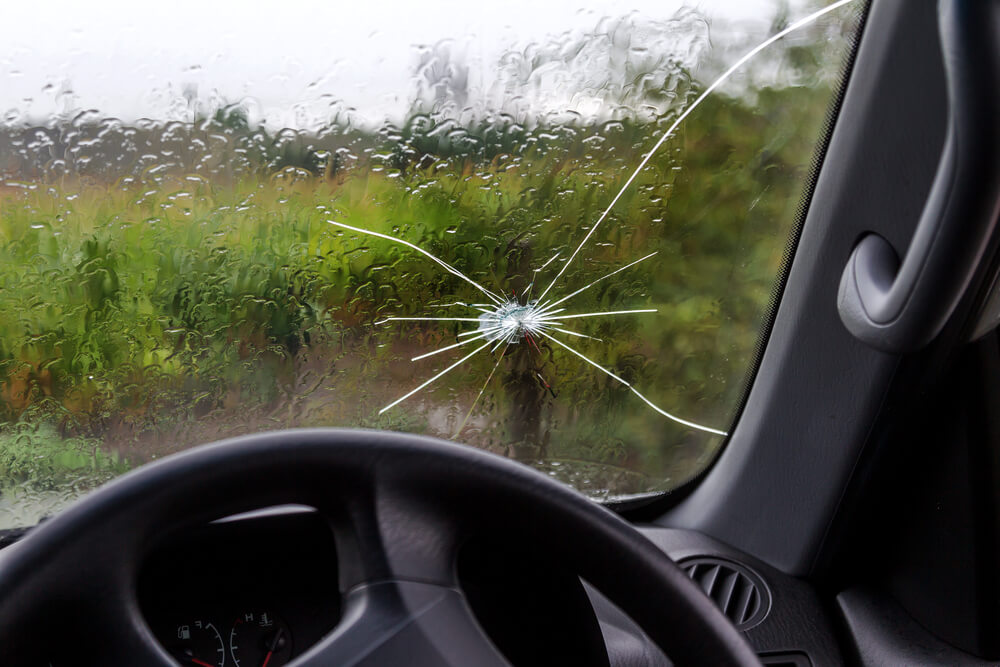
Replacement is the better option when a crack is long, reaches the edge, branches in multiple directions, or affects the driver’s view. It is also often necessary when damage is deep enough to compromise the windshield’s layers. A windshield does more than block wind and debris. It supports the roof structure and helps airbags deploy as designed, so a badly damaged windshield is not something to put off.
If you are unsure, a clear photo and a quick assessment from an auto glass technician can usually determine whether repair is still realistic. Waiting can remove that option. Texas heat, road vibration, and another bump in the parking lot can make a manageable chip spread across the glass.
Best Windshield Replacement Options: Glass Types
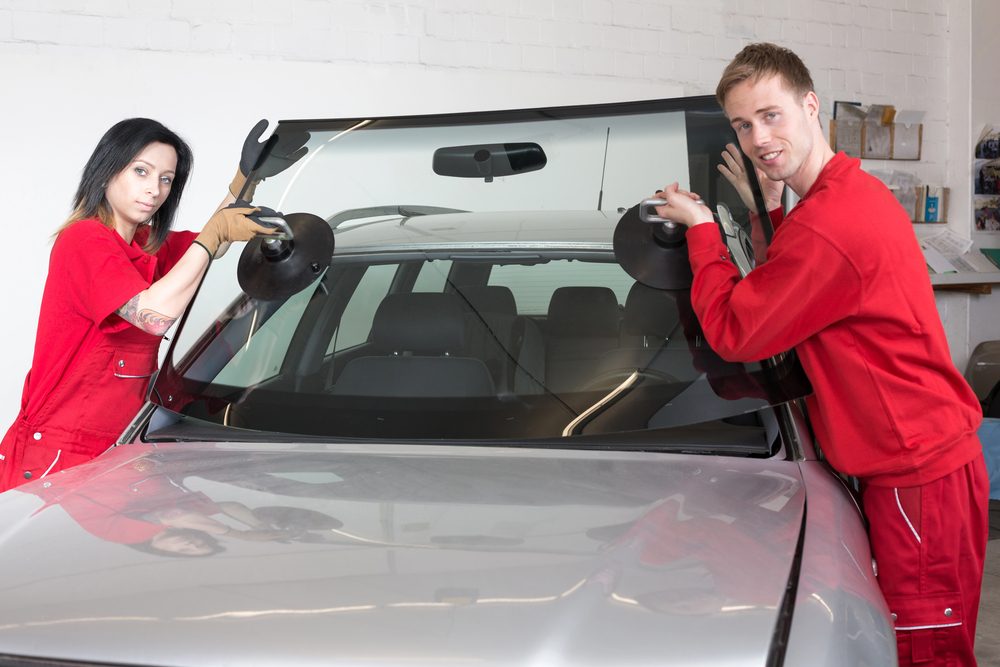
When replacement is necessary, the biggest decision is usually the glass itself. There are three common categories, and each has a place depending on your vehicle, budget, and features.
OEM windshield glass
OEM means Original Equipment Manufacturer. This glass is made by, or made to the specification of, the manufacturer that supplied glass for the vehicle when it was new. It is designed to match the original windshield’s shape, thickness, tint, acoustic properties, and mounting points.
OEM glass is often a strong choice for newer vehicles, luxury models, and vehicles with advanced driver-assistance systems. If your windshield includes a camera bracket, rain sensor, heated elements, heads-up display area, or special acoustic layer, OEM glass can reduce fitment concerns. The trade-off is cost. It is commonly more expensive and may take longer to source than other options.
OEE windshield glass
OEE means Original Equipment Equivalent. It is made by reputable glass manufacturers to meet the vehicle’s required specifications, but it may not carry the automaker’s branding. For many drivers, this is the best balance of quality, availability, and price.
A quality OEE windshield should fit correctly and provide the clarity and durability you need. However, not every OEE part is identical. The technician should verify that the glass matches your vehicle’s exact year, make, model, trim, sensor package, and features before installation.
Aftermarket windshield glass
Aftermarket glass can be a budget-friendly option, especially for older vehicles without cameras or specialty windshield features. Quality varies more widely in this category, so the installer matters. A lower price is only a good deal if the glass fits properly, has acceptable optical clarity, and is installed with the correct materials.
For a basic vehicle with no windshield-mounted technology, aftermarket glass may make sense. For a late-model vehicle with lane-departure warnings or a forward-facing camera, ask whether the glass is compatible with your system and whether calibration is included.
Mobile Replacement or a Shop Appointment
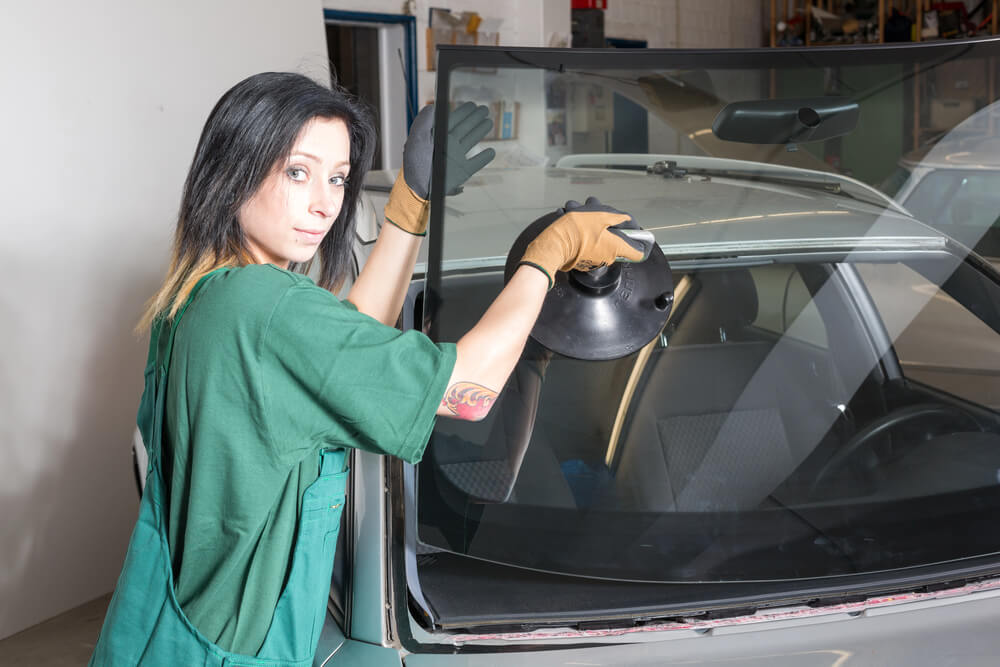
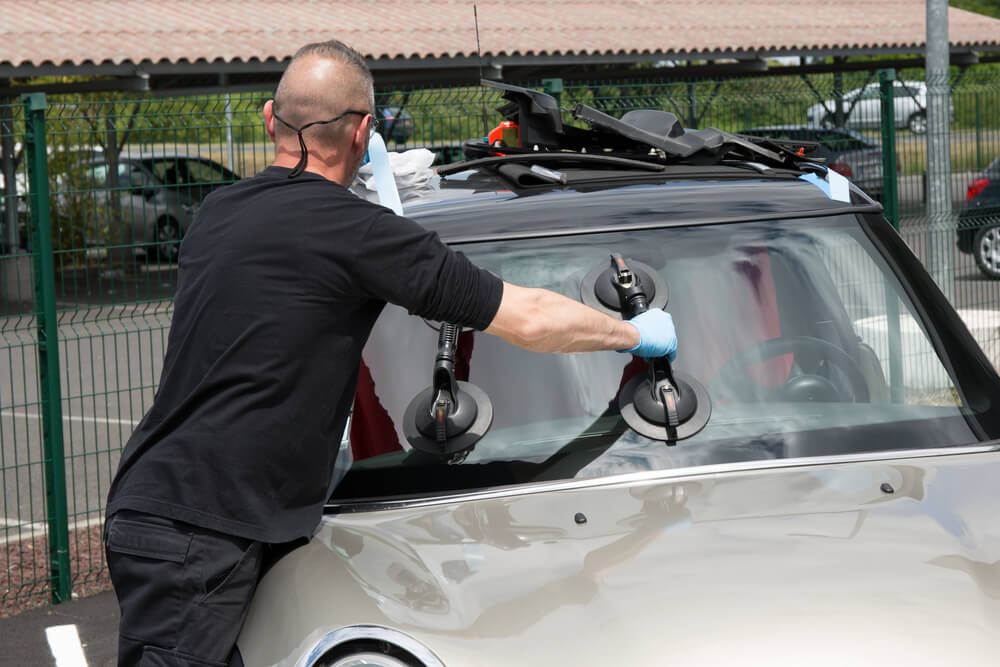
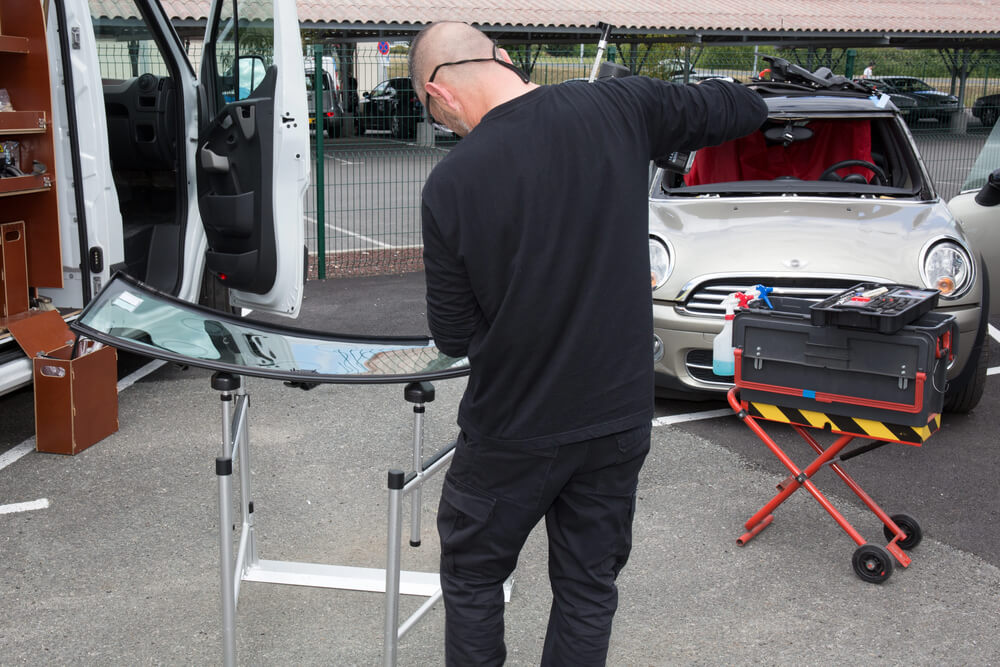
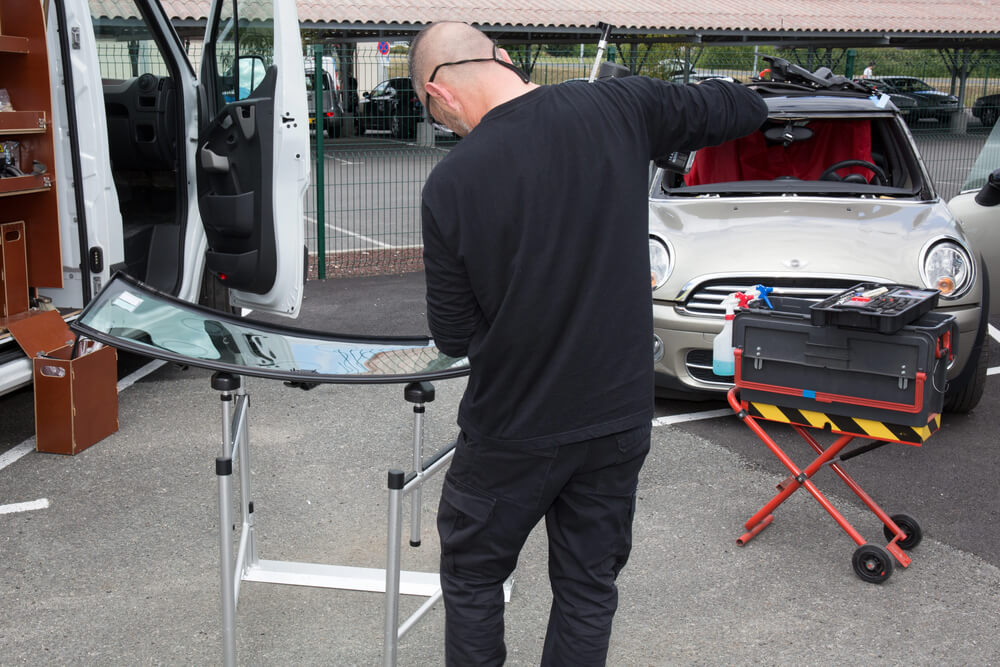
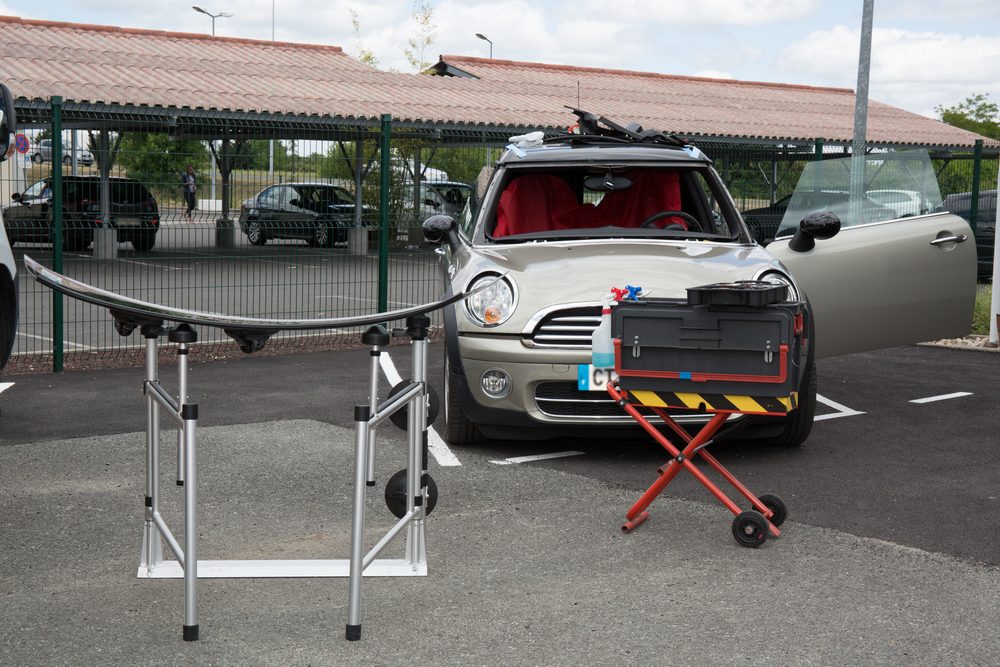
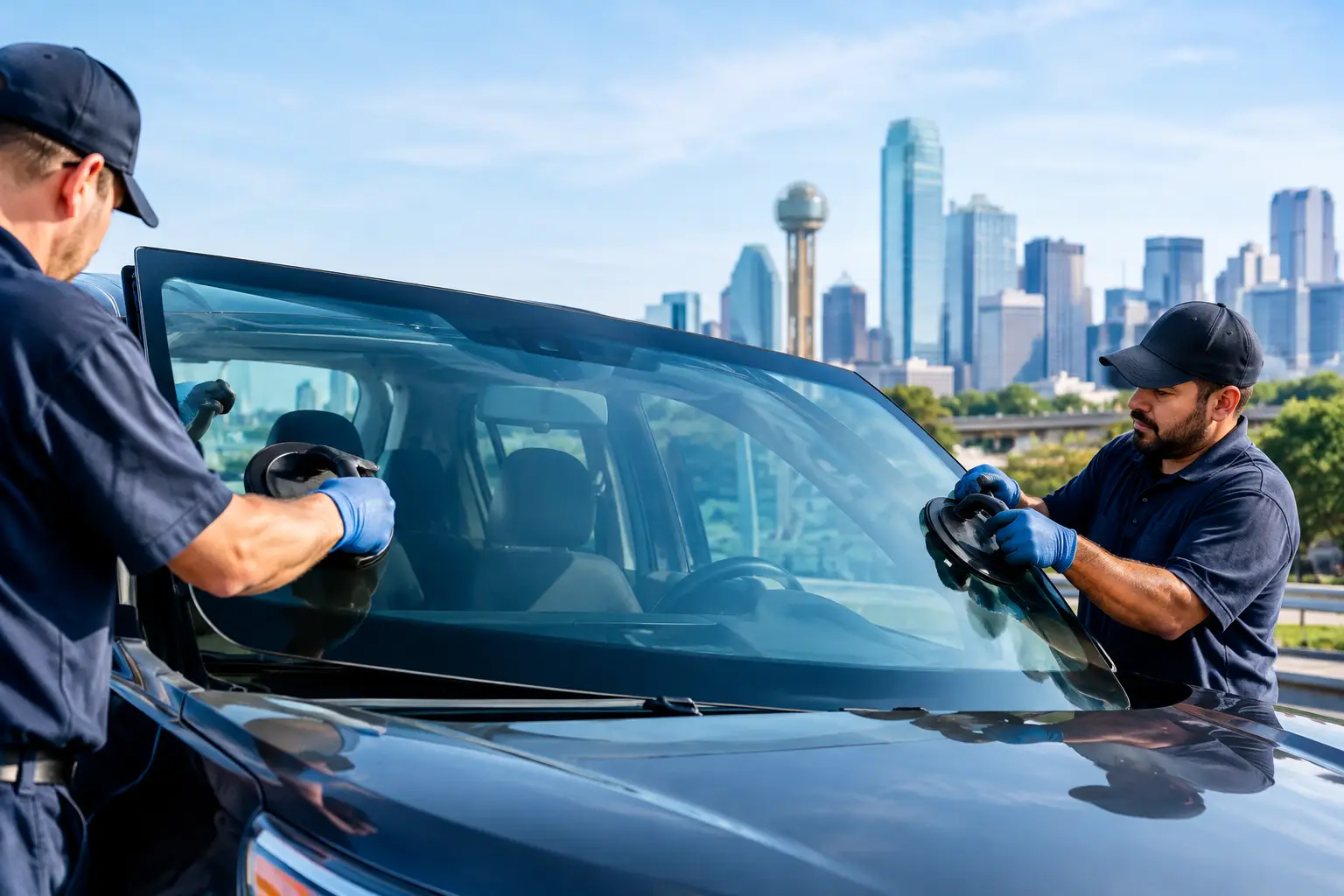
Mobile windshield replacement is often the most convenient option for busy drivers. A qualified technician can come to your home, workplace, or another safe location, saving you from arranging a ride or sitting in a waiting room. This works especially well when your vehicle is parked on level ground in a location with enough room to work.
Mobile service is not automatically the right choice for every job. Weather matters. Heavy rain, high winds, extreme heat, and dusty conditions can affect installation conditions and adhesive curing. A shop setting may be better for complex replacements, difficult weather, or vehicles that need immediate camera calibration with specialized equipment.
The key question is not simply, “Can you come to me?” Ask whether the installation location is appropriate and whether the technician can complete every required step there. For many Dallas, Irving, Richardson, Addison, and Fort Worth drivers, mobile service is the fastest option when conditions are right.
Do Not Skip ADAS Calibration
Many newer vehicles have Advanced Driver Assistance Systems, often called ADAS. These features may include forward collision alerts, automatic emergency braking, adaptive cruise control, lane-keeping assistance, and traffic sign recognition. The camera that supports those features is frequently mounted near the rearview mirror behind the windshield.
After windshield replacement, that camera may need calibration. Even a windshield that looks perfectly installed can leave the camera slightly out of position. If calibration is required and not performed, safety features may not work correctly or may display warning messages.
There are two general calibration methods. Static calibration uses targets and precise measurements in a controlled setting. Dynamic calibration requires driving the vehicle under specific road conditions while the system relearns its reference points. Some vehicles need one method, while others need both.
Before approving a replacement, confirm whether your vehicle requires calibration, whether it can be done during the appointment, and whether the price includes it. This is one area where the lowest quote can become expensive later if it leaves out a required safety step.
Compare the Entire Quote, Not Just the Price
Two windshield replacement quotes can look very different because they include different parts and services. Ask what type of glass is being quoted and whether the price includes moldings, clips, primer, adhesive, disposal of the old windshield, mobile service, and any needed calibration.
Installation materials deserve attention. Automotive glass adhesive needs to meet appropriate safety standards and cure correctly before the vehicle is driven. The technician should provide a safe drive-away time based on the adhesive, temperature, humidity, and the vehicle. Do not assume the car is ready the minute the glass is in place.
Also ask about workmanship coverage. A dependable provider should stand behind issues related to installation, such as wind noise, water leaks, or trim problems. That does not mean every future rock chip is covered, but it does mean the installer takes responsibility for the work performed.
Insurance Can Help, but You Still Have Choices
Comprehensive auto insurance may cover windshield replacement after a rock strike, storm damage, vandalism, or other non-collision event. Whether filing a claim makes sense depends on your deductible and the total replacement cost. If your deductible is close to or higher than the cash price, paying directly may be simpler.
You can usually choose the auto glass company you want to use, even if your insurer has a preferred network. A glass company can often help verify coverage and explain what information is needed for a claim, but you should still understand the deductible and confirm what your policy covers.
If you drive for rideshare, delivery, or work, consider the cost of downtime too. A fast mobile appointment may be worth more than a slightly lower quote that requires waiting several days or leaving your vehicle at a shop.
Questions to Ask Before Scheduling
A quick conversation can prevent surprises. Ask whether the quote is for OEM, OEE, or aftermarket glass; whether the part matches your vehicle’s sensors and features; and whether ADAS calibration is required. Confirm the safe drive-away time, warranty terms, and whether mobile service is appropriate for your location.
It is also reasonable to ask whether the technician will inspect for rust, damaged trim, or previous installation issues around the windshield opening. Those problems can affect the seal and may need attention before new glass is installed properly.
A good provider will explain the answers in plain language instead of pushing a one-size-fits-all replacement. Mid Cities Auto Glass focuses on helping local drivers choose a practical option and bringing qualified mobile service to the location that works for them.
When a crack is growing, do not wait for the next cold front, pothole, or highway drive to make the decision for you. Get the windshield assessed, choose glass that fits your vehicle and safety systems, and schedule service in a setting that allows the work to be done right.