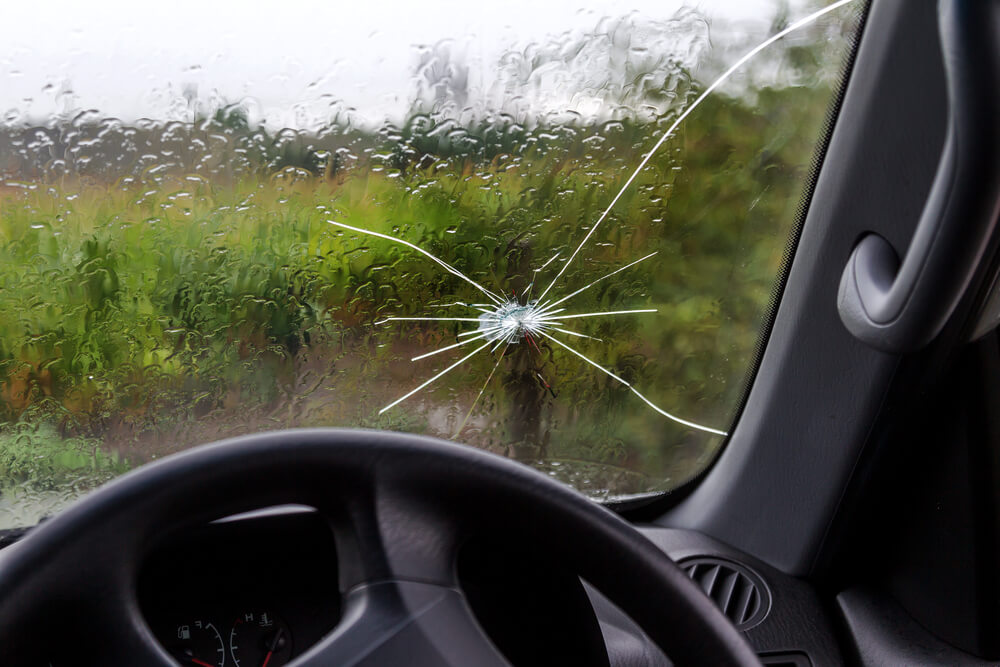
A rock chip can go from a small distraction to a spreading crack between your morning commute and the trip home. When comparing the best windshield repair warranty terms, look past a simple promise to “stand behind the work.” A useful warranty tells you what happens if the repair fails, how long coverage lasts, what you must do next, and whether the shop will apply your repair cost toward a replacement.
For drivers in Dallas-Fort Worth, mobile service adds another practical question: does the same warranty apply when the technician repairs your windshield at your home, office, or parking lot? It should. The location of the service should not reduce the quality of the workmanship or the clarity of the coverage.
What a Windshield Repair Warranty Should Actually Cover
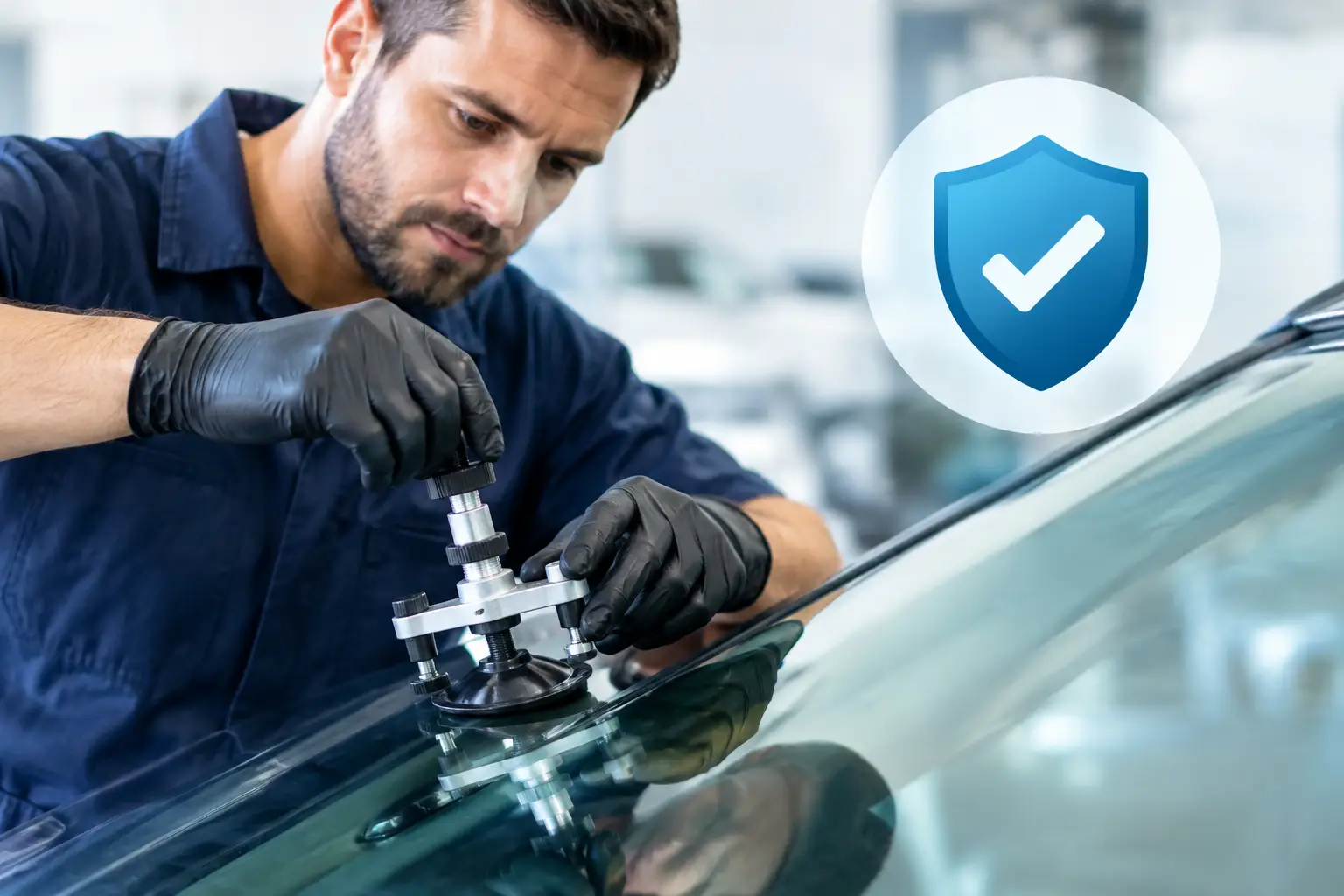
A windshield repair warranty generally covers the workmanship of the repair, not every future issue the glass may experience. Repair technicians inject resin into a chip or short crack to stabilize the damage and help restore strength. The repaired spot may remain visible, and no honest provider should guarantee that it will disappear completely.
The strongest terms clearly state that if the repaired damage spreads or the repair does not hold under normal driving conditions, the shop will address the issue. Depending on the company’s policy and the condition of the windshield, that may mean attempting a follow-up repair or crediting what you paid for the repair toward windshield replacement.
That distinction matters. A warranty that says “we will inspect it” is not as helpful as one that explains the remedy. Ask whether the remedy is a free re-repair, a replacement credit, or a partial discount. A clear answer prevents an unpleasant surprise when a chip becomes a crack days or months later.
Best Windshield Repair Warranty Terms: 6 Details to Check
The best terms are easy to understand before the work starts. You should not have to search through fine print after a repair has failed. These six details give you a solid way to compare providers.
- Length of coverage: A lifetime workmanship warranty can be valuable, but ask what “lifetime” means. It may refer to as long as you own the vehicle, not the life of the vehicle or the glass itself.
- What counts as failure: The policy should explain whether spreading from the original repaired area is covered. A new chip in a different spot is usually a separate issue.
- Replacement credit: Many repair warranties offer credit toward a windshield replacement if the original repair fails. Confirm whether the credit equals your full repair price and whether it expires.
- Exclusions: Damage from a new impact, collision, vandalism, extreme body damage, or an already compromised windshield may not be covered. Reasonable exclusions are normal, but they should be specific.
- Transferability: Most windshield repair warranties stay with the original customer and vehicle. If you are selling the car soon, a transferable warranty may matter less than clear replacement-credit terms.
- Documentation: You should receive a receipt showing the vehicle, date, repaired area, and warranty terms. Save it with your service records.
A short warranty is not automatically a bad warranty, and a lifetime warranty is not automatically the best one. The value comes from the provider’s willingness to explain the terms and follow through when there is a legitimate issue.
Lifetime Coverage Has Limits
“Lifetime warranty” sounds simple, but it can mean different things. In auto glass service, it typically applies to defects in workmanship for as long as the original owner owns the vehicle. It does not mean the windshield is protected from every rock, pothole, temperature shift, or accident for life.
This is especially relevant in North Texas. Summer heat, sudden cold fronts, rough road surfaces, and highway construction can put stress on damaged glass. A repair can be performed correctly and still face a new impact or stress event later. If a crack begins at the repaired chip without another hit, that is the type of situation a workmanship warranty should address.
Ask one direct question before booking: “If this chip spreads from the repair point, what exactly will you do?” A provider should be able to answer in plain language. If the response is vague, get the details in writing before authorizing service.
Repair Warranties Are Not Glass Replacement Warranties
Windshield replacement has its own warranty considerations. A replacement warranty may cover installation issues such as wind noise, water leaks, molding problems, or adhesive-related workmanship defects. It may also have separate terms for the glass itself, depending on the manufacturer and supplier.
A repair warranty is narrower because the original windshield has already been damaged. The goal is to stop the damage from growing while preserving the factory-installed glass when possible. That is often the faster and more affordable choice for a small chip, but it cannot reverse a long crack or repair damage that reaches the edge of the windshield.
If replacement is necessary, ask for the replacement warranty separately. Do not assume that a repair guarantee automatically applies to a new windshield installation.
Read the Exclusions Without Assuming the Worst
Every warranty needs boundaries. A shop cannot guarantee a windshield against a second rock strike, a collision, or structural stress from a damaged vehicle frame. Those exclusions are practical, not a warning sign.
What you want to avoid is broad language that gives the provider an easy way to deny any claim. For example, an exclusion for “all future cracking” may make a repair warranty nearly meaningless. Better wording distinguishes a new crack or new impact from a crack that spreads directly from the repaired area.
Pre-existing conditions also deserve attention. If your windshield already has several chips, a long crack, deep pitting, or damage near the edge, the technician may recommend replacement instead of repair. That recommendation can cost more upfront, but it may be safer and more reliable than attempting a repair with a low chance of success.
Mobile Service Should Not Change the Terms
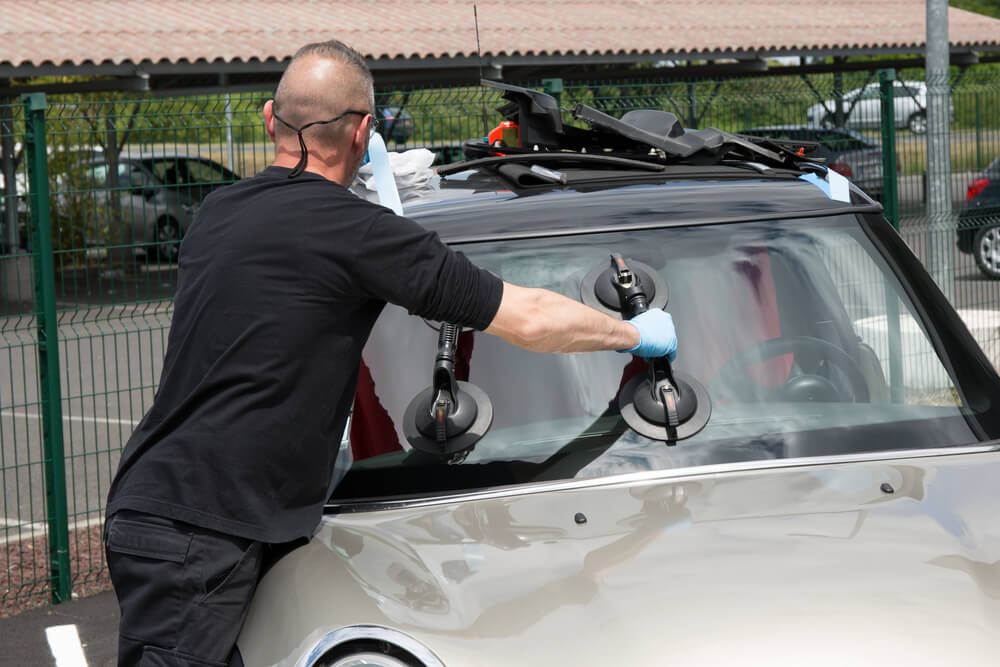
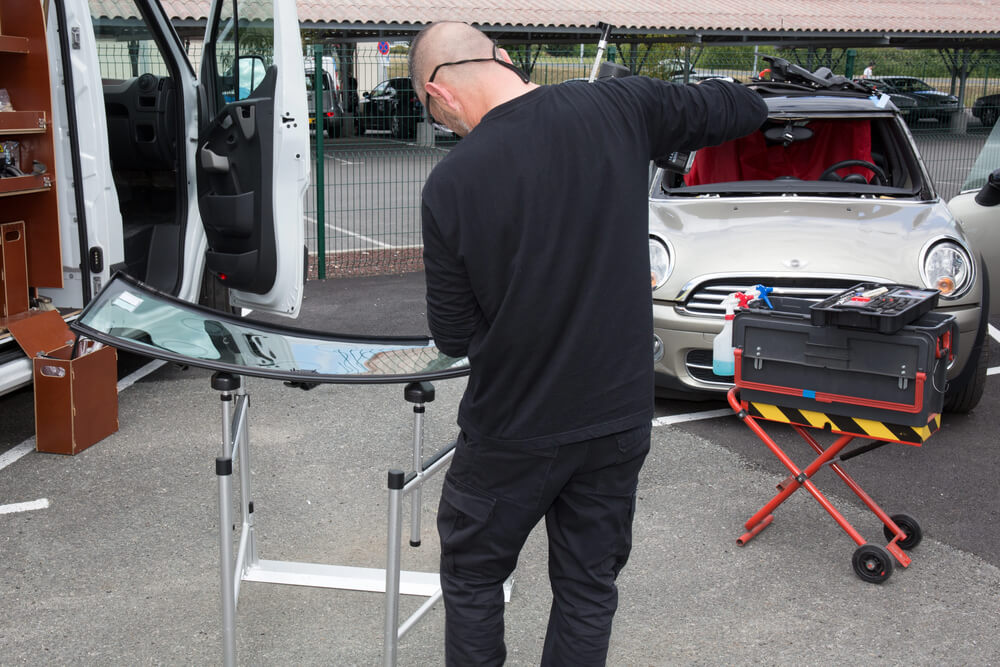
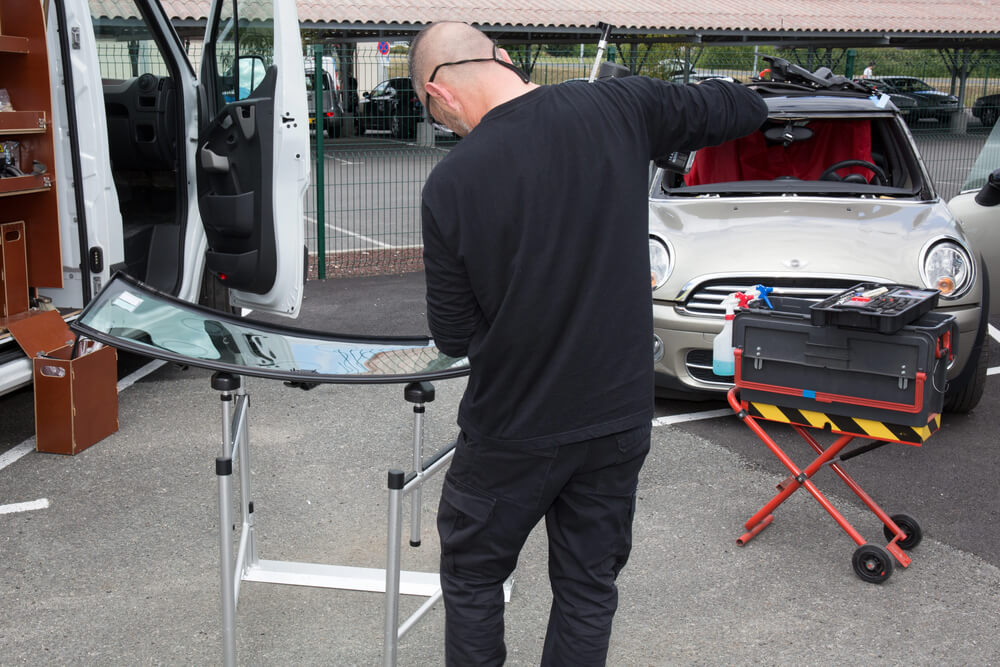
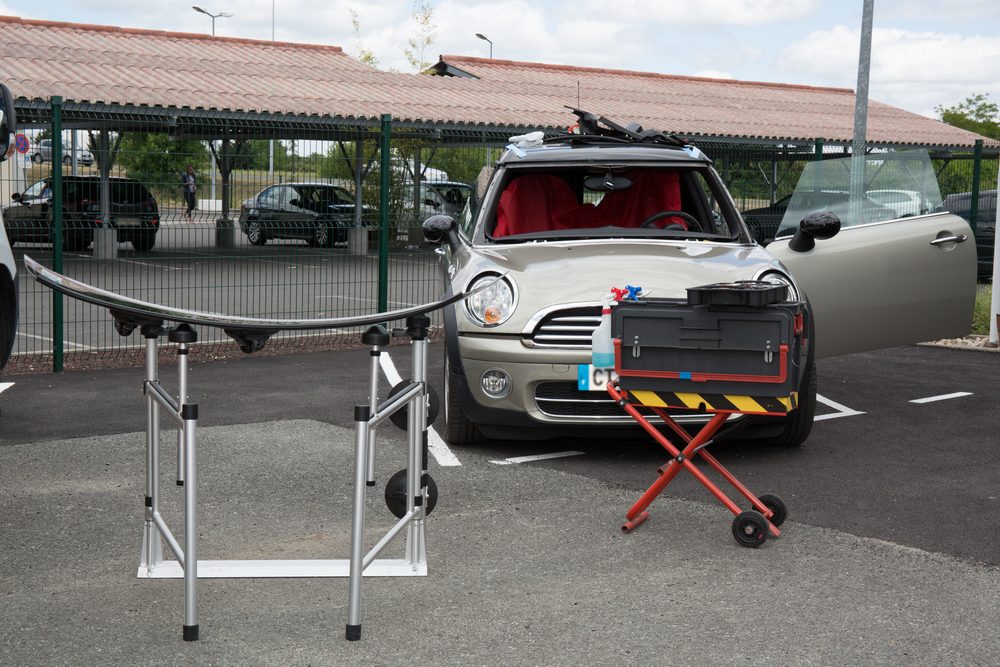
A mobile windshield repair is convenient because it keeps you from spending part of your day in a waiting room. The repair process and warranty should still meet the same standard as shop work. Whether a technician comes to your driveway in Irving, your office in Dallas, or a jobsite elsewhere in the DFW area, the provider should inspect the damage, explain whether repair is appropriate, and document the warranty.
Weather can affect scheduling, especially for repairs that require a clean, dry work area. A responsible mobile technician may reschedule rather than perform rushed work in heavy rain or unsuitable conditions. That is a sign of good judgment, not poor service.
Mid Cities Auto Glass focuses on clear mobile auto glass service because drivers should know what repair can accomplish, what the warranty covers, and when replacement is the safer call.
Questions to Ask Before You Approve a Repair
You do not need to become an auto glass expert to protect yourself. Before the technician starts, ask whether the damage is likely to be repairable, whether the repaired spot will still be visible, and what happens if it spreads afterward.
Also ask whether your repair payment can be applied to a replacement if the repair fails. This term is particularly useful when the damage is borderline. It reduces the risk of paying twice if a repair attempt cannot stabilize the glass.
Finally, confirm how to make a warranty claim. Some companies require you to return to the original shop, while mobile providers may arrange a follow-up visit. Get the phone number, proof-of-service requirements, and any time limits before you need them.
When Warranty Terms Matter Most
Warranty terms carry the most weight when the chip is larger, close to the windshield edge, directly in the driver’s line of sight, or beginning to form a short crack. These conditions can make a repair more challenging. A qualified technician may still be able to help, but the outcome is less predictable than with a fresh, small chip away from the edge.
They also matter when you rely heavily on your vehicle. Rideshare drivers, sales professionals, parents handling school drop-off, and long-distance commuters need a clear plan if the damage worsens. A practical replacement-credit policy can save both money and downtime.
A good warranty will not turn damaged glass into perfect glass. It will give you a fair, specific path forward if a properly completed repair does not hold. Before you schedule service, take a minute to get those terms in writing. That small step makes it easier to choose a repair with confidence and get back on the road safely.