A cracked windshield usually shows up at the worst possible time - on the way to work, during school pickup, or right before a long drive across DFW. That is why auto glass insurance claims matter so much to drivers. When the damage affects your visibility or leaves your vehicle exposed, you do not want to spend days guessing what your policy covers or whether you should repair or replace the glass first.
The good news is that many claims are more straightforward than people expect. The tricky part is knowing where insurance helps, where it does not, and how to keep the process moving so your car is safe again without dragging out the problem.
How auto glass insurance claims usually work
In most cases, the process starts with the type of coverage on your policy. Auto glass damage is often handled under comprehensive coverage rather than collision coverage. That means if a rock flies up from the road, a branch falls on your windshield, or someone breaks a side window, the claim may be covered even though you were not in a crash.
That does not always mean the repair is free. Some policies have a deductible, and whether filing a claim makes financial sense depends on the cost of the glass work compared to that deductible. If your deductible is higher than or close to the repair bill, paying out of pocket may be the simpler move.
This is where many drivers get frustrated. They hear that insurance covers glass, but the real answer is more specific: it depends on your policy, your deductible, the type of damage, and whether the glass can be repaired instead of replaced.
Repair or replacement changes the claim
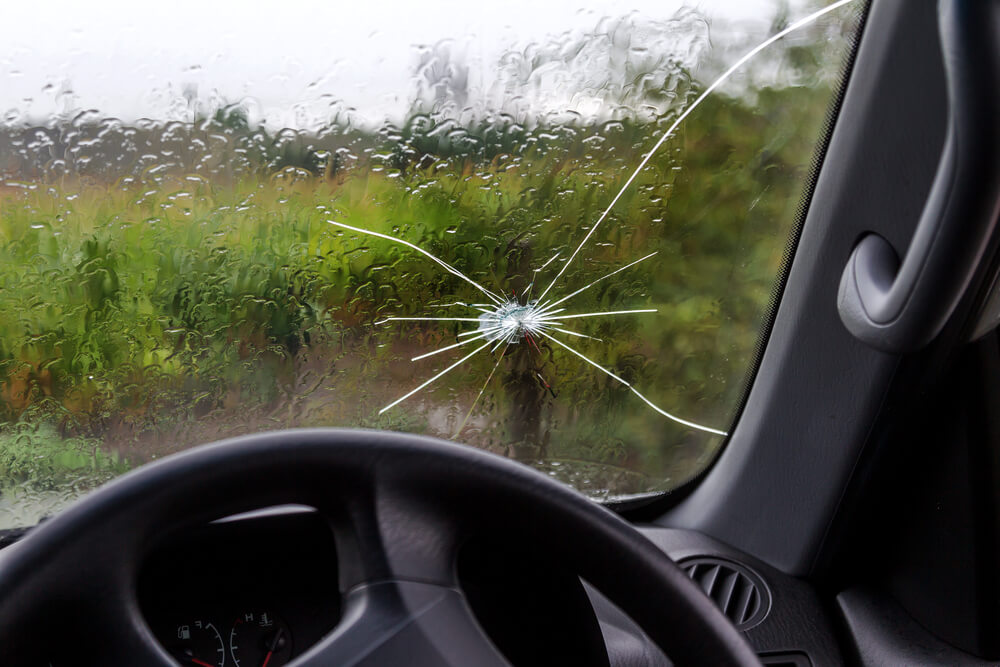
A small chip is different from a spreading crack. If the damage is limited and not in a critical area, repair may be possible. Repairs are usually faster, less expensive, and more likely to make sense even if insurance is involved.
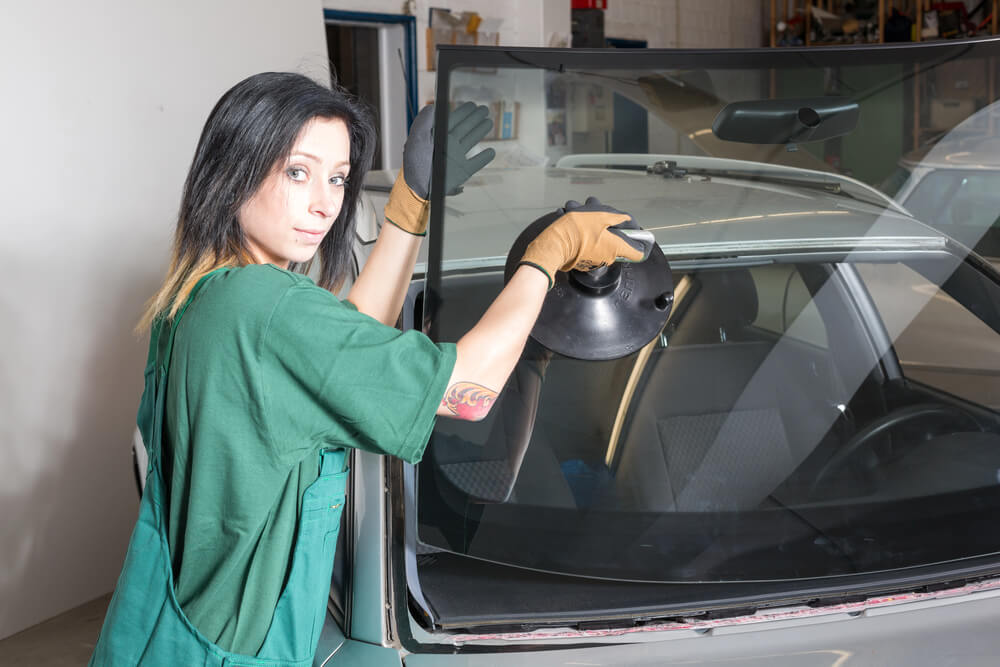
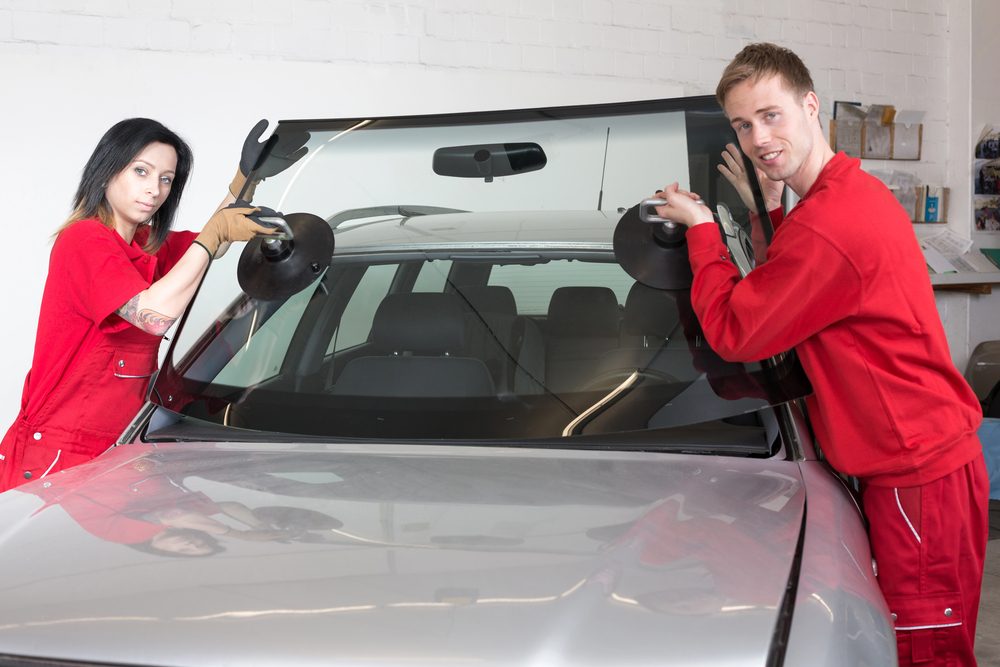
Replacement is a bigger job. If the crack is long, the glass is shattered, or the damage sits in the driver’s line of sight, replacement is often the safer option. Newer vehicles can also add another layer because windshield replacement may involve recalibration of safety systems like lane departure warning or forward collision alerts.
From an insurance standpoint, repairs are often easier to approve because the cost is lower. Replacements can still be covered, but they may involve more documentation and a closer look at your deductible.
What your deductible really means
The deductible is the amount you pay before insurance starts covering the rest. If your comprehensive deductible is $500 and your windshield replacement costs $400, insurance does not really help. If the replacement costs $900, your policy may cover the amount above the deductible.
Some policies have separate glass coverage or full glass coverage with lower out-of-pocket costs. Not every driver has that option, and not every insurer structures it the same way. That is why it helps to check your policy before assuming anything.
For drivers trying to make a quick decision, the real question is simple: will the claim save you enough money to be worth filing? Sometimes yes. Sometimes no. A good glass company can often help you understand the service side of that equation, even though only your insurer can confirm coverage.
When filing a claim makes sense
Auto glass insurance claims make the most sense when the damage is severe, the replacement cost is well above your deductible, or your policy includes favorable glass coverage. They can also make sense when the damage involves more than just the windshield, such as a broken door glass after theft or vandalism.
On the other hand, not every broken windshield needs to become an insurance claim. If the cost is manageable out of pocket, some drivers prefer to avoid the extra step and get the work done right away. That can be especially appealing when time matters more than paperwork.
There is also the practical side. A small chip can turn into a full crack with one rough stretch of highway or a major temperature change. Waiting too long while deciding what to do can limit your options. What could have been a quick repair may turn into a full replacement.
What insurers usually want from you
Most insurance companies will ask for the basics: your policy information, details about what happened, the date of the damage, and information about your vehicle. They may also want photos or ask whether the damage is repairable or requires replacement.
The process is usually smoother when you can clearly explain the issue. If a rock hit the windshield on the freeway, say that. If your side window was broken overnight, include that. You do not need a dramatic story. You just need accurate details.
A lot of drivers worry about saying the wrong thing. In reality, the main goal is consistency and clarity. The insurer is trying to identify the cause, confirm that it falls under covered damage, and estimate what they may need to pay.
Why mobile service matters during the claims process
Convenience is not just a nice extra when your glass is damaged. It can be the difference between fixing the problem today and putting it off for another week. Mobile service matters because many drivers cannot sit in a shop waiting room for hours, especially if the vehicle is unsafe to drive or the schedule is already packed.
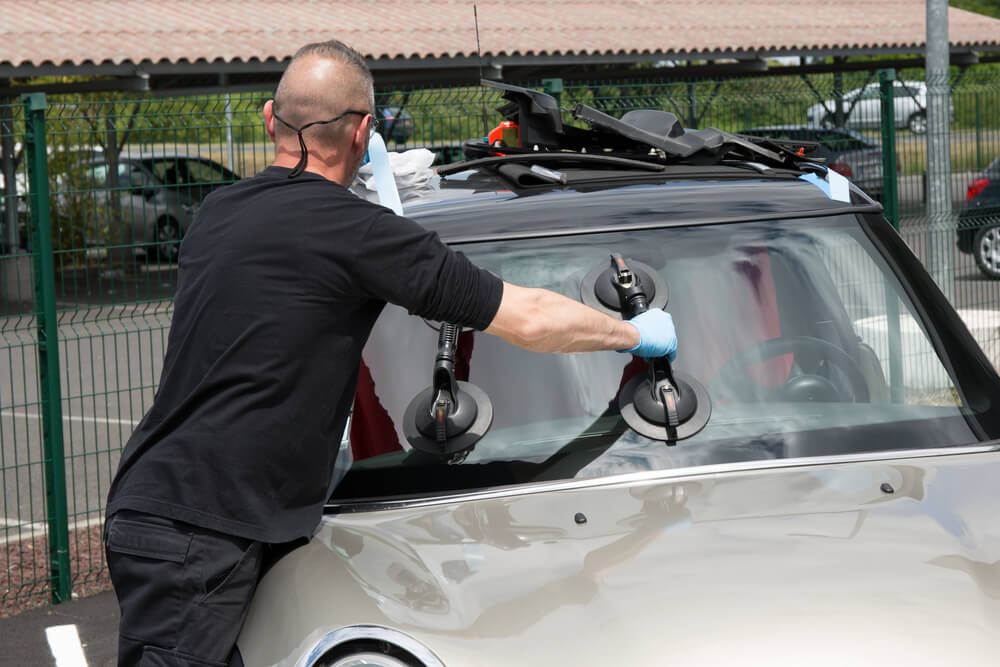
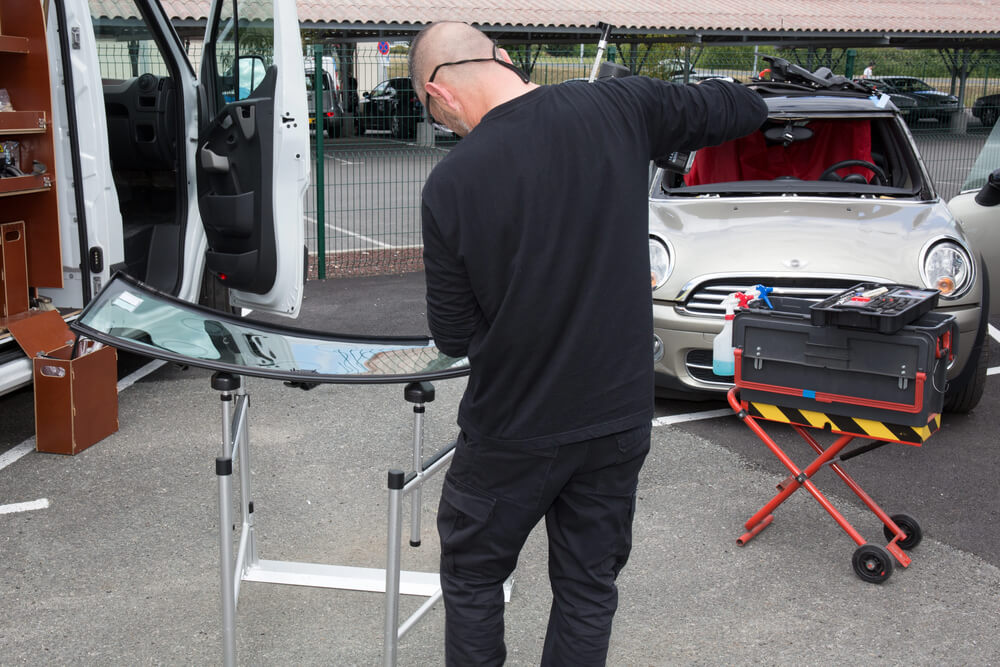
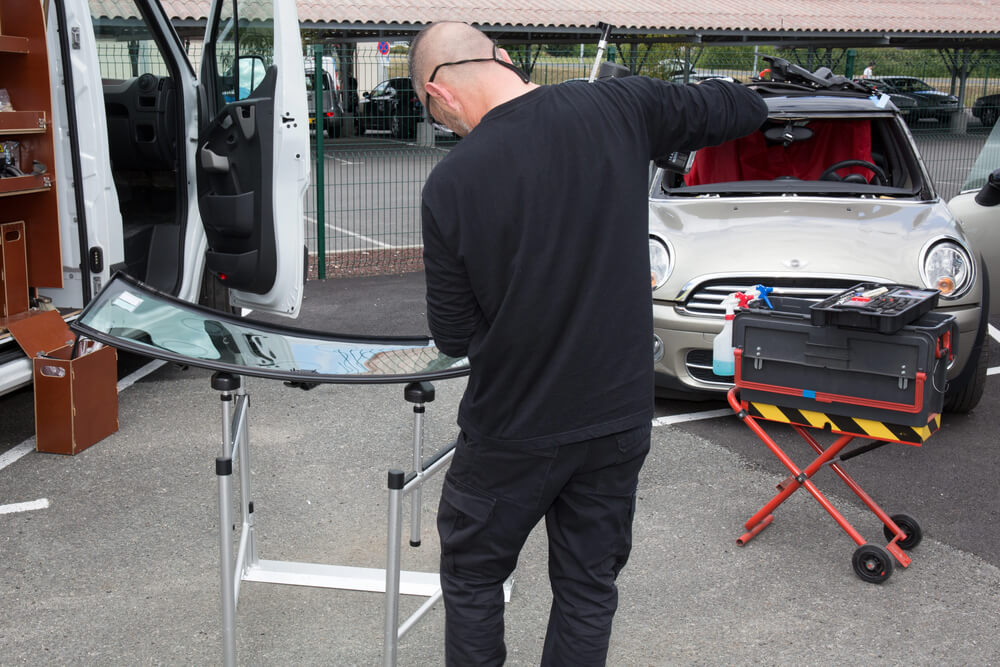
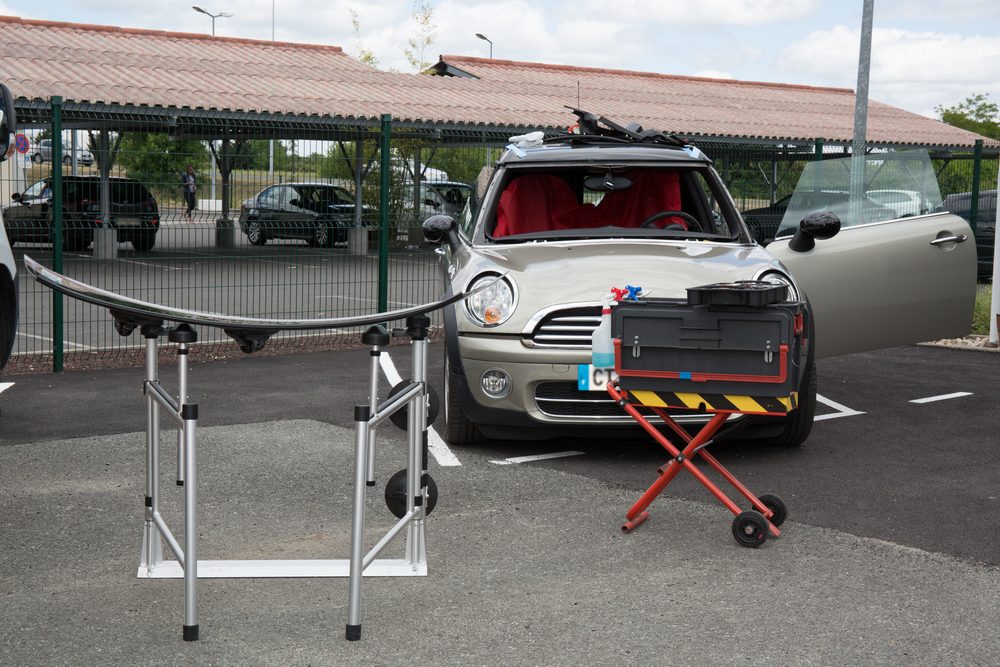
That is one reason mobile auto glass service is so useful across busy areas like Dallas, Irving, Richardson, Addison, and Fort Worth. If your windshield is cracked or your side window is broken, having a technician come to your home or workplace can keep the claim and the repair moving without disrupting your entire day.
In some situations, mobile service also helps reduce risk. If the glass damage affects visibility or the window will not stay secure, driving across town is not ideal. Getting service where the car is parked can be the safer option.
Common issues that slow down auto glass insurance claims
The biggest delays usually come from three places: uncertainty about coverage, waiting too long to report the damage, and confusion about whether the glass should be repaired or replaced. None of those issues are unusual, but they can turn a simple job into a drawn-out one.
Vehicle technology can also complicate timing. If your windshield includes sensors or cameras, the replacement may involve recalibration. Insurance may cover that, but drivers should ask directly instead of assuming it is included.
Another common issue is choosing based only on price. Low-cost service is appealing, but if the work is incomplete or the materials are poor, you may end up dealing with leaks, noise, poor fit, or safety concerns later. Insurance claims are not just about getting approved. They are about getting the job done correctly.
How to make the process easier on yourself
Start by documenting the damage as soon as you notice it. Take clear photos and make note of when and how it happened. Then check your policy or call your insurer to understand whether comprehensive coverage applies and what your deductible is.
After that, get a clear assessment of the glass damage. A professional can tell you whether repair is still possible or if replacement is the safer path. That matters because timing can change your options. A chip that might have been repaired yesterday may be a replacement by next week.
If you are balancing speed, cost, and insurance, ask practical questions. Is this claim worth filing based on my deductible? Can the work be done mobile? Will recalibration be needed? How soon can the job be completed? Those questions get you to a real answer faster than focusing only on whether insurance might pay part of the bill.
For many local drivers, the easiest route is working with a company that handles auto glass every day and can keep the service side simple while you confirm coverage with your insurer. Mid Cities Auto Glass is one example of the kind of mobile provider that helps DFW drivers get from damage to repair without adding more downtime than necessary.
The smart move is usually the quick one
Glass damage tends to get worse, not better. A chip spreads. A crack grows. A broken side window leaves your vehicle vulnerable to weather and theft. That is why the smartest approach is usually to act quickly, get clear on your coverage, and move forward with the repair or replacement that makes the most sense for your situation.
If insurance helps, great. If paying out of pocket is faster and more practical, that can be the right call too. The main thing is not letting uncertainty keep an unsafe vehicle on the road any longer than it needs to be.