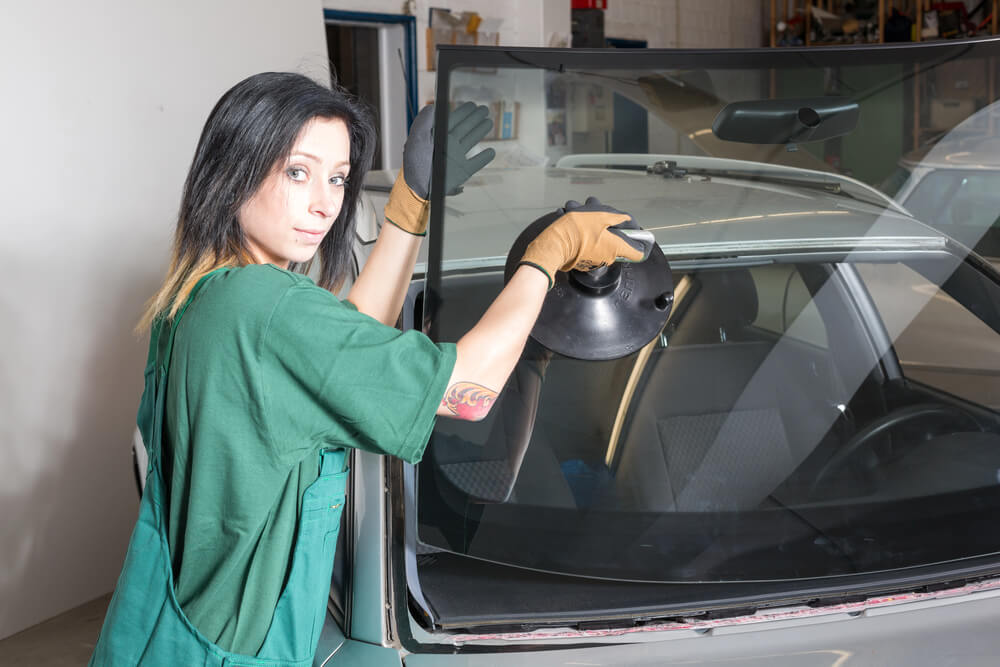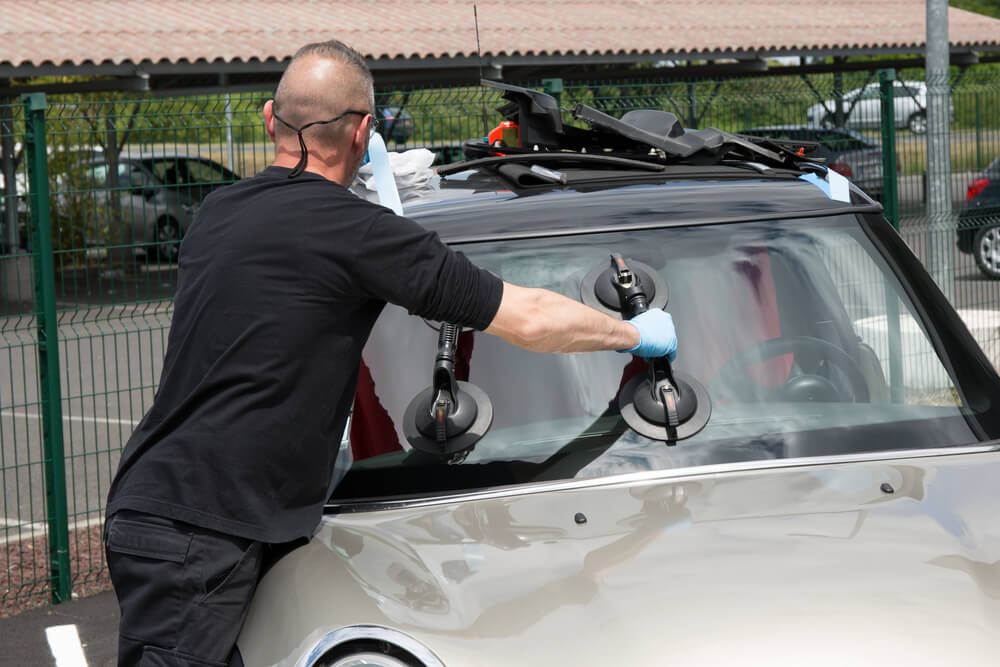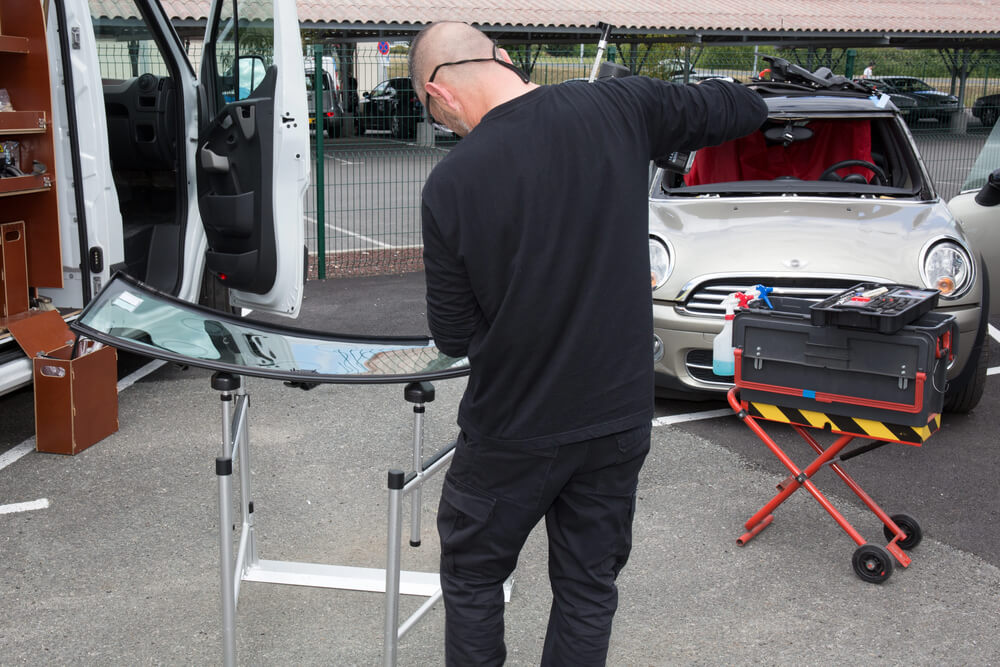
A windshield is no longer just a piece of safety glass. On many newer vehicles, the area behind the windshield holds a forward-facing camera that helps power features such as lane departure warnings, automatic emergency braking, adaptive cruise control, and pedestrian detection. If that windshield is replaced, ADAS calibration may be needed before those features can be trusted again.
For a busy driver, that can sound like one more delay after a cracked windshield. But calibration is a safety step, not an unnecessary add-on. It makes sure the camera and related systems are reading the road correctly after the glass, camera position, or mounting angle has changed.
What ADAS Calibration Actually Does
ADAS stands for Advanced Driver Assistance Systems. These systems use cameras, radar, sensors, and vehicle software to monitor lane markings, traffic ahead, nearby vehicles, and other conditions around your car.
When a windshield-mounted camera is removed or disturbed during replacement, even a very small change in its position can affect what it sees. A camera that is slightly out of alignment may interpret the distance to another vehicle incorrectly or lose track of lane lines sooner than it should. ADAS calibration resets and verifies that camera's view based on the vehicle manufacturer's specifications.
This is not the same as simply reconnecting a plug or clearing a dashboard warning light. The calibration process uses diagnostic equipment, software, and defined procedures to confirm the system is operating as intended. Depending on the vehicle, the technician may also need to scan for fault codes before and after the work.
When Is ADAS Calibration Needed?
Windshield replacement is the most common reason for ADAS calibration because the forward-facing camera is often mounted directly to the glass or positioned immediately behind it. If your vehicle has driver-assistance features, assume calibration may be part of the replacement process until the vehicle's requirements are confirmed.
It may also be needed after a collision, suspension repair, wheel alignment, camera replacement, bumper repair, or damage near a sensor. The exact answer depends on the year, make, model, trim level, and safety package on your vehicle. Two versions of the same model can have different equipment, so a visual check alone is not always enough.
A few signs your vehicle may have an ADAS camera include a camera housing behind the rearview mirror, lane-keeping alerts, collision warnings, traffic-sign recognition, or adaptive cruise control. If you are unsure, a qualified auto glass provider can check your vehicle information and explain what applies to your replacement.
Static vs. Dynamic ADAS Calibration
There are two main types of calibration, and some vehicles require both.
Static Calibration
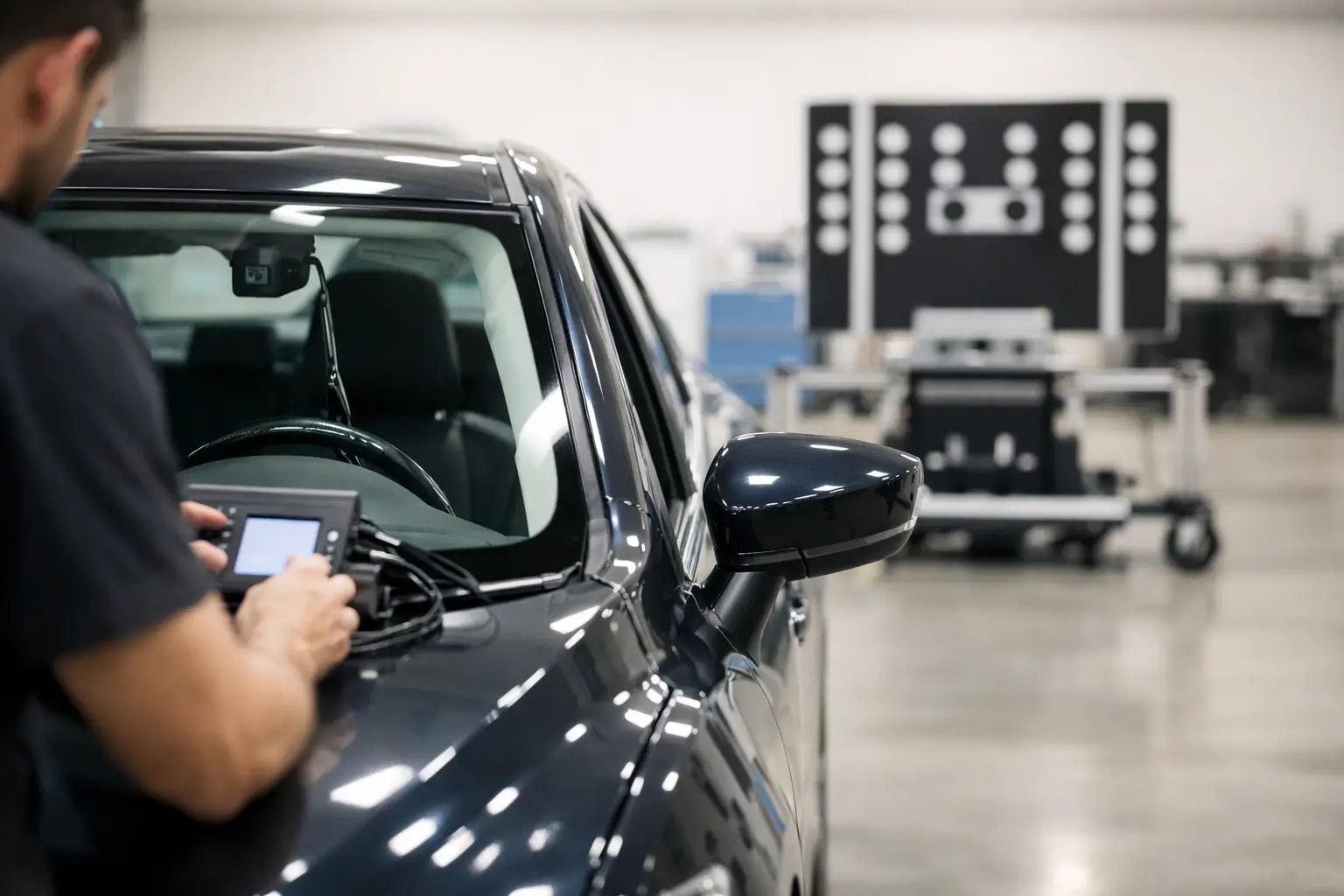
Static calibration is completed while the vehicle is parked in a controlled setup. The technician places manufacturer-specific targets at precise distances and heights around the vehicle. The diagnostic tool communicates with the vehicle while the camera or sensor learns its correct reference points.
This work requires enough clear, level space and careful measurements. Lighting, floor conditions, target placement, tire pressure, and vehicle ride height can all affect the process. That is why some vehicles need calibration completed at a properly equipped facility rather than in every driveway or parking lot.
Dynamic Calibration
Dynamic calibration is completed while the vehicle is driven under specific conditions. The system uses real road markings, traffic conditions, and road speed to complete its relearning process. A technician follows the manufacturer's procedure, which may require driving at a certain speed for a certain distance on clearly marked roads.
Dynamic calibration can be practical in many situations, but it is not just a quick trip around the block. Heavy traffic, faded lane markings, rain, construction zones, or poor visibility may prevent the procedure from completing correctly. Dallas-Fort Worth drivers know that road conditions can change quickly, so timing and route selection matter.
Why Correct Calibration Matters After a Windshield Replacement
A new windshield can look perfect and still leave a camera out of specification if calibration is skipped when it is required. That is the part many drivers do not see from the driver's seat. The risk is not usually a dramatic failure. It can be a system that responds too late, warns at the wrong time, or does not perform as designed when you need it.
Your vehicle's driver-assistance features are not a replacement for attentive driving, even when they are calibrated correctly. Still, they are designed to provide an added layer of support. Keeping them working properly is part of restoring your vehicle after glass damage.
Calibration also helps address warning messages that may appear after replacement, such as a lane-assist, front-camera, or collision-warning alert. A warning light does not always mean the camera is damaged, but it should not be ignored or cleared without finding the cause.
What to Expect During the Service
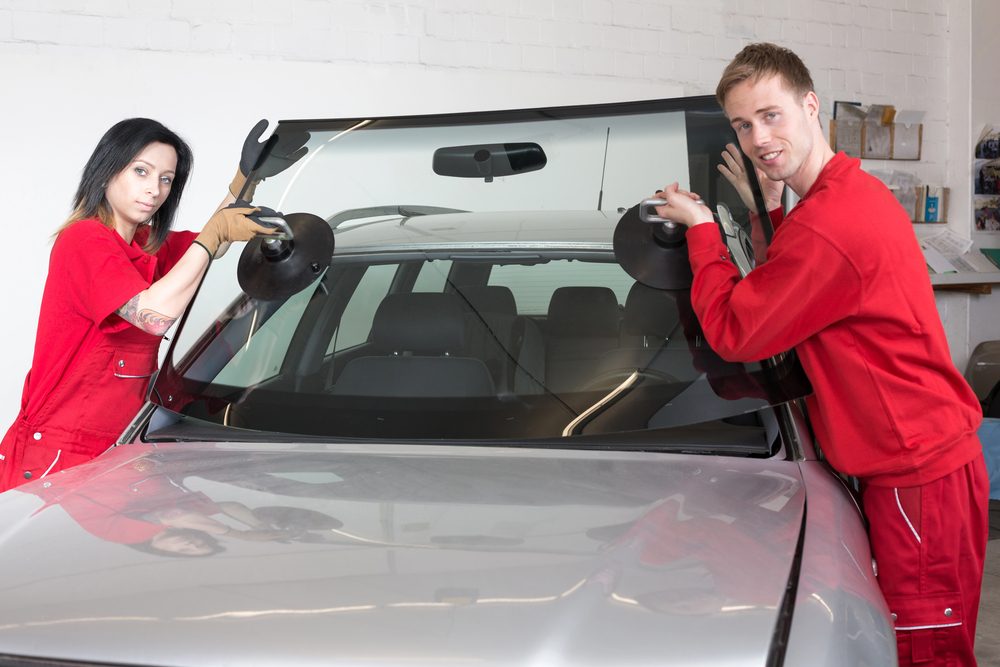
The process generally starts with confirming the vehicle's features and checking whether calibration is required. The windshield replacement itself must be completed correctly first, including proper glass installation, camera bracket handling, and reinstallation of any covers or components near the rearview mirror.
After installation, the vehicle may need time for the urethane adhesive to reach the required safe-drive-away condition. That timing depends on the adhesive used, temperature, humidity, and vehicle specifications. Rushing the vehicle before the adhesive has cured appropriately is not worth the risk.
Once the vehicle is ready, the technician or calibration provider performs the required static, dynamic, or combined procedure. A final scan may confirm that the system has completed calibration and that no related diagnostic trouble codes remain. Ask for a clear explanation of the result, especially if the process cannot be completed because of weather, road conditions, equipment requirements, or a pre-existing vehicle issue.
Can ADAS Calibration Be Done With Mobile Auto Glass Service?
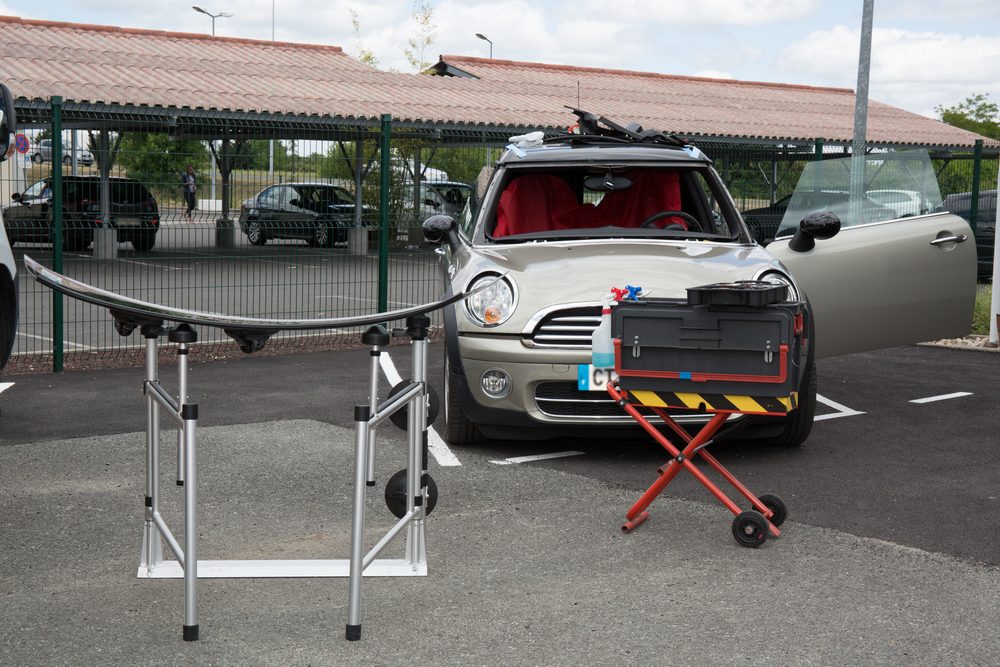
Sometimes, yes. It depends on the vehicle and the calibration method it requires. Mobile windshield replacement can save a major amount of time for drivers dealing with a crack at home, at work, or after a break-in. For some vehicles, the necessary calibration process can also be completed in a suitable mobile setting or through a dynamic procedure.
Other vehicles need a controlled environment for static targets, level flooring, and precise space around the car. In those cases, the safest plan may be mobile glass replacement followed by calibration at an equipped location. A dependable provider should explain that requirement upfront rather than treating every vehicle as if it has the same needs.
Mid Cities Auto Glass helps DFW drivers understand the next step after windshield damage, including when a replacement may involve ADAS-related service. The goal is to avoid surprises and get the vehicle repaired with the right process for its equipment.
Questions to Ask Before Scheduling
Before you approve a windshield replacement, ask whether your specific vehicle requires ADAS calibration and whether that service is included or arranged separately. It is also reasonable to ask which type of calibration is needed, how long it may take, and what happens if weather or road conditions delay a dynamic calibration.
You should also tell the provider about any warning lights that were already on before the glass was damaged. Existing collision damage, sensor faults, aftermarket modifications, worn tires, alignment problems, or a low battery can complicate calibration. Being upfront helps prevent confusion later.
Do not assume that an OEM windshield always eliminates the need for calibration, or that aftermarket glass automatically creates a problem. The correct glass and correct installation both matter, but calibration requirements come from the vehicle manufacturer's procedures and the equipment installed on your car.
Do Not Wait on a Cracked Windshield
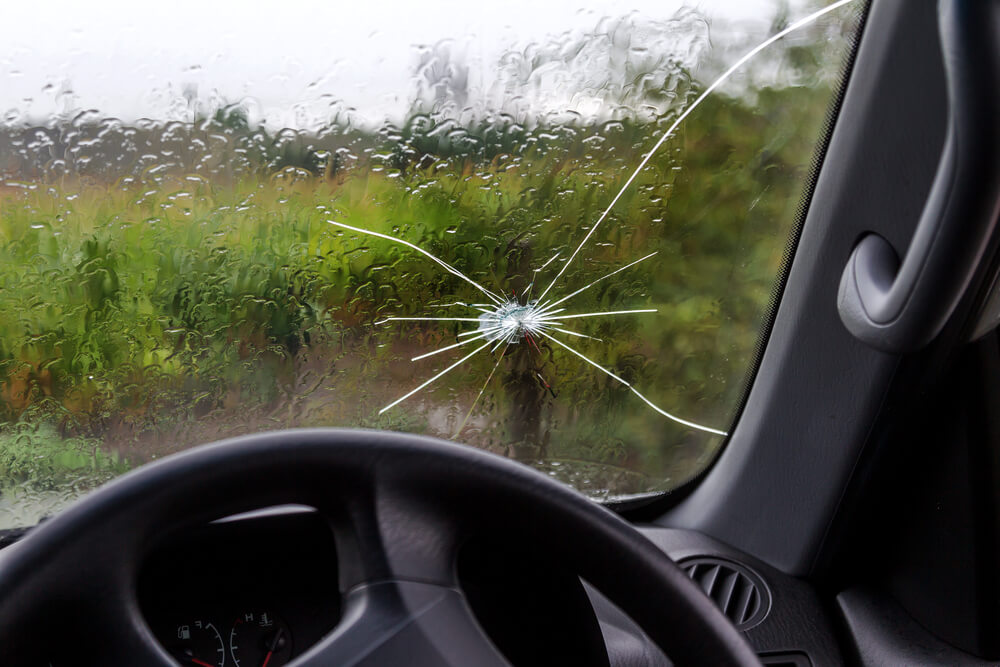
A chip can spread without much warning, especially with Texas heat, rough roads, and sudden temperature changes from a hot parking lot to air conditioning. If the damage is in the driver's line of sight, reaches the edge of the windshield, or has already become a long crack, replacement may be the safer option.
When you call for service, have your vehicle year, make, model, VIN if available, and a description of the driver-assistance features ready. That small amount of information helps the provider plan for the correct windshield and determine whether ADAS calibration should be part of the job.
A cracked windshield is disruptive enough. Choose a repair plan that restores both your visibility and the safety technology built into your vehicle, so you can return to the road with fewer unanswered questions.