Water dripping onto your floor mat after a Dallas rainstorm is more than an annoyance. When deciding on windshield seal versus glass replacement, the right answer depends on where the leak started, whether the windshield is damaged, and whether the glass is still safely bonded to the vehicle.
A windshield is not just a clear panel that blocks wind and rain. On most modern vehicles, it is bonded to the body with a high-strength urethane adhesive. That bond helps support the roof in a rollover and gives the passenger-side airbag a surface to deploy against. A loose molding, failed seal, rusted frame, rock chip, and spreading crack can look similar from the driver’s seat, but they call for very different repairs.
Windshield Seal Versus Glass Replacement: The Real Difference
Many drivers use the word “seal” to describe the black trim around the windshield. In some vehicles, that trim is mostly cosmetic. It helps direct water and gives the edge of the glass a finished appearance, but it may not be what actually holds the windshield in place.
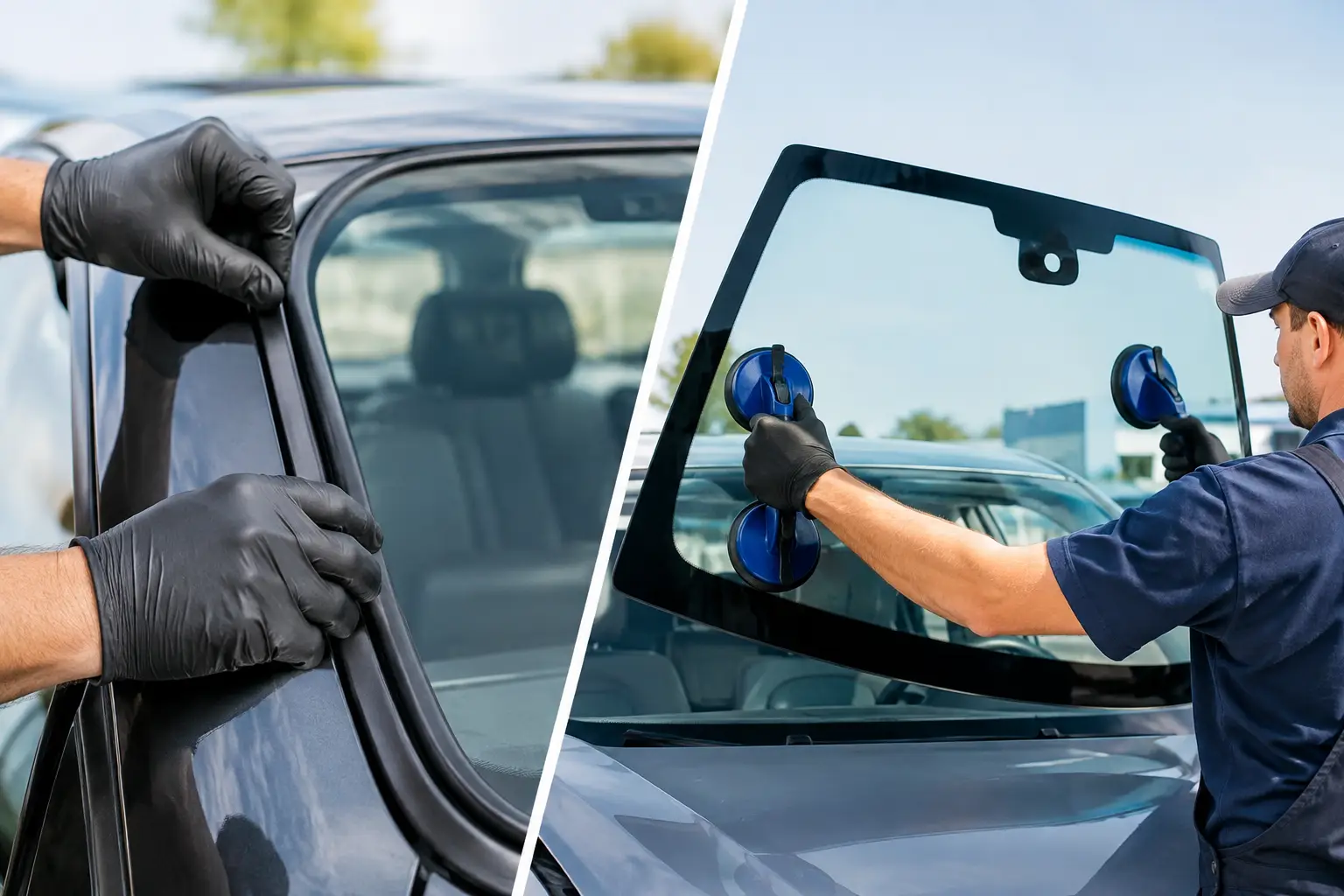
The true windshield seal is usually the urethane adhesive between the glass and the vehicle frame. If that adhesive has a small gap but the glass is undamaged and still securely bonded, a technician may be able to identify the leak and perform a targeted reseal. This is sometimes called leak repair or windshield resealing.
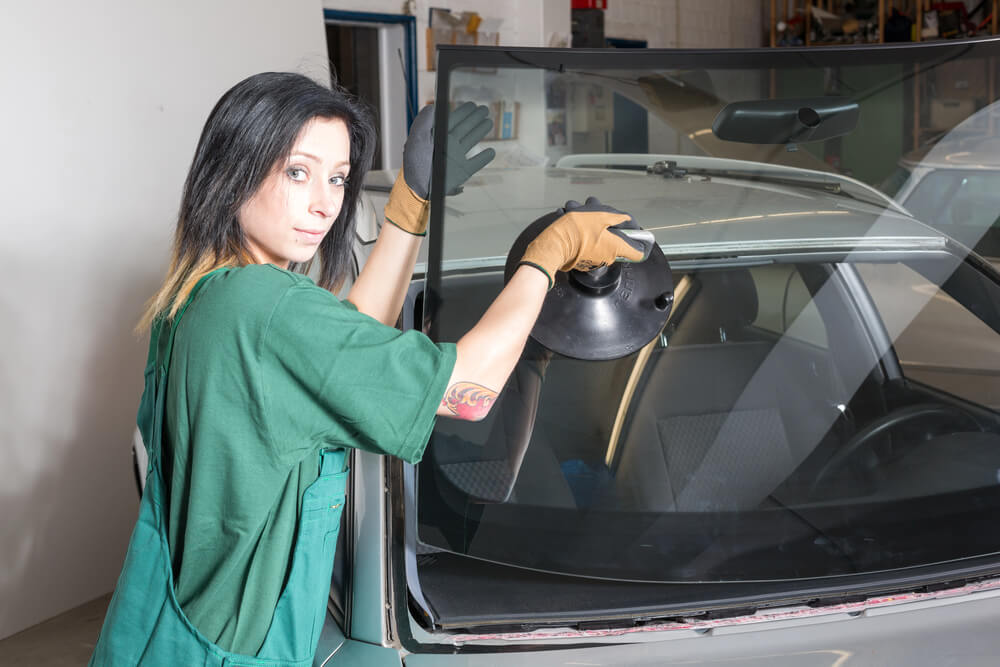
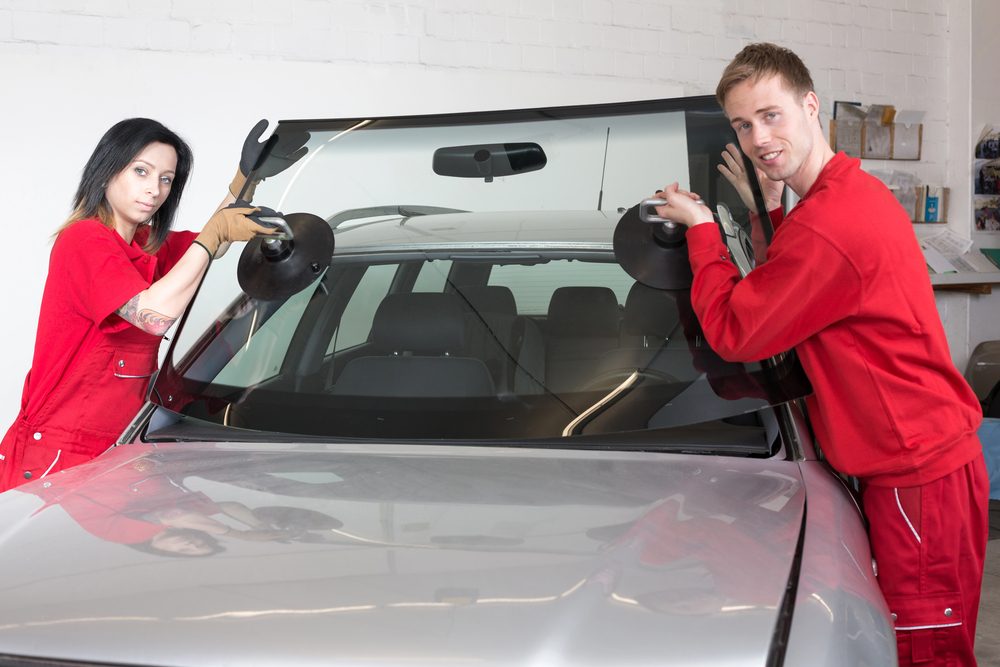
Glass replacement is different. The old windshield is removed, the pinch weld area is inspected and prepared, and a new windshield is installed with the correct adhesive. Replacement becomes the safer choice when the glass itself is compromised, the bond has failed over a larger area, or corrosion beneath the glass needs to be addressed.
The key point is simple: replacing exterior trim alone will not fix every leak. Likewise, replacing the entire windshield for a minor, confirmed seal leak may be unnecessary. The condition of the glass and the bond determines the service.
When a Windshield Reseal May Be Enough
A reseal can make sense when the windshield has no cracks, no significant chips near the edge, and no signs that it has separated from the frame. The technician must first confirm that water is entering around the windshield rather than through a roof seam, cowl area, door seal, sunroof drain, or firewall opening.
Common signs of a possible windshield seal problem include a damp headliner near the glass, water collecting on the dashboard, wet carpet after rain or a car wash, wind noise at highway speed, or a visible gap around the windshield edge. You may also notice a musty odor caused by moisture trapped under carpet or insulation.
A proper diagnosis matters. Water does not always show up directly below the point where it enters. It can travel behind trim, along the roofline, or beneath the dash before appearing inside the cabin. A technician may use controlled water testing and a close inspection of the glass edge to locate the actual entry point.
If the bond is sound and the leak is limited, resealing can be a practical, lower-cost option. It preserves an otherwise good windshield and addresses the immediate source of moisture. However, it is not a shortcut for a windshield with structural damage or a failing installation.
Signs You Need Windshield Replacement Instead
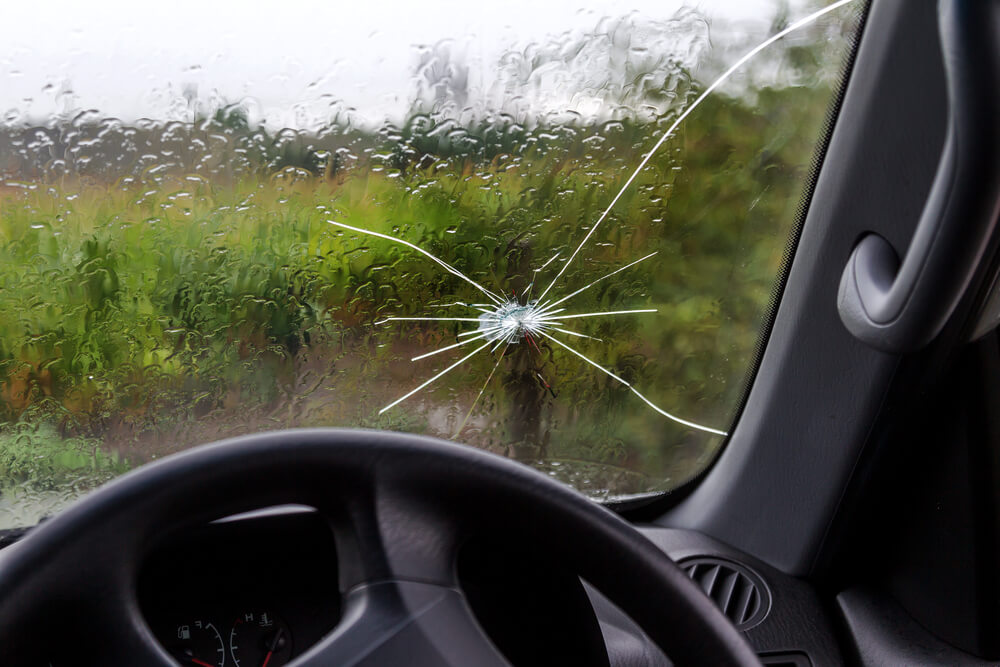
Replacement is usually the right call when the windshield has a crack that reaches the edge, multiple chips, deep impact damage, or a crack in the driver’s direct line of sight. Edge cracks are especially concerning because they can weaken the glass near its bonded area and spread quickly with road vibration, temperature changes, and Texas heat.
You may also need replacement if the windshield visibly lifts away from the body, moves when gently pressed, has widespread adhesive failure, or was installed incorrectly in the past. A windshield that is not properly bonded should not be treated as a simple water-leak issue.
Rust around the windshield frame is another reason replacement may be necessary. Adhesive cannot create a dependable bond over active corrosion. The glass must be removed so the affected area can be evaluated and properly prepared before a new windshield is installed. Ignoring rust can lead to repeat leaks and can compromise the new installation.
Replacement is also appropriate when a leak has caused extensive interior moisture damage. Wet carpet, corroded electrical connectors, mildew, and damaged headliner material can turn a small leak into a larger repair. Stopping the water source quickly gives you a better chance of limiting those problems.
Do not confuse a chip repair with a seal repair
A windshield chip repair restores damaged laminated glass by injecting resin into a small, repairable break. It does not repair a leaking windshield seal. Similarly, adding caulk around the outside of the glass is not a safe substitute for evaluating the bond.
DIY sealants can trap water, hide corrosion, make professional removal more difficult, and leave the underlying issue unresolved. If water is entering the cabin or the windshield has a crack, a professional inspection is the safer starting point.
How Age, Weather, and Previous Work Affect the Decision
North Texas weather can expose a weak windshield installation quickly. High summer temperatures make materials expand. Sudden rain, cold fronts, road vibration, and repeated car washes can reveal gaps that were not obvious before. A leak that seems minor in dry weather can become obvious during the next heavy storm.
Previous glass work also matters. If the leak began soon after a windshield replacement, the issue could involve molding placement, insufficient adhesive coverage, surface preparation, or a hidden issue around the frame. If the glass is in good condition and the installation can be safely corrected, resealing may be possible. If there is doubt about the integrity of the adhesive bond, replacement is generally the more responsible option.
Vehicle design matters, too. Some vehicles use acoustic glass, rain sensors, heads-up display areas, heated windshield elements, or cameras mounted behind the windshield. These features affect the type of replacement glass and the steps required after installation.
What to Expect From a Safe Replacement
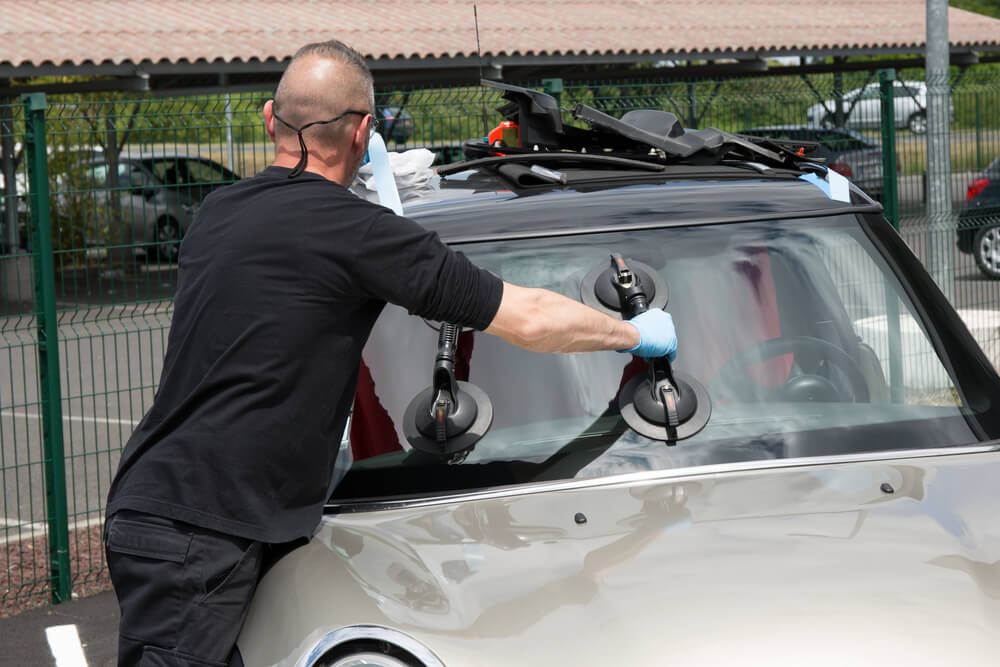
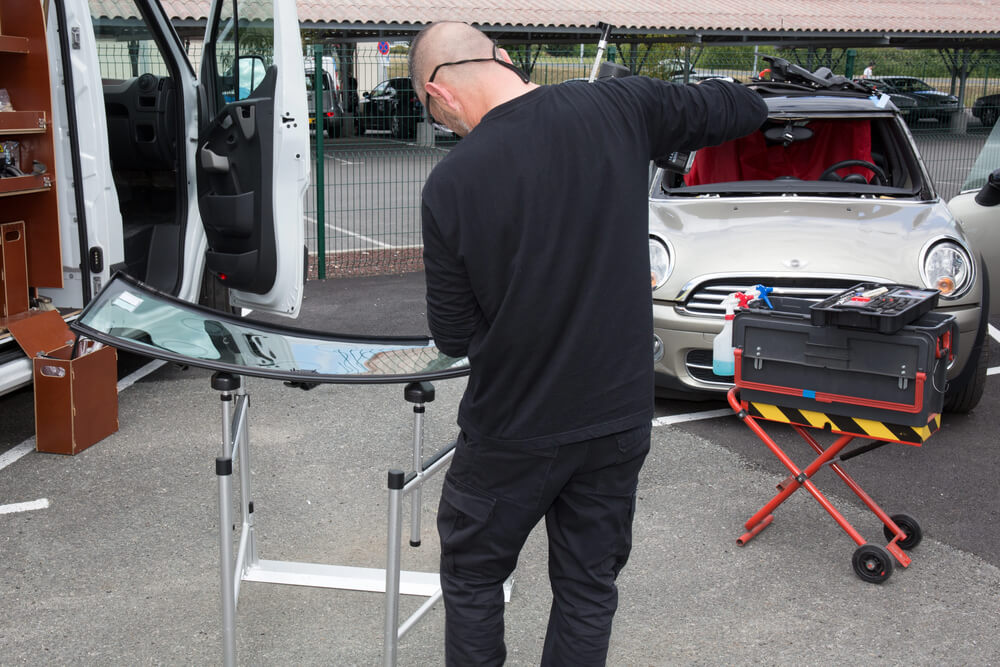
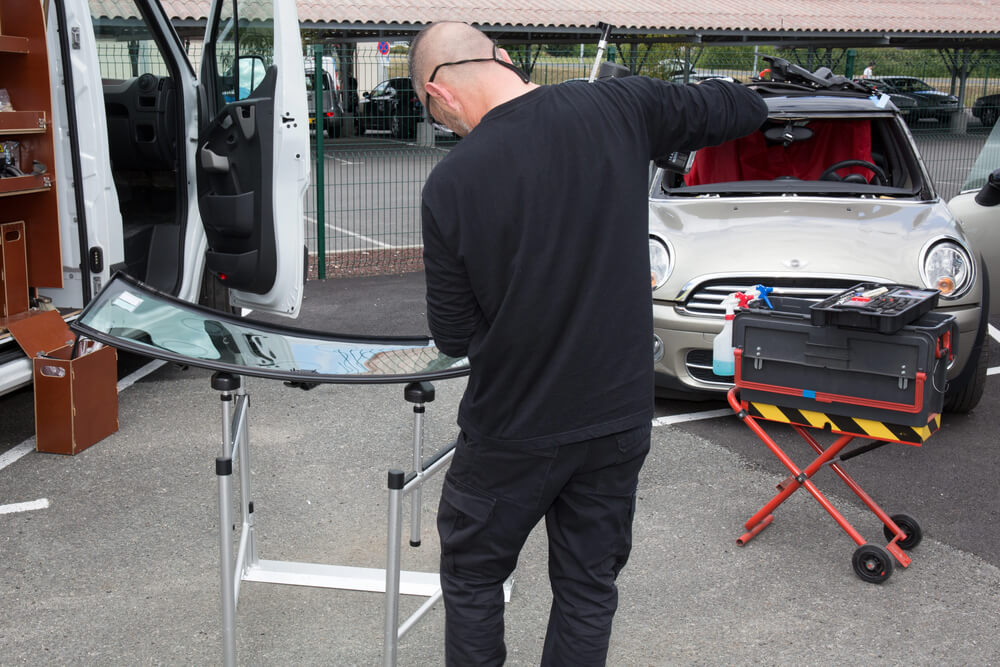
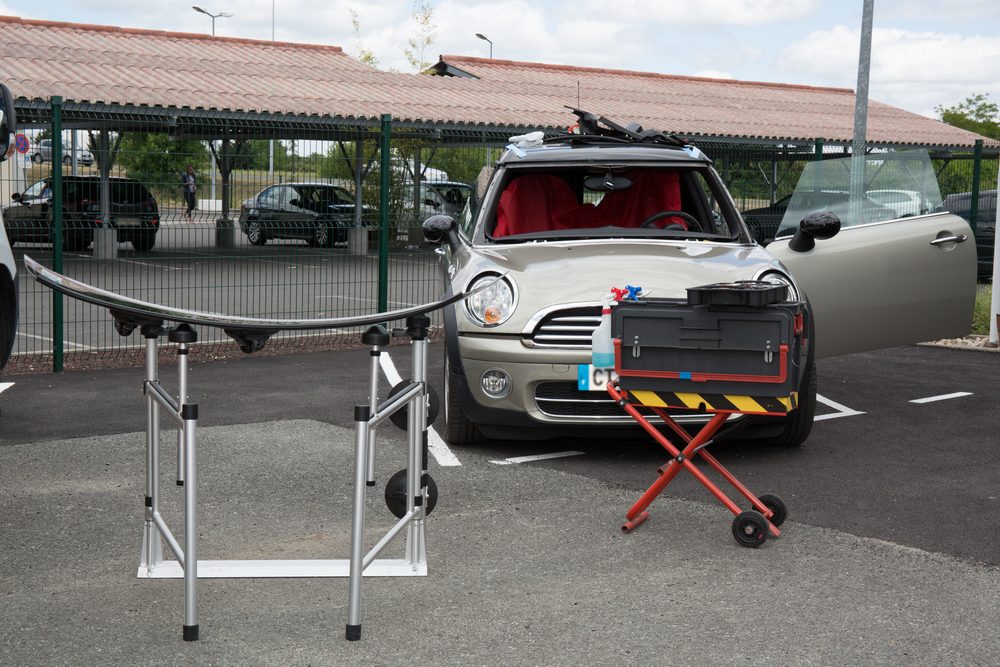
A quality replacement is more than putting new glass in the opening. The technician removes the damaged windshield carefully, checks the frame for rust or damage, prepares the bonding surface, and installs the correct glass using automotive-grade urethane.
After installation, the adhesive needs time to reach a safe drive-away strength. The exact time depends on the adhesive, temperature, humidity, and vehicle requirements. Follow the technician’s instructions about when the vehicle can be driven, washed, or exposed to heavy rain.
If your vehicle has an advanced driver-assistance system, windshield camera calibration may be required after replacement. Features such as lane departure warning, forward collision alert, automatic emergency braking, and adaptive cruise control may rely on a camera looking through the windshield. Calibration helps ensure those systems can read the road as intended.
At Mid Cities Auto Glass, mobile service can bring this process to your home, office, or another suitable location in the DFW area. A safe mobile installation still requires the right conditions, including enough space to work and weather that allows the adhesive to cure properly.
How to Make the Right Call Before Water Damage Gets Worse
If you see water inside the vehicle, take a few quick precautions. Remove loose items from the affected area, blot up standing water, and avoid relying on the defroster to hide fogging caused by interior moisture. If the carpet is soaked, drying it promptly can help prevent odor and mold.
Then look for clues without pulling on the windshield or prying at the trim. Note whether the leak appears after rain, a car wash, or only while driving. Check for cracks, chips near the edge, wind noise, loose molding, or moisture around the headliner. Those details help a glass professional narrow down the cause.
A windshield leak may be repairable with a targeted reseal, but cracked glass, bond failure, and corrosion change the equation. Getting the windshield inspected early protects your visibility, your vehicle interior, and the safety systems that depend on properly installed auto glass. The next time rain finds its way into your cabin, treat it as a reason to get clear answers before a small leak becomes a bigger problem.