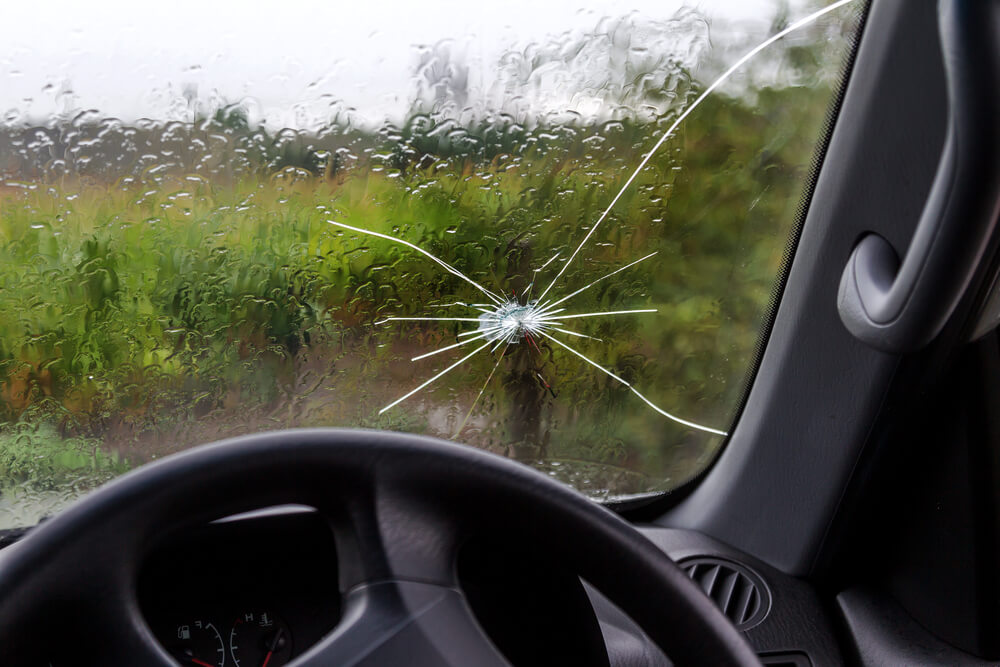
A rock chip on the way to work can look minor at first. Then a hot Dallas afternoon, a cold blast from the AC, or one hard bump in the road turns it into a spreading crack. A windshield repair insurance comparison helps you decide quickly whether to file a claim, use a zero-deductible glass benefit, or pay directly for the repair before the damage gets worse.
For most drivers, the best option depends on three things: the type of coverage on your policy, your deductible, and whether the glass can still be repaired instead of replaced. The goal is not simply to get insurance involved. It is to get safe, quality auto glass service without paying more or losing time unnecessarily.
Windshield Repair Insurance Comparison: Start With Your Coverage
Windshield damage is generally covered under comprehensive insurance, not collision coverage. Comprehensive coverage is the part of an auto policy that can help with damage from events other than a vehicle accident, such as falling debris, hail, vandalism, animal strikes, and road debris.
If a stone hits your windshield and leaves a chip or crack, comprehensive coverage may apply. If the windshield breaks during a collision, collision coverage may be the applicable part of the policy instead. The difference matters because your deductible and claim process may not be the same.
Liability-only insurance usually does not pay for damage to your own windshield. Liability coverage is designed to pay for injuries or property damage you cause to someone else. Drivers with liability-only policies will typically pay out of pocket unless another driver is clearly responsible and their insurer accepts the claim.
Many insurance policies also offer separate full-glass or glass-deductible coverage. This is where comparisons become more useful. Some policies cover windshield repair with no deductible but require a deductible for replacement. Others offer a reduced or zero deductible for both repair and replacement, often for an added premium.
Repair and replacement are not treated the same way
Insurance companies often prefer repair when it is safe to do so. A chip repair costs less than a full windshield replacement, takes less time, and keeps the original factory seal in place. For that reason, many carriers waive the deductible for a qualifying windshield repair even if your comprehensive deductible is $500 or $1,000.
Replacement is different. If the crack is too long, reaches the edge of the glass, sits in the driver’s direct line of sight, or affects the windshield’s structure, repair may no longer be a safe option. Your insurer may then apply your comprehensive deductible unless you carry specific glass coverage.
Compare the Deductible Before You File a Claim
A deductible is the amount you pay before insurance contributes. It is the first number to check before opening a claim.
For example, if your policy has a $500 comprehensive deductible and your windshield can be repaired for far less than that, paying directly is often the simpler choice. You avoid the claims process and can schedule mobile service right away. If the windshield needs replacement and the total cost is well above your deductible, using comprehensive coverage could save you a meaningful amount.
The calculation is not always that simple, especially on newer vehicles. Windshields with advanced driver-assistance systems can require camera recalibration after replacement. Features such as lane-departure warnings, forward-collision alerts, adaptive cruise control, rain sensors, and heads-up displays can increase the total cost. In those cases, insurance coverage can become more valuable even with a deductible.
Before approving a claim, ask two direct questions: What is my comprehensive or glass deductible, and is windshield repair covered with no deductible? Get the answer from your insurer or agent, not from an assumption based on an old policy.
When Paying Out of Pocket Makes Sense
Paying cash is not a second-best option. For small windshield chips, it is frequently the practical choice, particularly when your deductible is higher than the repair cost.
Out-of-pocket repair may make sense when the damage is small and repairable, your policy does not waive the deductible, or you need the work handled quickly without waiting for claim approval. It can also be useful if you do not carry comprehensive coverage.
A prompt repair can prevent a larger expense. Chips can collect moisture and dirt, and temperature changes can cause cracks to spread across the glass. In North Texas, heat, sudden storms, and daily highway driving give small windshield damage plenty of opportunities to worsen.
Waiting is the costly choice. A repairable chip can become a replacement job, and a cracked windshield may affect visibility, vehicle safety, or your ability to pass inspection.
Choosing an Insurance Claim for Windshield Replacement
Filing an insurance claim often makes sense when replacement is necessary and the claim payment will exceed your deductible by enough to justify the process. It is especially worth considering for windshields with built-in technology or specialty glass that costs significantly more than a standard windshield.
When you contact your insurer, have your policy number, vehicle year, make, model, VIN if available, and the date the damage occurred ready. They may ask where the damage is located, whether it was caused by road debris or an accident, and whether the vehicle has safety cameras or sensors behind the windshield.
You can also ask whether the insurer requires you to use a particular network. Many carriers work with preferred glass networks, but drivers often have choices about who performs the repair or replacement. Confirm what documentation, authorization, or billing steps are needed before service begins.
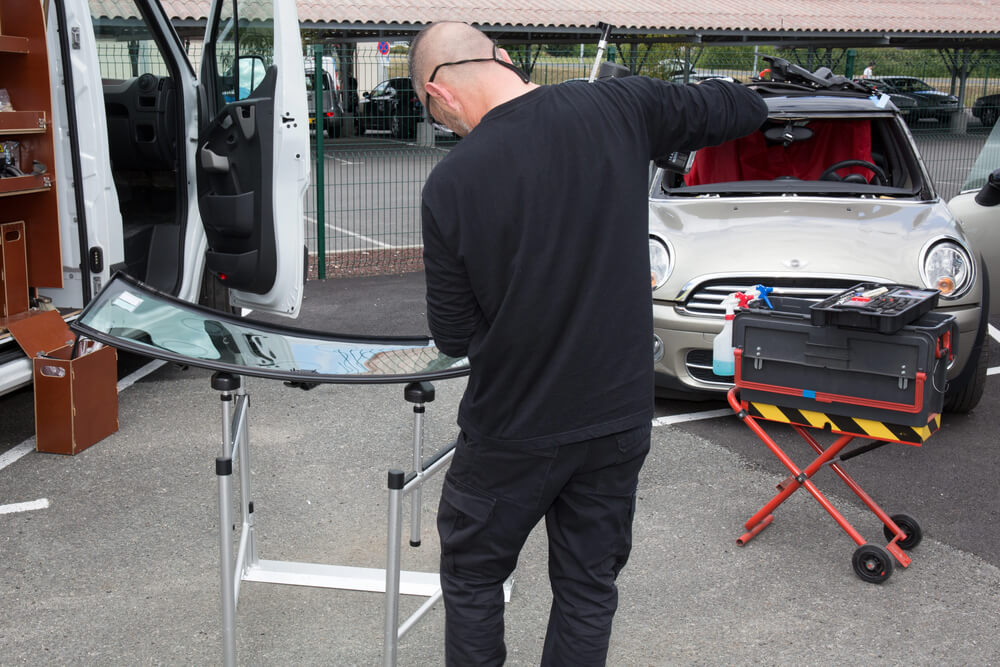
Do not put off the repair while sorting through every insurance detail if the crack is spreading or your vision is affected. A qualified auto glass technician can inspect the damage and explain whether repair is still possible, what replacement involves, and whether calibration may be required.
What to Compare Beyond the Price
The lowest upfront price is not always the lowest overall cost. A proper windshield repair or replacement should account for safety, glass quality, correct installation procedures, and the features on your vehicle.
When comparing insurance-backed and direct-pay options, look at the actual deductible, whether the policy covers repair versus replacement, and whether recalibration is included when required. Also consider timing. A rideshare driver, commuter, or parent with a packed schedule may save more by using mobile auto glass service than by taking time off to sit at a shop.
For replacement, ask about the type of glass being installed. Original equipment manufacturer glass, often called OEM glass, and high-quality aftermarket glass can both be appropriate depending on the vehicle and policy. The right choice depends on your vehicle’s requirements, sensor systems, insurer guidelines, and budget.
You should also confirm how the work will be billed. Some auto glass companies can work directly with your insurer after claim authorization. Others may require payment first and provide paperwork for reimbursement. Knowing this before the appointment prevents surprises.
Common Questions Drivers Have About Glass Claims
Will a windshield claim raise my insurance rate?
It depends on your insurer, policy, claims history, and state rules. Comprehensive claims are often treated differently from at-fault collision claims, but no shop can promise that a claim will have no effect on your future premium. Your insurance company is the best source for how it handles claims and renewals.
Can I drive with a cracked windshield?
Sometimes you can, but that does not mean you should wait. A crack that blocks your view, runs near the edge, or continues to spread can create a safety concern. Windshields also contribute to the vehicle’s structural support during a rollover and help airbags deploy as designed.
Does insurance cover mobile windshield service?
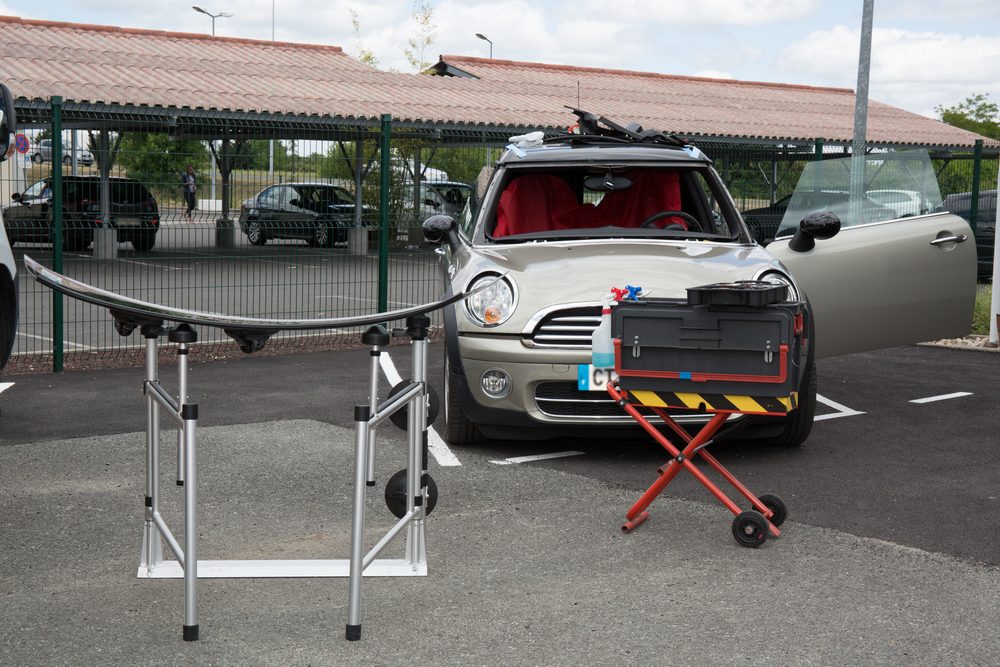
Many policies cover mobile service when the repair or replacement itself is covered, but confirm this with your carrier. Mobile service can be especially helpful when the vehicle is parked at home, at work, or is unsafe to drive.
How soon should I repair a windshield chip?
As soon as possible. Cover the chip with clear tape if needed to keep out water and debris, avoid washing the vehicle, and do not blast the defroster directly on the damaged area. Then arrange an inspection before the chip spreads.
A clear answer from your insurer and a fast inspection from an auto glass professional can take the stress out of the decision. If you are in Dallas, Addison, Richardson, Fort Worth, or Irving, Mid Cities Auto Glass can help assess the damage and bring mobile windshield service to your location so you can get back on the road with a safer view ahead.