A windshield quote can look simple until one question changes the whole conversation: do you want OEM or aftermarket glass? When drivers ask about OEM vs aftermarket windshield options, they are usually trying to balance three things at once - safety, cost, and how fast they can get back on the road.
That decision matters more than most people think. Your windshield is not just a piece of glass that keeps rain out. It supports the roof in some crashes, helps airbags deploy correctly in many vehicles, and affects visibility every time you drive. So if your windshield is cracked badly enough to need replacement, choosing the right glass deserves a clear answer, not sales talk.
OEM vs aftermarket windshield: what is the difference?
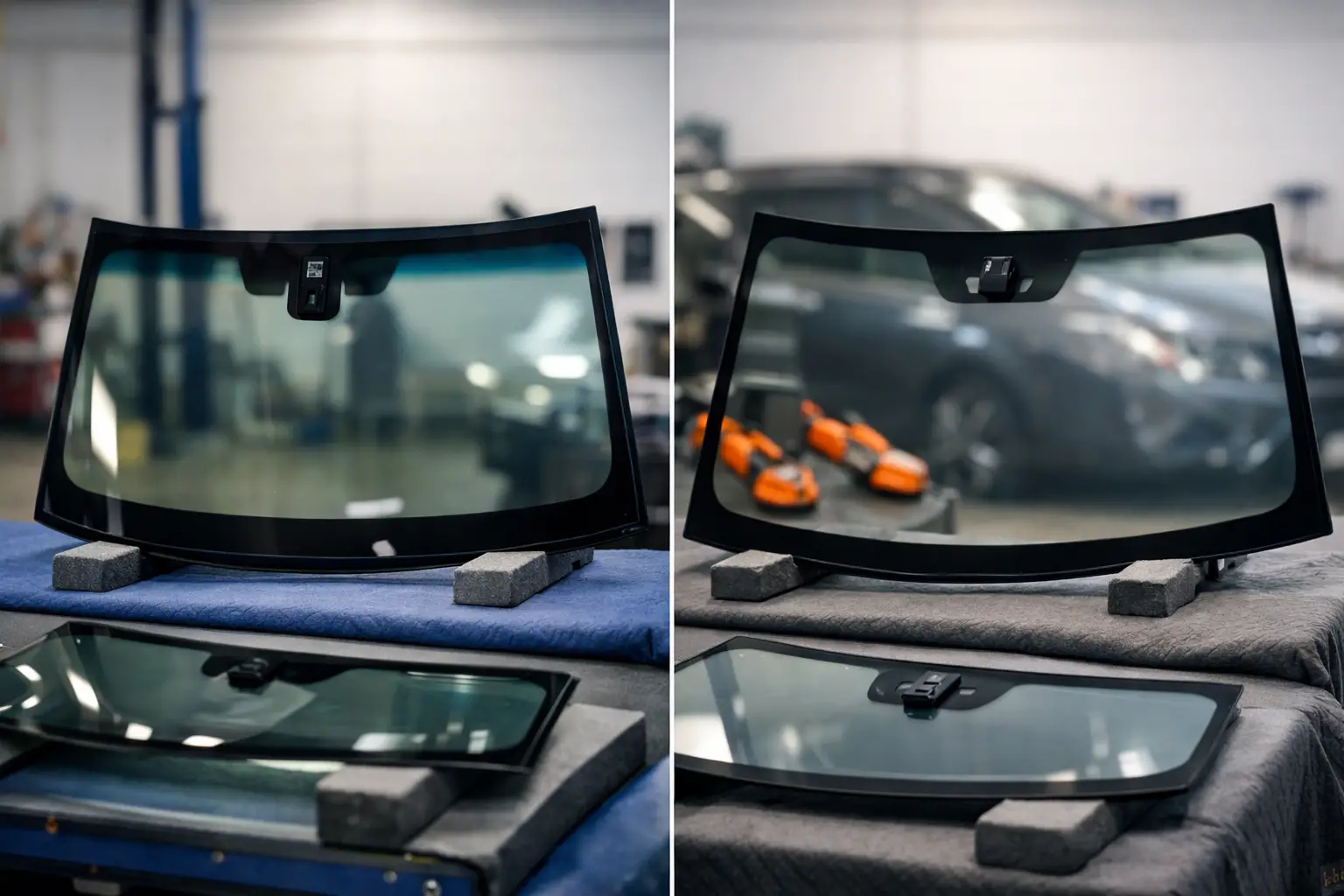
OEM stands for Original Equipment Manufacturer. In plain terms, OEM glass is made to the same specifications as the windshield your vehicle had when it left the factory. Depending on the vehicle, that may mean the same manufacturer, the same thickness, the same tint, the same mounting points, and the same design for sensors or driver-assistance features.
Aftermarket glass is made by a company other than the original supplier. That does not automatically mean low quality. Many aftermarket windshields are built to industry standards and perform well. But they can vary more from one manufacturer to another, and that is where the trade-offs start.
For most drivers, the real difference is not the label by itself. It is how closely the replacement glass matches the original in fit, finish, and feature compatibility.
Where OEM glass usually has the edge
The biggest reason people choose OEM is consistency. If your vehicle has rain sensors, lane departure warning cameras, heads-up display features, or advanced driver-assistance systems, a closer match to factory specs can reduce the chances of fitment issues or calibration problems.
Fit is a big deal. A windshield that is slightly different in curvature, thickness, or bracket placement may still install, but it may not match the original as precisely. Sometimes the difference is minor and never becomes an issue. Sometimes it shows up as extra wind noise, molding gaps, sensor trouble, or visual distortion at certain angles.
OEM also appeals to drivers who want their vehicle restored as close to factory condition as possible. That is especially common with newer vehicles, luxury models, leased cars, and vehicles that still hold a lot of resale value. If you are particular about appearance, branding, and original specs, OEM can offer more peace of mind.
Where aftermarket windshields make sense
Aftermarket glass is often the practical choice, especially when budget and availability matter. If you need replacement quickly and want to control cost, a quality aftermarket windshield can be a solid option.
This is common for older vehicles, daily commuters, and cars where an exact factory match is less of a priority. If your vehicle does not have complex safety tech built into the glass area, the benefits of OEM may be smaller than the price difference suggests.
Availability can matter just as much as cost. In a busy market, getting the right OEM windshield may take longer for certain makes and models. For a driver with a spreading crack, a work schedule, and no time to wait around, an aftermarket replacement that meets safety standards may be the better real-world answer.
That is especially true for people who depend on their car every day, like commuters and rideshare drivers. Waiting several extra days for a specific part is not always realistic.
Safety is about more than OEM or aftermarket
A lot of articles make this sound too simple. OEM is not automatically safe while aftermarket is not automatically risky. What matters is whether the windshield meets required safety standards, whether it is the correct glass for the vehicle, and whether the installation is done properly.
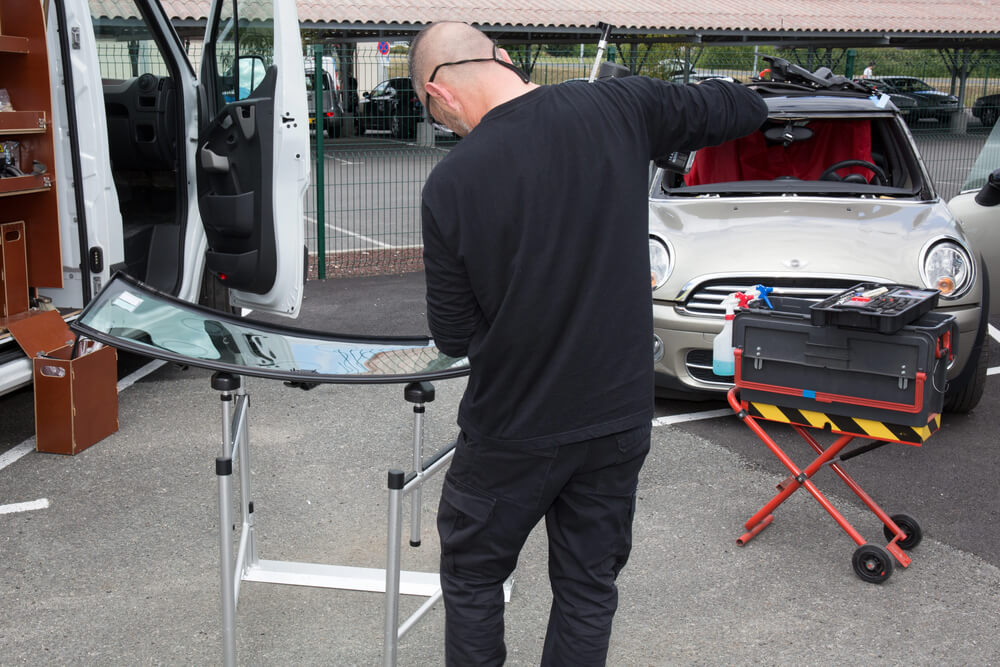
Installation quality is a major factor. Even excellent glass can underperform if the adhesive is wrong, the prep work is sloppy, or the curing process is rushed. A poorly installed windshield can affect leak resistance, structural performance, and visibility.
That is why the shop and technician matter as much as the type of glass. A properly installed windshield with the right materials and correct calibration process is the standard to care about.
ADAS features can change the answer
If your vehicle has forward-facing cameras or driver-assistance systems, the OEM vs aftermarket windshield question gets more specific. Many newer vehicles rely on the windshield area for systems like automatic emergency braking, lane keeping support, traffic sign recognition, and adaptive cruise functions.
In those cases, the replacement glass has to work correctly with the camera mount, the bracket position, and the optical clarity required by the system. After installation, recalibration may also be required. If the glass is slightly off, the system may not perform the way it should.
This does not mean every aftermarket windshield will fail with ADAS-equipped vehicles. Some work just fine. But the margin for error is smaller, which is why many owners of newer vehicles lean toward OEM or ask more detailed questions before approving an aftermarket part.
What about insurance coverage?
Insurance can influence your options. Some policies cover windshield replacement but may not automatically pay for OEM glass unless there is a specific reason, such as policy language, vehicle requirements, or lack of a suitable aftermarket part.
That can create a gap between what you want and what is covered. If your insurance approves an aftermarket windshield and you prefer OEM, you may have to pay the difference out of pocket. The amount varies by vehicle.
This is one reason it helps to ask detailed questions before the work starts. You want to know what type of glass is being quoted, whether recalibration is included if needed, and whether there are any out-of-pocket costs tied to choosing OEM.
Cost differences are real, but so is context
In most cases, OEM windshields cost more than aftermarket ones. Sometimes the difference is modest. Sometimes it is significant, especially on newer vehicles with specialized features.
But price alone should not decide it. A cheaper option is not a better deal if it creates fit issues, added road noise, or sensor problems. On the other hand, paying more for OEM may not deliver much extra value on an older vehicle with no advanced features.
The right choice depends on your car, your budget, and how you use the vehicle. A family SUV with safety tech and years of value ahead may justify OEM. An older commuter car with basic equipment may be perfectly well served by a quality aftermarket windshield.
Questions worth asking before you schedule replacement
If you are comparing quotes, do not stop at the final dollar amount. Ask what brand or type of glass is being used, whether it is OEM or aftermarket, and whether the windshield is designed for your exact trim and features.
You should also ask if your vehicle needs ADAS recalibration, how that is handled, and whether the quoted price includes it. Another useful question is whether the shop sees any common fit issues with your specific make and model when using aftermarket glass.
A good auto glass provider should be able to explain the difference in plain English. You should not have to guess what you are buying.
So which one should you choose?
If you want the closest match to your original windshield, have a newer vehicle, or rely on advanced safety features, OEM is often the safer bet from a fit and compatibility standpoint. It tends to reduce surprises.
If you need a lower-cost option, drive an older vehicle, or need replacement done quickly, aftermarket may be the more practical choice. The key is making sure the glass is quality-made and installed correctly.
For many drivers, this is not really a debate about good versus bad. It is a decision about priorities. Factory match, lower price, faster availability, and vehicle technology all matter differently depending on the situation.
If you are dealing with a cracked windshield in Dallas, Irving, Fort Worth, Richardson, Addison, or nearby areas, the best next step is not to guess. Get the glass type explained, ask how it fits your vehicle, and make the choice that gives you confidence every time you look through it.