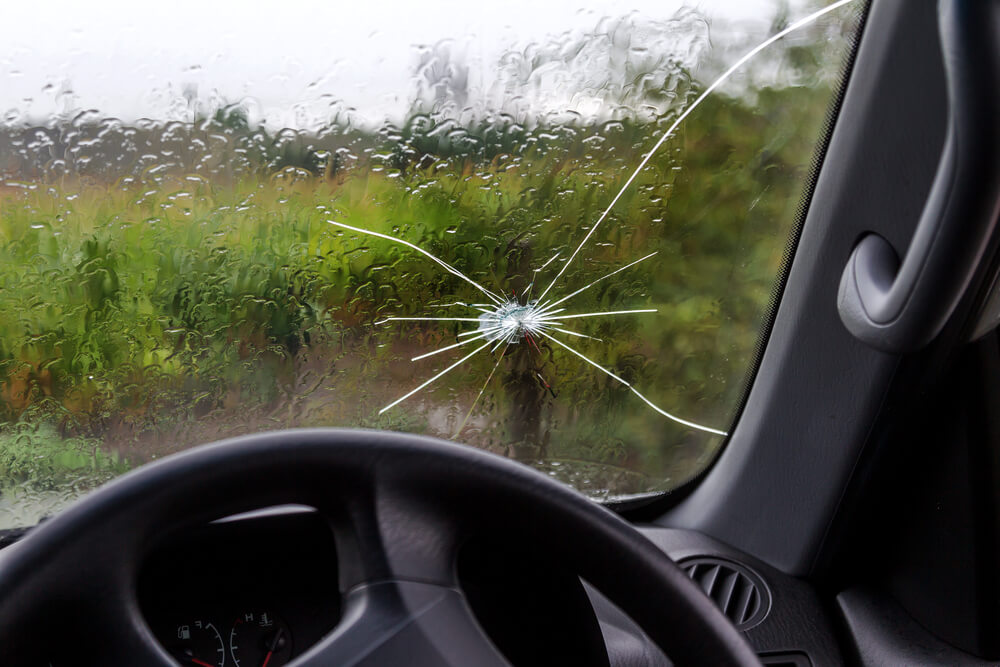
A rock chip can turn into a spreading windshield crack before the next workday. When you need auto glass service quickly, warranty details may be the last thing on your mind. Still, a clear guide to auto glass warranties can save you frustration if a replacement leaks, a repair fails, or a part does not perform as expected after the job is done.
Auto glass warranties are not all the same. Some cover the glass itself, others cover installation workmanship, and some apply only under specific conditions. The right question is not simply, “Does this come with a warranty?” Ask what is covered, how long it lasts, what can void it, and what happens if you need service again.
What an Auto Glass Warranty Usually Covers
Most reputable auto glass providers separate their warranty into two parts: materials and workmanship. Understanding the difference makes it easier to know where to turn if something goes wrong.
A glass or parts warranty applies to the windshield, door glass, back glass, molding, clips, or other replacement components. It may protect against manufacturing defects, such as distorted glass, a defect in the material, or a component that fails under normal use. Coverage can differ depending on whether the replacement glass is original equipment manufacturer glass, often called OEM, or aftermarket glass made to meet vehicle specifications.
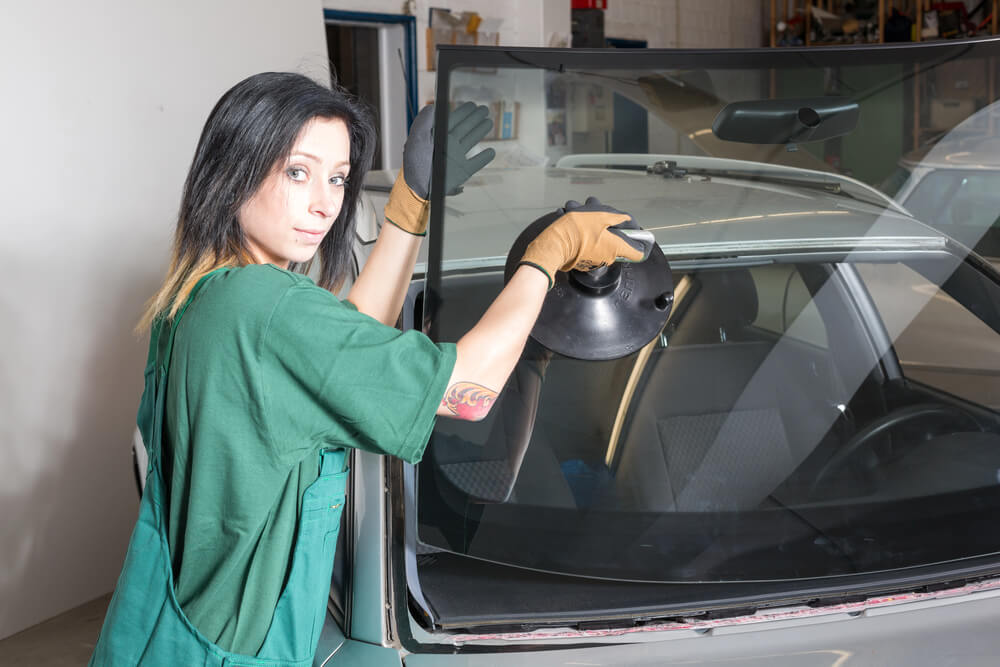
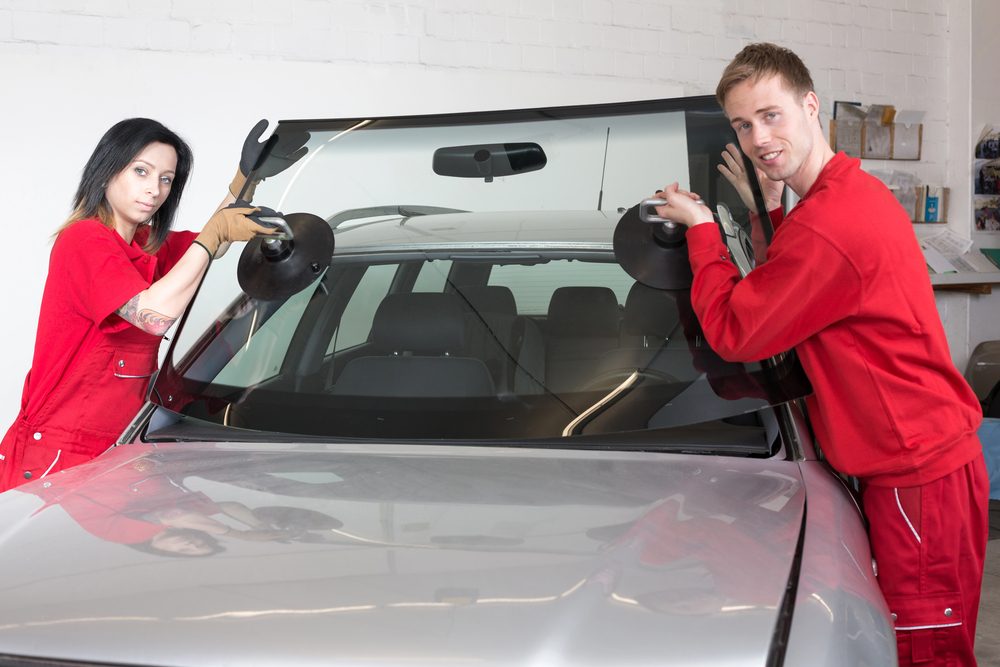
A workmanship warranty applies to the installation. It may cover issues such as wind noise caused by improper fitment, water leaks around a newly installed windshield, loose molding, or adhesive-related problems tied to the installation process. This is especially relevant after a windshield replacement, since the windshield supports the vehicle structure and may affect airbag performance in a collision.
Windshield chip repair warranties are often different. A repair is designed to strengthen damaged glass and reduce the chance of a crack spreading, but no technician can promise that every chip will disappear or remain stable forever. Many repair warranties instead apply the cost of the repair toward a replacement if the damage later spreads. Always ask how that policy works before approving the repair.
What Is Usually Not Covered
A warranty protects you from qualifying problems with the part or installation. It generally does not cover a new impact or damage that happens after service.
For example, a warranty normally will not cover another rock strike, vandalism, a collision, hail damage, or a side window broken during a theft attempt. It also may not cover pre-existing rust around the windshield frame, damage to trim discovered during removal, or leaks caused by a body issue rather than the glass installation.
The timing matters too. A tiny chip can become a long crack due to temperature changes, road vibration, or another impact. If the original chip was repaired and a separate impact occurs later, that is not usually a warranty situation. Taking a quick photo when damage first appears can help document what happened.
There can also be limits related to vehicle condition. Severe corrosion around the pinchweld - the metal frame where the windshield bonds to the vehicle - can interfere with a proper seal. A qualified technician should explain that risk before installation rather than promising coverage for a condition the glass company cannot control.
A Guide to Auto Glass Warranties Before You Schedule Service
Before booking mobile windshield replacement or car window repair, get the warranty terms in plain language. You do not need to read pages of fine print, but you should know the practical answers to a few key questions.
Ask whether the warranty covers workmanship, parts, or both. Confirm the length of coverage and whether it follows the vehicle or the original customer. If your vehicle has advanced driver-assistance systems, ask whether windshield camera recalibration is included, covered separately, or required after replacement.
Also ask what you should do if you notice a problem. Some providers require you to contact them before having another shop inspect or repair the issue. That is reasonable because it gives the original installer an opportunity to diagnose the problem. Keep your invoice, work order, and any calibration documentation in your vehicle records.
For drivers using insurance, there is one more distinction: your insurance policy is not the same as the service warranty. Comprehensive coverage may help pay for a covered glass claim, subject to your deductible and policy terms. The glass company’s workmanship warranty addresses qualifying service issues after the job. One does not automatically replace the other.
OEM vs. Aftermarket Glass and Warranty Expectations
The type of glass chosen can affect price, availability, and warranty language. OEM glass is made by or for the vehicle manufacturer and may carry the vehicle brand marking. Aftermarket glass is produced by other manufacturers to fit the vehicle and meet applicable safety standards.
Neither option is automatically right for every driver. OEM glass can be a preferred choice for certain vehicles, especially when a customer wants an exact match or their insurer approves it. Aftermarket glass can be a practical, reliable option that is often more available and affordable. What matters is that the glass is correct for the vehicle, installed properly, and paired with any necessary calibration.
Do not assume a longer warranty means one type of glass is always better. Read what the warranty actually covers. A strong workmanship warranty is valuable whether you choose OEM or aftermarket glass because installation quality affects the seal, fit, and long-term performance.
Why Calibration Changes the Conversation
Many newer vehicles have cameras or sensors mounted near the windshield. These systems can support features such as lane departure alerts, forward collision warning, automatic emergency braking, and adaptive cruise control. After windshield replacement, the camera may need recalibration so those features function as intended.
Calibration is not a cosmetic add-on. If your vehicle requires it, skipping it can create a safety concern and may trigger dashboard warnings. Ask whether your warranty covers the calibration work itself, what documentation you will receive, and what happens if the system does not calibrate because of a pre-existing issue or unrelated sensor fault.
A provider should never guarantee that every warning light is caused by the windshield replacement. Modern vehicles have interconnected systems, and diagnosis may reveal a separate problem. Clear documentation protects both the driver and the service provider.
Mobile Service Does Not Mean Less Protection
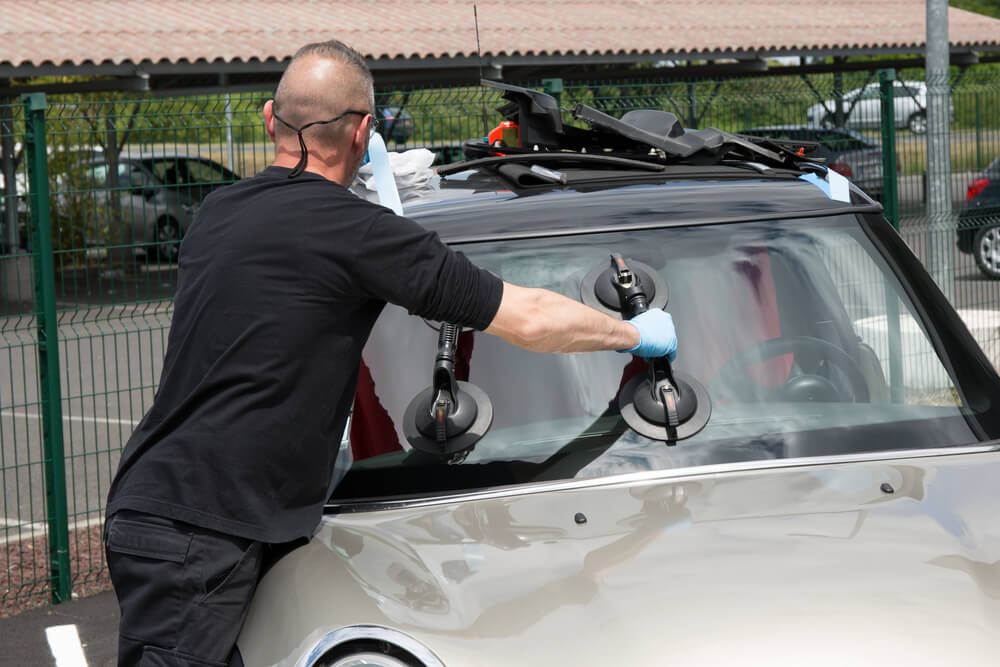
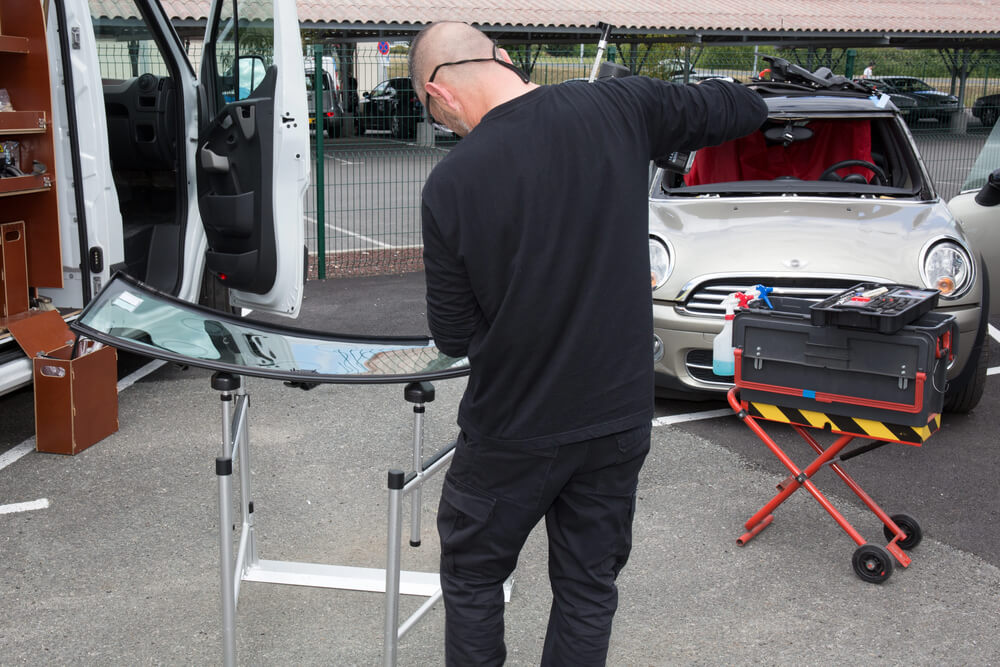
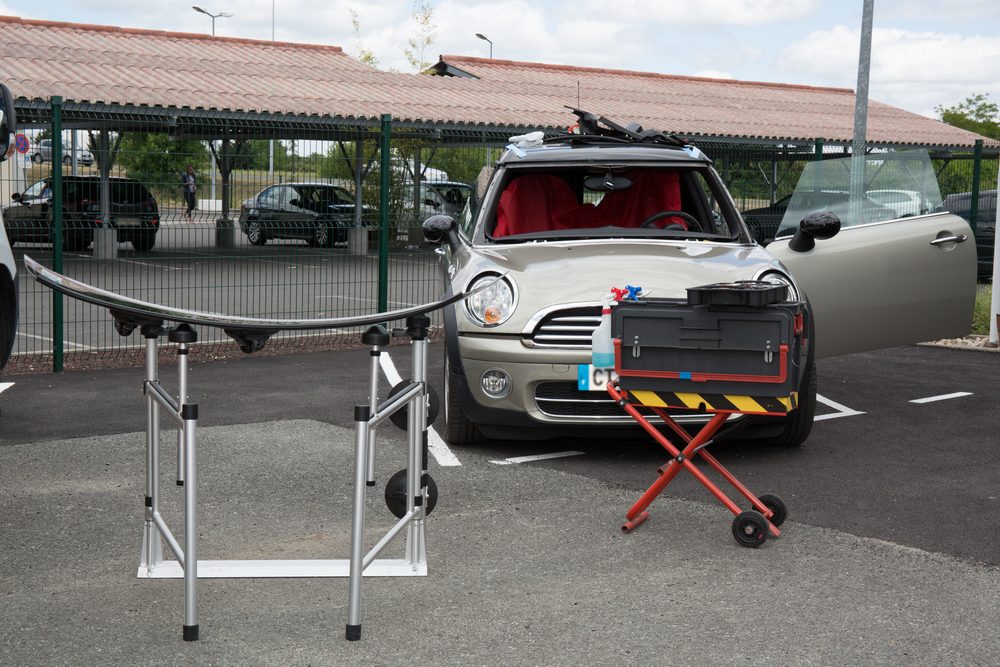
Mobile auto glass service is built for the reality of busy schedules. A technician can replace a windshield at your home, office, or another approved location, saving you a trip across town. But the work still needs the right conditions.
For adhesive to cure correctly, the installation area must be safe, reasonably level, and protected from conditions that could compromise the job. Heavy rain, extreme weather, limited space, or unsafe parking conditions may require rescheduling or moving to a better location. That is not an inconvenience for its own sake. It is part of doing the repair correctly and preserving the integrity of the installation.
After replacement, follow the technician’s safe drive-away instructions. Avoid slamming doors if advised, leave retention tape in place for the recommended period, and wait before washing the vehicle or driving in conditions that could affect uncured adhesive. Ignoring these instructions can create problems that are difficult to separate from installation-related issues later.
Signs You Should Call About a Warranty Concern
Contact your provider promptly if you notice water entering around the glass, persistent wind noise that was not present before service, loose exterior molding, visible separation near the edge of the windshield, or a new issue with a camera-based safety feature after replacement. A quick call is usually better than waiting for a small concern to become a larger one.
Be specific when you report the problem. Note when it occurs, such as during rain, at highway speed, or after the vehicle has been parked overnight. Photos and short videos can be useful, particularly for visible leaks or loose trim. Do not use household sealants around the windshield before the installer evaluates it, since that can hide the source of the issue and complicate a proper repair.
For broken side or back glass, check that all glass fragments were removed and that the window operates correctly if it rolls up and down. If a regulator, track, or door component is damaged from the original break-in or impact, that may require separate repair from the replacement glass itself.
A warranty is most useful when it is clear, realistic, and backed by a provider who answers the phone. For Dallas, Irving, Addison, Richardson, or Fort Worth drivers facing urgent glass damage, Mid Cities Auto Glass can explain the service details before work begins so you know what to expect after the technician leaves.