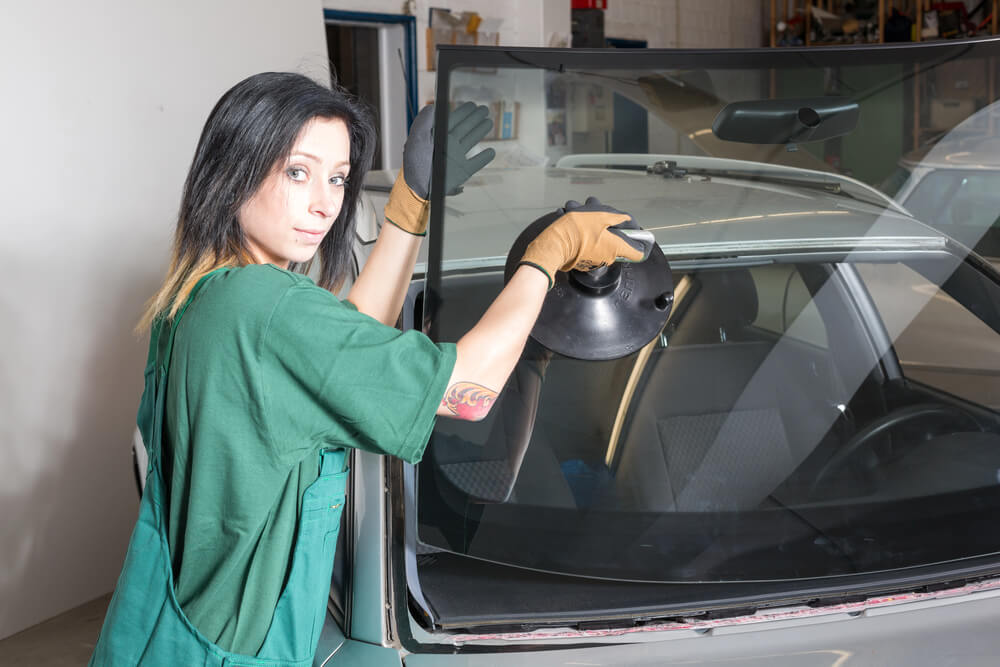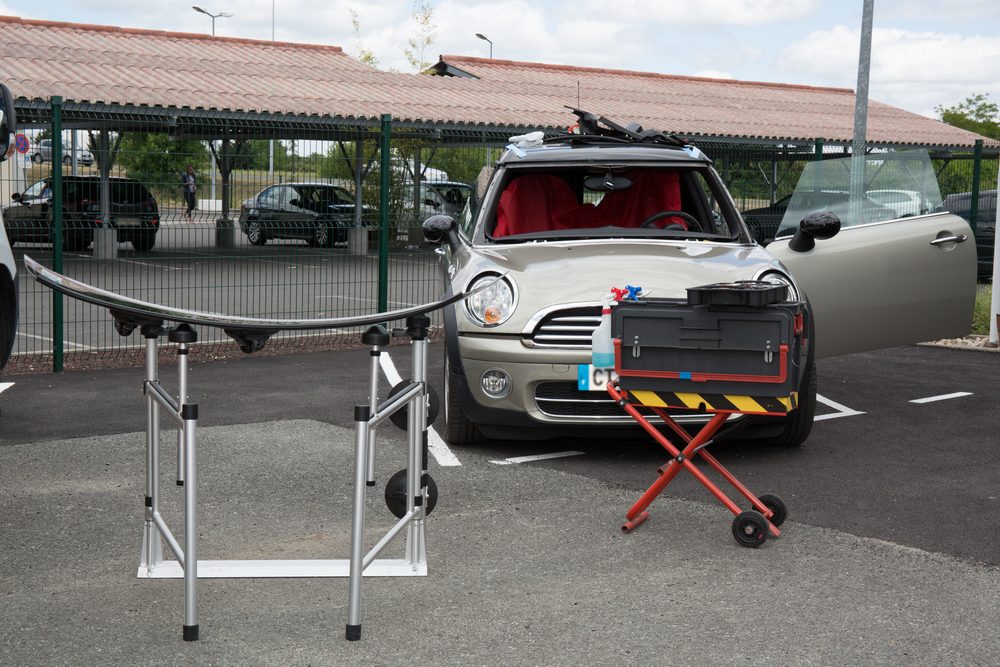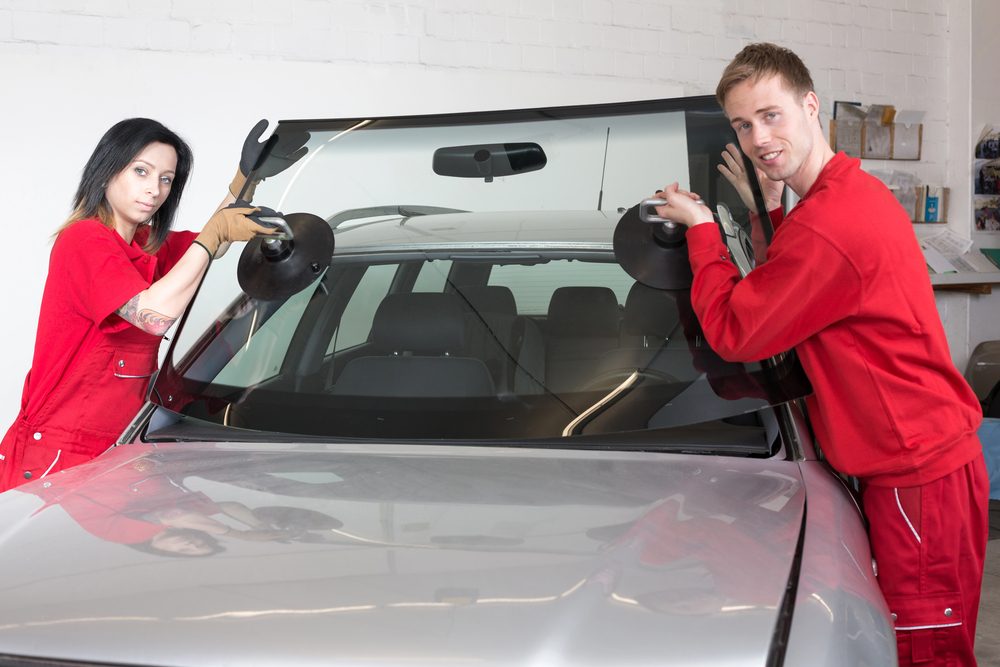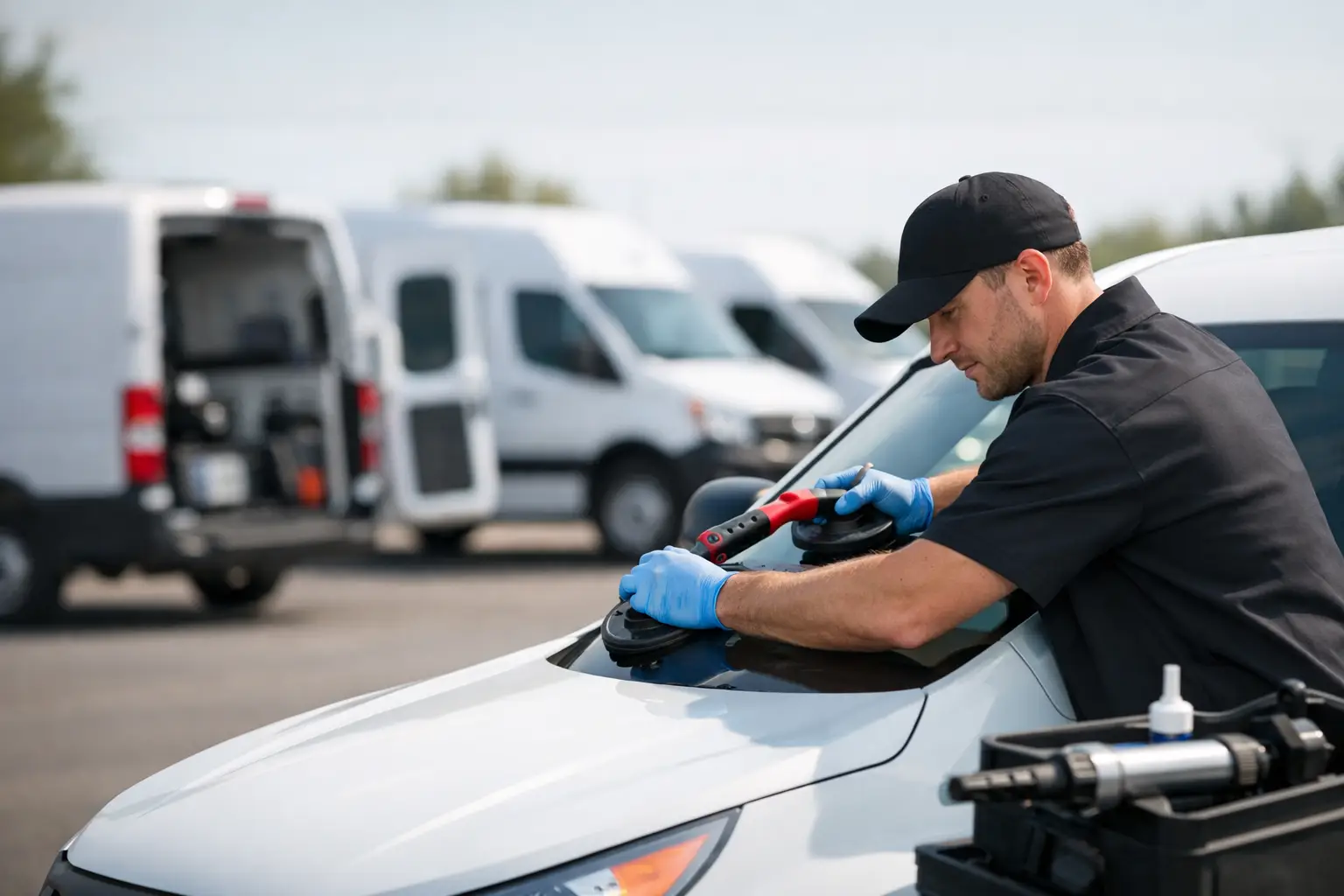
A cracked windshield on one work vehicle is inconvenient. The same problem across several vans, pickups, or delivery cars can disrupt schedules, frustrate customers, and pull drivers off the road. Fleet auto glass service gives businesses a practical way to handle damaged windshields, side windows, back glass, and mirrors without turning every repair into a shop visit.
For companies that depend on vehicles to serve customers, transport equipment, make deliveries, or move employees between job sites, glass damage is more than a cosmetic issue. It affects driver visibility, vehicle security, safety systems, and the ability to keep the day on schedule. Mobile repair and replacement can bring the work to your lot, office, job site, or another approved location so your vehicles spend less time out of service.
Why auto glass downtime costs more than the repair
The price of a windshield replacement is easy to see. The hidden cost is the time a vehicle cannot work. A technician waiting on a replacement, a missed delivery window, a rideshare driver losing a shift, or a service route that must be reassigned can quickly cost more than the glass itself.
A damaged windshield may also create safety concerns that should not wait. Cracks can spread with Texas heat, temperature changes, road vibration, and additional impacts. Damage in the driver’s line of sight can reduce visibility, especially in glare, rain, or nighttime traffic. On newer vehicles, the windshield may support advanced driver-assistance features, including cameras used for lane departure alerts, automatic emergency braking, or adaptive cruise control.
Broken side or back windows bring a different kind of urgency. They leave vehicles exposed to weather, theft, loose debris, and broken glass inside the cabin. For a commercial vehicle carrying tools, materials, or customer items, securing the vehicle promptly matters.
When fleet auto glass service makes the most sense
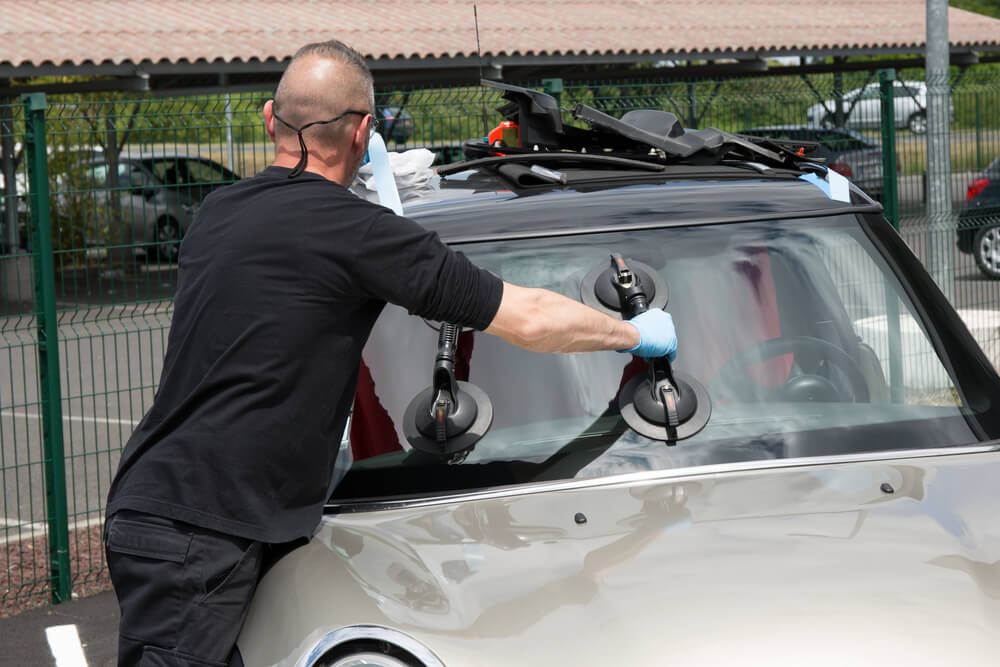
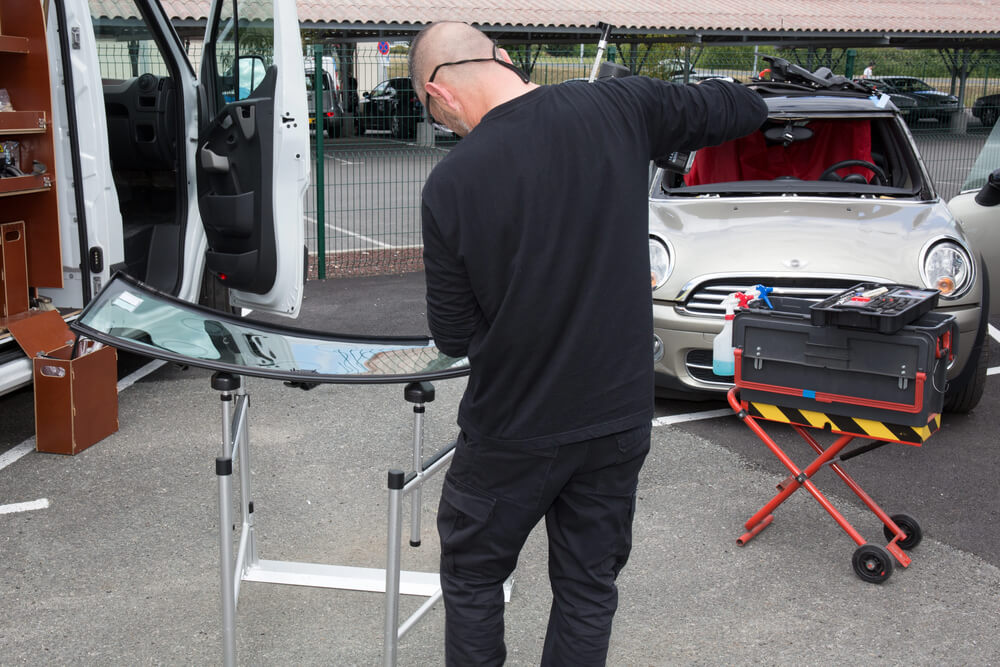
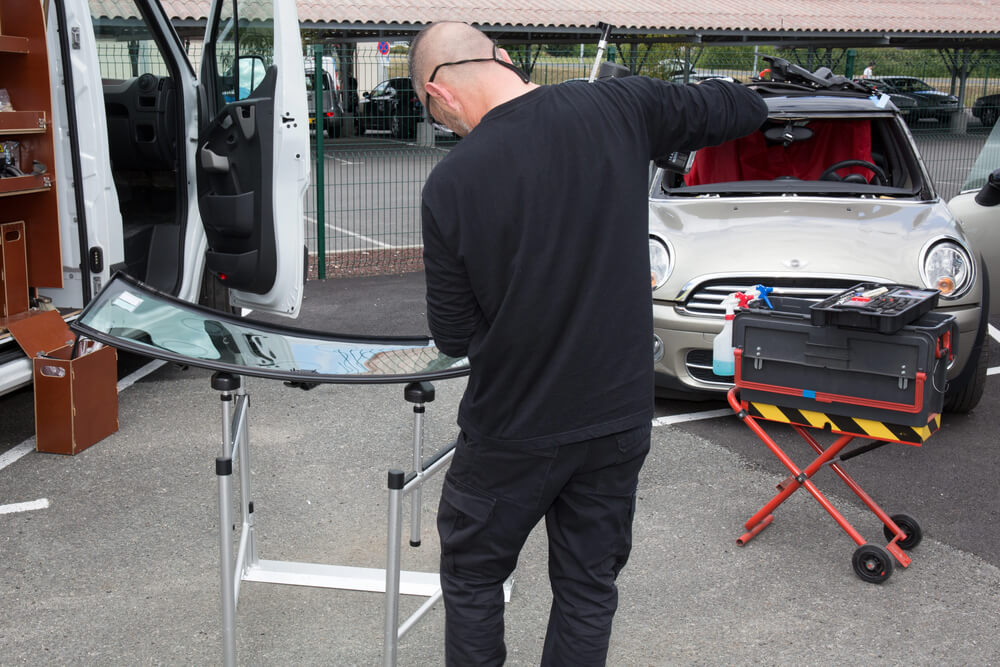
Mobile fleet support is especially useful when taking vehicles to a shop creates a scheduling problem. Rather than sending drivers across town and waiting for service, a qualified technician can work where the fleet is already parked. This is a strong fit for contractors, property service companies, delivery operations, transportation providers, municipalities, sales teams, and businesses with several vehicles rotating through the DFW area.
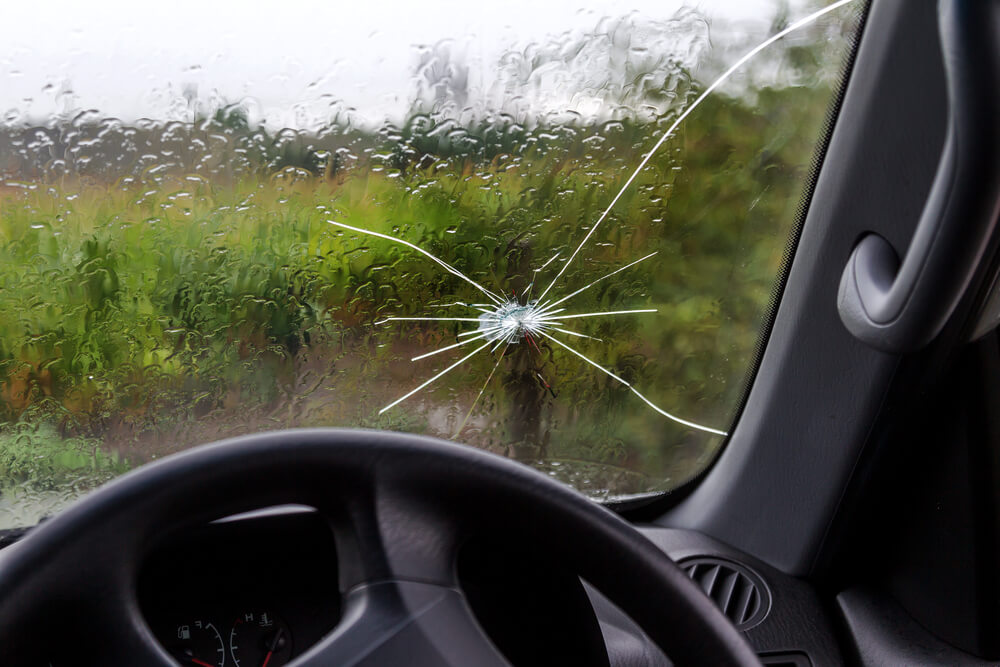
The best service approach depends on the damage. A small rock chip may be repairable if it is addressed early, is outside the driver’s critical viewing area, and has not developed into a long crack. Repair is usually faster and helps preserve the original windshield.
Replacement is often the safer choice when a crack is long, the glass is shattered, damage reaches the edge of the windshield, or the impact has compromised the glass structure. Side windows and back glass generally require replacement after breakage because they are designed to shatter into small pieces rather than remain intact like a laminated windshield.
Waiting is rarely a money-saving move. A chip that might have been repaired can spread into a crack that requires a full windshield replacement. Quick reporting gives fleet managers more options and helps prevent small damage from becoming an unexpected downtime event.
What a reliable fleet auto glass service should handle
A fleet provider should do more than install glass. The service should make the process easier for the person coordinating drivers, work orders, and vehicle availability. That starts with clear communication about the damage, recommended repair or replacement, expected service time, and any vehicle-specific needs.
For mobile appointments, the work area needs enough space for the technician to safely access the vehicle. Weather, parking conditions, and the type of repair can affect whether the work can be completed at a particular location. A good provider will explain those limits upfront and help find a workable solution instead of leaving your team guessing.
Fleet managers should also ask about glass quality and fitment. The right windshield or window must match the specific vehicle, including the year, make, model, body style, and equipment. Windshields with rain sensors, heated elements, heads-up display areas, camera brackets, or acoustic glass may require a particular part.
For vehicles equipped with forward-facing safety cameras, windshield replacement may require ADAS calibration. This step helps confirm that camera-based safety features are aligned correctly after the new windshield is installed. Not every vehicle requires calibration, but it should never be treated as an afterthought. A provider should verify the vehicle’s requirements before scheduling the replacement.
Build a simple reporting process for drivers
Fleet glass issues move faster when drivers know exactly what to report. They do not need to diagnose the damage. They should provide the vehicle number, location, photos when safe to take them, and a short description of what happened.
Ask drivers to report chips and cracks as soon as they notice them, rather than waiting until the end of the week. A quick photo with a coin or key beside the chip can help show its size, but the technician should make the final call on whether repair is possible. If the glass is shattered or visibility is affected, drivers should notify a manager immediately and avoid operating the vehicle if it is unsafe.
It also helps to keep vehicle details on file. Accurate VINs, license plate numbers, vehicle trim information, and notes about cameras or sensors can reduce delays when ordering the correct glass. For larger fleets, a simple spreadsheet or fleet management system can track prior replacements, recurring damage locations, and service dates.
Plan around the vehicles that cannot sit still
Not every fleet needs a formal contract to benefit from better glass planning. Even a small business with three service vans can identify which vehicles are mission-critical and which can cover a route if one vehicle is down.
For larger fleets, group appointments can reduce interruptions. If several parked vehicles need chip repair, scheduling them at one location may be more efficient than arranging separate visits. This approach works well for company lots, apartment maintenance fleets, delivery hubs, and contractor yards.
There are trade-offs. Group service is efficient, but it may require coordinating keys, vehicle access, and employee availability. Same-day service can be valuable for urgent damage, but specialty glass or uncommon vehicle configurations may need to be ordered first. The right plan balances speed with getting the correct part and completing the job properly.
Questions to ask before scheduling service
Before choosing a provider, make sure the process fits how your business operates. Ask whether mobile service is available at your normal vehicle location, how quickly urgent damage can be assessed, and what information is needed to identify the correct glass.
You should also confirm whether the provider can handle windshield repair, full replacement, broken side windows, back glass, cleanup of shattered glass, and calibration requirements when applicable. If you use commercial insurance, ask what documentation is available for your records and whether your team can receive clear invoices by vehicle.
Local coverage matters too. Businesses operating between Dallas, Irving, Addison, Richardson, and Fort Worth should not have to create a different process every time a driver works in another part of the metroplex. Mid Cities Auto Glass provides mobile auto glass repair and replacement designed to help DFW vehicle owners and fleet teams get back on the road with less disruption.
Keep minor damage from turning into a route problem
A fleet vehicle does not need to be completely out of commission before glass service becomes necessary. A growing crack, a loose windshield, broken side glass, or damage near a camera can become a bigger operational issue quickly. Treating glass damage as part of regular fleet maintenance protects your drivers, your equipment, and your schedule.
The most useful next step is simple: give drivers a clear reporting contact, keep vehicle details organized, and address chips before heat and road vibration make them worse. When glass damage happens, a mobile appointment at the vehicle’s location can keep a small problem from taking an entire route off the board.