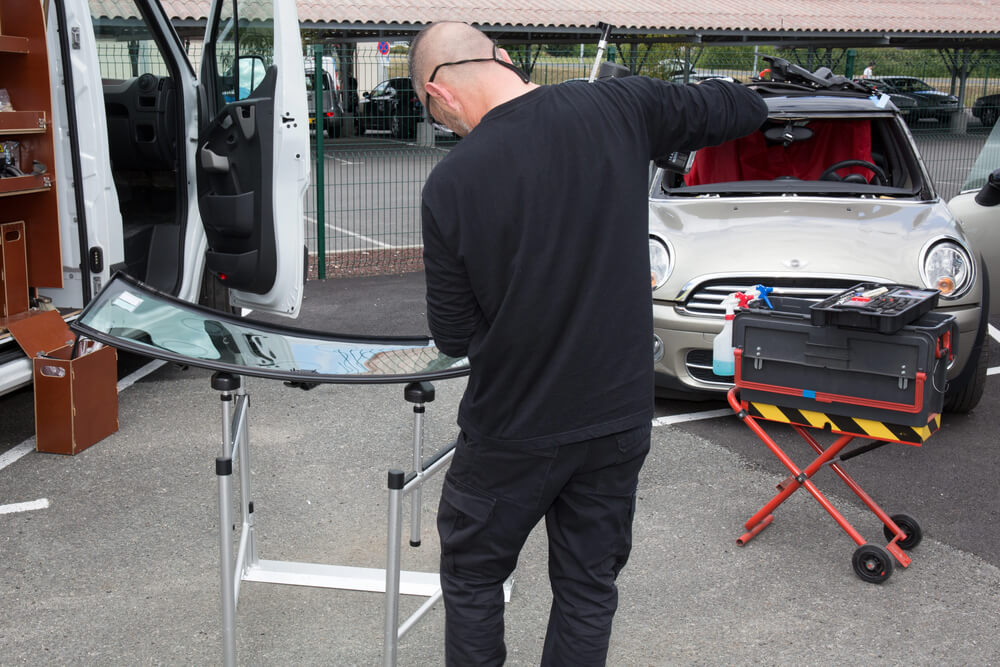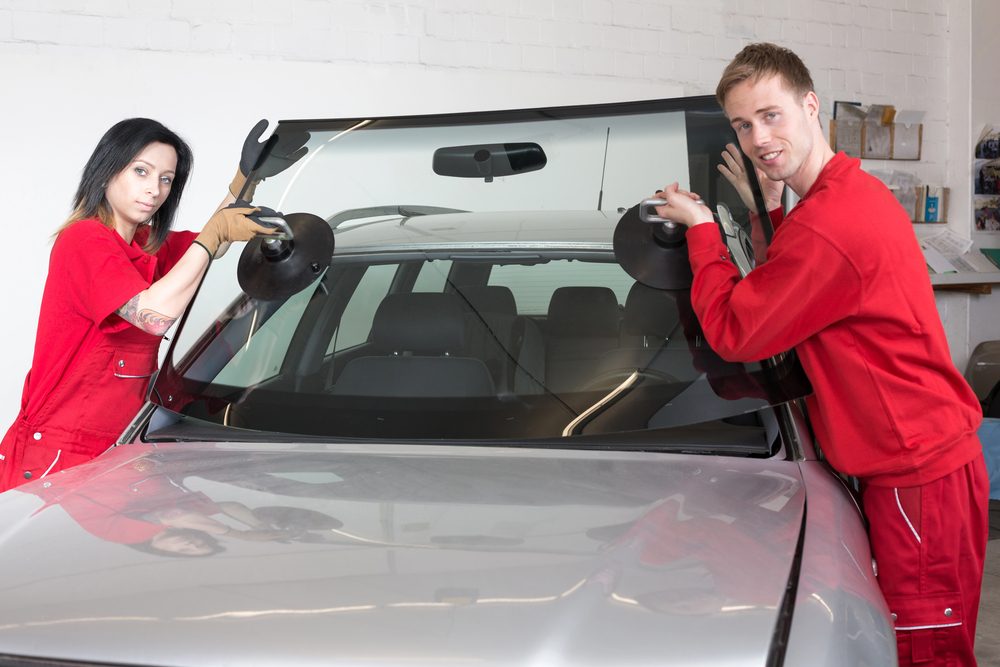
A windshield replacement used to be mostly about getting the glass swapped out correctly. Now, for many vehicles, that job is only half done until the safety systems are checked and calibrated. That is why an ADAS windshield calibration guide matters for everyday drivers, not just technicians.
If your car has features like lane departure warning, forward collision alert, automatic emergency braking, or adaptive cruise control, there is a good chance a camera sits behind the windshield. That camera depends on exact positioning. Even a small change in glass placement, camera angle, ride height, or target alignment can affect how the system reads the road.
What ADAS calibration actually means
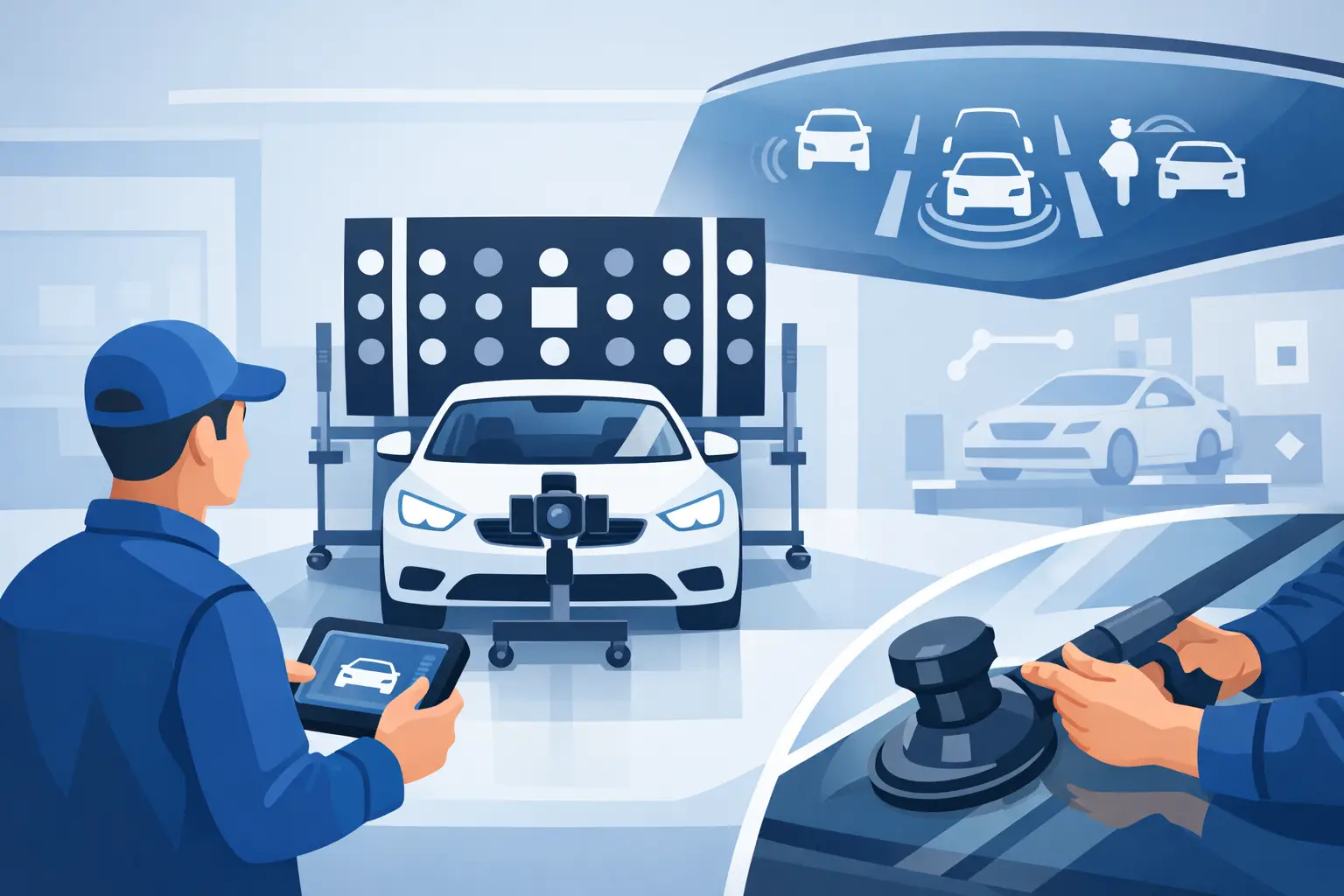
ADAS stands for Advanced Driver Assistance Systems. In plain terms, these are the features designed to help your vehicle monitor lanes, traffic, distance, pedestrians, and other driving conditions. Many of those features rely on a forward-facing camera mounted near the rearview mirror.
When the windshield is replaced, that camera may be removed and reinstalled, or its relationship to the glass may change slightly. Calibration is the process of making sure the vehicle and the camera agree on where straight ahead actually is. If that sounds minor, it is not. A system that is off by a little can react late, read lane markings incorrectly, or miss the proper following distance.
Some drivers assume the car will figure it out on its own. Sometimes it can, but not always. It depends on the make, model, year, and the exact ADAS package installed.
ADAS windshield calibration guide: when it is needed
The most common time calibration is needed is after windshield replacement. If your vehicle has a front camera attached to the windshield area, calibration is often required by the manufacturer. In many cases, even disconnecting or moving the camera can trigger that need.
There are other situations too. A front-end collision, suspension changes, wheel alignment issues, or even certain repairs around the camera mount can affect system accuracy. If the vehicle has ADAS warning lights on the dash, that is another sign the system may need to be checked.
This is where drivers in busy areas like Dallas, Irving, or Fort Worth can get caught off guard. You schedule mobile windshield service because the crack is spreading and you need the car back quickly. The glass gets replaced, but if calibration is skipped when your vehicle requires it, the safety features may not perform the way you expect.
Static vs dynamic calibration
There are two main types of ADAS calibration, and the difference matters.
Static calibration is done while the vehicle is parked. The technician uses specialized targets, measuring tools, scan equipment, and manufacturer procedures to align the camera. This usually requires a controlled environment with enough space, level flooring, and precise lighting conditions. It is not a guessing game. The setup has to be exact.
Dynamic calibration happens while the vehicle is driven under specific road conditions. The system relearns by reading lane markings, speed, and surrounding traffic patterns. Some vehicles require only a dynamic procedure. Others require static first, then a road test. Some can accept one method depending on the manufacturer, while others are much stricter.
That is why there is no honest one-size-fits-all answer. Anyone telling you every car calibrates the same way is oversimplifying the job.
Why windshield replacement and calibration are tied together
The windshield does more than block wind and debris. On newer vehicles, it is part of the mounting and viewing environment for the camera system. The camera looks through that glass, so the quality of installation matters.
If the wrong glass is used, if the camera bracket is not positioned correctly, or if the adhesive cure process is rushed, calibration can be affected. This is one reason drivers should be careful about shopping on price alone. A low quote can sound good until you realize it does not include the steps needed to restore the safety systems.
A proper replacement should account for the glass, the installation, and the post-installation requirements for the vehicle. If ADAS is involved, calibration should be part of the conversation from the start, not something mentioned after the work is done.
What drivers should ask before scheduling service
You do not need to know the technical details of every sensor on your car, but you should ask a few direct questions.
First, ask whether your specific vehicle requires ADAS calibration after windshield replacement. The answer should be based on your make, model, year, and trim, not a generic maybe.
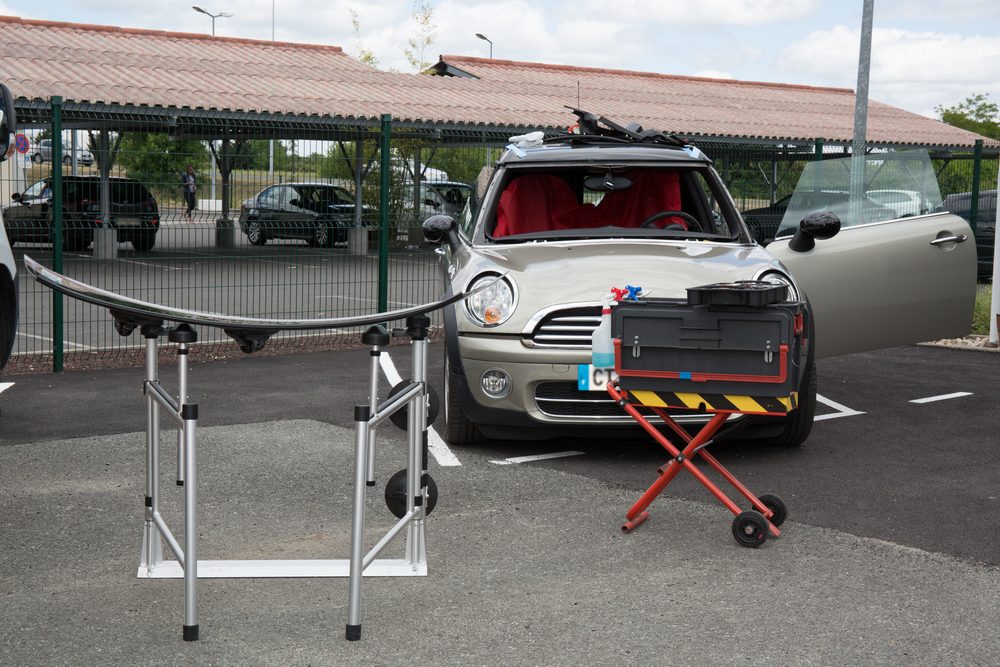
Second, ask what type of calibration is required. If it needs a static calibration, that may affect whether the work can be fully completed on-site or whether another step is needed. Mobile service is still a major convenience, but some vehicles require equipment and conditions that are more controlled than a driveway or parking lot allows.
Third, ask whether OEM procedures are being followed. That does not mean every job is identical, but it does mean the service provider should know what the manufacturer calls for and whether a scan, recalibration, or road test is part of the process.
Finally, ask what documentation you will receive. If a calibration is performed, there should be some record showing that the system was checked and completed according to the required process.
ADAS windshield calibration guide for mobile service
Mobile auto glass service is a huge advantage for drivers with packed schedules, especially commuters, parents, and rideshare drivers who cannot sit around a shop all day. But with ADAS, mobile convenience has to be matched with vehicle-specific reality.
Some windshield replacements can absolutely be handled in a mobile setting, followed by the right calibration path for that vehicle. In other cases, the replacement may happen first and the calibration may need to be completed in a space that meets the equipment and environmental requirements.
That is not a downside. It is the honest version of the job. A provider focused on doing things correctly should explain that up front instead of pretending every calibration can happen anywhere under any condition.
For DFW drivers, that clarity matters. You want the fastest path back on the road, but you also want to know your lane assist and collision warning features are working the way they should.
Signs your ADAS system may be off after replacement
Sometimes there is a dashboard warning. Sometimes there is not. A system can still be slightly misaligned without making a big announcement.
Pay attention if lane departure alerts seem inconsistent, if adaptive cruise reacts strangely, or if forward collision warnings feel delayed or overly sensitive. Those symptoms do not automatically mean the windshield replacement was done wrong, but they do mean the system should be checked.
Another issue is false confidence. Drivers often assume that because the camera turns on, the system is fine. Functioning is not the same as accurate. ADAS features are assistance tools, and they depend on precise inputs.
Why calibration is about safety, not just technology
It is easy to hear terms like sensor alignment and camera targeting and treat them like dealer-only technical details. But the real issue is simple. These systems are tied to split-second decisions on the road.
If your car helps keep you centered in a lane on I-635, warns you about traffic slowing ahead, or adjusts following distance during a crowded commute, accuracy matters. A windshield replacement on an ADAS-equipped vehicle is not finished until that part of the picture is addressed.
That does not mean every cracked windshield becomes a complicated project. It means the service should match the vehicle. Some jobs are straightforward. Some require more steps. The right provider will tell you which one you have.
When you call for windshield replacement, ask about calibration right away. It saves time, prevents surprises, and helps make sure the safety features you rely on are ready for the next mile. Mid Cities Auto Glass can explain what your vehicle needs and help you plan the most practical next step without making the process harder than it has to be.
A good windshield job should leave you with more than clear glass - it should leave you confident that the systems behind it are seeing the road correctly too.